Home Blog Page 597

Teachers express concerns over education bill 2023

0
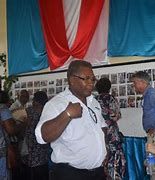
Dr Lionel Kakai, the Principal of King George Sixth (KGVI) School

By EDDIE OSIFELO

Some educators in the Solomon Islands have raised practical concerns regarding the proposed Education Bill 2023 currently before Parliament.

The concerns mainly revolve around teacher registration, low salaries, and the extensive powers granted to the Permanent Secretary of the Ministry of Education and Human Resources.

Teachers presented their apprehensions before the Bills and Legislation Committee in Parliament recently.

Dr Lionel Kakai, the Principal of King George Sixth (KGVI) School, expressed worry over the Bill’s allocation of increased authority to the Permanent Secretary.

“I question whether the Permanent Secretary can effectively manage responsibilities like teacher registration while maintaining efficiency,” he remarked.

Kakai also highlighted the prolonged teacher registration process, which takes up to a year for some educators in the Solomon Islands.

“In the Solomon Islands, we face challenges in sourcing potential teachers,” Kakai explained.

“For instance, some remote villages resort to recruiting individuals with marine experience. The new Bill mandates registration, even under circumstances where qualified teachers are scarce. Unlike countries like Australia, which boast a surplus of teachers who can be summoned to teach even when they are not actively employed, our situation is different.”

Kakai emphasised that these concerns had been raised during consultations but were met with potential penalties under the Bill.

“In cases where Form 5 graduates are needed to teach in primary and secondary schools, they face hurdles in registration due to their recent completion of high school. We recognize the need for flexibility, especially in a developing country where teacher availability struggles to keep pace with a rapidly growing population.”

Kakai said teacher shortages are prevalent, with institutions like KGVI searching for math and physics teachers for up to two years.

“The registration process poses an additional challenge when hiring part-time educators, necessitating adherence to bureaucratic procedures,” he added.

Another teacher from St John Community High School highlighted the significant obstacles teachers encounter in the registration process, involving multiple administrative bodies and protracted waiting times.

She also underscored the unattractive nature of the teaching profession due to environmental challenges, including low morale and living arrangements that hinder educators’ effectiveness in the classroom.

The Education Bill 2023 aims to modernise and streamline the administration and regulation of Early Childhood, Primary, and Secondary education. It encompasses provisions for the registration of teachers, educational providers, schools, and Early Childhood Education (ECE) centres, effectively replacing the existing Education Act.

The new education framework prioritises principles such as access, equity, accountability, equality of opportunity, partnerships, quality, and relevance. The Bill grants increased autonomy to educational providers and ECE centres to enhance their management capabilities, while also improving teacher management through specific provisions for registration and oversight by the Teaching Services Commission.

This legislation promotes a province-by-province approach to education, fostering collaboration among educational providers within each province. It expands the registration scheme to cover Education Providers, schools, ECE centres, and teachers. Administrative Instructions will establish standards on various critical aspects, including child protection, gender equality, social inclusion, assessment, reporting, and other educational requirements.

The Bill introduces compulsory basic education and emphasizes transparency and accountability in government funding allocation to the education sector. The Education Bill 2023 represents a substantial overhaul of the education system in the Solomon Islands, aimed at aligning it with modern standards while upholding fairness, transparency, and educational quality.

MINING BEGINS

0

Kolosori Nickel Project in Solomon Islands commences operations

By EDDIE OSIFELO

The Kolosori Nickel Project, located in Bugotu, Isabel Province, Solomon Islands, has officially entered its mining phase following the successful completion of prospecting activities. This development marks a significant milestone in the project’s timeline.

Mining Contractor and Project Scope:

Gobe Freight Services (GFS) Marine 05, a landing craft hailing from Papua New Guinea, is currently at Kolosori site to deliver essential machinery.

These machines were transported on behalf of HBS PNG, a reputable mining contractor based in Papua New Guinea, which was awarded the comprehensive project services contract.

The scope of their contract encompasses mining, earthworks, stockpiling, and the loading of barges.

Calvin Bazil, a local director at Kolosori Nickel (SI) Limited, confirmed that mining operations are now underway, signifying the transition into both the mining and production stages. The project has also attracted employees from the Gold Ridge mining sector.

Ownership and Approvals:

The project’s mining license, ML 02/22, is jointly owned by Pacific Nickel Mines Kolosori (PNMK), holding an 80% stake, and traditional landowners, who possess the remaining 20%. PNMK is a subsidiary of the renowned Australian mining company Pacific Nickel Mines.

Key regulatory milestones include the completion of a scoping study in November 2021, receipt of development consent from the Solomon Islands Ministry of Environment in December 2021, and the acquisition of the mining lease from the Ministry of Mines, Energy, and Rural Electrification in September 2022. The definitive feasibility study (DFS) for the project was publicly announced in February 2023.

Production and Investment Outlook:

The Kolosori Nickel Project, primarily focused on extracting direct shipping ore (DSO) nickel laterite, is expected to have a mine life spanning six years. To commence operations, an initial investment of $21.3 million was allocated. Construction began in August 2023, and full-fledged operations are scheduled to commence in October 2023.

Mining Method and Logistics:

The mining methodology for the Kolosori nickel project centers on open-pit strip mining. Ten mining pits, situated to the north of the loadout wharf, have been identified for ore extraction. The mining process involves multiple benches, with varying widths. To minimize soil erosion and maximize ore extraction, topsoil will be stripped and subsequently backfilled.

Ore transportation will be facilitated by 30-ton and 50-ton excavators, along with all-terrain articulated haul trucks. A primary haul road will connect the mining pits to the port and stockpile area. Notably, given its status as a DSO mine, the project will not require any processing facilities on-site.

Moisture Content and Ore Handling:

The laterite ore at Kolosori contains moisture levels ranging between 20% and 40%. Ore with moisture content below the transportable moisture limit (TML) will be directly transported to barges for shipping. Conversely, ore exceeding the TML will be designated to a specific stockpile area for preshipment drying and storage.

Equipment Deployment:

In July 2023, the project witnessed the arrival of its initial equipment fleet. This included five RokBak 40-ton articulated dump trucks, two dozers, two Hyundai 50-ton excavators, one Hyundai 30-ton excavator, a service truck, and a fleet of light vehicles and ancillary workshop containers

Key Contributors to the Project:

The DFS for the Kolosori Nickel Project was prepared by Maxwell Energy and Resources, an engineering and project delivery services provider. Additionally, Australian Mine Design and Development, a mine planning and technical services provider, played a pivotal role in estimating ore reserves as part of the DFS. Resindo Resources and Energy Group, based in Indonesia, contributed to engineering studies.

Mining One Consultants, a specialist in mining, geotechnical, and geological consulting, developed the drilling and sampling programs under the DFS. Furthermore, PNMK secured a nickel ore transfer services agreement with shipowner Marinepia Shipping to supply vessels, including tugboats and barges, for ore transportation.

The environmental and social impact assessment for the project was meticulously prepared by natural resources consultant Ecological Solutions in collaboration with Quantum 7.

In an essential step towards financing, Blackbird Commodity Partners, an independent financial advisor, was appointed as the corporate advisor for the Kolosori nickel project.

As the Kolosori Nickel Project continues to progress, it promises to be a significant contributor to the local and regional economy, marking a new chapter in the mining industry of the Solomon Islands.

‘Partner of choice’ Australia donates SBD8m Kukum Traffic building to strengthen RSIPF

0
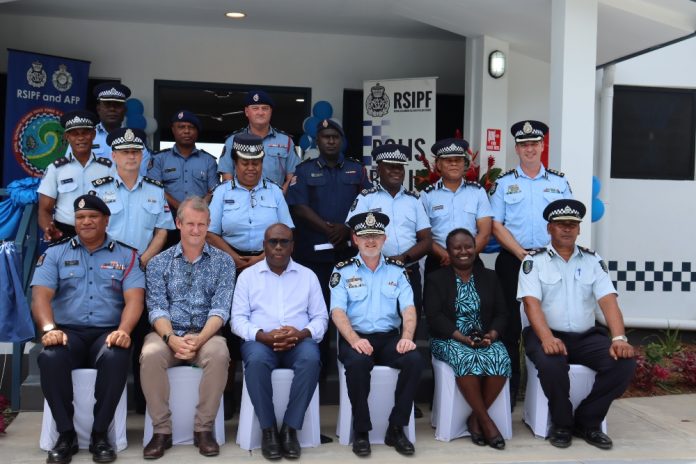
Group photo of high level guests who were part of the official opening ceremony

BY JENNIFER KUSAPA

THE Australian Government, in collaboration with the Australian Federal Police and the Australian Federal Police Policing Partnership Programme (RAPPP), has presented the Royal Solomon Islands Police Force (RSIPF) with a state-of-the-art two-storey building valued at approximately SBD$8 million.

Assistant Commissioner of the AFP Pacific Asia Command, Nigel Ryan, emphasised Australia’s commitment to supporting the Solomon Islands and its neighbouring nations in achieving a peaceful and prosperous future.

He expressed the AFP’s dedication to assisting the RSIPF in maintaining peace and security while addressing current and emerging threats.

Ryan emphasised the importance of modern policing facilities that foster positive relationships between law enforcement and the communities they serve. He stressed that such facilities should be strategically located, inviting for public engagement, and designed to provide policing services effectively both now and in the future.

“I want to reaffirm our commitment to genuinely listen to the needs of the RSIPF and deliver a partnership program that supports their future direction and enhances the safety and security of our regional community,” Ryan said.

Australian High Commissioner Rod Hilton expressed gratitude for the facility provided to the RSIPF, acknowledging the need for high-standard buildings for police officers to carry out their duties effectively.

Minister of Police National Security and Correctional Service, Anthony Veke, acknowledged the invaluable support of the Australian Federal Police in the RSIPF’s journey of improvement and institutional development.

“Australia is our partner of choice, and we will continue to work closely with them,” Mr Veke affirmed.

He highlighted the substantial progress in capacity and capability seen in the RSIPF over the years, attributing much of it to the positive partnership between the two police forces and their ongoing RSIPF and RAPP partnership programmes.

Veke emphasised the significance of infrastructure development projects like the National Traffic Centre, carried out through the RAPP programme.

He called upon RSIPF and surrounding communities to safeguard and utilise these assets for their intended purposes. He also acknowledged the financial challenges faced by the ministry and urged continued support for the development of the police force.

The donation of the Kukum Traffic Building by the Australian Government represents a tangible commitment to strengthening the RSIPF and enhancing the security and safety of the Solomon Islands and the broader regional community.

Donor partners hand over electoral operation centre to SI electoral commission

0
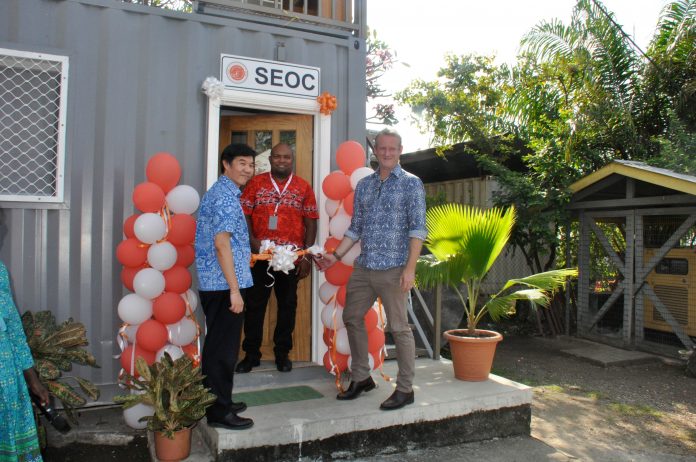
(from left to right) UNDP Deputy Resident Representative in Solomon Islands, Mr. Patrick Pee, SIEC CEO Anisi and H.E Rod Hilton cutting the ribbon to officially open the building.

By EDDIE OSIFELO

DONOR partners, including the Australian Department of Foreign Affairs and Trade (DFAT), the United Nations Development Programme (UNDP), and the European Union, officially handed over the Electoral Operation Centre to the Solomon Islands Electoral Commission (SIEC), yesterday. The ceremony took place at the SIEC Headquarters in Vavaya Ridge, Central Honiara.

Jasper Highwood Anisi, chief electoral officer, expressed his gratitude saying that this marked the culmination of years of friendship and partnership between SIEC, the Solomon Islands Government, and their supporting organisations. He emphasised the importance of these partnerships in upholding the nation’s democratic values.

The SIEC, established under the country’s Constitution, is responsible for conducting voter registration and elections. At the time of the handover, the SIEC was in the midst of an eight-day Nationwide Biometric Voter Registration Exercise, set to continue in three phases until the year’s end.

Anisi also announced preparations for the 2024 national general elections, including Provincial Assemblies, Honiara City Council, and the National Parliamentary Election. These elections will involve over 1000 polling stations across 50 constituencies, excluding Choiseul and Western Assemblies, which conducted their elections in 2022.

The newly established Operation Centre is set to play a vital role in collecting, storing, analyzing, and disseminating information related to the electoral process. It aims to facilitate real-time issue resolution at Voter Registration Centres and polling stations, ensuring the integrity of the electoral process.

Anisi further explained that the decision to relocate Voter Registration Centres to various constituencies was made to address cross-border issues and enable residents to register where they live or work for more than six months.

The Operation Centre operates under a set of standard operating procedures, with responsibilities that include handling emergency issues from Voter Registration Centres, receiving daily data updates from VRCs, and responding to on-ground issues and queries in real time. The centre is managed by the Operation Manager and his team, along with four field coordinators.

Guests at the handover ceremony included Rod Hilton, the Australian High Commissioner, Patrick Pee, Acting Deputy Resident Representative UNDP, and Michael Burke, Chief Technical Advisor of UNDP (SECSIP).

Communities in Small Malaita benefit from fish handling and preservation training

0
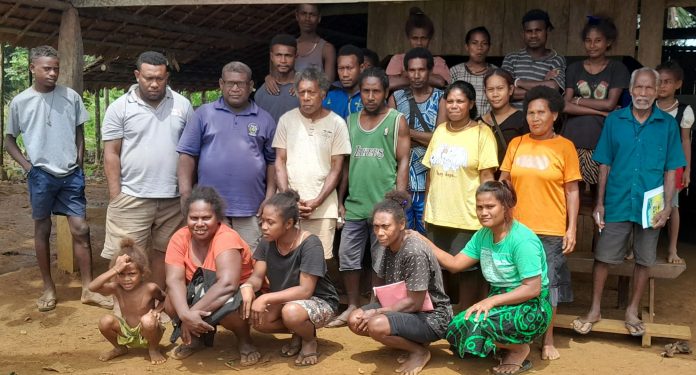
Group photo of one of the communities the training was held.

BY SAMIE WAIKORI

COMMUNITIES of Elliote and Siwapo in Small Malaita have benefited from a fish handling and preservation training held from August 20-21.

The training was conducted by Malaita provincial fisheries through Mekem Strong Solomon Islands Fisheries (MSSIF) and funded by World Vision Solomon Islands (WVIS).

Senior Malaita fisheries office, Mr Matthew Isihanua who facilitated the training said the training aimed to equip members of the communities with necessary skills and knowledge on fish processing.

He said this is by adding value to fish, which can then be sold as a finish product to support their small income generation in rural villages.

Isihanua said the training covered; fish handling and preservation, fish chilling, use of slurry at sea, fish quality identification, personal hygiene, fish fileting, packaging, value adding, food-borne illness and post-harvest losses.

He said the training started from how participants should prepare themselves; personal hygiene, fish identification, processing where value is added and packaging as a finish product.

Isihanua said this is what the training basically about and participants had achieved a lot from the training and ready to go into the business.

He said the participants expressed their glee for the privilege to undergo the training, which will help them in small business in their rural setting.

Isihanua said they thanked Malaita provincial fisheries office through MSSIF and WVSI for the training and look forward for more of such training.

He also thanked the participants from the two communities for time and efforts spent to be part of the training, which will impact their livelihood.

Isihanua said Malaita provincial fisheries office is keen to support the communities with the training, as part of their fisheries program for the province.

Grim status of health sector in Malaita province

0
Director of Malaita provincial health, Dr David Danitofea

BY SAMIE WAIKORI

MALAITA provincial health has recently shared some of the challenging setbacks they have been struggling with in the health sector.

The challenges cover almost all aspects of health in the province including human resources, health infrastructure like; clinics, staff house, sanitation, water, electricity and etc.

Speaking during a recent health workshop in Auki, Director of Malaita provincial health, Dr David Danitofea provided data on the current health status of the province.

He said the province has a total of 85 health facilities, two hospitals and three area health centres (AHCs).

Danitofea however said 54 percent of them are administered only by a registered nurse, 32 percent administered by more than one registered nurse while 12 percent have no nurse.

He said out of these health facilities; 55 percent have never been renovated in the past five years while 41 percent were renovated.

Danitofea said in terms of sanitation; 61 percent have toilets which include flush and open pits while 39 percent have no toilets.

He added, for staff houses, 75 percent of health facilities have staff houses, but not renovated in the past five years and 17 percent have no staff houses.

Danitofea said out of these staff houses, 43 percent have sanitation whilst 57 have no sanitation.

He said in terms of waste disposal, 94 percent of health facilities in the province have no incinerator. That means wastes are dispose by open burning.

Danitofea said these are some of the setbacks the provincial health is currently face and it needs to address to ensure quality health is provided to people.

He said majority of the population of Malaita is in rural areas and when face with these challenges it is indeed a setback for the provincial health.

POPULATION BOOM

0
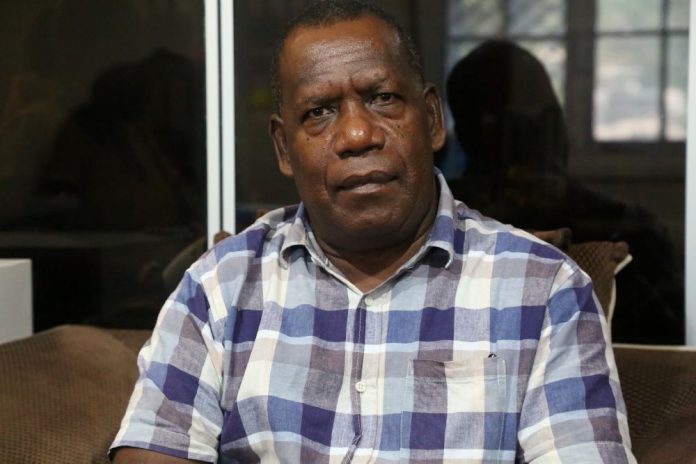
SIEC Chief Electoral Officer, Jasper Highwood Anisi.

Mysterious influx of cross-border arrivals sparks concern in East Guadalcanal

By EDDIE OSIFELO

In a perplexing turn of events, the East Guadalcanal Constituency is grappling with an unprecedented surge in cross-border arrivals.

Local reports suggest that thousands of individuals have entered the region in recent days, leaving authorities puzzled about the origins and motivations behind this influx.

The situation took a new twist as the LC Gulatata’e, a vessel previously associated with these border crossings, was reportedly preparing to set sail the previous night to East Guadalcanal Constituency. This development raises concerns about a potential second wave of arrivals, further exacerbating the chaos and instability already observed.

Questions abound regarding the source of these migrations. Population experts are skeptical that such a substantial increase in numbers—estimated to be between 3,000 to 5,000 people—could be attributed solely to natural growth over the past four years. Authorities are now striving to uncover the factors contributing to this phenomenon.

In the previous night, those who failed to cross earlier are said to be heading to East Guadalcanal on the LC Gulatata’e to complete their registration. Live information streaming indicates a logistical operation is underway, involving the loading of people, fuel drums, and cargo at Elite Shipping seafront near DC Park.

One of the central mysteries surrounding this situation is the funding behind these operations. Speculation is rife about whether it is part of a broader initiative, potentially involving external interests. The question of who is pouring resources into this registration process in East Guadalcanal remains unanswered, but it is a matter of significant concern.

Warnings have been issued to the cross-border arrivals, emphasizing potential repercussions if they continue to disregard advisories and enter East Guadalcanal Constituency over the next two weeks. The situation raises security concerns, prompting local law enforcement to remain vigilant.

As East Guadalcanal braces for the impending influx, there is a growing need for clarity and cooperation among authorities, community leaders, and relevant agencies. The impact of this sudden population surge on the region’s resources, infrastructure, and social stability is yet to be fully understood, making it imperative for a coordinated response to address the evolving situation.

Solomon Islands Electoral Commission (SIEC) Chief Electoral Officer, Jasper Highwood Anisi, has raised concerns about the ongoing issue of cross-border registration within the electoral system.

According to Anisi, even though there are provisions for individuals to register in multiple constituencies, the problem of cross-border voting remains a persistent challenge.

He elaborated, “If I go and register in Marovo, I am considered a cross-border registrant because I have no genuine connection to that specific constituency. What I emphasized earlier is that while one person can register in more than one constituency, the issue of cross-border voting continues to exist.”

Anisi emphasized the importance of genuine connections to a constituency. He stated, “If you are not related by blood and not residing there, technically, you are not eligible to vote in that constituency.”.

HCC appeals for public and business houses to support implementation of plastic ban

0
City Clerk for HCC Justus Denni.

BY NED GAGAHE

HONIARA City Clerk Justus Denni is urging the public and business houses to support implementing ministry, the Ministry of Environment, Climate Change, Disaster Management and Meteorology (MECDM) on the ban on single use of plastics in the country.

Mr. Denni said HCC has thrown its full support towards the initiative and pledge to work hand in hand with MECDM to ensure Solomon Islands is plastic free.

“It will be a long way for us to get rid of our rubbish within Honiara City.

“On our part we would like to ask business houses and people to respect and listen to government.

“And let us start not to use the plastics, I understand that enforcement commenced on the 1st of September 2023 but they are giving some grace period.   

“During this grace period let us think of alternatives to come up with and use

“We people to please change our attitude and behaviours when you go the market and shops try to bring your own bags. Let us all start this practise.

“We HCC are in support of this ban.” Mr. Denni said.

Handover for Multi-million Kukum-Henderson highway road upgrade project set for October

0
Japans Ambassador to Solomon Islands Yoshiaki Miwa.

BY NED GAGAHE

THE Japan’s funded multimillion dollar road upgrade project from Kukum to Henderson will be handed over to the Solomon Islands Government on 5th October 2023.

Japanese Ambassador to Solomon Islands His Excellency Miwa Yoshiaki announced this in a press conference last Friday.

Ambassador Miwa stressed that technically the road is complete and ready.

He adds that all works related to the project is expected to be ceased by Wednesday or Thursday this week.

“We are preparing for the handover ceremony on October 5th 2023.

“You are also invited to come and cover the event.” Excellency Miwa told local Journalist.

The Solomon Islands Government signed the grant agreement of $243 Million with the government of Japan way back in June 2021 to upgrade the main-road from Fishing Village to Honiara International Airport under the Kukum Highway Phase Two Project.

The contractor Kitano Construction Corporation began constructing the 6.3km road early in 2022.

The deadline for completion is June this year, however, the project fails to meet its deadline.

Meanwhile, many people have expressed appreciation that project is completed on time before the country host the Pacific Games in November this year.

SI Education Bill 2023 Undergoes Rigorous Scrutiny

0
Chairman of the Bills and Legislation Committee John Maneniaru

BY EDDIE OSIFELO

THE Bills and Legislation Committee (BLC) recently concluded a four-day inquiry into the Education Bill in collaboration with the Ministry of Education and Human Resources Development (MEHRD).

Chairman of the Bills and Legislation Committee, John Maneniaru, expressed his satisfaction with the progress made during the inquiry.

He underscored the bill’s importance and applauded the dedicated efforts of the MERD and legal experts who contributed to its drafting.

To ensure a comprehensive assessment of the Education Bill 2023, the BLC is extending its invitation to various stakeholders. Education Providers, School Boards, the HCC Education Authority, Principals, Head Teachers, Teachers, Students, Communities, and Families are encouraged to share their insights, knowledge, and experiences regarding this legislation.

They are expected to appear before the BLC this week.

The Education Bill 2023 is designed to modernize and streamline the administration and regulation of Early Childhood, Primary, and Secondary education. It includes provisions for the registration of teachers, education providers, schools, and Early Childhood Education (ECE) centers, effectively replacing the existing Education Act.

The development of the bill reflects an extensive consultation process involving numerous stakeholders, including the National Education Board, the Teaching Service Commission, Ministry of Public Service, Provincial Government Ministers and Secretaries, Chief Education Officers, and Provincial Education Officers. The resulting draft bill is a product of these consultations and comprehensive analysis.

The proposed education reform has garnered widespread support, with the draft bill submitted to the Attorney General’s Chambers in 2020. Subsequently, the Ministry has been diligently working on a range of supporting documents, such as regulations, the Education Funding Code, Administrative Instructions, Learning frameworks, and more, to facilitate the smooth implementation of the Act.

The new education framework emphasizes principles such as access, equity, accountability, equality of opportunity, partnerships, quality, and relevance.

The Bill grants greater autonomy to education providers and ECE centers to enhance their management capabilities.

Teacher management is significantly improved, with specific provisions for teacher registration and oversight by the Teaching Services Commission.

The legislation promotes a province-by-province approach to education, fostering collaboration among education providers within each province.

A comprehensive registration scheme is expanded to cover Education Providers, schools, ECE centers, and teachers.

Administrative Instructions will establish standards on various critical aspects, including child protection, gender equality, social inclusion, assessment, reporting, and other educational requirements.

The Bill introduces compulsory basic education and places a strong emphasis on transparency and accountability in government funding allocation to the education sector.

The Education Bill 2023 represents a substantial overhaul of the education system in the Solomon Islands, aimed at bringing it in line with modern standards while prioritizing fairness, transparency, and educational quality.