BY JOHN HOUANIHAU
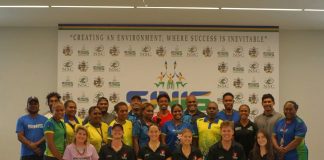
The Director of Culture at the Ministry of Culture and Tourism, Dennis Marita, says the National Panpipe Festival (NATPAN) is designed not only to celebrate culture but also to ensure that benefits from the event are shared among local communities.
Mr Marita made the remarks when responding to questions about accommodation arrangements for visiting panpipe groups from the provinces who will participate in the upcoming festival, scheduled to take place from July 1 to 5.
“We want to ensure that the benefits are distributed to communities. That is why, during previous festivals, we used schools as accommodation venues because schools are community infrastructure, and whatever support we provide goes back to the school,” said Mr Marita, who is also Chair of the NATPAN organising committee.
He said the Culture Division has adopted a different approach this year by arranging for visiting performers to stay with relatives and host families in Honiara.
“This time, we are helping individual families and community members to accommodate the groups. We will assist with utilities such as water, electricity and food. It is a way of sharing the benefits of the festival with the community,” he said.
Mr Marita noted that it would be beneficial in the future to establish a dedicated accommodation facility for festival participants if suitable land becomes available in Honiara.
“However, for now, we would like the benefits from the event to flow directly to communities through accommodation arrangements,” he added.
The director said this year’s event will be the third National Panpipe Festival to be held in Solomon Islands.
He explained that NATPAN was first launched in 2017 and held again in 2019 before being suspended due to the COVID-19 pandemic and preparations for the Pacific Games.
According to Mr Marita, the festival aims to celebrate the country’s rich cultural diversity while promoting the preservation of traditional bamboo music practices across the provinces.
The Ministry expects around 40 performing groups to participate, including traditional panpipe ensembles, cultural dance groups, solo artists and contemporary bands that incorporate panpipe music into their performances.
For feedback, contact: [email protected]
Editor: [email protected]