BY JUNELYN KELLY
Communities across Western and Choiseul provinces are facing hardship following Tropical Cyclone Maila, with children among the most affected.
The cyclone caused widespread destruction to homes, schools, health clinics, and water systems, disrupting essential services that families rely on for safety, education, and healthcare. This was highlighted in a press statement issued by Save the Children on April 19, 2026.
In an interview, Fredrick Seni, Solomon Islands TC Maila Response lead, said many families have lost their gardens and livelihoods, raising urgent concerns about food security, particularly for young children, pregnant and breastfeeding women, and people with disabilities.
Mr Seni said the worst affected areas include remote island communities such as Simbo, Ranongga, and Vella La Vella, where access to basic services is already limited, making recovery efforts more challenging.
“Children are bearing the greatest impact, alongside other vulnerable groups including mothers, pregnant women, and people with disabilities,” he said.
He added that many families are currently sheltering in temporary locations such as church halls, where access to safe water, sanitation, privacy, and protection services remains limited.
Following the official disaster declaration on April 10, Save the Children began its emergency response within 24 hours, deploying staff and activating provincial teams.
Response teams are working closely with Provincial Emergency Operations Centres in Gizo and Taro to coordinate relief efforts. Activities include rapid child-focused assessments, support for initial damage assessments, and the distribution of essential non-food items in affected areas. Additional personnel have also been deployed from Honiara to strengthen operations on the ground.
Despite the cyclone having passed, risks remain high. Damaged infrastructure, unsafe water sources, and disrupted health services are increasing the likelihood of disease outbreaks, injuries, and protection concerns. Ensuring children’s safety and wellbeing remains a top priority during the recovery phase.
As assessments continue, humanitarian partners are preparing to scale up assistance, including child protection services, education support, and targeted aid for the most vulnerable households.
Save the Children is also calling for public support and flexible funding to sustain and expand lifesaving efforts in the weeks and months ahead.
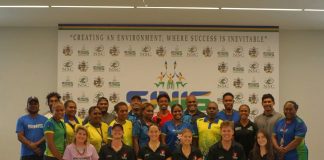
Photo credit: Annex
For feedback, contact: [email protected]
Editor: [email protected]