Home Blog Page 187

TOUGH YEAR

0
  • Public Expenditure Committee hampered by funding and quorum challenges

BY JOHN HOUANIHAU

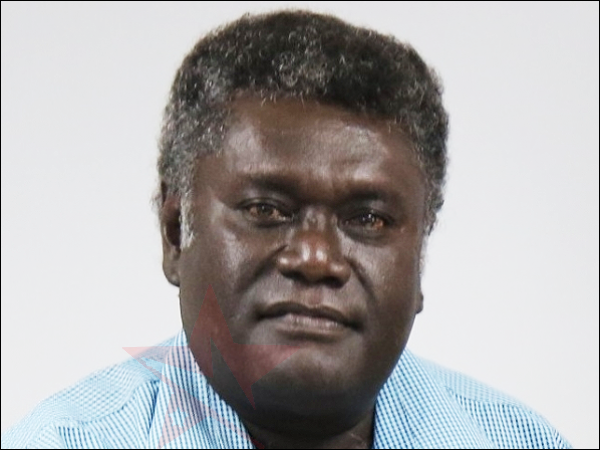
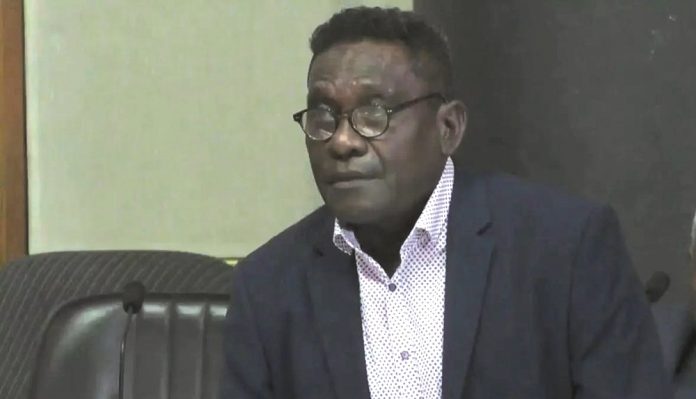
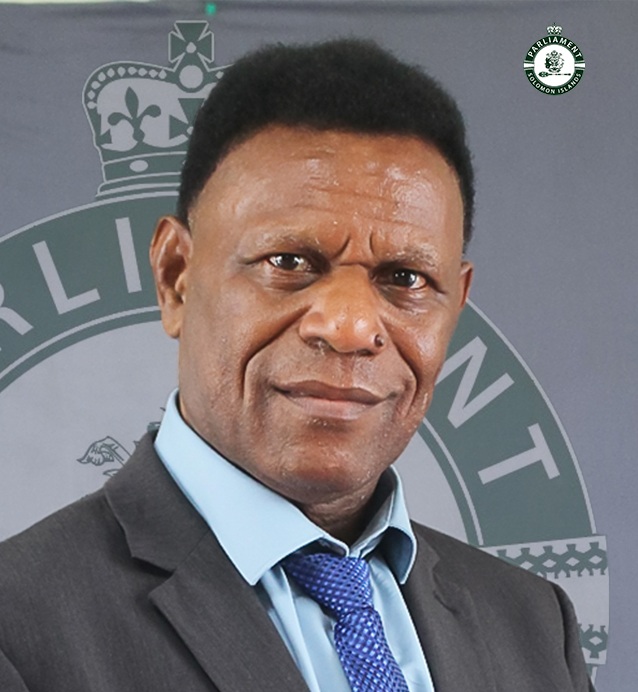
CHAIRMAN of the Public Expenditure Committee (PEC) and Member of Parliament for East Central Guadalcanal Constituency, Lazarus Alfred Rina, says 2025 has been a challenging year for the committee due to persistent resource and operational constraints.

Speaking on the floor of Parliament last week, he said the committee continues to operate with limited financial resources, which has affected its ability to conduct thorough investigations and effectively carry out its oversight role.

“This year, indeed, was a very challenging year for the Public Expenditure Committee. Some of the challenges we were faced with were issues of quorum during committee meetings, lateness to meetings, and budget constraints,” Rina said.

He explained that inadequate funding has restricted the committee’s ability to engage consultants, provide training for members and staff, and access modern data analysis tools.

“As a result, the committee is forced to prioritise only a few cases, even when many issues require examination,” he said.

Rina reminded Parliament that under Standing Order 71F, the Public Expenditure Committee is mandated to review budget expenditure and make observations and recommendations arising from its deliberations.

“In line with this mandate, the committee resolved on 24 February 2025 to conduct budget reviews for the 2025 financial year, as well as for the third and fourth quarters of 2024. This inquiry is ongoing,” he said.

He added that the committee has already conducted hearings with officials from the Ministry of Education and Human Resources Development and will continue with other ministries next year.

Rina said the inquiry is critical to ensuring transparency and accountability in the management of public funds.

“This is important for Solomon Islands, as people need to know how budget allocations are being spent to ensure public resources are used effectively for the benefit of our citizens,” he said.

He said that budget constraints have long been a recurring issue affecting parliamentary committees in the execution of their oversight responsibilities.

“I recommend that Parliament be allocated sufficient financial and human resources to enable committees to effectively carry out their oversight role,” Rina said.

Photo: Supplied

For feedback, contact: [email protected]

Star Harbour communities face the brunt of Sea Level Rise

0

BY MORRIS NAFU

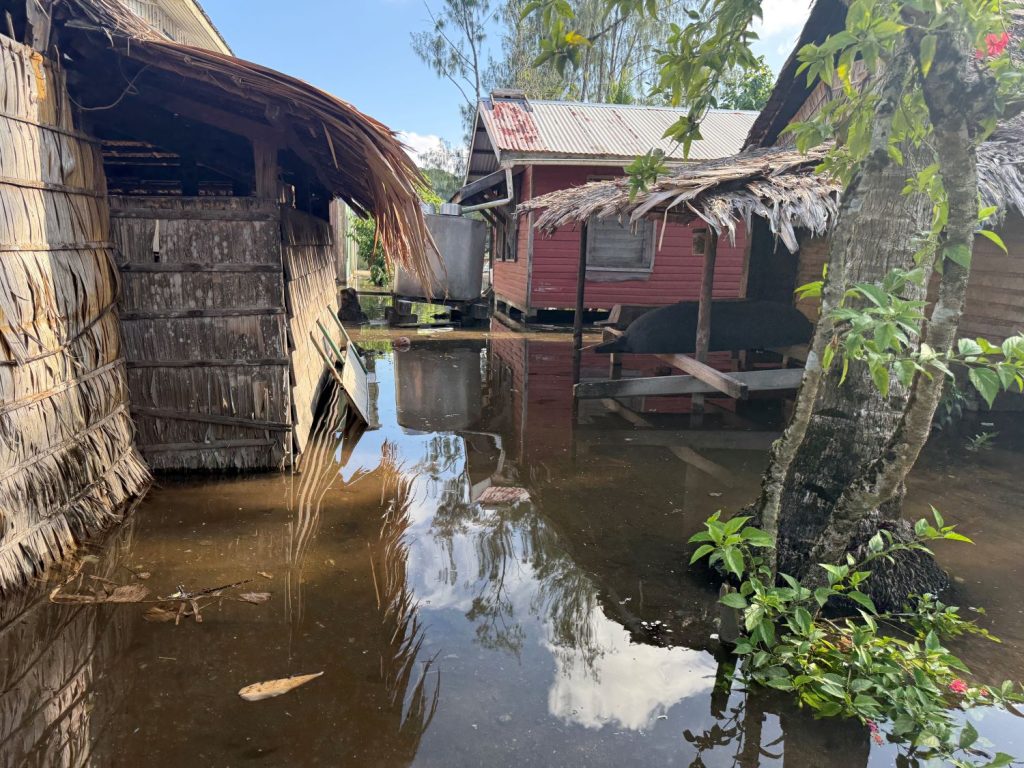
IN the peaceful yet vulnerable coastal shores of Star Harbour, the relentless march of climate change is rewriting the landscape and the lives of its people.

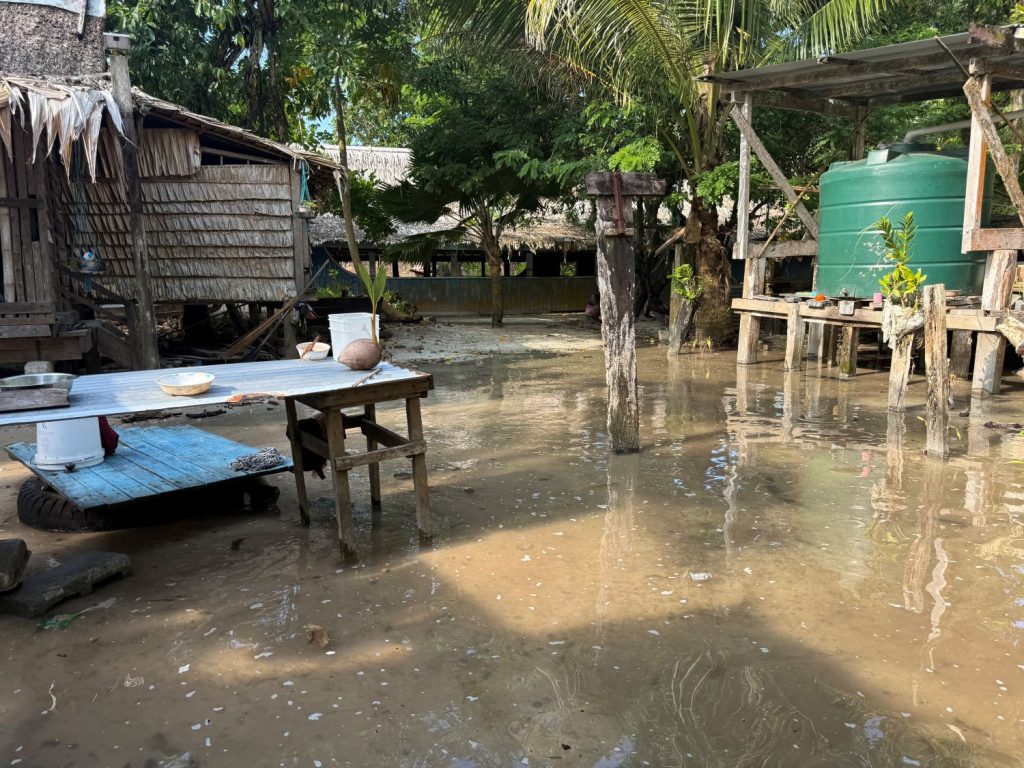
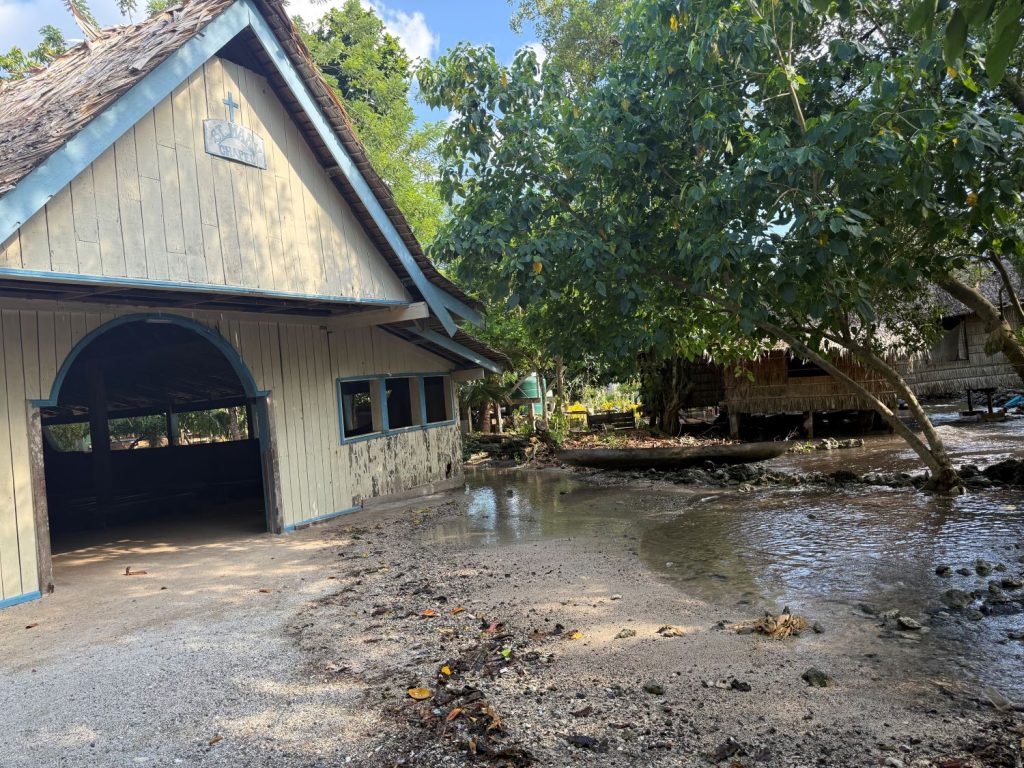
Low-lying communities like Namamaru are grappling with accelerating sea level rise, a phenomenon that has escalated dramatically in recent years, turning once-stable shores into battlegrounds against the intruding tides.

For decades, these communities have been a wall-hanging of lush mangroves, fertile swamps, and resilient villages.

But as global temperatures climb and polar ice melts, the sea is rising faster than ever, posing an existential threat.

Coastal erosion, once a minor concern, is now a daily reality, with visible scars creeping deeper into the land each year.

Residents report that the changes began intensifying around 2015, with tides surging higher and more frequently, forcing families to abandon homes and relocate inland.

Located next to the Namuga sub-station, Namamaru represents this plight.

The community, with its sparse mangrove defenses, has tried to fortify against the waves by constructing stone sea walls.

Yet, these barriers stand no match for the relentless force of the rising seas, which crash in with unyielding power.

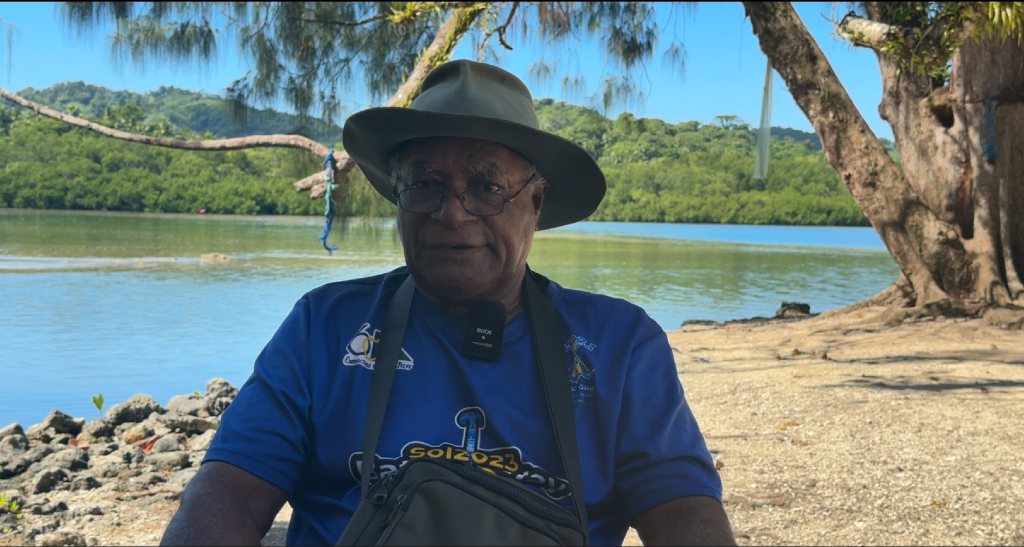
“We attempt to build sea walls to protect our houses, but that does not match the flow of the sea coming into our village,” says Alfred Murray, a respected community elder.

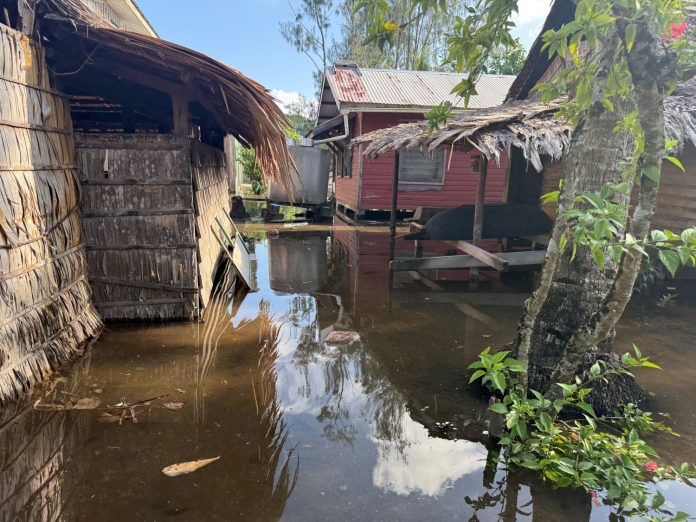
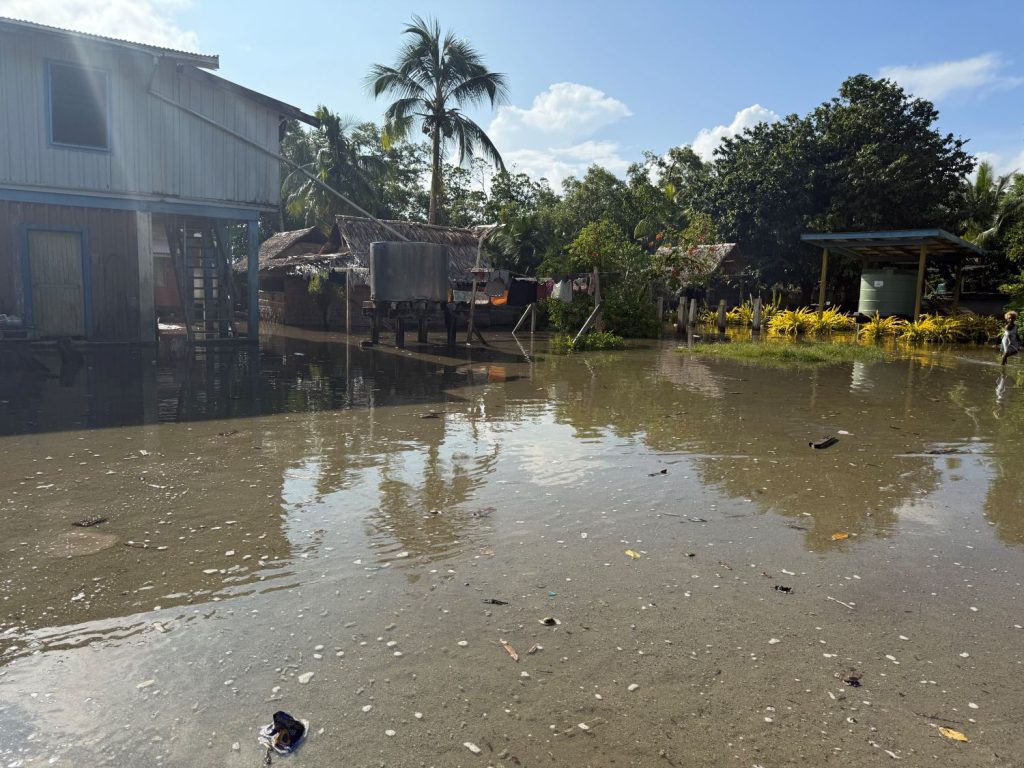
“At first, we don’t usually experience this kind of high tides, but as years pass, it’s now getting normal to see high tides flowing right across the village, even reaching 30 to 40 centimetres high in the middle of the village.

“It’s something we don’t experience before.

“Sea level rise is not only our community issue but a global issue that affects people worldwide, especially for low-lying communities and islands.

“For us here in Namamaru, we are badly affected by this ongoing issue,” he said.

Looking ahead, Murray expresses grave concern of which is, without intervention, most communities, including Namamaru, could be washed away in as little as in the next 10 to 20 years.

The consequences extend beyond eroded shorelines and flooded homes.

As islands within the peninsula vanish and coastlines reshape, the very fabric of life is unravelling.

Food security, a cornerstone of Star Harbour’s culture and survival, is also under threat.

Swamp taro, known locally as “kakake”, has long been a lifeline—providing food during lean times between harvests and serving as a key ingredient in traditional feasts like the renowned Makira pudding, a staple for feasts and festivities.

But saltwater intrusion is poisoning these vital crops. Farmers in low-lying swamps are witnessing a sharp decline in yields, with kakake plants producing smaller, less abundant fruits.

“We are now starting to experience low production of kakake as it is really affected by salt water, causing them to produce small portions of fruits compared to before,” explains Festus Fagatangi, a concerned farmer whose livelihood depends on the crop.

The impact is profound; what was once a reliable food source is declining, worsening vulnerabilities in an already risky existence.

People may debate the scale of sea level rise in distant boardrooms, but for those in Star Harbour, it’s a life-threatening matter.

Homes are eroding, livelihoods are vanishing, and the ocean’s advance shows no signs of retreat.

 As Murray puts it, “Our homes are now slowly eroding away, and that puts our lives at risk”.

The call is clear: urgent action is needed to mitigate this threat, from global emissions reductions to localized adaptations like mangrove restoration and resilient infrastructure.

In the face of such upheaval, the resilience of Star Harbour’s people shines through. Yet, without concerted efforts, the rising tides may soon claim more than just land—they may erase entire communities from the map.

*Reporting for this story was supported by Pacific Media Assistance Scheme (PACMAS)

For feedback, contact: [email protected]

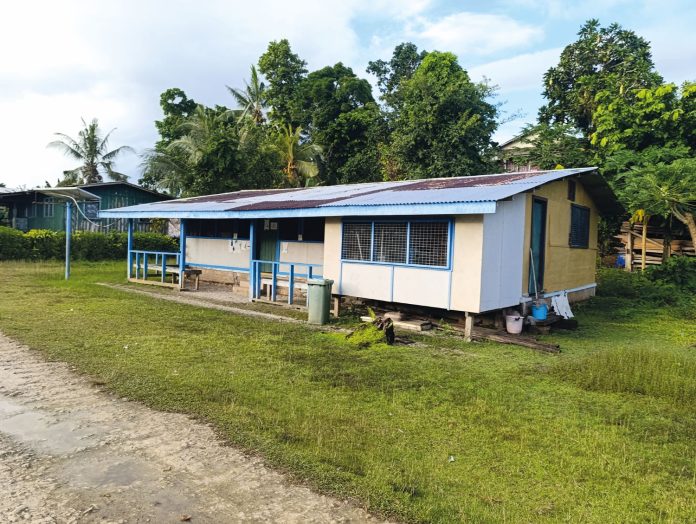
Kiu village with long-standing health and sanitation challenges

0

By RODRICK DESURI 

Auki 

Kiu village in West Are’are, Malaita province is a thriving rural community but with one long-standing problem – struggling health and sanitation service.

The health of the large population living in the rural areas of Kiu village is still at risk. 

Built in the 1970s, the clinic is deteriorating as the population grows faster and ages. 

The space of the entire building is the main constraint faced by the two nurses serving at the clinic. 

Overcrowding of patients, access to clean water and sanitation, transport access for emergency cases, and community support are challenges faced by the clinic. 

One of the nurses, Mavis Surutaro, a registered nurse who has served at the clinic since last year, describes the current situation as very hard, challenging, and in need of intervention by the health authority as soon as possible. 

She stressed that space in the clinic is limited thus, they have come across challenging times when attending to patients.

“Here at the clinic, the space is limited.

“The antenatal room, admission room, store room, dressing room, and even the outpatient area, all need space.

“Challenging times that we have experienced are when there are many patients. For example, if we have three mothers in the antenatal room plus two other patients being admitted at the same time, we can hardly put them in one room because of customs, but the two patients will be placed in the outpatient area,” she said. 

Another challenge the clinic faces is access to clean water for sterilisation and essential uses.

“There is no water connection to this clinic. Whenever we need water, we use a bucket to get water from the community tap. Sometimes, we wash our used tools and stained items at the tap. 

“This is not safe for the whole community.

Meanwhile, sanitation poses as another issue patients face when they go to the clinic.

“Sanitation is also a challenge that patients are facing.

“We don’t have a toilet and shower room here at the clinic. Whenever our patients need to relieve themselves, they have to go along the coastal seaside, which is also not safe for women, especially during the daytime, and for older people,” she explained. 

Community support is another challenge. 

Many notices and appeals have been made to community members to complete the new clinic staff house and to conduct a general clean-up around the clinic boundaries, but these have fallen on deaf ears. 

“As a result, our staff house is not progressing, and the clinic’s surroundings are still overgrown with bushes,” she said. 

Surutaro emphasised that, before the clinic becomes a meaningful place for survival, Kiu community itself needs to show their commitment before the health authorities, like Kilu’ufi Hospital and the responsible Ministry, can support the clinic.

The population of Kiu village is roughly 1,000 to 2,000 people. About half of the mature population have lived and worked in government ministries, abroad, and even own private businesses in the country.

*Reporting for this story was supported by Pacific Media Assistance Scheme (PACMAS)

For feedback, contact: [email protected]
Kiu village enjoys strong cash flow

0

By RODRICK DESURI 

Auki 

Like many rural villages in Malaita Province, Kiu village has been badly affected by economic challenges.

However, with resilience and headstrong determination by community members to flourish, Kiu continues to expand its cash flow position, becoming stronger. 

Situated between two main rivers in West Are’are, the Siwa River marks the southern border of East and West Are’are, while the Wairaha River forms the northern border with West Kwaio and West Are’are. The total population of Kiu village is about 1,000 people. 

The selling of copra, cocoa, virgin oil, a weekly vessel route to their location, and remittances from their Australia-based seasonal workers is what helps to bring new cash into the village and strengthen cash flow in the community. 

The cash flow in Kiu village can be traced each day by how often people make payment transactions for whatever sort of food is sold, which can be finished in just a few hours.

A village elder, a pastor, and former police officer, Steven Nouka, stressed that strong cash flow in Kiu village is a blessing for them.

He stated that every day is the same; people pay for food in the market, in the canteens, for household tools and equipment, and even for labor.

“It’s like a blessing for us, the people of Kiu. We don’t know how we get money, but I can see through how people buy food and other stuff is ridiculous. Every day, people make payment transactions for food in the local markets and in the stores,” he said.

The same sentiment was also echoed by 70-year-old David Rikihanua, a former planner and canteen owner in Kiu.

His experience of earning $1,000 per day is the reason behind his statement that Kiu has a strong cash flow.

He continued that the lowest he can earn is $400 to $500 per day.

“All I can say is that Kiu village has a strong cash flow.

“This is because, as the owner of the canteen here, I have experienced that I can earn $1,000 per day, and $400 to $500 on my bad luck days. This means that I might open just for half a day,” he said with a smile.

When asked what commodities and other items can bring cash into their village, he said that copra, cocoa, and marketing during the weekly vessels’ stopover at Kiu port brings in new cash.

“I am a copra buyer, and I usually buy between $10,000 and $20,000 worth of it. So, I know our people here have more money.

“In addition to that, we have the weekly route of vessels like the Express Pelican. It is time for our people to prepare their food and other sellable items.

“Not only the Express Pelican, but we also have Gulatatae and Taimareho,” he said.

A young female, Stalla also relies on the shipping schedules to earn income for her family, especially when people come over from ships.

Her produce is usually sold out when ships come to Kiu port; helping her to earn money and pay for essentials for her family.

“During times when ships stop over here, it is the only time that we can sell our produce and earn income to support our families. So, we are very happy to earn income every week. Any food, like cake and pudding, will be paid for,” she said.

Most villagers also voiced that their village is not like other rural communities where market products are left unsold.

*Reporting for this story was supported by Pacific Media Assistance Scheme (PACMAS)

For feedback, contact: [email protected]
NATIONAL CONCERN

0

MP Douglas raises the Methamphetamine problem in parliament, calling for mandatory testing

BY JOHN HOUANIHAU

Choylin Yim Douglas, Member of Parliament (MP) for Ngella Constituency, Central Province, has voiced support for mandatory testing to tackle the rising Methamphetamine problem in the country.

She said Members of Parliament are well aware that the Methamphetamine drug is a threat to national security.

Douglas raised the issue of drugs on the floor of parliament when she delivered her speech during the Sina Die Motion on Wednesday this week.

“I want to raise a national concern that threatens the well-being of our people, the integrity of our institutions, and the future of our country. The rise of Methamphetamine and other hard drugs in the various communities.

“This honourable house knows well that Methamphetamine is not just a criminal issue but is one of the national security threats, one of the health crises, and a direct attack on the moral fabric of our society,” she said.

Douglas said the integrity of the public service must be protected to save Solomon Islands from dangerous drugs.

“If we want to protect our nation, we must start by protecting the integrity of our public service,” she said.

Douglas strongly supports and calls for mandatory drug testing for all public servants, including those in leadership, frontline service and enforcement agencies.

“I believe that cleaning the public service is important to protect public trust, make ethical decision-making, strengthen accountability, and show a good example to our people,” she said.

Douglas also called for strengthening of laws to ensure drug traffickers, manufacturers, and distributors face penalties that match the seriousness of the crime they commit.

“Methamphetamine damages families, weakens communities and kills national productivity. We must not allow this poison to take Solomon Islands, where we call home,” she said.

Douglas said efforts must be made to promote a positive mindset in the public service, one that stands on discipline, integrity, patriotism, and service to others.

“A strong nation doesn’t build on strong law and enforcement, but on character and the value of its people as well,” she said.

Photo: Supplied

For feedback, contact: [email protected]
Unexpected phone wins for survey participants

0

SYLVANA TEKUMAHA

Ten participants were awarded mobile phones through a raffle draw for the Opinion Survey 2025 during the Energy Opinion Survey Closing at Pacific Crown Hotel yesterday.

The Ministry of Mines and Energy (MMRE) and UNDP led the Energy Opinion Survey 2025 with the aim to help the government and Development Partners plan better energy reforms for communities.

According to figures provided, around 12,000 plus Solomon Islanders participated in the Energy Opinion Survey this year.

The goal however was to reach 100,000 respondents.

Speaking to Island Sun during the closing John Goodwill Manakako, one of the awardees from West Guadalcanal said he saw the survey through SMS survey and took the online survey.

“After participating I look forward to reaching out to more respondents because UNDP has given us the opportunity to be Ambassadors. If we have more respondents to the questions in the online survey form, it will help our communities develop because we are now living in a modernised world and electricity is crucial,” he said.

Participants who completed the Energy Opinion Survey 2025 and voluntarily submitted their mobile numbers were automatically entered into the raffle draw. Each eligible entry received a unique raffle ID generated by the system.

The draw was held on Tuesday in the presence of Supervising Assistant Commissioner Provincial Policing, Tex Tafoa to ensure transparency and credibility. Selected winners were verified against the original data survey before being contacted.

For feedback, contact: [email protected]
2026 budget must be guided by realism, responsibility, impact: Tanangada

0

BY LORETTA B MANELE

The Minister for Police, National Security and Correctional Services, Jimson Tanangada has said the 2026 budget must be guided by realism, responsibility and impact.

He pointed this out on Wednesday, Dec 17 whilst speaking on the final day of the Sine Die Motion in parliament.

Tanangada said it is their mandate to ensure that they implement the budget truthfully to achieve the anticipated outcomes they have.

“To ensure that it must uplift communities, strengthen justice and build capacity, not only for this generation but future generations,” he said.

The Member of Parliament for Gizo/Kolombangara highlighted that the Ministry of Finance and Ministry of Planning as their duly responsibilities, will secure resources, ensure debt sustainability and align financing with national priorities. 

He however, also raised that responsibility cannot stop at mobilisation.

“I therefore call on government secretaries, accounting officers and heads of government agencies to take full ownership of implementation.

“Without disciplined execution, a budget may remain unclear and not progress,” Tanangada said.

He stressed that the 2026 budget must translate policy into tangible services.

On this note, Tanangada said they must ensure there are classrooms in rural villages, functioning health clinics with medicines, cleaner roads and jetties, market access for fisheries and farmers, electricity and water for our households, police presence in high crime areas, extension of police stations and outposts, efficient justice delivery and jobs for our youths.

He added that these are areas they anticipate the 2026 budget to achieve.

Tanangada said this is the responsibility that lies heavy on the shoulders of all the important people who are members of public servants, staff of permanent secretaries, heads of departments and heads of government agencies.

“This is not optional.

“It is the critical mission of this government and everyone is responsible to ensure that they implement the tasks that rest their shoulders,” he said.

Tanangada also stated that the ASEAN Development Bank has been projecting growth to accelerate in 2026, supported by mining, fisheries and construction.

He said the World Bank focused on stronger activity in agriculture, tourism and infrastructure of which could reduce poverty and improve living standards.

Tanangada added that this is reflected in the 2026 budget including the support of our development partners.

The Minister for Police furthered noted that success will depend on inclusive implementation.

“If we measure progress only in urban centres, we fail the majority in villages and outer islands. Therefore, the true test of the 2026 budget will be that change is delivered to the poor, vulnerable and marginalised,” he said.

For feedback, contact: [email protected]
‘Health budget appears large, structure tells different story’

0

BY JOHN HOUANIHAU

While the Health budget appears large, its structure tells a different story, says Member of Parliament (MP) for South New Georgia/Rendova- Tetepare Constituency, David Gina.

Sharing this concern during the Sine Die Motion in parliament on Wednesday this week, he stressed that clinics remain without reliable buildings, staff housing, or medicines despite the government prioritising public health.

“This does not deliver care; they deliver transmissions,” he said.

Gina said public health infrastructure determines whether services work in practice and not just on paper.

“Total funding stands at around 700 million in 2025 and rises to about 852 million in 2026. Yet, Public Accounts Committee analysis shows that only about 8.1 percent of the allocation for development with more than 91percent absorbed by recurrent costs. This sits outside the stated policy model of an 80-20 ratio balance and civil limits of pace of infrastructure delivery,” he said.

Gina said that even the small development shares are not fully translated into results.

“Development execution stands at around 44 percent compared to 77 percent for recurrent spending and 78 percent for donor-funded programmes. This explains why long lists of promised clinics co-exist with communities still waiting for completed facilities,” he said.

Gina said it is important to recognise achievements, noting that the first major increase in many years was the $125 million funding for the national medical stores to increase and help stabilise medicine and drug supplies.

“Six primary health care facilities; Dedeo, Konide, Wagina, Leona, Tukutaunga and Kwantai have been completed and handed over. The development portfolio now includes 10 new rural health clinics; showing progress where funding and execution align. I must congratulate the Minister for Health for a job well done,” Gina said.

He also raised that sanitation and drainage failures in Honiara feed directly into disease and hospital pressure.

“Weak development funding across government means this problem continues to land at the doors of the health system. Absence of public amenities in Honiara and provincial centres is not only a public health risk, but also an impact on our visitors and tourists,” he said.

Gina warns that public health requires discipline to lift development investment, improve delivery, align infrastructure, workforce, and the supply system and cannot run on recurring spending alone.

For feedback, contact: [email protected]
Lilo calls for review of land ownership, capital gains tax in Honiara

0

BY NED GAGAHE

MEMBER of Parliament for Central Honiara, Gordon Darcy Lilo, has called on the government to review land ownership arrangements in the capital, warning that high-value land and property assets are increasingly concentrated in the hands of a few entities.

Speaking in Parliament on Tuesday this week during the Sine Die Motion, he said while he welcomed investments in urban infrastructure and social services, land ownership in Honiara remains a major concern.

“I am quite pleased with what we are being given for infrastructure development and other amenities in the urban centres, including improvements in the health sector,” Lilo said.

He said the growing population in Honiara made it necessary for the government to pay closer attention to land issues in the capital.

“I would like to talk about land. Minister, take a look at land in Honiara. You will find that in many ways, land from Henderson to White River is in the hands of one or a few entities,” he said.

Lilo said Fixed Term Estates (FTEs) in Honiara were also largely controlled by a small number of interests, and urged the government to investigate the concentration of ownership of what he described as high-value national assets.

“Let us find out where the concentration of these high-value assets of our country is vested, and by whom. Minister, you will find it shocking,” he said.

Lilo said land and properties along the stretch from Henderson to the Central Business District, including former Levers Solomons Limited properties, as examples.

“We are not jealous of them, but this is where the concentration of power in the urban centre lies,” he said.

The Central Honiara MP also raised concerns about the country’s taxation framework, arguing that it focuses too heavily on income tax while ignoring capital gains.

“This is why I talk about capital gains. The main thrust of our taxation system is on income. It is not on capital gains,” he said, calling on the Minister of Finance to consider reforms in this area.

Lilo said most of the country’s high-value assets are located in Honiara in the form of property and real estate, rather than in the provinces.

He pointed to regional examples, saying that in countries such as Tonga, land is vested in the state, while Fiji has strict land regulations.

For feedback, contact: [email protected]
‘2026 national budget inclusive’

0

BY JOHN HOUANIHAU

Inclusivity and resilience are key pillars of the 2026 budget, said Rexon Ramofafia, Minister for Finance and Treasury.

Speaking in parliament during the Sine Die motion on Wednesday he said the budget seeks to ensure development benefits and services are equitable across the provinces.

Ramofafia said the government is fully aware that the credibility of the budget rests not only on formulation but on effective execution.

He said that capacity building remains a critical enabler of effective budget implementation.

Ramofafia also stated that the budget has been carefully designed to promote sustainable and inclusive economic growth, recognising the need to balance physical responsibility with developmental imperatives.

“It seeks to expand in areas that can create growth, employment and important services that we are to deliver to our people,” he said.

Ramofafia said the government’s strategy for budget implementation is anchored on prudent fiscal rules, a strengthened public financial management system and strict adherence to appropriation.

“The PAC committee has demonstrated its crucial role through its independent and provisional scrutiny of the budget. The examination of allocation, fiscal assumptions and implementation framework has enhanced transparency, accountability and fiscal discipline,” he said.

Ramofafia added that his ministry will continue to prioritise the timely and predictable release of funds to ministries and agencies in line with cash management plans and fiscal targets.

“The government will continue to invest in strengthening institutional capacity across public service, in areas such as planning, budgeting, procurement, financial management and project implementation and reporting. These efforts are essential to improve efficiency, accountability and service delivery outcomes.

“Our target for early 2026 is to secure funds to implement the budget early. From our timetable and budget, we are targeting rollover of $170 million. Of course, we target more than that to secure funding, especially in our domestic borrowing areas, as much as possible. Work on that has already started,” he said.

Ramofafia said the successful delivery of the 2026 budget and national priority is a shared responsibility.

“I wish to reaffirm my ministry’s commitment to upholding the trust placed in us by Parliament and our people to manage the country’s finances with integrity, transparency and discipline, guided by principles of accountability and service to our people,” he said.

For feedback, contact: [email protected]