BY SAMIE WAIKORI
Santa Cruz Island in Temotu Province holds a profound place in the history of the Solomon Islands. It is the island that hosted the first recorded foreign visitors to the country.
In 1568, Spanish explorer, Álvaro de Mendaña became the first European to discover the Solomon Islands. This discovery marked the beginning of centuries of European contact with the archipelago.
During his voyage, Mendaña reported finding gold on one of the islands, leading him to believe he had discovered the legendary riches of King Solomon.
In 1595, Mendaña returned to the Solomon Islands and established a settlement at Graciosa Bay on Santa Cruz Island. He later died there, making the island an important site in early Pacific exploration history.
Evidence of Mendaña’s settlement can still be seen today. Corroded iron remnants of the centuries-old wharf he built in Graciosa Bay remain visible. Additionally, descendants of the fowls (chickens) he brought with him during his return voyage are still found on the island.
Santa Cruz Island does not only preserve this significant chapter of history; it also represents the gateway through which the Solomon Islands were first opened to the outside world, eventually leading to contact, change, and modernization.
However, this piece of history appears to have received little recognition, as reflected in the ongoing development challenges faced by Santa Cruz Island and Temotu Province.
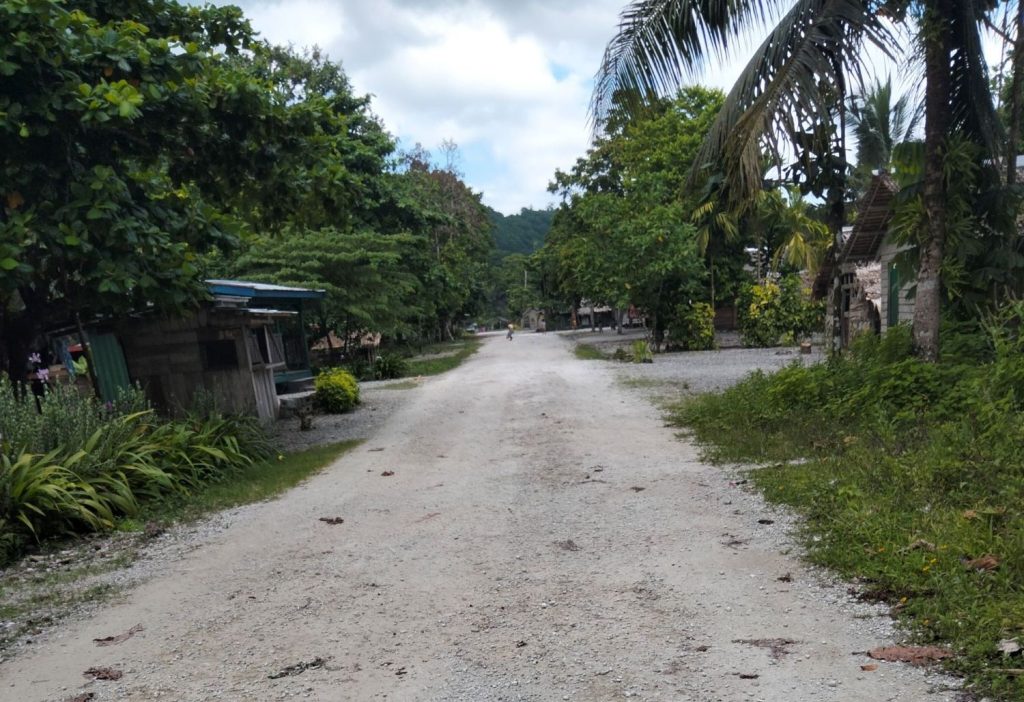
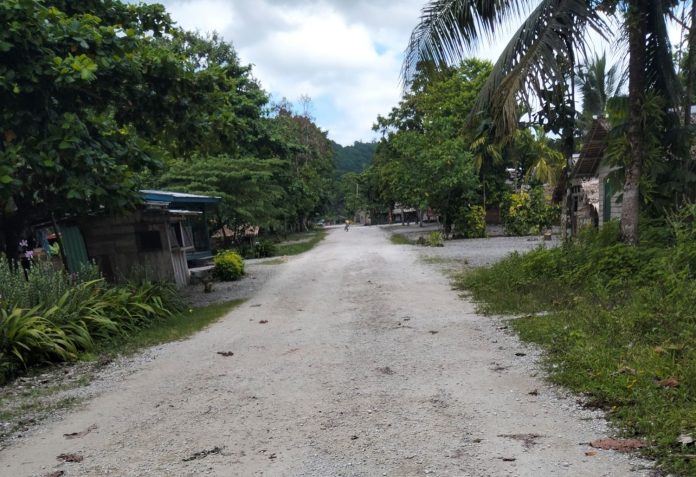
As observed—and as acknowledged by rural Temotu residents and leaders—the province remains among the least developed in the country.
George Mepirke, an elder from Nou Village, says the province continues to face significant development challenges, particularly in infrastructure.
In a developing country like the Solomon Islands, he said infrastructure is key to unlocking development and improving the delivery of basic services.
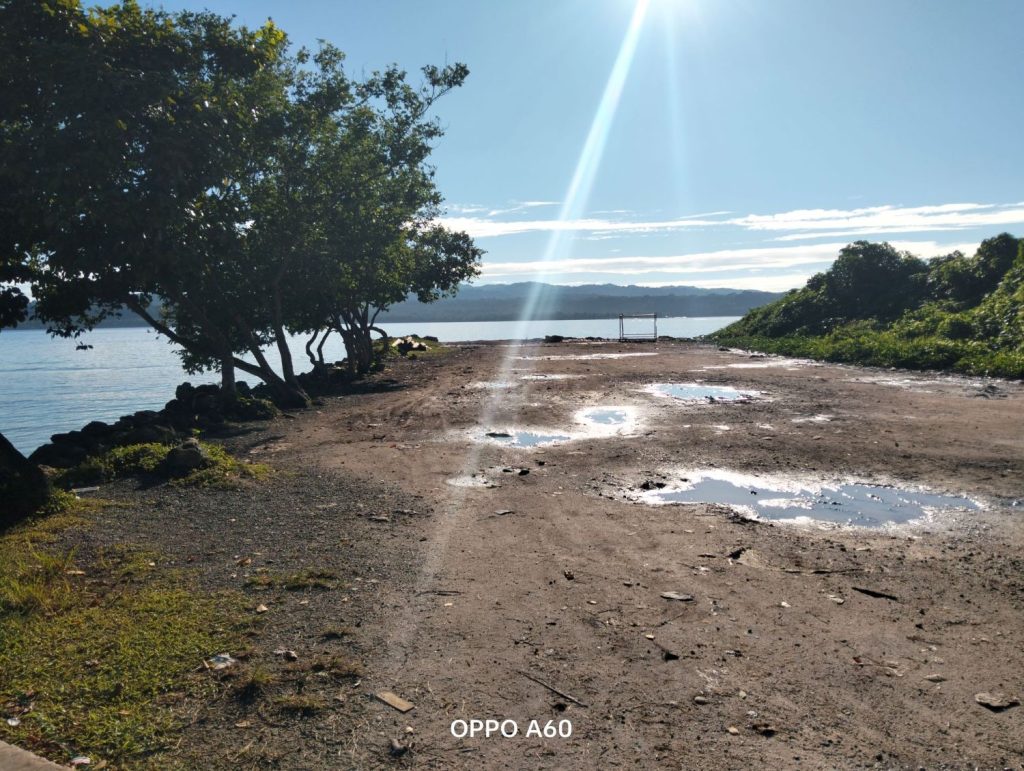
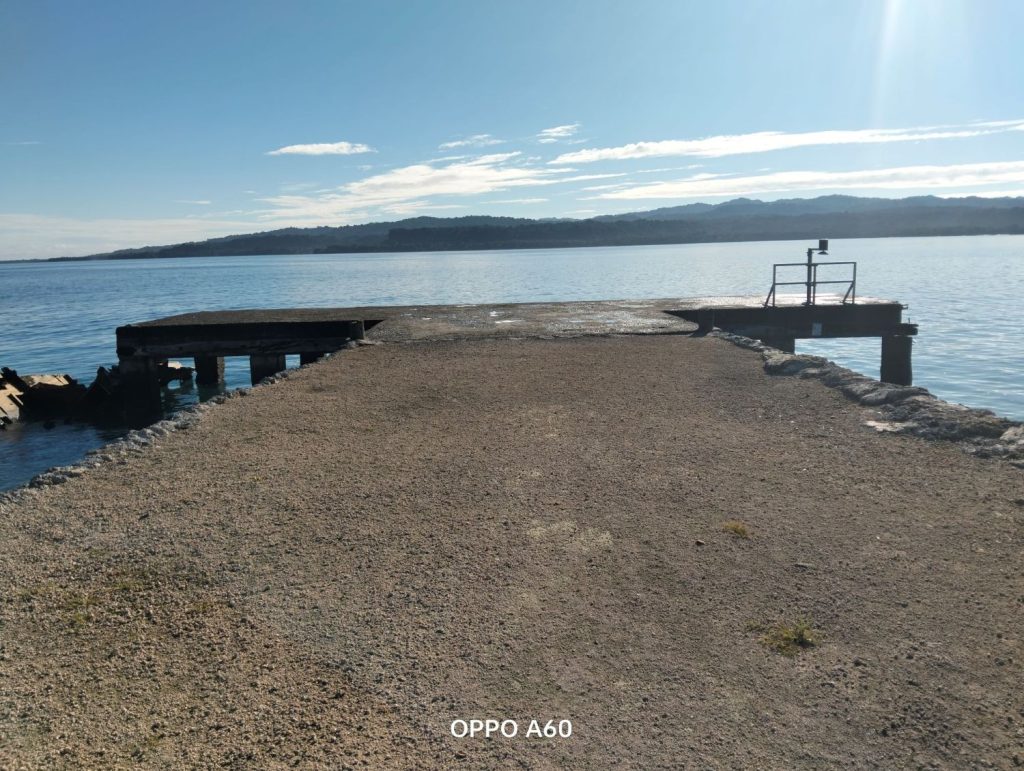
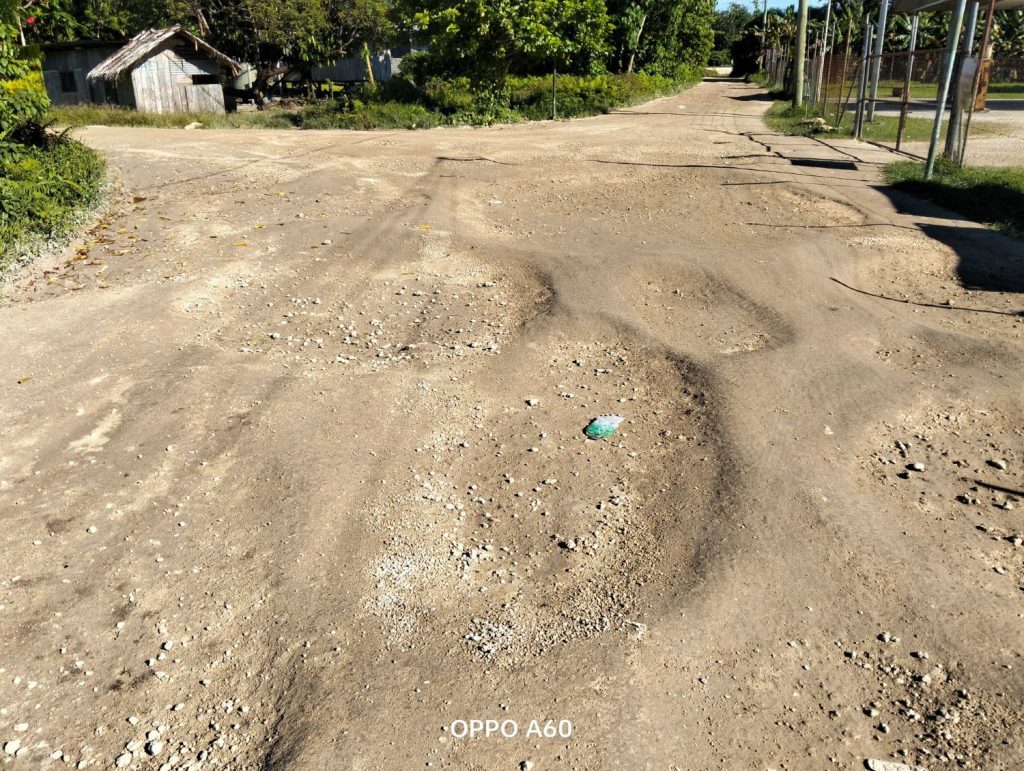
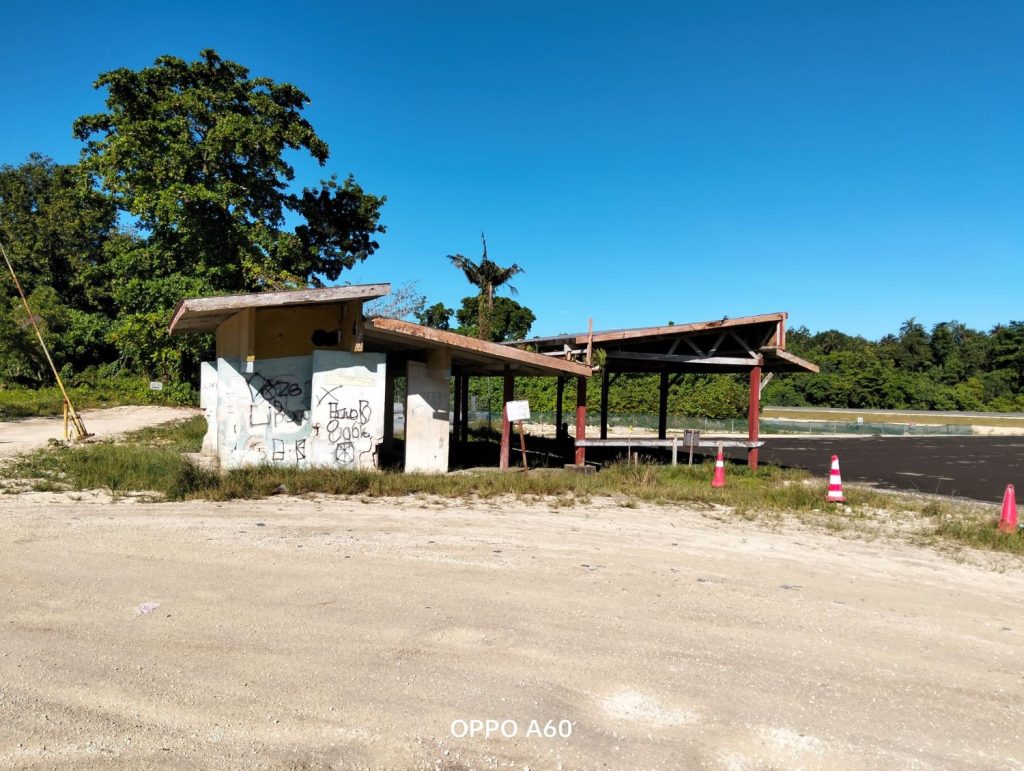
“We are in need of good wharves, roads, airfields and other essential infrastructure to encourage development in the province,” he said.
“Additionally, it seems we have been left behind, perhaps due to our geographical isolation. I am not saying this out of envy, but based on the trend of development across the country.
“It appears that development efforts are centred on only certain provinces, and the distribution is unfair,” he added.
During the parliamentary sine die debate this week, the Member of Parliament for Temotu Pele, James Bonuga, echoed similar sentiments.
He said that for far too long, development, resources, opportunities and essential services have not been distributed fairly across the country.
Bonuga said the province continues to bear the burden of remoteness without receiving the level of support required to overcome it.
“This is not a new issue, and it can no longer be addressed with general statements of commitment alone,” he said.
He added that Temotu Province, like many others, faces unique challenges arising from its geography and distance from the capital.
The MP said these challenges affect the delivery of essential services, the movement of goods and people, and the ability of communities to fully participate in economic development.
“The people of Temotu continue to contribute to the national economy and our shared identity as a nation.
“Yet they continue to experience limited access to healthcare, education, markets and economic opportunities. This imbalance is unacceptable if we are serious about inclusive and equitable development,” Bonuga said.
Daniel Sawa, a young father from Nou Village, has shared the challenges faced by communities in Temotu Province in accessing basic essential services due to inadequate infrastructure development on Santa Cruz Island and across the province.
He said Temotu Province is made up of scattered and far-flung islands, with connectivity—particularly transportation—remaining one of the province’s biggest challenges.
Sawa emphasized that poor connectivity has significantly contributed to the limited delivery and accessibility of basic services throughout the province.
“Connectivity is our biggest challenge, and it has a huge impact, especially on the health and education sectors in the province.
“Sometimes we lose members of our communities simply because of the lack of transport and the high cost of accessing health care services.
“This is common in our outer islands, as the only provincial referral hospital is located at the provincial headquarters in Lata on Santa Cruz Island.
“If adequate health services were accessible in our remote islands, some of the deaths experienced in our families and communities could have been prevented,” he said.
Sawa added that insufficient infrastructure development in the province continues to undermine the education of children.
“We have very few high schools in the province, and they offer limited spaces for our children to further their education,” he said.
He also highlighted the economic challenges faced by rural Temotu communities as they struggle to sustain their families.
“We live in a society where money is essential, but with very limited economic activities, cash flow in the province remains weak.
“Lata is the economic hub of the province, and people from outlying islands travel long distances at high cost just to sell small quantities of produce at the market.
“Often, they return home with very little, which is far from enough to meet the basic needs of their families,” he said.
Sawa said these challenges have been experienced for decades, and despite the hardship, communities continue to endure them.
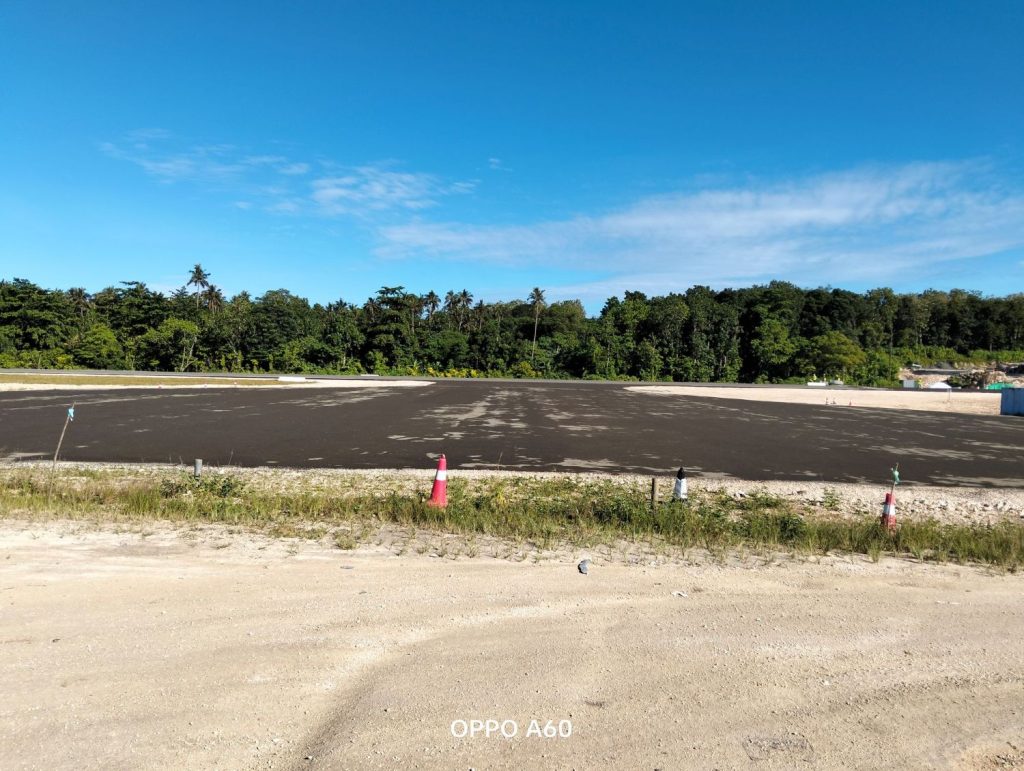
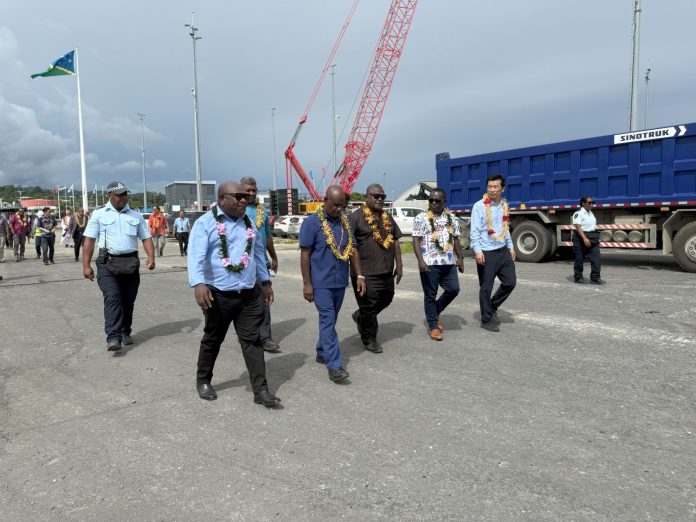
On that note, he acknowledged the collaboration between the Temotu provincial government, the national government, and development partners in advancing major infrastructure projects in the province.
Sawa highlighted that the upgrade of Lata airfield will significantly improve transportation to the province and help stimulate the growth of key sectors, particularly tourism.
While thanking the national government for these infrastructure developments, he emphasized that the most critical need in Temotu Province is a reliable shipping service.
He urged the government to address this need by providing a vessel to transport goods and people to the province, or even better, by ensuring a vessel is available to serve the islands within the province.
*Reporting for this story was supported by Pacific Media Assistance Scheme (PACMAS)
For feedback, contact: [email protected]