BY MORRIS NAFU
IN the peaceful yet vulnerable coastal shores of Star Harbour, the relentless march of climate change is rewriting the landscape and the lives of its people.
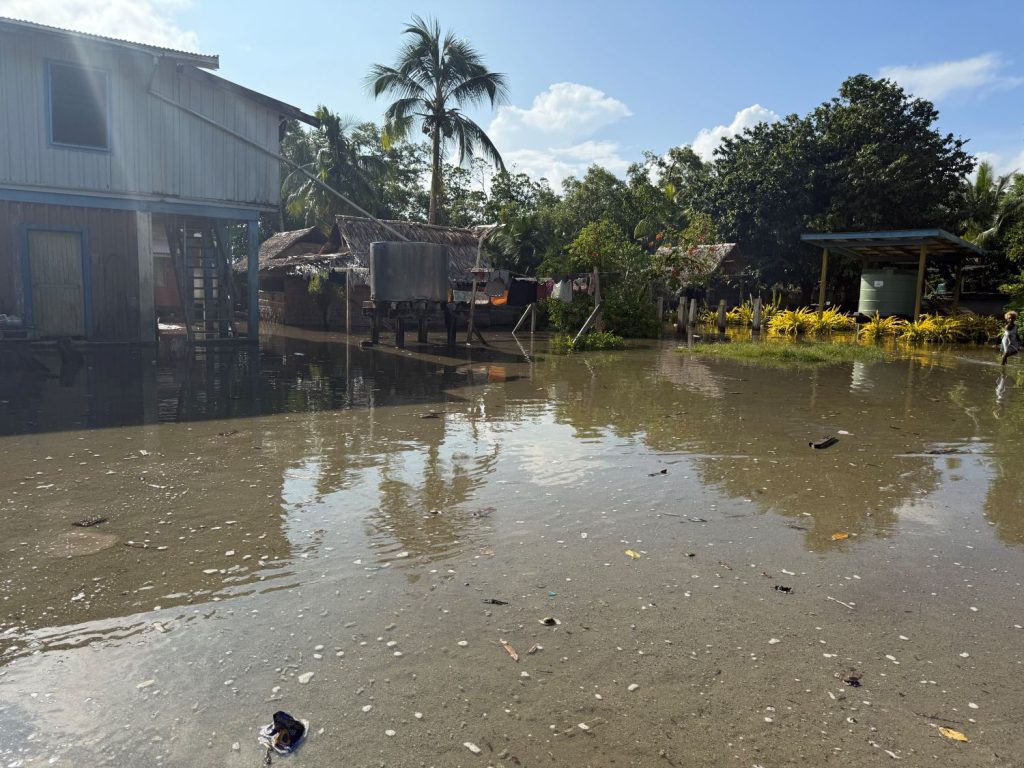
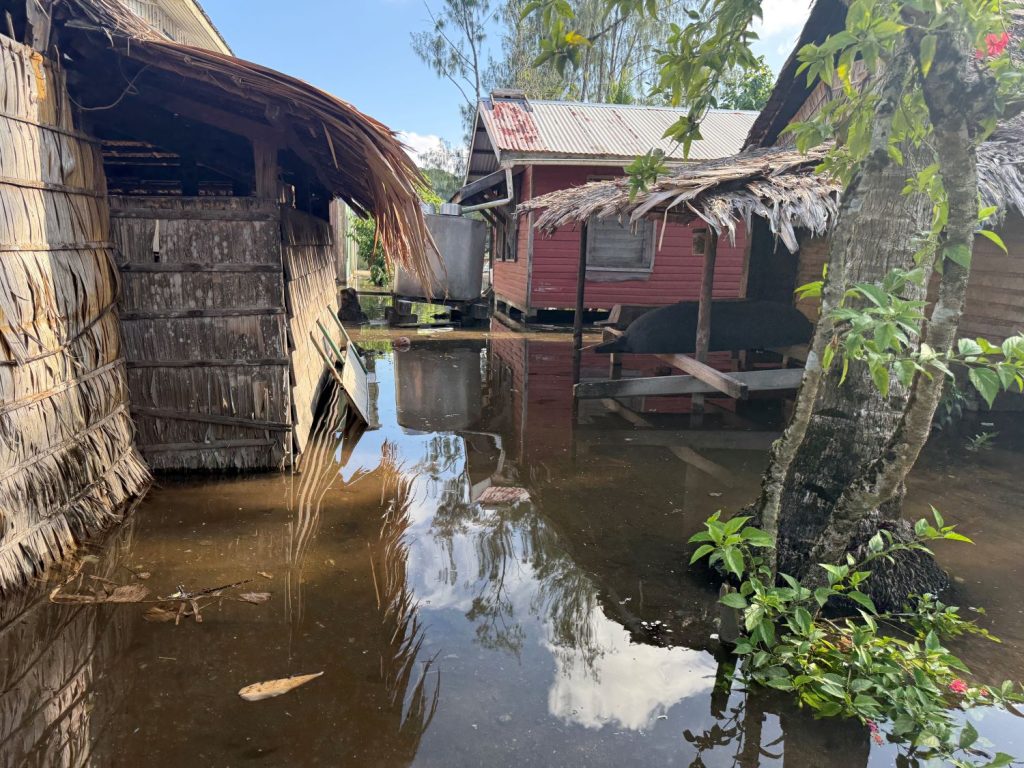
Low-lying communities like Namamaru are grappling with accelerating sea level rise, a phenomenon that has escalated dramatically in recent years, turning once-stable shores into battlegrounds against the intruding tides.
For decades, these communities have been a wall-hanging of lush mangroves, fertile swamps, and resilient villages.
But as global temperatures climb and polar ice melts, the sea is rising faster than ever, posing an existential threat.
Coastal erosion, once a minor concern, is now a daily reality, with visible scars creeping deeper into the land each year.
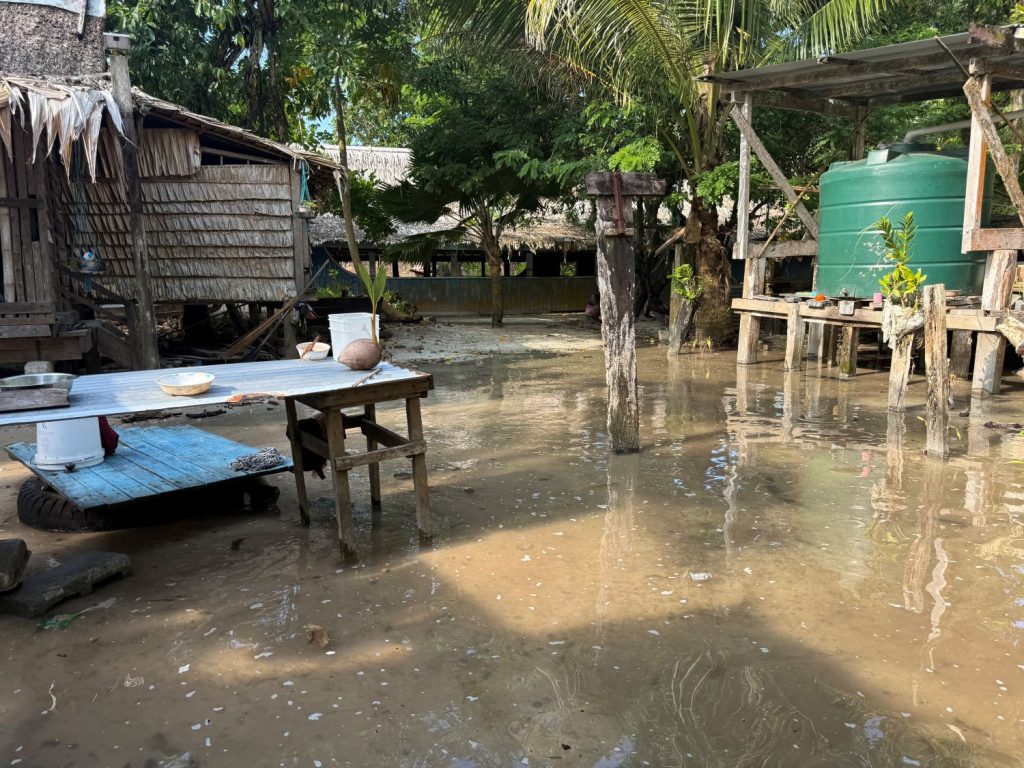
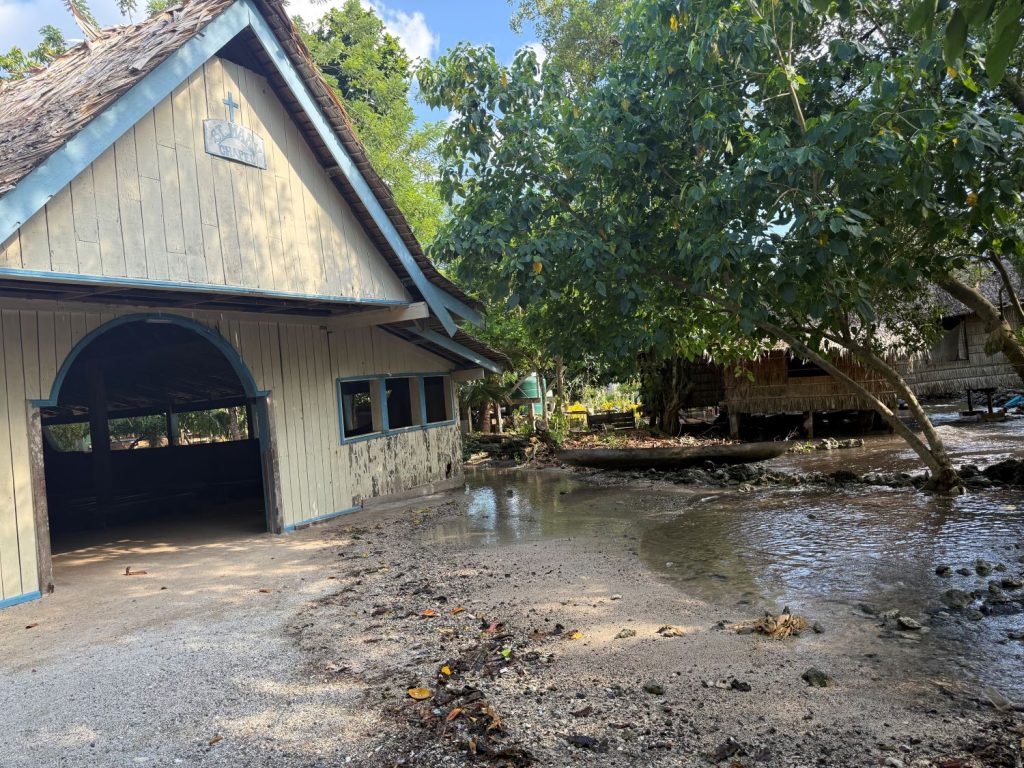
Residents report that the changes began intensifying around 2015, with tides surging higher and more frequently, forcing families to abandon homes and relocate inland.
Located next to the Namuga sub-station, Namamaru represents this plight.
The community, with its sparse mangrove defenses, has tried to fortify against the waves by constructing stone sea walls.
Yet, these barriers stand no match for the relentless force of the rising seas, which crash in with unyielding power.
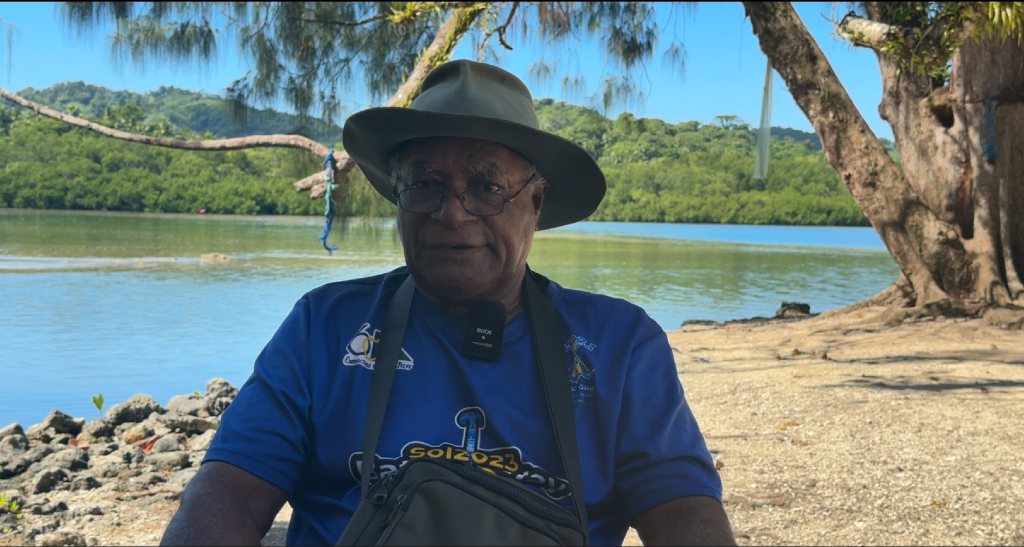
“We attempt to build sea walls to protect our houses, but that does not match the flow of the sea coming into our village,” says Alfred Murray, a respected community elder.
“At first, we don’t usually experience this kind of high tides, but as years pass, it’s now getting normal to see high tides flowing right across the village, even reaching 30 to 40 centimetres high in the middle of the village.
“It’s something we don’t experience before.
“Sea level rise is not only our community issue but a global issue that affects people worldwide, especially for low-lying communities and islands.
“For us here in Namamaru, we are badly affected by this ongoing issue,” he said.
Looking ahead, Murray expresses grave concern of which is, without intervention, most communities, including Namamaru, could be washed away in as little as in the next 10 to 20 years.
The consequences extend beyond eroded shorelines and flooded homes.
As islands within the peninsula vanish and coastlines reshape, the very fabric of life is unravelling.
Food security, a cornerstone of Star Harbour’s culture and survival, is also under threat.
Swamp taro, known locally as “kakake”, has long been a lifeline—providing food during lean times between harvests and serving as a key ingredient in traditional feasts like the renowned Makira pudding, a staple for feasts and festivities.
But saltwater intrusion is poisoning these vital crops. Farmers in low-lying swamps are witnessing a sharp decline in yields, with kakake plants producing smaller, less abundant fruits.
“We are now starting to experience low production of kakake as it is really affected by salt water, causing them to produce small portions of fruits compared to before,” explains Festus Fagatangi, a concerned farmer whose livelihood depends on the crop.
The impact is profound; what was once a reliable food source is declining, worsening vulnerabilities in an already risky existence.
People may debate the scale of sea level rise in distant boardrooms, but for those in Star Harbour, it’s a life-threatening matter.
Homes are eroding, livelihoods are vanishing, and the ocean’s advance shows no signs of retreat.
As Murray puts it, “Our homes are now slowly eroding away, and that puts our lives at risk”.
The call is clear: urgent action is needed to mitigate this threat, from global emissions reductions to localized adaptations like mangrove restoration and resilient infrastructure.
In the face of such upheaval, the resilience of Star Harbour’s people shines through. Yet, without concerted efforts, the rising tides may soon claim more than just land—they may erase entire communities from the map.
*Reporting for this story was supported by Pacific Media Assistance Scheme (PACMAS)
For feedback, contact: [email protected]