BY LORETTA B MANELE
Twenty-four youths from Malaita and Guadalcanal provinces attended a three-day Training of Trainers (ToT) on “Climate Policy Awareness, Influencing and Advocacy Strategy” from May 5 – 7 at DD Inn in Honiara.
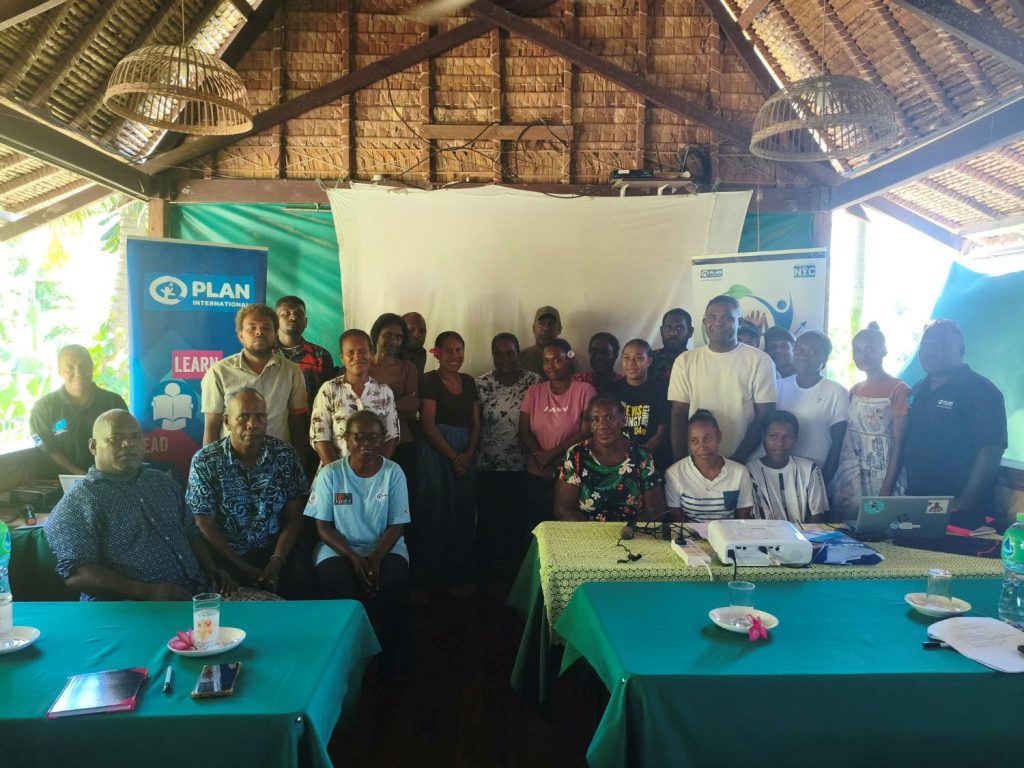
This training for youths from local Community Based Organisations (CBOs) and Civil Society Organisations (CSOs) under the Youth Economic and Climate Action (YECA) project was implemented by Plan International Solomon Islands with support from European Union (EU).
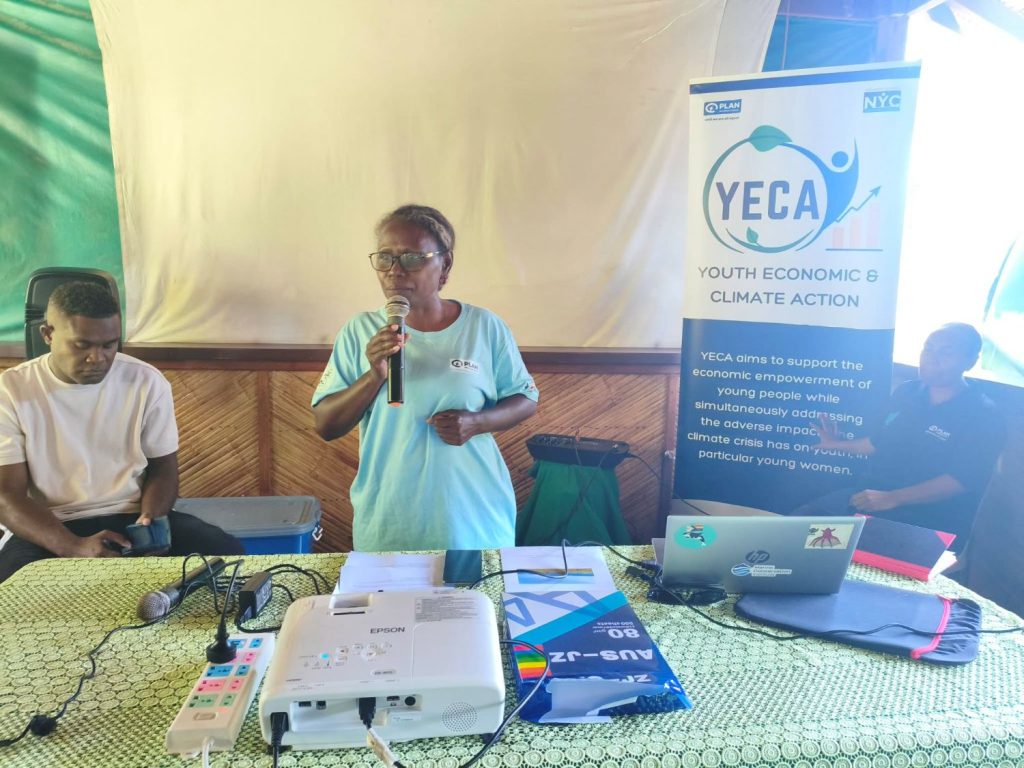
Speaking to Island Sun on Tuesday, May 5, Duta Bero, Country Program Manager for Plan International Solomon Islands, said the main objective of the training is for participants to understand climate change policies and strategies.
“And how they can use this knowledge to inform their communities of action plans in which the communities can come up with to progress these policies at the community level,” she said.
Bero said that the YECA project is active in Malaita and Guadalcanal provinces.
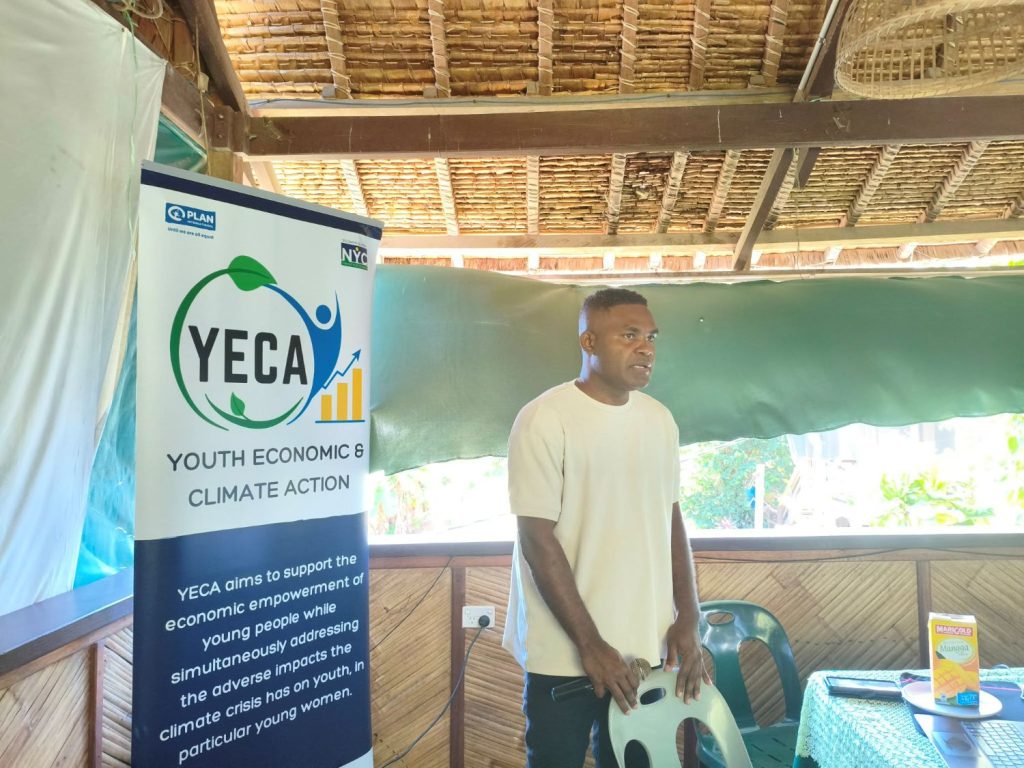
Facilitator of the training, Wilson Junior Maeriua said the training is to empower youths in terms of raising their advocacy and influencing their learning in reference to climate advocacy.
“My role is to help them understand what is climate change, what causes climate change and how we can adapt and mitigate in relation to addressing climate change issues,” he said.
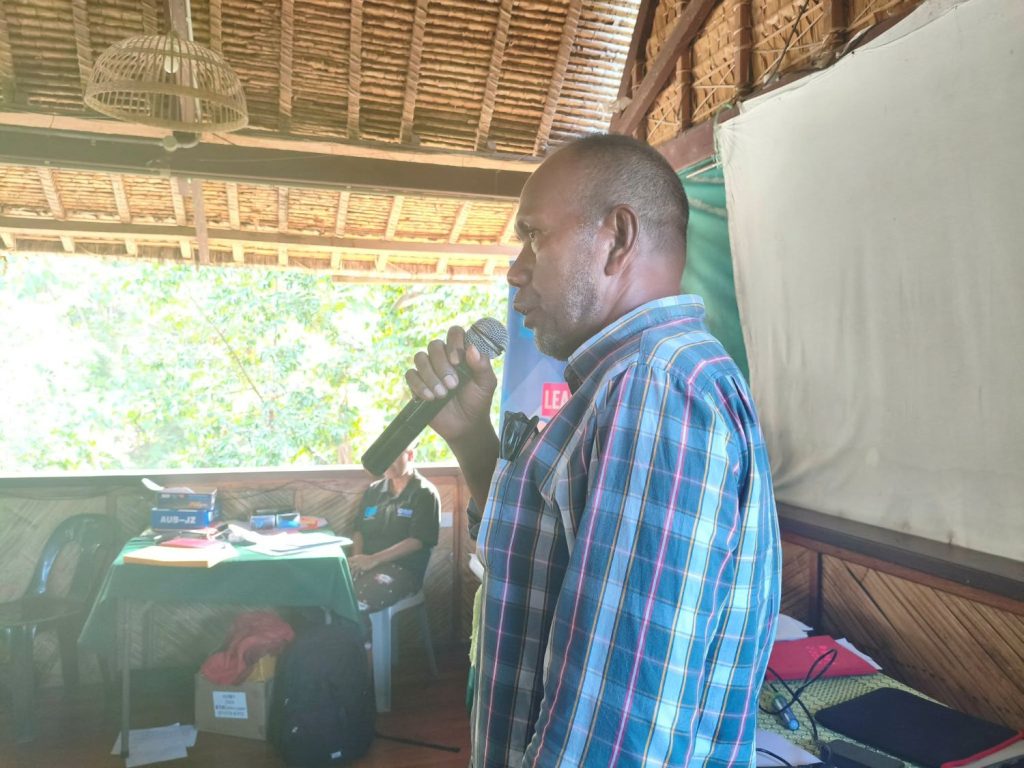
Also attended the training was Methodius Iapara, Deputy Director and National Youth Program officer for Youth for the Ministry of Women, Youth, Children and Family Affairs (MWYCFA).
He said the ToT in terms of climate change is important because it affects us in terms of sustainability in terms of livelihood.
“As someone who works with young people, if the youths do not know who they are with the connection of where we live, we will not survive.
“The point is that our food source and our livelihood at sea or land is where we survive and with our context of land ownership, this is our heritage as custodians of our land,” he said.
Iapara said through this training, participants can utilise what their forefathers handed to them through tribal settings.
A participant from Malaita province shared what he thought of the training on the second day of the training.
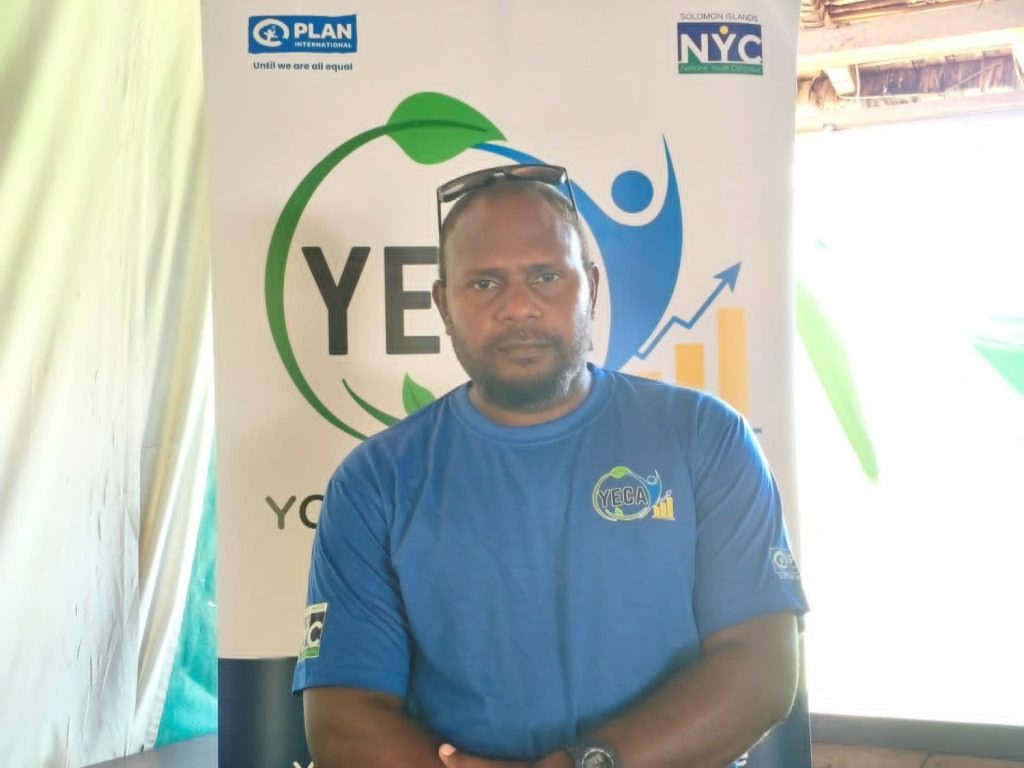
Lesley Sanga, farm advisor for the Gwaunafiu Organic Farmers School said he learned a lot of things from the training.
“We are here to look at climate change policies and to know what climate change is about and how we can deal with it in our communities,” he said.
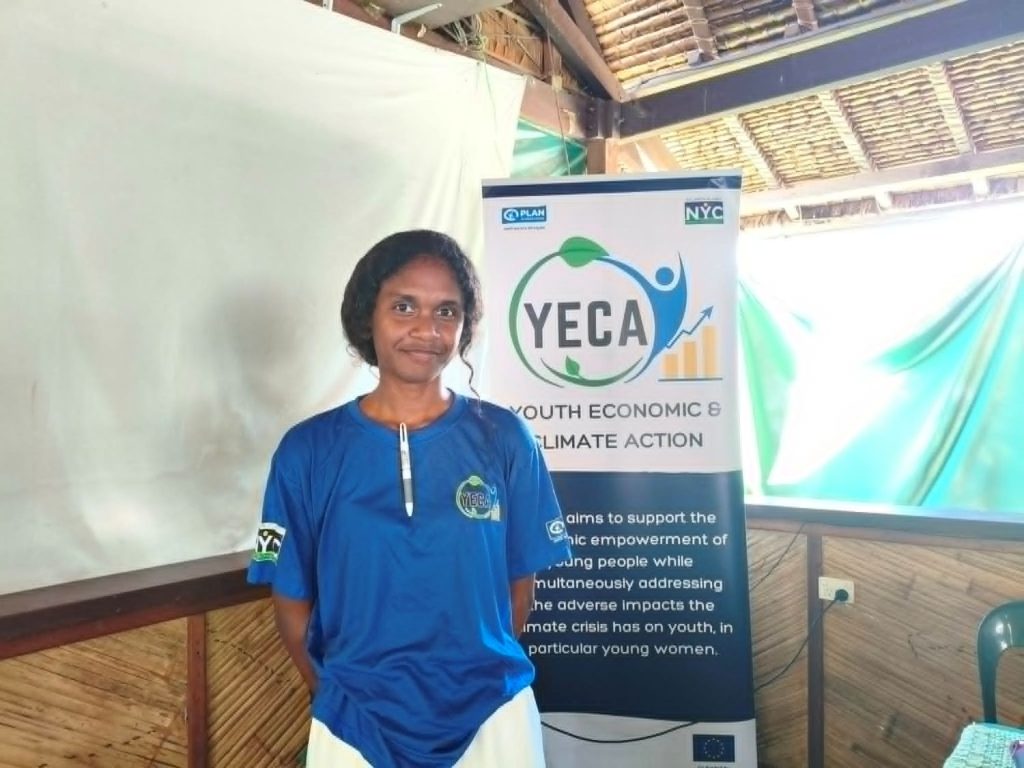
Another participant, Nichola Siapu from Mbirao Ward Youth Association at Marau Sound, East Guadalcanal said for her, the training is about learning about climate change and what they can do to overcome or prevent the effects of climate change in their communities.
“I also learned of ways of how we can get the attention of stakeholders like NGOs, government and Members of Parliament,” she said.
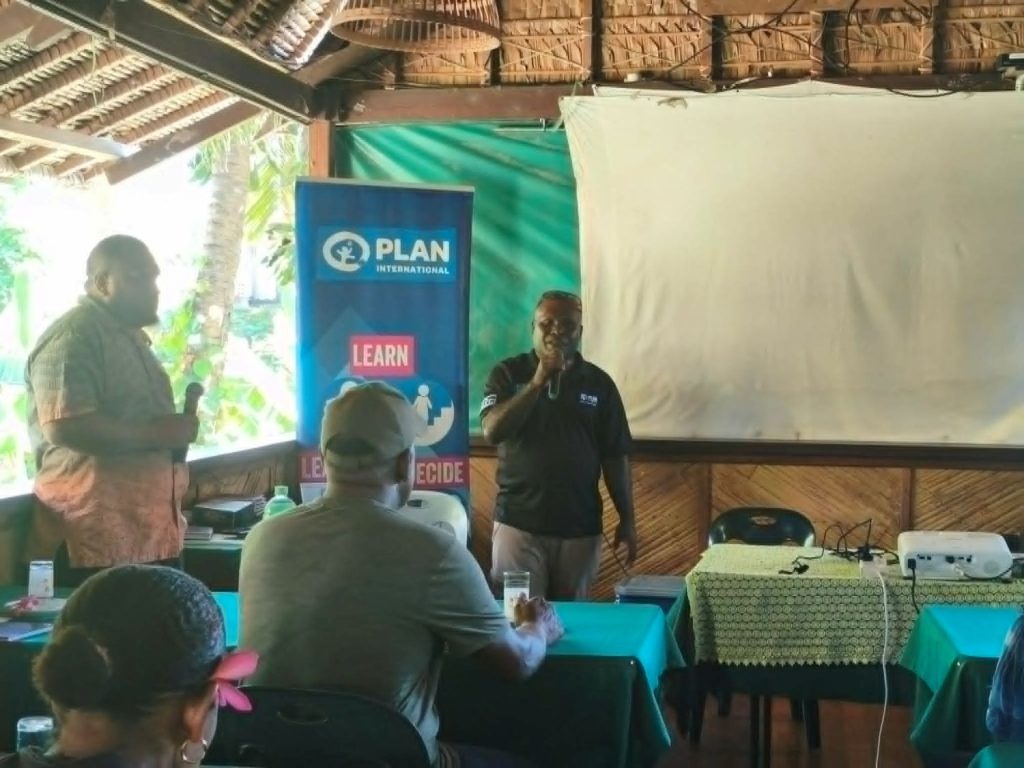
Island Sun also spoke with the two YECA project coordinators, Richard Olita, project coordinator for Malaita province and Nixon Tooler, project coordinator for Guadalcanal Province.
Mr Olita said the participants who travelled from Malaita to attend the training are very happy to be at the training.
He said that this is an opportunity that does not come easily for their youths in the province.
“So, this is a boost for community-based organisations. We want to strengthen our communities and have direct engagement with them,” he said.
Meanwhile, Mr Tooler said the training aims to increase the voice of youths and women in terms of climate change policy and actions.
“So that they can be more engaged and involved in planning and take action on the impacts of climate change in their communities,” he said.
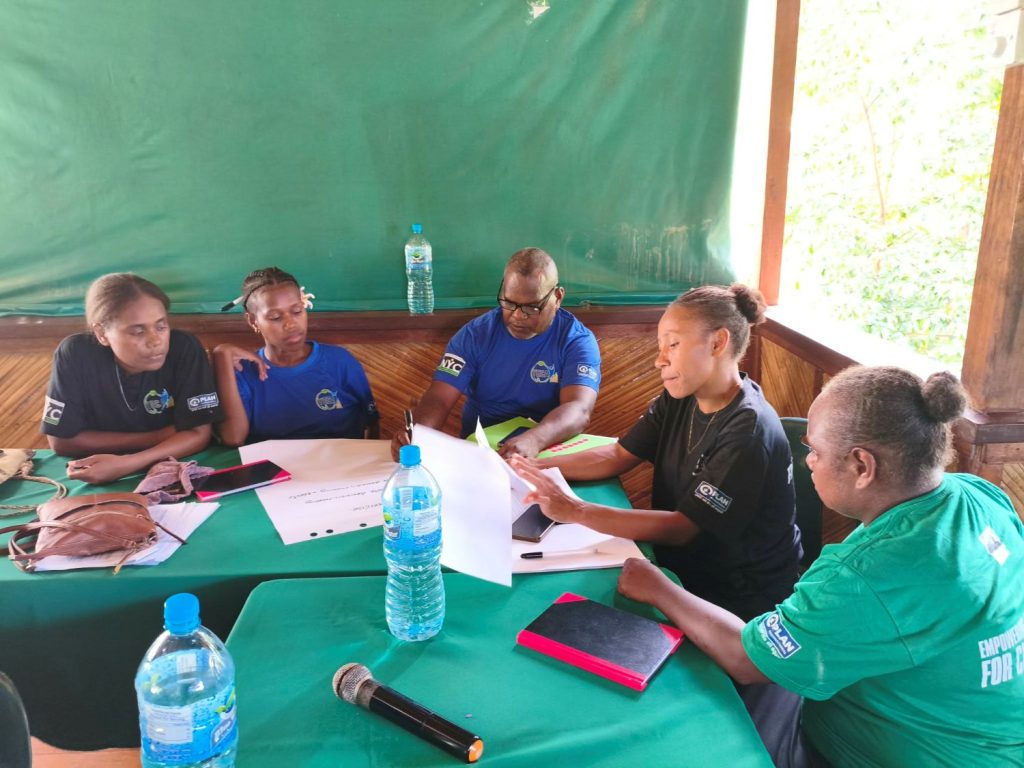
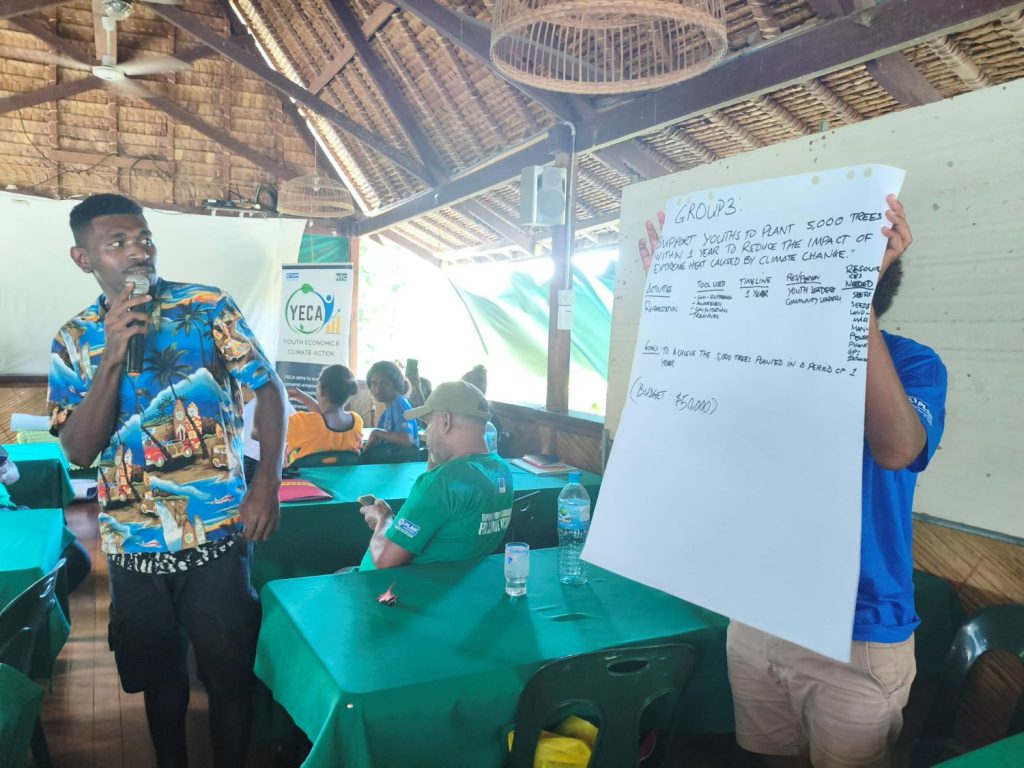
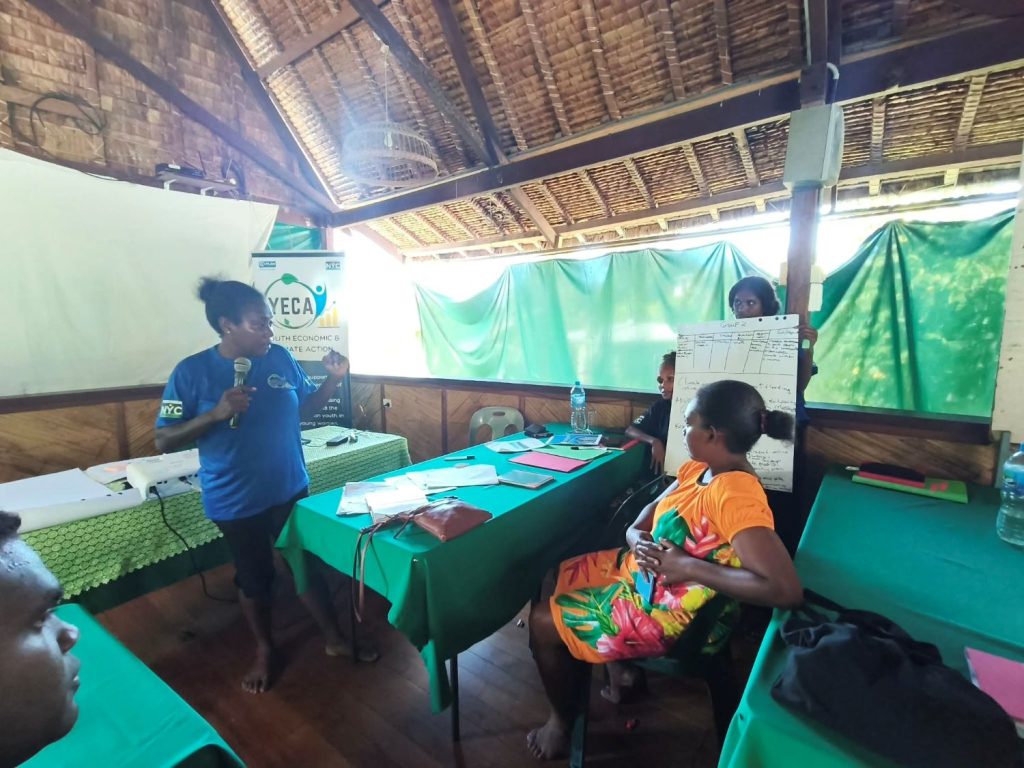
Throughout the three-day training, participants engaged in discussions, group activities and presentations.
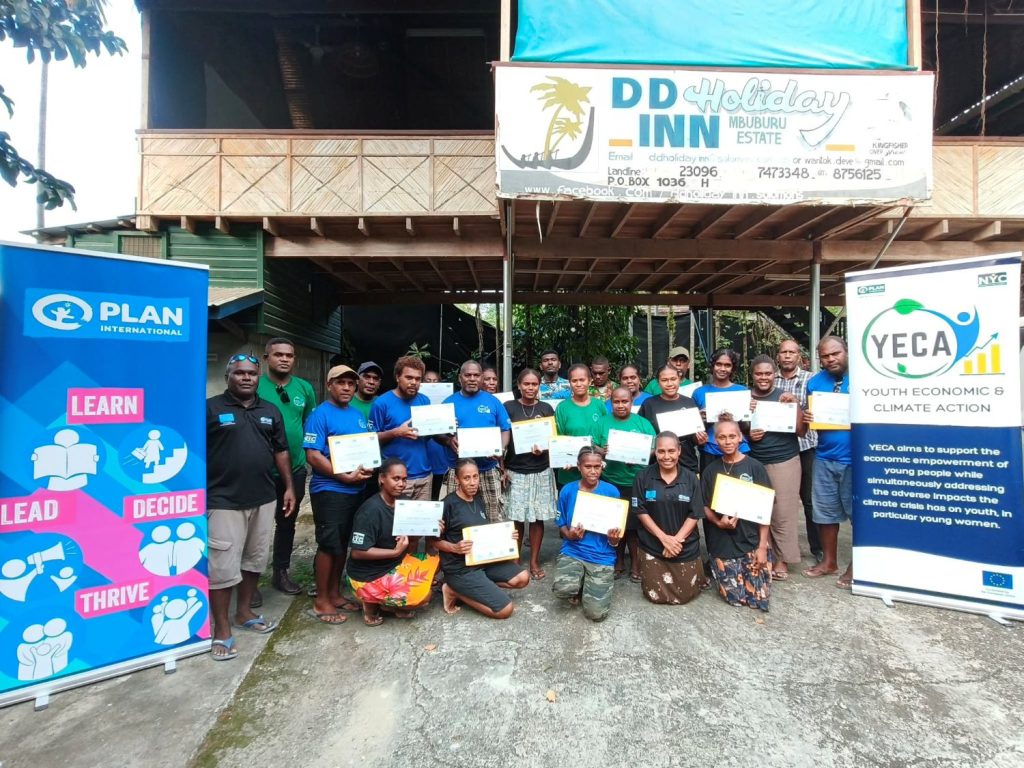
On the first day, Tuesday, May 5, participants focused on “Understanding Climate Change and Policies”, before moving on to “Policy Awareness and Influencing” on the second day and concluded with “Climate Advocacy for Youth and Action Planning” on the last day of the training.
Photo credit: Loretta B Manele
For feedback, contact: [email protected]
Editor: [email protected]