
BY ELTON LONARATHA JNR
Transport remains a critical challenge for rural communities in the Central Islands Province, affecting everything from local development to income generation.
Without reliable access to shipping services, many communities struggle to improve living standards and sell their products to enhance their financial stability and well-being.
This issue is worsening and affecting infrastructure development from building homes and accessing better materials.
Hagalu Community Chairman and MPA for Ward 3, Elijah Taekole, shared views about the lack of a dedicated vessel in their province.
While they do have occasional access to Malaita and Isabel shipping services, these are unreliable and provided on an ad-hoc basis.
“We are not in a good position to run shipping services here.
“The vessels serving the province began to slow down in 2010 when many communities started running their own boat services,” Taekole said.
For vendors, access to transportation is a lifeline.
While some community members sell produce in Tulaghi, others travel to Honiara, often using boats, to earn a living.
“Dived oven fish with cassava pudding is one of the most common products women bring to Honiara for sale.
“Sometimes, Pana is also a popular product,” said Taekole.

In fact, between 30 and 40 boats make the journey from the province to Honiara daily, offering both transportation and income opportunities for boat owners.
Despite tourism beginning to develop in the province, transportation between Honiara and the various destinations within the province still depends heavily on boats.
This reliance has given boat owners a key role in providing transport services while earning income.
Ben Lilia, the District Vice Chairman, highlighted the impact of transport challenges on local industries like marketing, fishing, and timber milling.
Despite the high demand for transport services, these industries remain limited by inadequate shipping options.
“We sometimes use boats to travel to Tulaghi to sell timber.
“Fishing is also a common source of income for many, especially those using nets or diving. However, the prices we get in Honiara are much better than in Tulagi,” said Lilia.
BBQ fish with cassava pudding, along with other local delicacies, are popular items that many women sell in Honiara for higher profits.
“Selling our products in Honiara often means a better price and more income,” Lilia explained.
However, the lack of reliable transport options continues to make it difficult for many in the province to maximize their income.
“If the province could run its own shipping service, it would be a game-changer, making it easier for people to transport their produce in bulk and sell it for better prices,” Lilia suggested.
The Central Islands Province, made up of islands such as Sunfly, Buenavista, Big Ngella, and Small Ngella, face ongoing struggles in marketing local products. Cocoa, copra, food, timber, and other income-generating activities are often hindered by the absence of reliable shipping services.
In some cases, communities have opted to travel to Auki, which is closer, rather than journeying all the way to Honiara.
“Villages like Boli, Siota, and Belagha often use ships traveling to Malaita to reach Auki.
“It’s much easier for them to sell their products there,” said Lilia.
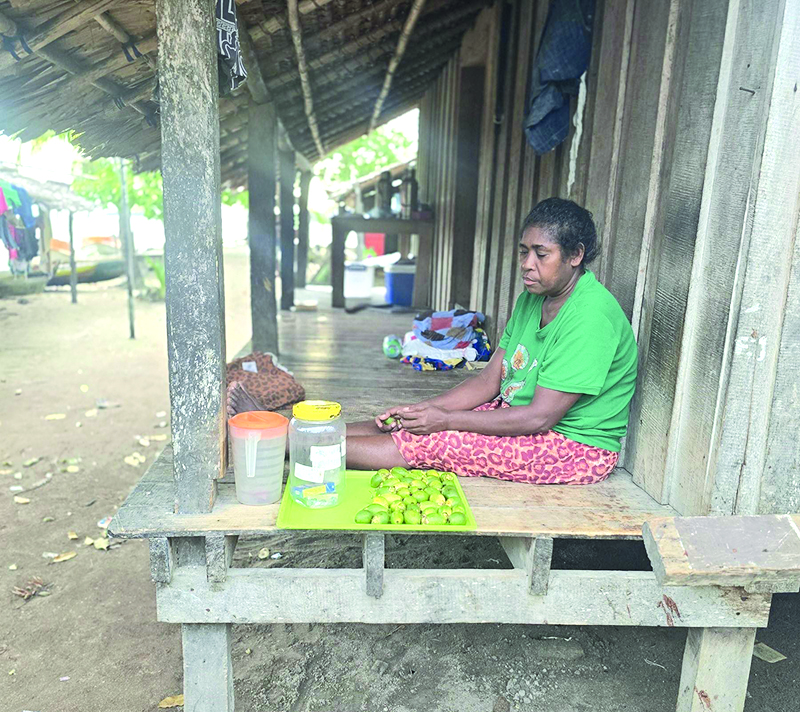
For communities around Tulagi, this challenge remains significant. Betel nut farming, for example, is one of the main income sources, but theft has become a serious issue.
“We don’t farm betel nut as we should because it’s often stolen.
“So, we buy bags of betel nuts from Honiara to sell in the community, which helps us earn money,” said Lilia.
Despite these difficulties, betel nut selling continues to provide steady income in rural areas.
“Even though we face challenges, betel nut and fishing are still vital income sources,” he added.
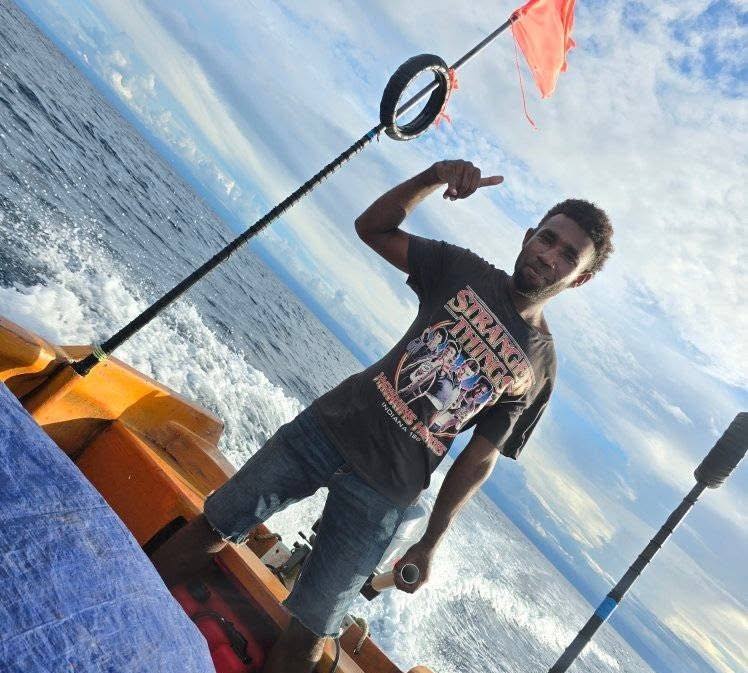
For those who do need to travel, the cost can be prohibitive. Junior Ben, a well-known traveler, shared that the standard passenger fee for those traveling from Big Ngella to Honiara is $100.
However, boat capacity often limits the number of passengers.
“When the boat is fully loaded, only four people can travel. When it’s less crowded, six can go,” Ben explained.
Business owners are also affected by the transportation problems. Ben, who runs a petrol station with his father, noted the difficulty of getting fuel when shipments are delayed or limited by the availability of transport.
“Before, we would get fuel drums from Markwarth and transfer the fuel to comply with boat loading capacity. Now, we get fuel directly from refilling stations in Honiara,” he said.
For many women who wish to sell their goods in Honiara, the $100 fee can be a significant burden.
“For those traveling from Small Ngella, the cost is even higher—between $150 and $200,” Ben added.
The ongoing transport issues in Central Islands Province continue to limit the potential of rural communities to grow their local economies.
Despite the challenges, Hagalu Community maintains its commitment to unity for development, especially in education and church initiatives.
Addressing financial challenges and looking for sources of income is key at the moment.
Unlike before, unity is evident nowadays.
How money is rotating within the community is not dealt with individually but in groups apart from the Church itself.
People help each other to raise funds despite the level of conflicts that exists among them.
“Yesterday we argue, today we help each other to achieve a better life.
“This has become one of the twists that can be seen in the community when it comes to supporting each other. This twist is a normal trend in the community since before till now,” Lilia said.
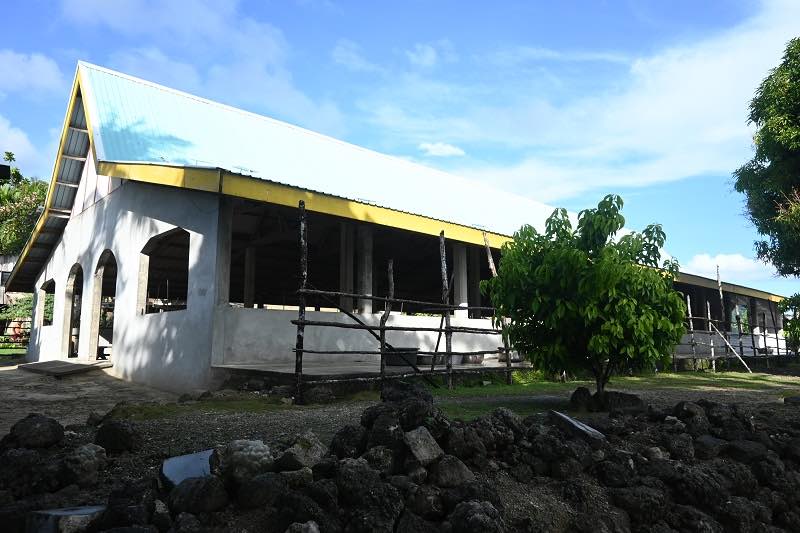
He said they built their church from pure manpower and labor.
Lilia explained that apart from a very few materials funded by their leaders, the work on the ground and progress was done by the effort of the people of the community for free, through raising funds.
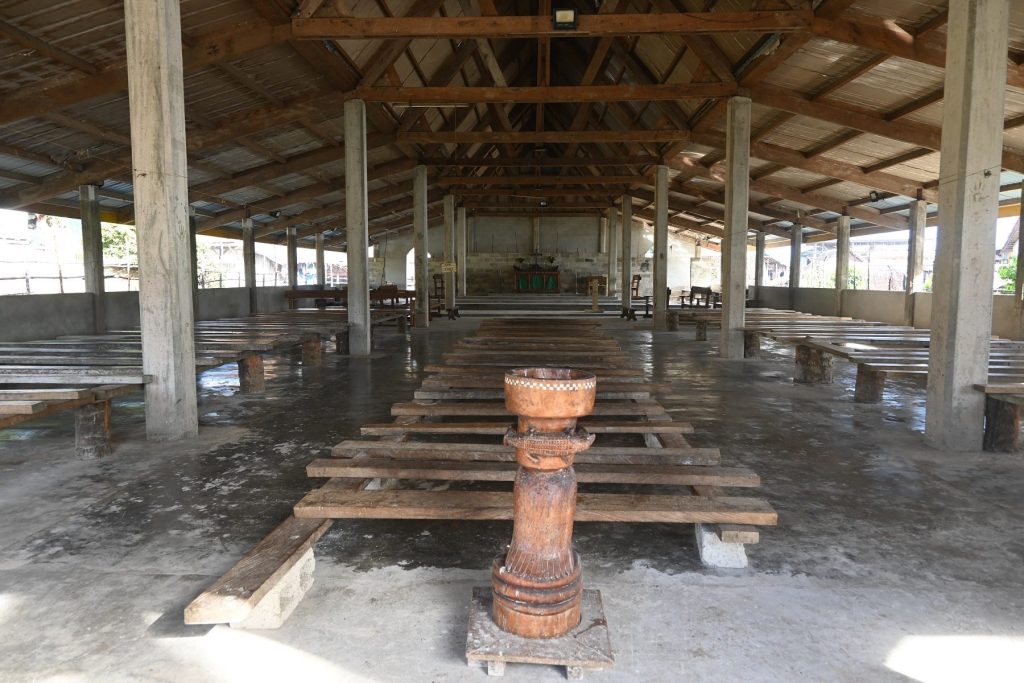
“This church is three years old. We built it for three weeks. A lot of work still needs to be done,” he said.
He noted that one of the needs is fuel to cut timber for dressing the interior and exterior and roofing work as well as furniture.
“Timber is not so easy here. We have a lot of members in the community who are willing to work for the church but fuel is one of the factors that causes delay in this work.
“Timber milling here can be done in the mountains with manpower to carry them to the village. Sometimes we load timbers using boats.
“It’s a huge amount of work because of the distance,” he said.
Lilia said the amount of unity and community work can be measured by how work on the church building is progressing.
“Although the building is yet to be completed, it already hosted the Saints Day apart from regular church services.
“We usually have a targeted amount to be raised by each group in the community during the church festival which usually falls on July 22. We usually target $6,000.00 to $7,000.00 for each group.
“That’s how we usually raise funds for the church works.
“When each group reaches the target, all the money will be handed over to the Treasurer,” he added.
Meanwhile, most of the materials were purchased in Honiara and delivered to the community using boats.
*Reporting for this story was supported by Pacific Media Assistance Scheme (PACMAS)
For feedback, contact: [email protected]