
BY SAMIE WAIKORI
Access to clean water remains a significant challenge across the Solomon Islands, and it’s a struggle that many rural communities continue to face.
This issue is nothing new as it has been around for generations.
By 1980s, rural villages in the Solomon Islands started accessing proper water supplies but on a very limited scale. Today not much has changed.
Around 80 percent of the 800,000 population of Solomon Islands live in rural areas. Villagers frequently travel long distances to find clean water sources.
Nou village, on Santa Cruz Island, Temotu Province, is one of the many rural villages facing this struggle.
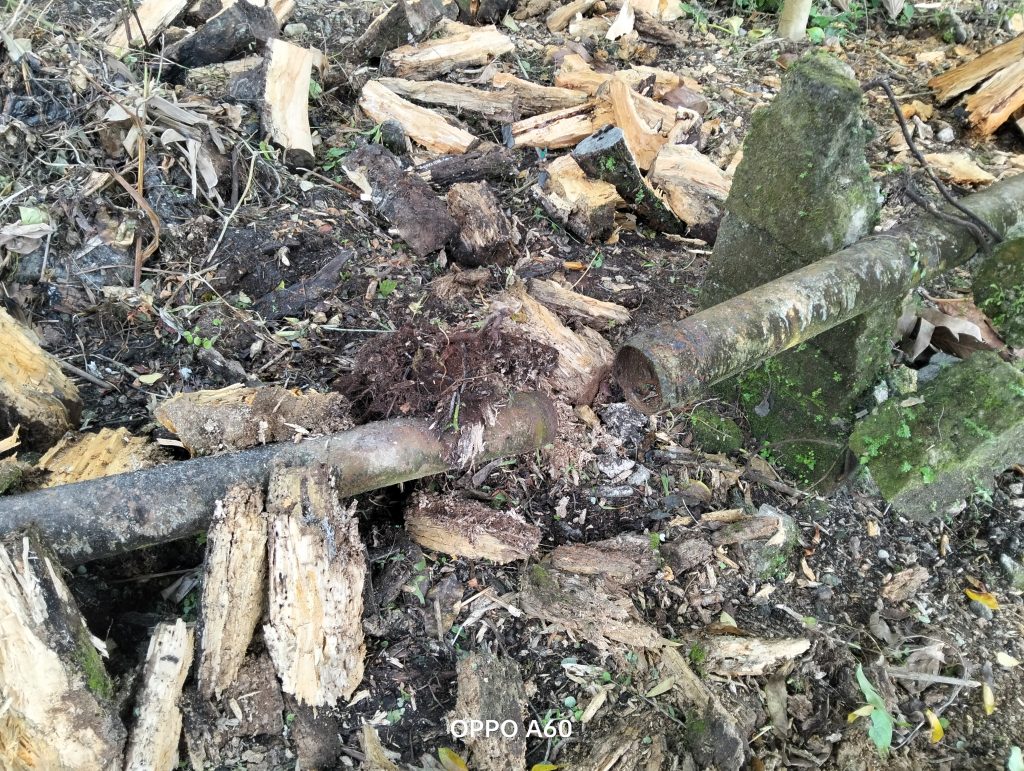
The village once had a water supply system that broke down 20 years ago. Since then, the villagers have been left without reliable access to water.
Today, they depend on a few limited water tanks that were funded through the Rural Development Program (RDP) – an organisation that was dissolved a few years ago.
These tanks were distributed to number of communities within Gracious Bay including Nou. Each community received two tanks and this was shared with a ratio of 15 households per tank.
However, this supply was never enough, and the community was left to search for other alternative ways to get water.
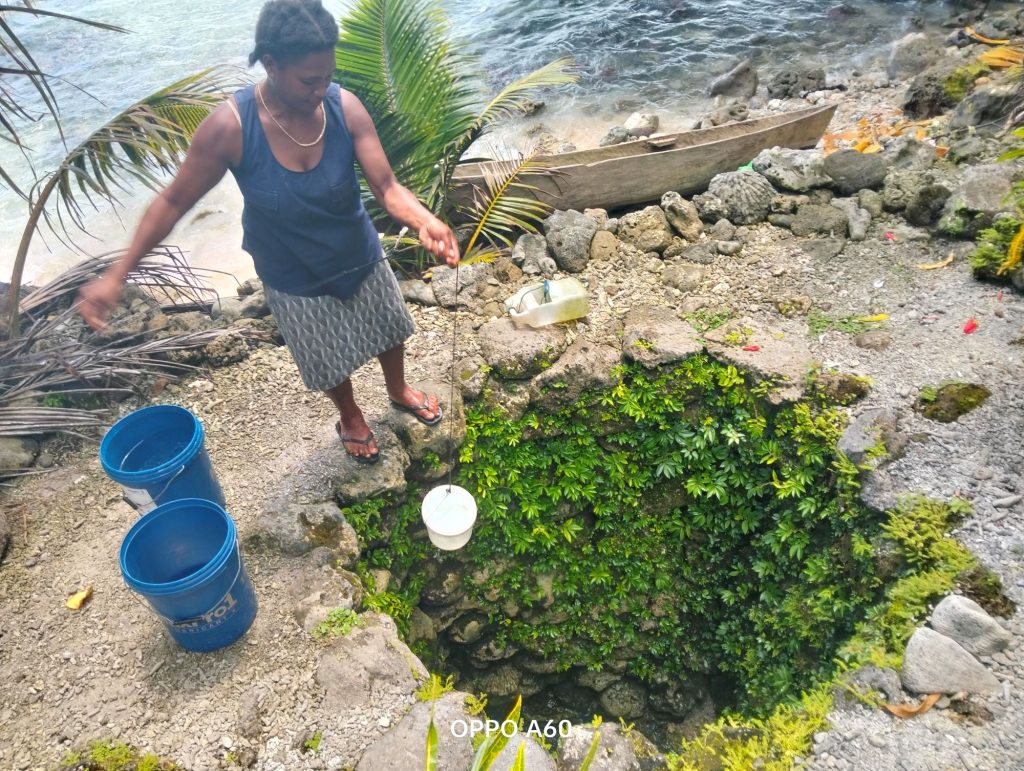
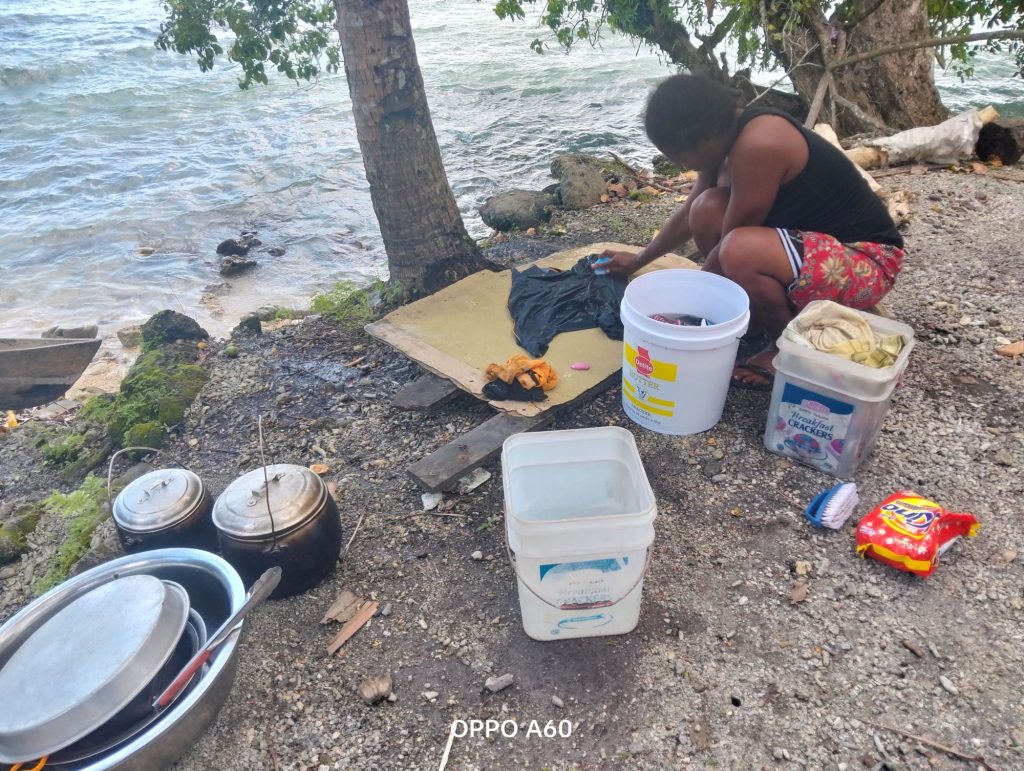
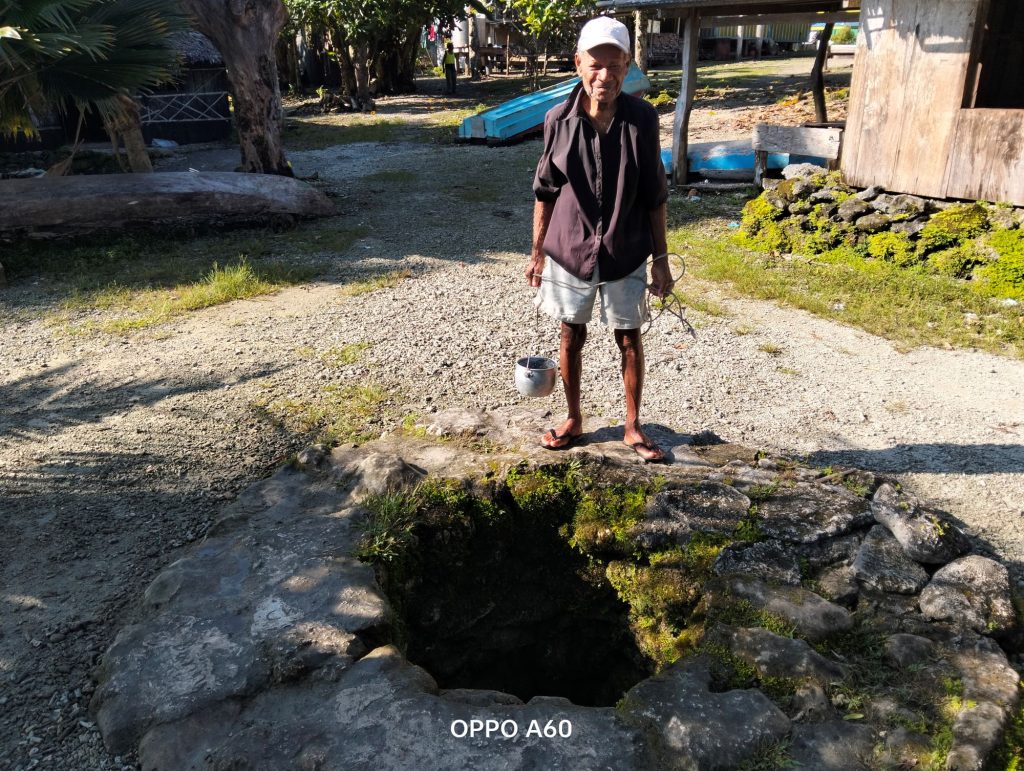
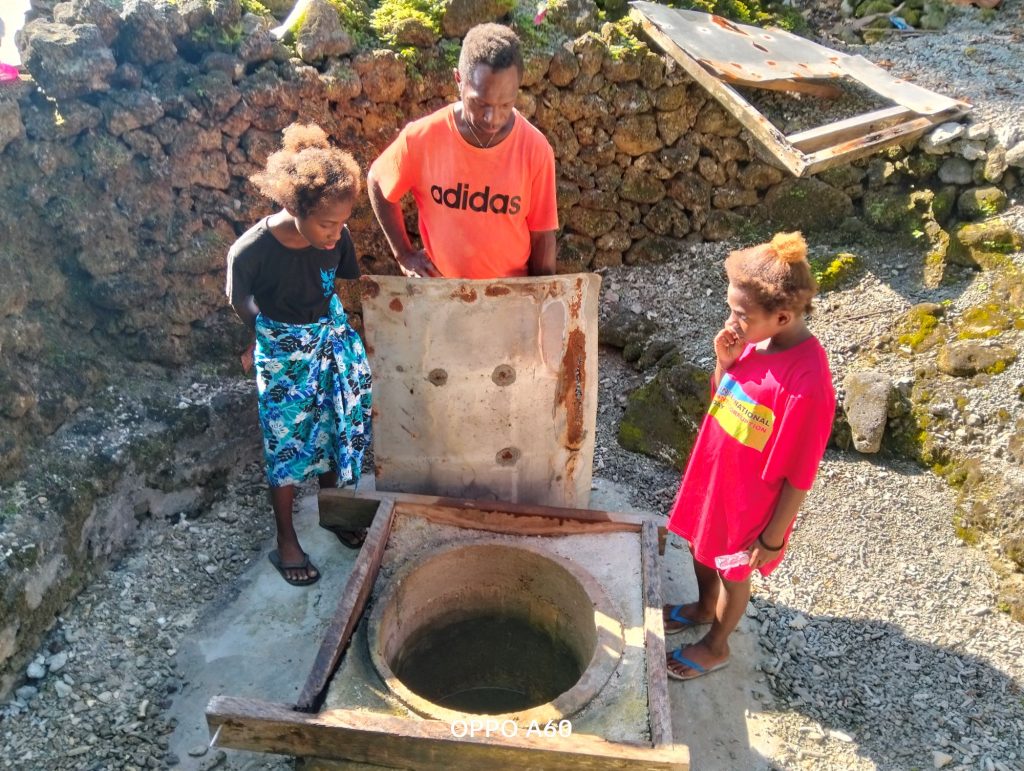
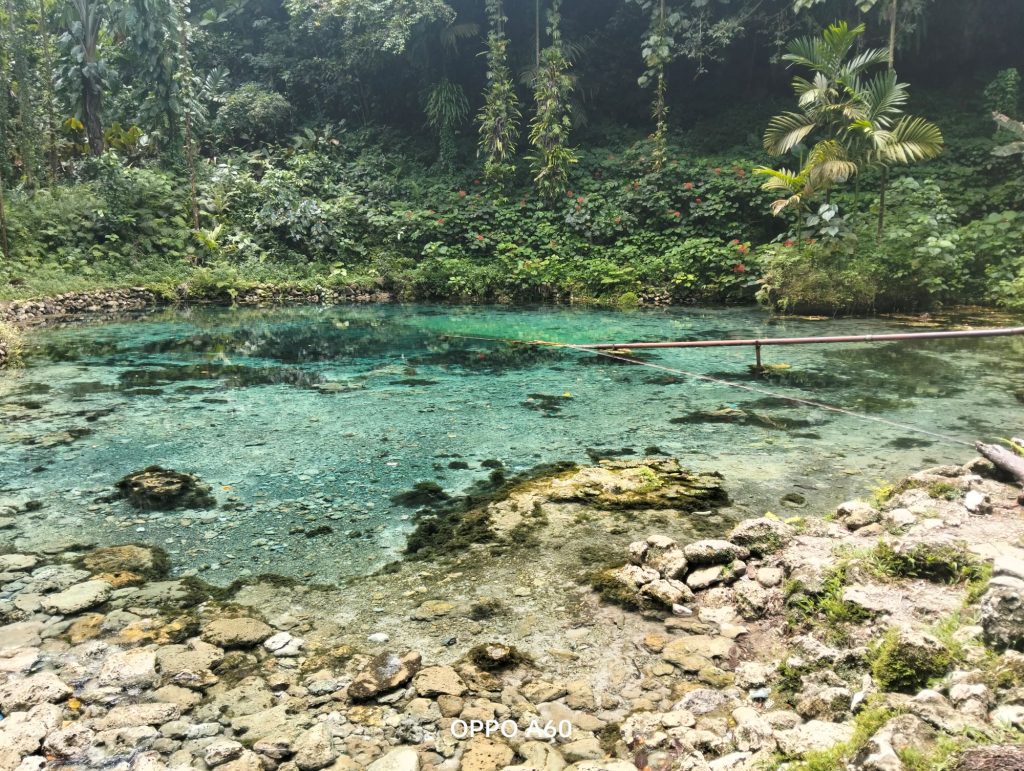
In the absence of a functioning water supply, they were left to rely on wells for drinking water or would endure a long 5-kilometer walk to the Nembo water source.
This ongoing struggle places a heavy burden on the community, particularly on women and children, who are often at the forefront of the effort to gather water.
While many of the interviewees acknowledged that women bear the brunt of this responsibility, it’s important to note that this should not be seen as solely a gender issue.
In a Melanesian society, it is common for women to take on these tasks, but it is a responsibility that should be shared more equally by all members of the community.
Ella Ivaio, an elderly mother in her 60s, shared her experience with water at Nou village. She recalled the hardships she had gone through when the village had no water supply.
“I married here long before the village had water access. Life was tough. We had to walk to Nembo to fetch drinking water, and we used wells for cooking and washing.
“Since most of our wells are just a few meters from the coast, sometimes the water was contaminated with salt,” she said.
Ivaio recalled when the village had a water supply system 20 years ago.
Recalling this, she said it made life much easier for them, especially women and children.
“We were able to focus on other family activities, like gardening, without the constant worry of water scarcity.
“But after the system broke down, we were back to square one. It’s hard, especially for someone like me who is getting older and no longer has the strength to carry out these tasks,” she said.
Mary Menapi, a young mother in her 20s, shared a similar story. She explained how different age groups within the village are impacted by the water shortage in different ways.
“As a youth and mother, I feel like we are the group mostly affected. We are the ones who are energetic and able to carry the load, but it’s still hard.
“Many of the young people in the village are in high school, and this water challenge is one of the barriers to their education,” she said.
Menapi said most young people at Nou village are high school students and for girls especially, they are commonly tasked to provide water for their households.
“After school they have to walk long distances to fetch water, and by the time they return home, they are exhausted and unable to do their studies,” she said.
The lack of water also creates challenges when it comes to menstruation.
“Since we don’t have water at home, we have to use public wells or the sea to wash ourselves. This makes it difficult to maintain proper hygiene,” Menapi explained.
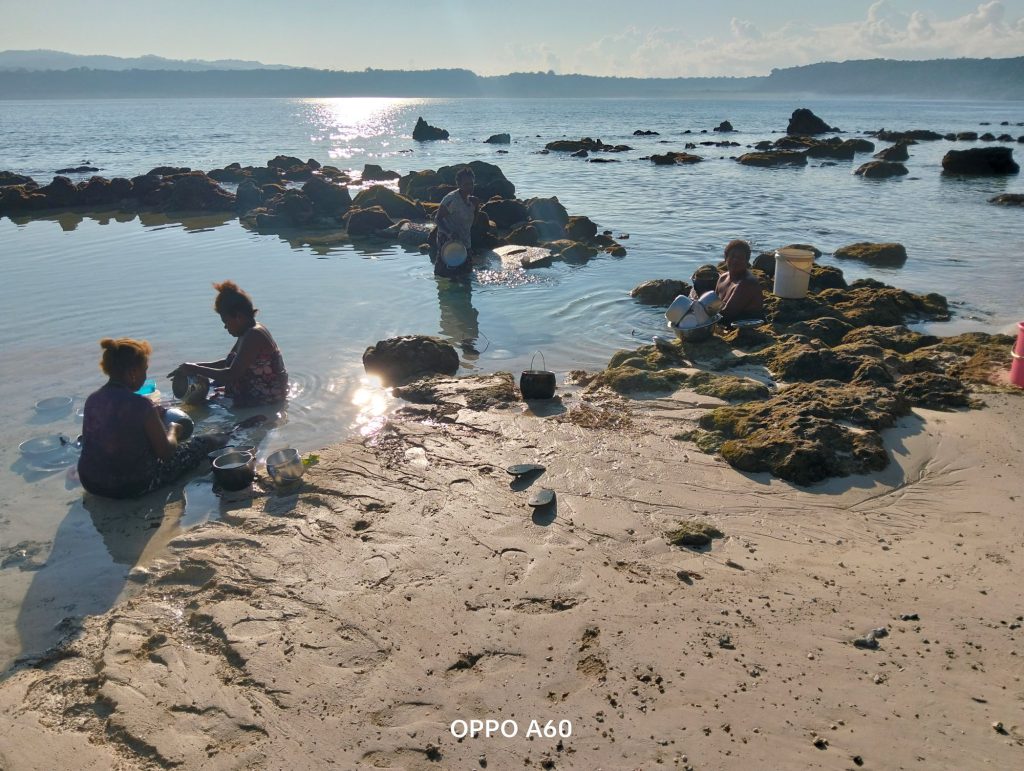
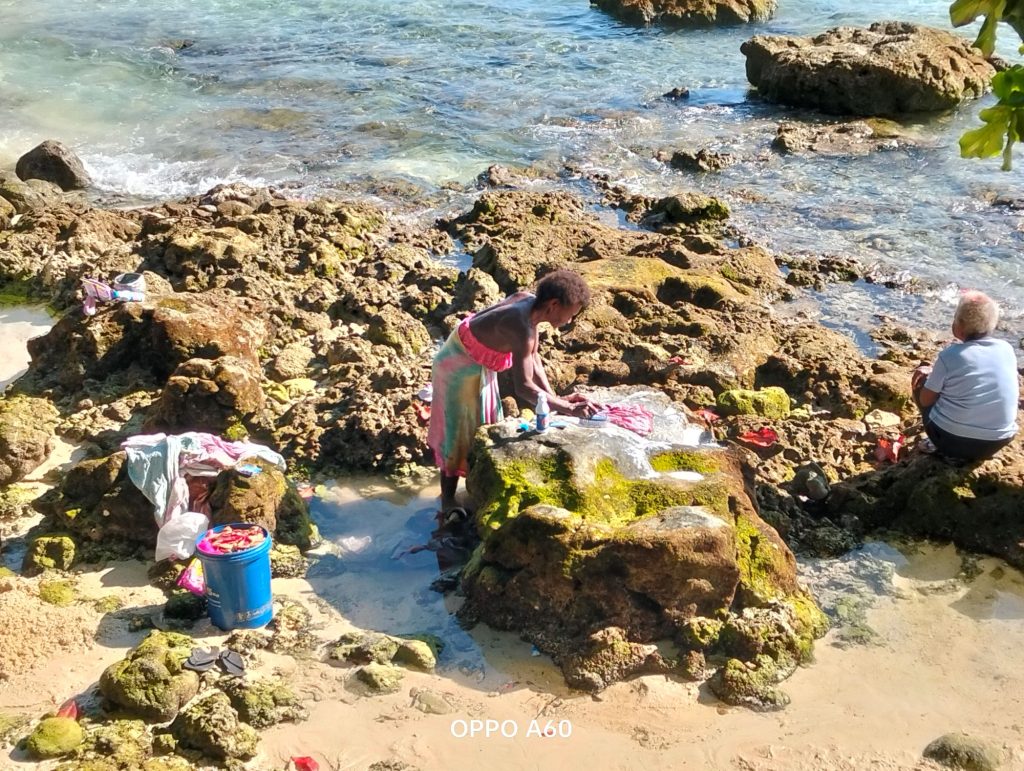
Furthermore, due to the lack of clean water, villagers often use saltwater from the ocean to wash clothes and kitchen utensils.
Nicholas Bolon, a father and elder in the village, acknowledged that the water issue affects everyone, but more especially women and girls.
“We men also feel the burden, but we don’t face the same daily challenges as women and children. And above all, if we had proper water supplies at our doorsteps, it would make life much easier for everyone,” he said.
Bolon said their leaders, including their Member of the Temotu Provincial Government and the Member of Parliament, are aware of the situation. However, the villagers believe there is more that can be done.
“Maybe the issue is how we can work together with our leaders and stakeholders. Because they know about our situation. And I want to assure that we’re ready to work with whoever to find a solution to address our situation.
“If the Ministry of Health and Medical Services (MHMS) through its RWASH department can provide water systems to other communities in the Solomons, why not us?
“We are willing to do whatever is needed to support this important cause. We hope to see our leaders, NGOs, donors, and the government intervene in our situation and bring lasting solutions,” he said.
The water struggle faced by Nou village and many other rural communities in the Solomon Islands is a pressing issue that demands urgent attention.
While there have been efforts to provide clean water to some areas, many communities still face significant challenges.
It’s clear that more needs to be done, and that access to safe, reliable water must become a top priority for the government and development partners.
For the people of Nou village and similar communities, the dream of having clean water at their doorsteps is not just a matter of convenience—it is a matter of survival, dignity, and the future of their children.
*Reporting for this story was supported by Pacific Media Assistance Scheme (PACMAS)
For feedback, contact: [email protected]