
BY BEN BILUA
Gizo
Education slogans like “access to better education,” “education for all,” and “inclusive education” sound noble and inspiring but for the children of Marava and Niubare communities on Ranongga Island, Western Province, those words ring hollow against the harsh reality of their daily lives.
Every morning before sunrise, children lace up worn-out slippers or go barefoot for a two-and-a-half-hour journey to Pienuna Primary and Secondary School.
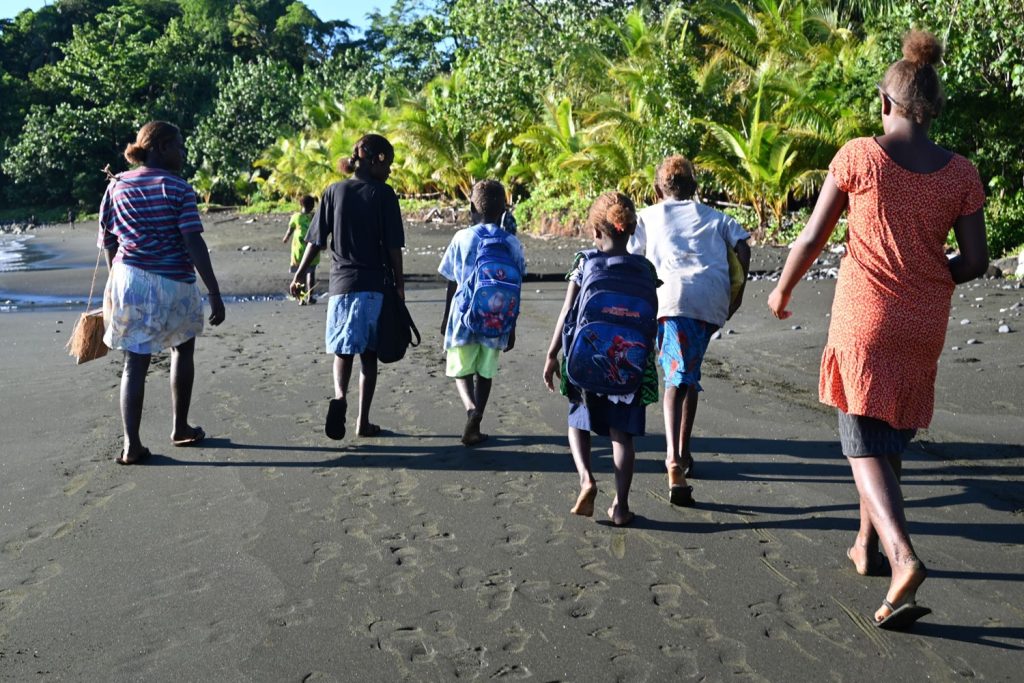
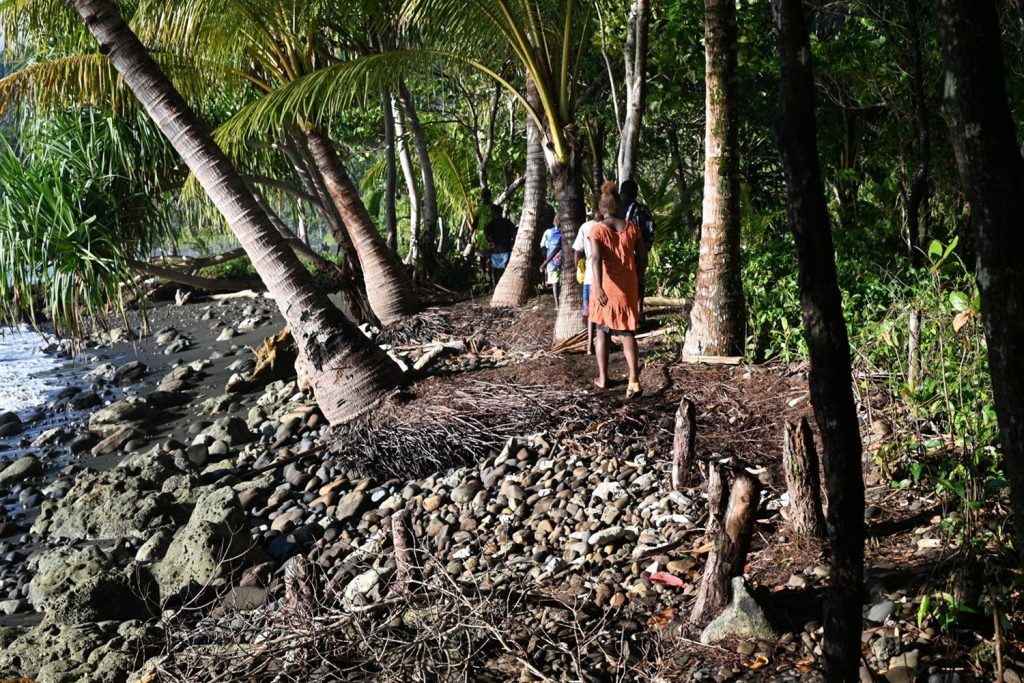
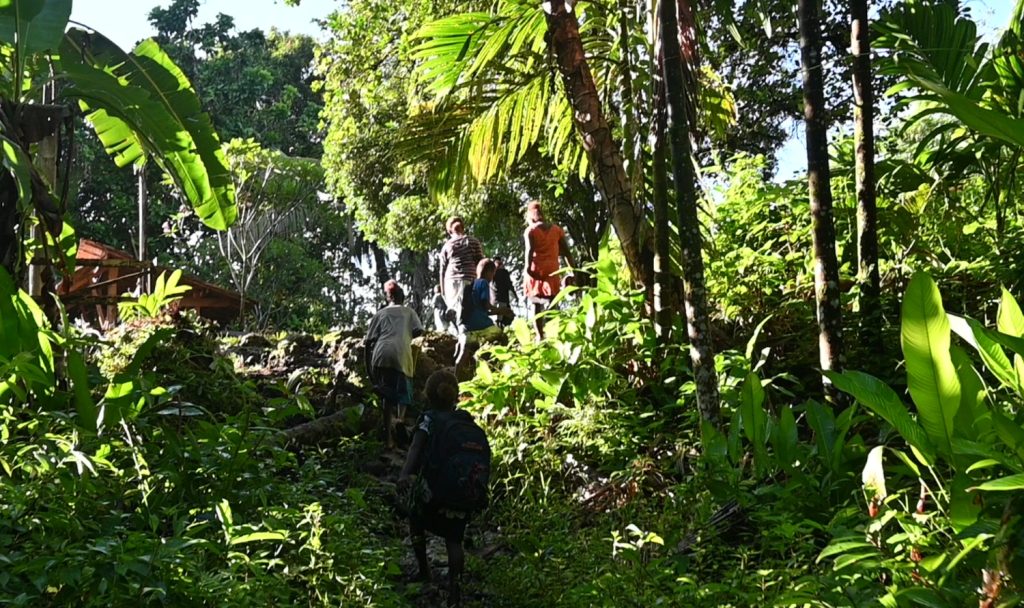
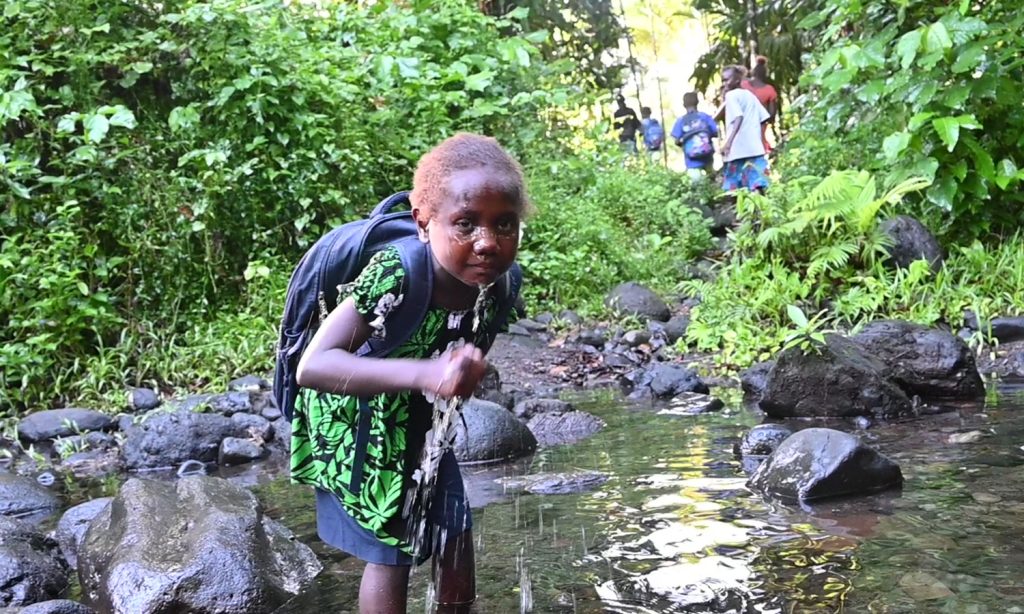
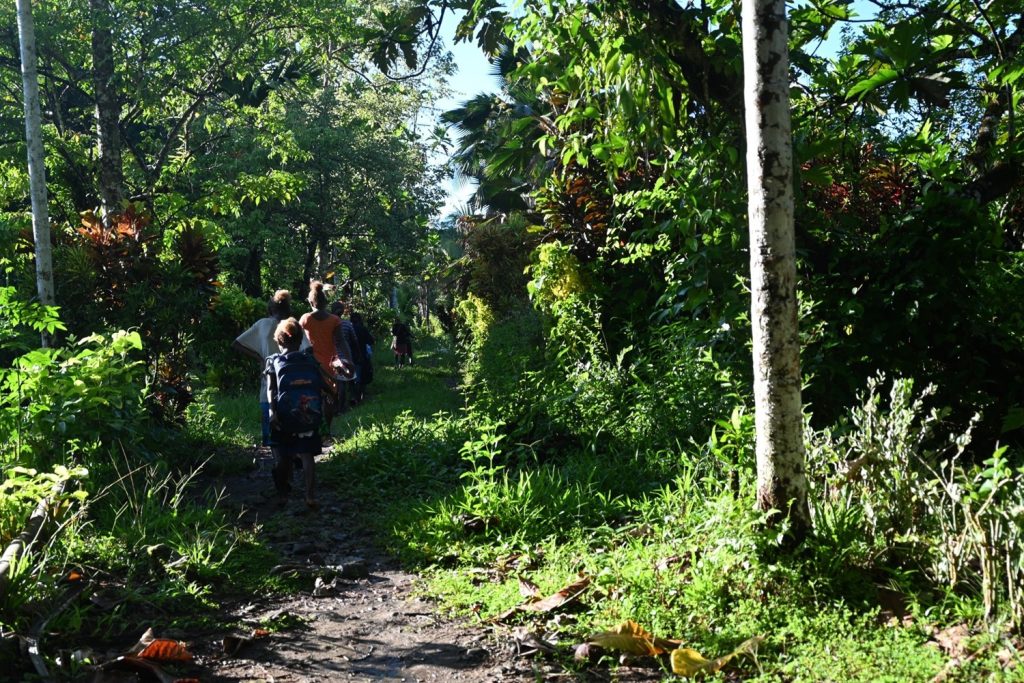
Along the way, they cross four rivers, climb treacherous slopes, and tread over sharp rocks that have bruised and bloodied countless feet. Some never make it to class; others return home with tears and injuries after slipping on the unforgiving terrain.
For 14-year-old Larrender Goletaru, this is a path of both pain and purpose. She has walked this same road for the past seven years, the same road her aunt, Mabent Sidu, once took three decades ago.
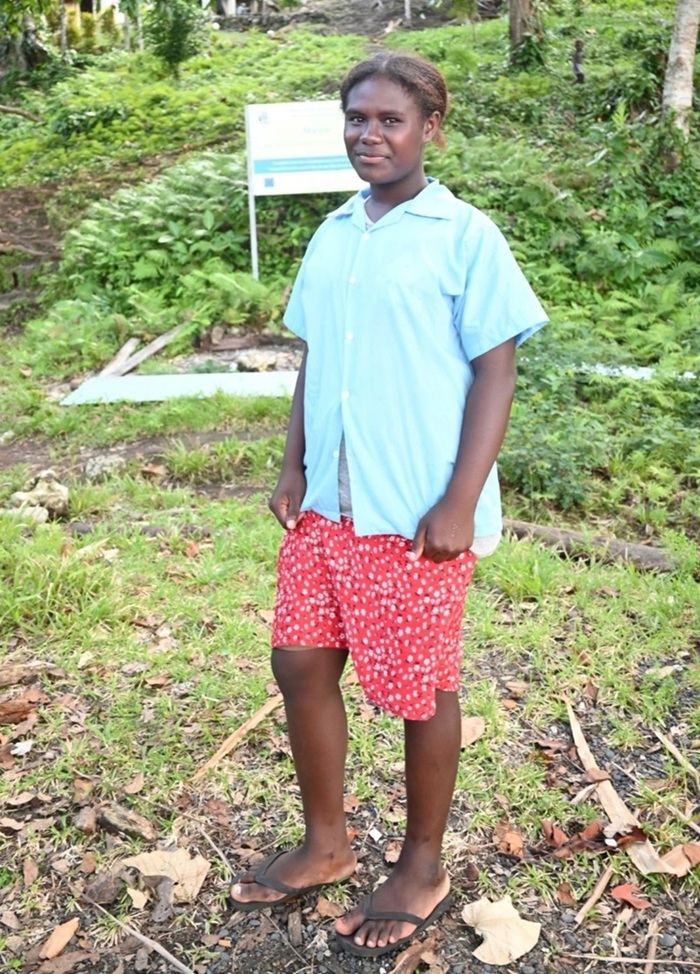
“I wake up every morning at 5:30, get ready, eat breakfast if I’m lucky, and start trekking.
“Sometimes heavy rain meets us mid-way, and we hide under coconut trees. When my books and uniform get soaked, I just turn back home,” Goletaru shared softly.
When the rivers flood, students rely on community canoes, fragile wooden canoes that sometimes capsize, forcing them to swim back to safety.
Hunger, too, is a constant companion.
“Sometimes I walk to school with an empty stomach. If my parents have no money, I just go without food until 4 p.m.,” she said.
“But I keep going because I believe education is my way out. If I quit, all my parents’ sacrifices will mean nothing,” Goletaru added.
Her aunt, Mabent, knows that pain too well. Once a determined student herself, she gave up her schooling after years of struggle.
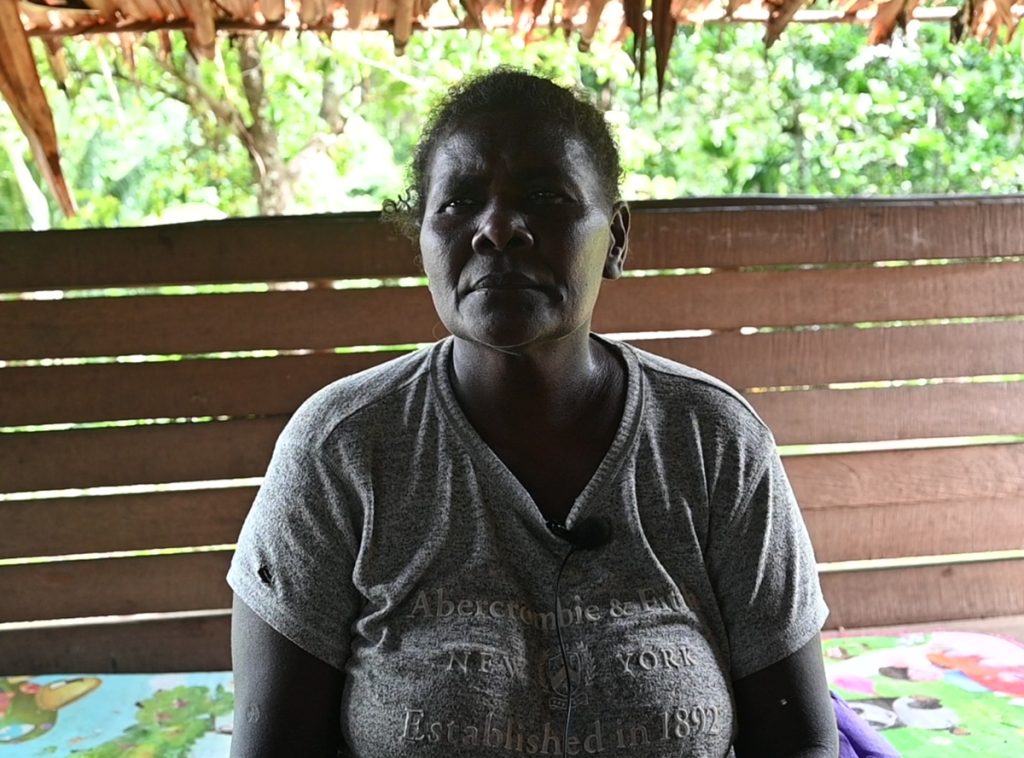
“Our parents wanted us to succeed, but the suffering was too much,” Mabent recalled.
“Now, seeing my niece walking the same road, it breaks my heart. We parent still struggle to support our children, sometimes they leave home with no breakfast, no lunch, not even a coin for food,” she said while her eyes socked with tears.
For elders like Denty Aqolo of Marava, watching the children pass by each morning is both pride and sorrow.
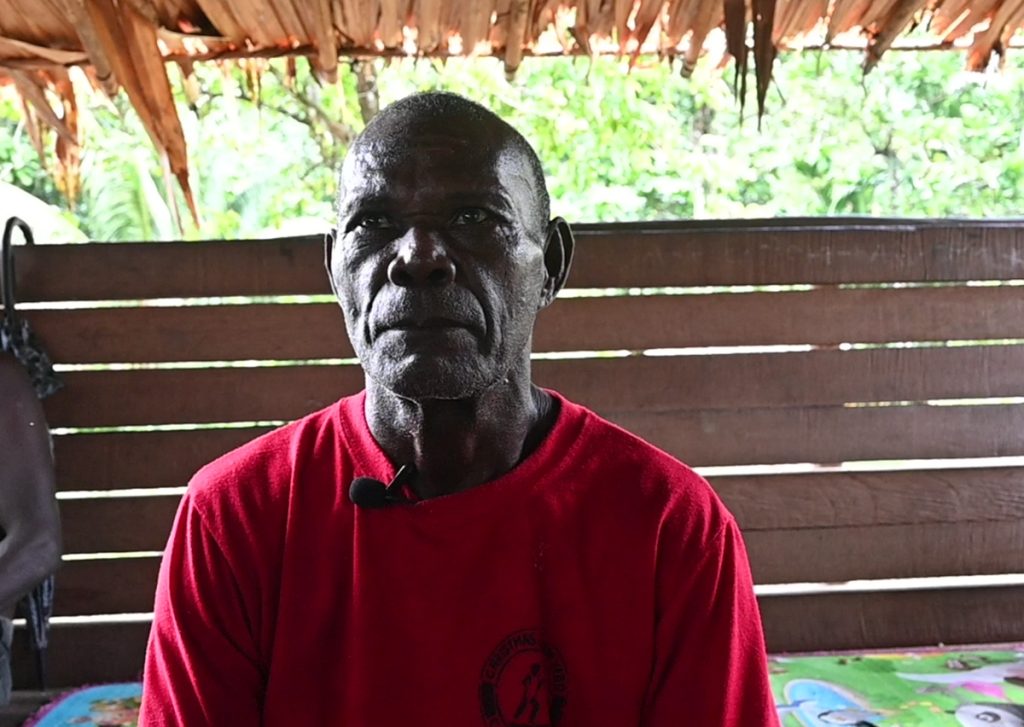
“I see them walk past my house every day,” he said quietly.
“It hurts to watch, but what can I do? I’m just a village elder. The government must come and see for themselves, see our pain and feel our struggles,” Agolo said.
In Marava and Niubare, education is not just a right, it’s a test of endurance, courage, and faith.
These children carry not only their schoolbags but the hopes of generations who still wait for fairness in the distribution of basic services such as education and health.
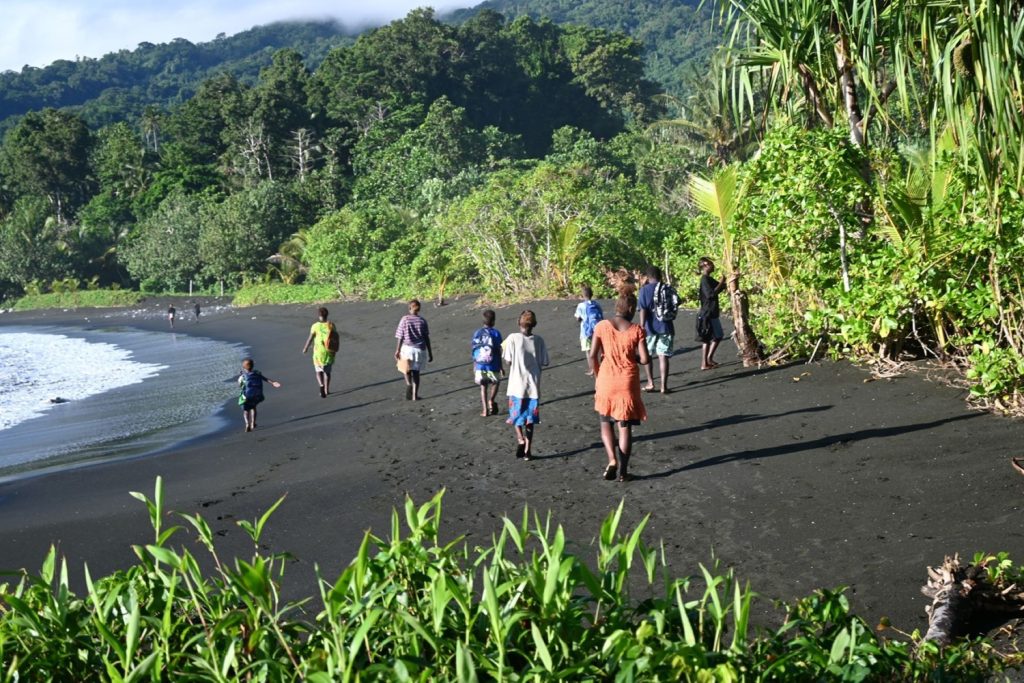
Until that day comes, they will keep walking, across rivers, through rain, and over rocks, chasing a dream that, for now, feels as distant as the classroom they struggle to reach.
*Reporting for this story was supported by Pacific Media Assistance Scheme (PACMAS)
For feedback, contact: [email protected]




What has Western Education Authority done over these years? As if this is a new challenge. My heart goes out to the many children suffering inorder to access Education
I read through with tears. As a former student and teacher at Pienuna, it is really sad to see students struggling everyday just to receive education. This needs the attention of all stakeholders to address it.