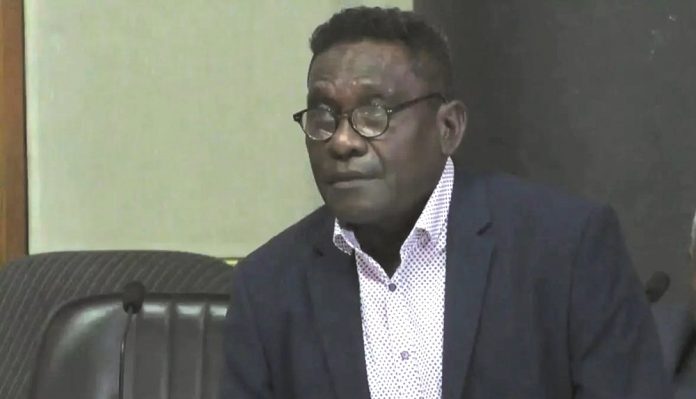
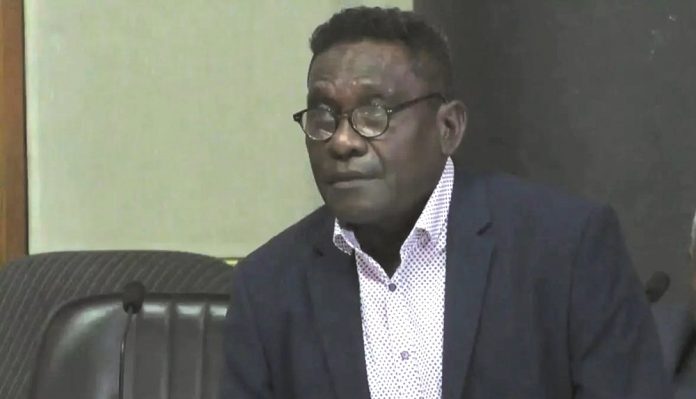
PUBLIC Accounts Committee Chairman and Central Honiara MP Gordon Darcy Lilo has urged the government to proceed cautiously with the proposed move towards federalism, warning that weak regional economies could undermine the entire reform.
Speaking in Parliament yesterday, Lilo said federalism is a national issue that leaders must confront “head on” before the country commits fully to federalism.
He referred to recent discussions on cost–benefit analysis and economic modelling associated with the federal system, saying that while resolutions have already been passed to pursue federalism, the economic realities on the ground must not be ignored.
“Economic modelling is easier said than done,” Lilo said, cautioning that many regions in Solomon Islands operate on very thin economic bases.
He said applying economic models developed for larger or stronger economies onto provinces with limited economic activity may not work and could create further imbalances.
“Some of these regions have very thin-scale economies. Planting a model designed elsewhere into that kind of economy may not work here,” he said.
Lilo said that before any economic modelling is applied under a federal system, deliberate efforts must be made to drive investment into all regions.
“It is incumbent upon all of us as leaders to think about what can work in every region,” he said, adding that regional economic development is fundamental to the success of any federal arrangement.
He suggested the establishment of a national team or a coordinated approach that challenges provinces to identify viable regional investment opportunities, rather than relying solely on abstract economic models.
Addressing the Prime Minister directly, Lilo said the first and most important task is to build strong and sustainable regional economies.
“How can we build the economy for all regions before we apply any economic modelling to them?” he asked.
Leader of the Independent Group in Parliament and Member of Parliament for East Malaita, Manasseh Maelanga, is calling for a shift away from the culture of handouts and dependency on the Rural Constituency Development Fund (CDF).
He made this call when speaking during the Sine Die Motion in parliament this week; highlighting the negative impact the culture has had on the people.
“For too long, our people have been trapped in a cycle of dependency.
“We’ve become too comfortable with handouts, and there’s now an over-reliance on constituency development funds and direct cash assistance from Members of Parliament,” Maelanga said.
While acknowledging that these interventions were intended as short-term relief, Maelanga emphasized that they were never meant to become a permanent way of life.
“We must begin a deliberate shift away from this culture.
“It has weakened initiative, stifled innovation, and reduced productivity,” he said.
The Independent Leader also supported the caution expressed by former Prime Minister and MP for East Choiseul, Manasseh Sogavare, who warned Parliament against relying on grants without taking the lead in the country’s development.
Maelanga said the current approach has not worked, and he believes it will not work in the future either.
Instead, Maelanga stressed the importance of building strong, sustainable institutions that are government-backed, clearly mandated, professionally managed, and rooted in integrity.
“These institutions must not exist only on paper. They must be empowered to design and implement real programs that improve basic services in health, education, infrastructure, agriculture, and economic participation,” he said.
He added that while Members of Parliament and governments will come and go, these institutions must endure.
“They must outlast political cycles. They must stand firm as the permanent pillars that serve our people long after today’s leaders have left this house,” Maelanga said.
As the tropical low system in the east of the country moves away, the public is encouraged to exercise caution during rain, wind and rough seas.
The Solomon Islands Meteorological Services (SIMS) has cancelled the Special Weather Bulletin previously issued for Temotu Province, confirming that the threat posed by Tropical Low TD03F has eased.
In a cancellation notice issued at 2:30 pm on Tuesday, December 16, 2025, the weather office advised that the system is no longer expected to impact Anuta and Tikopia Islands with damaging winds.
According to the latest update, Tropical Low TD03F was located near latitude 15.4 degrees south and longitude 172.1 degrees east, approximately 237 nautical miles (about 440 kilometres) south-southeast of Tikopia Island.
The system had a central pressure of 1002 hectopascals at the time of observation.
SIMS said the tropical low is continuing to move south-eastward, tracking away from the Solomon Islands and towards the eastern parts of Vanuatu.
As a result, winds of 33 knots or more are no longer expected to affect Temotu Province.
However, the weather office has cautioned that sea conditions around Anuta and Tikopia will remain moderate to rough for some time, with moderate swells still present, although these are expected to gradually subside.
Authorities have advised mariners and local communities to continue exercising caution at sea until conditions fully improve.
SIMS said this cancellation marks the final advisory on Tropical Low TD03F, unless the system changes course or poses a renewed threat to any part of the country.
As mining companies move in to replace logging, the risks to land, culture, and future generations continue and the people most affected should be the ones leading the response.
The ICAAD (International Centre for Advocates Against Discrimination), the Development Services Exchange (DSE), Apunepara Ha’amwa’ora Natural Resources Association (AHRNA), and a CBO from Lauru/Choiseul Province have partnered to develop a mining toolkit.
The Mining Toolkit is supported and funded by the Earth Rising Foundation.
This toolkit empowers communities across the Solomon Islands to influence decision makers about mining and to protect what matters most to them.
The toolkit helps communities to ask the right questions, understand the laws, and organise effectively so that their voice matters in decisions about their future and the power to shape what happens in their community.
This toolkit was designed to support landowners, community leaders, conservation groups, and individuals who care about their communities and the environment to rebuild their power to make decisions in the best interests of present and future generations.
The toolkit resource brings together strategies, legal knowledge, and community organising tools shaped by shared experience and commitment to indigenous self-determination, environmental justice, and climate action from collaborative parties.
It has been stipulated in the toolkit that communities have real power when they understand how decisions are made, know their rights and work together, and provide a brief explanation of how the extractive industries are connected to larger systems shaped by long histories of who holds power and who doesn’t.
The mining toolkit also looks at what the laws are, helping communities and individuals to decide whether there is a need to change the rules and or advocate to enforce existing law.
The Development Services Exchange (DSE), through the ICAAD (International Centre for Advocates Against Discrimination), Apunepara Ha’amwa’ora Natural Resources Association (AHRNA), and a CBO from Lauru/Choiseul Province have urged landowners, communities and individuals to utilise the mining toolkit for advocacy when it comes to extractive industries.
The Mining toolkit online version can be accessed through htts://icaad.ngo/toolkit-solomon-islands/
Opposition Leader Matthew Wale has criticised the government’s handling of education costs, claiming that excessive school fees are effectively barring families from sending their children to school.
Wale made the statement when contributing to the Sine Die Motion in parliament on Monday.
He argued that the rising expenses across all levels of the education system—early childhood education (ECE), primary, secondary, technical vocational education and training (TVET), and the Solomon Islands National University (SINU)—are unsustainable and demand immediate reform.
“The cost of education is becoming too expensive at all levels of our education system.
“This is something that is directly under the control of the Government, but somehow has slipped. ECE, Primary, Secondary, TVET and SINU are all expensive,” said Wale.
He stressed that it is as if school fees are set to prohibit families from sending their kids to school.
“School fees are higher than annual income of parents, and in some cases more than double the annual income,” Wale added.
He also questioned how long this situation will continue.
Wale urges the government to make education free, or at the very least, reduce fees to a reasonable percentage of per capita annual income.
He pointed out that while the Government National Unity Team (GNUT) has the authority to address this, inaction has allowed the crisis to persist.
The Opposition Leader also highlighted housing as another pressing issue, accusing the government of neglecting a comprehensive policy response.
He described urban centers as exhibiting stark class divides, with rents far beyond the affordability of many Solomon Islanders.
“Housing is the other critical area requiring strong and clear comprehensive policy response.
“The current policy position is to neglect it; the result is the high rent that is beyond the affordability of many Solomon Islands.
“Urban centres are showing clear class divide when it comes to housing. Bank lending, government incentives, land availability and values, infrastructure and access to public utilities are important sector but neglect cannot be an option,” Wale said.
On the economic front, Wale acknowledged the government’s identification of growth potential in sectors like minerals, tourism, fisheries, agriculture, infrastructure development, telecommunication, aviation, and commerce.
However, he criticized the lack of decisive action to unlock these opportunities.
“It is one thing to identify these growth sectors, but it is quite another to realise their true potential.
“It is the role of government policy to unlock that potential, both fiscal and other policy,” he said.
“This is where there is clear lethargy the government cannot do everything and that is certainly not what I am saying, however Government is the key player in enabling other players to do their potential,” said Wale.
Wale specifically targeted the 2026 budget, claiming it lacks transformative initiatives.
To address this, he proposed a bold allocation.
“To unlock the potential in these sectors, the government needs the will to set aside three billion dollars per year for the next three years, allocated targeted initiatives,” he said.
Wale’s remarks come amid growing public discontent over living costs in the Solomon Islands, with education and housing emerging as key battlegrounds in political discourse.
Leader of the Independent Group in Parliament and Member of Parliament for East Malaita, Manasseh Maelanga, calls for greater prioritisation of investment in the country’s youths.
He made the call, when contributing to the Sine Die Motion in parliament this week, noting that young people are often overlooked in national planning and budgeting processes.
Maelanga said youths continue to face high levels of unemployment, limited access to quality education, and few opportunities to meaningfully participate in economic and community development.
He emphasized that investing in youths is an investment in national security, social stability, and economic growth.
“We must ensure that programmes targeting skills development, entrepreneurship, education, sports, and civic participation are adequately funded and properly managed,” Maelanga said.
He added that young people must be empowered to take on leadership roles, innovate, and contribute to nation-building rather than rely on handouts.
The Independent Group leader also stressed that the condition of today’s youth will determine the country’s future prosperity.
“It is our duty to act decisively to provide them with the tools, opportunities, and guidance they need to succeed,” he said.
Maelanga further calls on the Ministry of Women, Youth, Children and Family Affairs (MWYCFA) to increase its investment in youth through tangible support, urging the ministry to develop more targeted programmes for young people across the country.
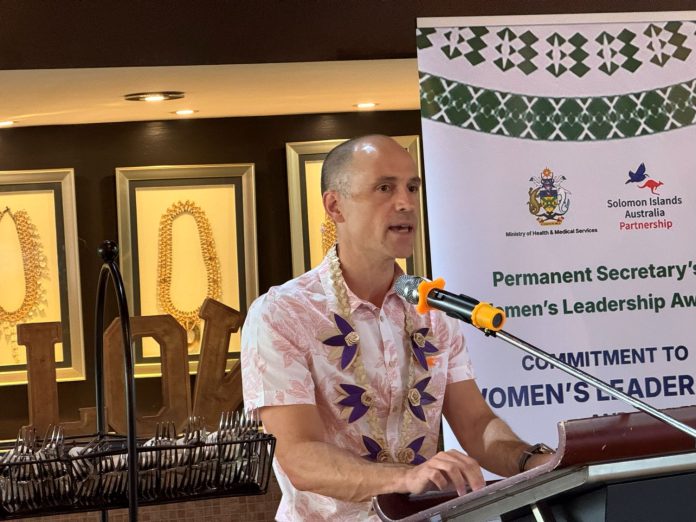
Andrew Schloeffel, Deputy Australian High Commissioner to Solomon Islands said when women lead, health systems thrive.
He voiced the sentiment at last week’s launch of “Women’s Leadership Initiative” at Heritage Park Hotel.
Speaking at the launching event of the Ministry of Health and Medical Services (MHMS) and Solomon Islands Australia Partnership, Schloeffel said the day is one about recognition and action.
He stressed that the day is about recognition of the incredible women who lead across the health sector and action to break down barriers that still hold women back in this important sector.
Schloeffel also acknowledged Pauline McNeil, Permanent Secretary for MHMS in taking the lead in the initiative.
“Let me first once again commend the PS for championing this initiative, a milestone for women in health under her leadership,” he said.
Schloeffel said leadership must reflect the talent and diversity of those who deliver care every single day in this country.
On this note, he mentioned that across Solomon Islands and across the world, women are the backbone of health delivery.
Schloeffel added that although women make-up 70 percent of the global health workforce yet they only hold 25 percent of senior leadership roles.
“When women lead, health systems thrive. Women leaders prioritise maternal and child health care, champion preventative care and ensure resources reach those most in need. They foster collaboration.
“They foster and drive innovation and build resilience in times of crisis,” he said.
Schloeffel went on to state that empowering women is therefore isn’t just the right thing to do but is the smart thing to do because it creates health systems that are inclusive, effective and sustainable for everyone.
Thus, he said Australia is proud to stand with the Ministry of Health and Medical Services to advance women’s leadership.
“And under our new health partnership, we are committing $2 million to strengthen women’s leadership at the national and at the provincial levels. Through networking, mentoring and partnership.
“This initiative is led and driven by the Ministry and guided by the Women in Leadership Awards Committee, aligning with the National Health Strategic Plan and workforce equity priorities,” said Schloeffel.
He added that this is part of the bigger picture as over the past 12 years, Australia has invested over $300 million in initiatives supporting women’s leadership and women’s empowerment.
In relation, Schloeffel said in the past weeks, during her visit, Senator Nita Green announced an additional $46 million over three years through our Gender Equality Partnership.
“Plus, the new Pacific Strong, amplifying to end violence against women and girls’ initiative, will bring an extra $30 million to strengthen frontline crisis services for women and girls affected by gender-based violence,” he added.
Schloeffel said the Women’s Leadership Initiative is more than recognition as it is also a call to action.
Schloeffel calls on everyone to continue to work together; government, partners and communities, to ensure that these pathways are not just open, but are embedded for the future.
“It is a huge privilege to be here. And it is an absolute commitment of the Australian Government to support women in leadership and to support women’s equity across the Solomon Islands in every single field,” he said.
MP Gordon Darcy Lilo declares Central Honiara constituency a drug-free zone, warns of harsh measures
BY NED GAGAHE
MEMBER of Parliament for Central Honiara, Gordon Darcy Lilo, has declared the constituency a drug-free constituency, warning that the growing drug problem in Honiara has reached a dangerous and critical level.
Speaking in Parliament during the Sine Die Motion yesterday, Lilo said strong and immediate action is needed to protect communities, especially young people, from the deepening drug crisis.
“The drug problem in our city has reached a very serious level. This must be a zero-tolerance approach,” Lilo told Parliament.
He said that posters declaring a zero-tolerance stance on drugs will soon be displayed throughout the Honiara boundary, reinforcing the message that drugs will not be tolerated in Central Honiara.
Lilo warned that individuals who host, distribute, or facilitate drugs, whether in homes, hotels, or other premises, will be pursued and prosecuted.
“Those involved will be dealt with using all legal avenues available,” he said, adding that he will work closely with the Ministry of Health and the Royal Solomon Islands Police Force to strengthen enforcement and community awareness.
The Central Honiara MP appealed directly to Prime Minister Jeremiah Manele to support efforts to curb the drug crisis, noting that the problem is now deeply embedded in society and poses a serious threat to national stability.
Lilo also raised alarming reports linking drugs to illegal gold trading, calling on the Minister for Police to urgently investigate the matter.
“If we fail to control this situation, our youth will turn against society and the system itself.
“We must not allow that to happen,” he warned.
As Chairman of the Public Accounts Committee, Lilo said the Committee has recommended increased funding for the Ministry of Youth and called for a possible mid-term or quarterly fiscal review in 2026 to provide additional resources for youth programmes.
He further proposed a national youth summit, bringing together young people, children, and key stakeholders to develop a coordinated national response. He said the approach must be multifaceted, involving education, health, policing, agriculture, and economic opportunities aimed at building youth capacity.
Lilo also welcomed government support for the proposed National Youth Centre, describing it as a crucial investment given the high concentration of youth in Honiara. The centre, he said, would focus on entrepreneurship, skills training, education, and meaningful youth engagement.
“I will engage with the Honiara City Council to identify space for this initiative,” he said, adding that the programme is about investing in young people as the citizens of tomorrow.
Lilo said his remarks reflect a forward-looking vision as the country prepares for 2026, expressing satisfaction with progress made in Central Honiara and reaffirming his commitment to continue serving his constituents.
Searching for health service is a daily ordeal for Mami community in Star harbour-Makira Ulawa Province.
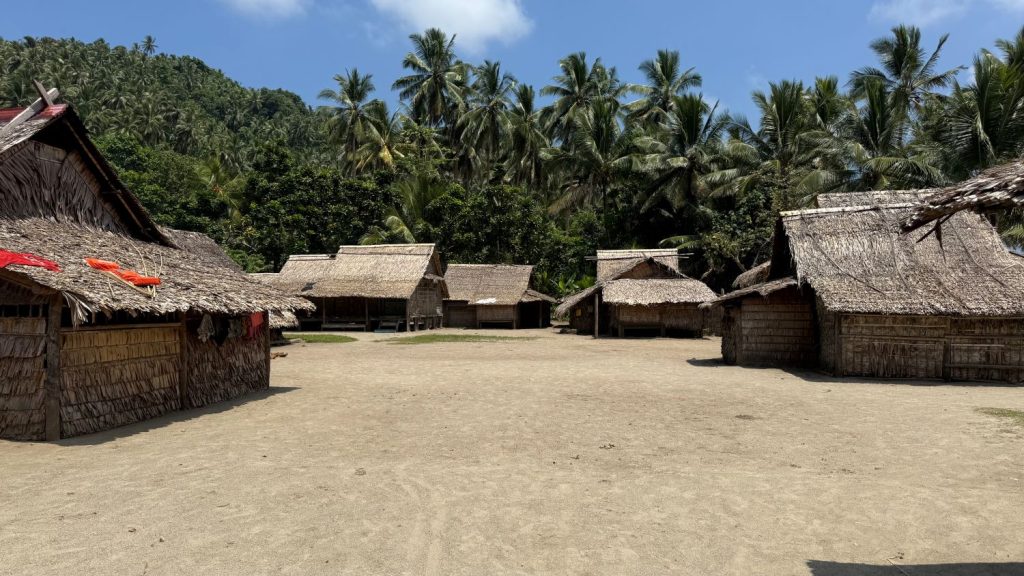
Mami village
Located in the far end of the province, Mami village is the last community on the island.
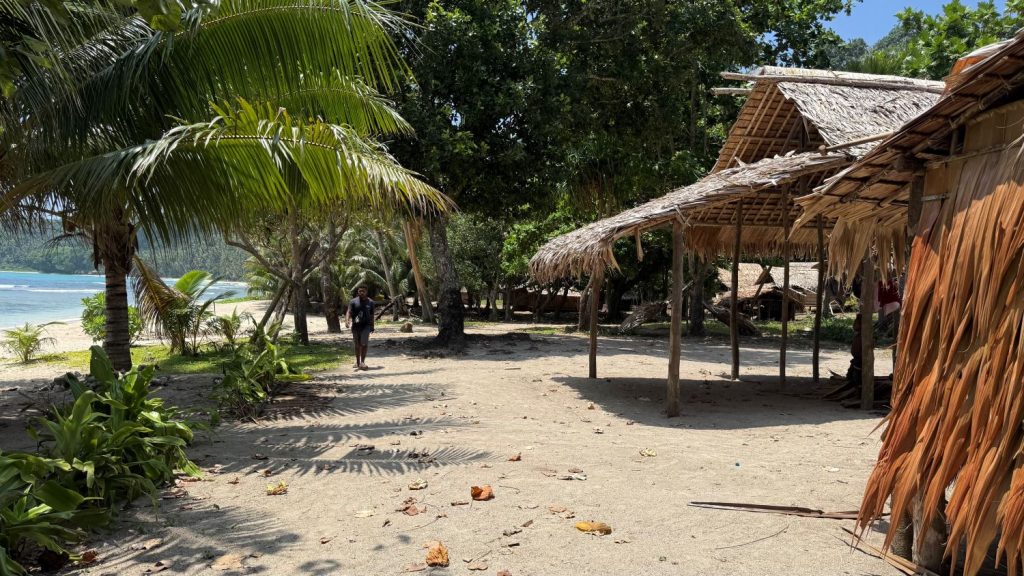
Mami village sea side view
It is a paradise of its own with white sandy beaches and a simple community setting making it hidden paradise of more than four to five hundred in population including those in surrounding settlements.
It is also a community with a high teen age pregnancy rate in the North Star Harbour area due to lack of health awareness and medical outreach to the community on health risks and family planning programmes.
The only nearest clinic facility, Namuga Area Health Centre (AHC) is a two-to-three-hour journey by dug-out canoes and twenty minutes by boat.
However, not everyone has access to boats as dug-out canoes is the only way for villagers to get to the clinic.
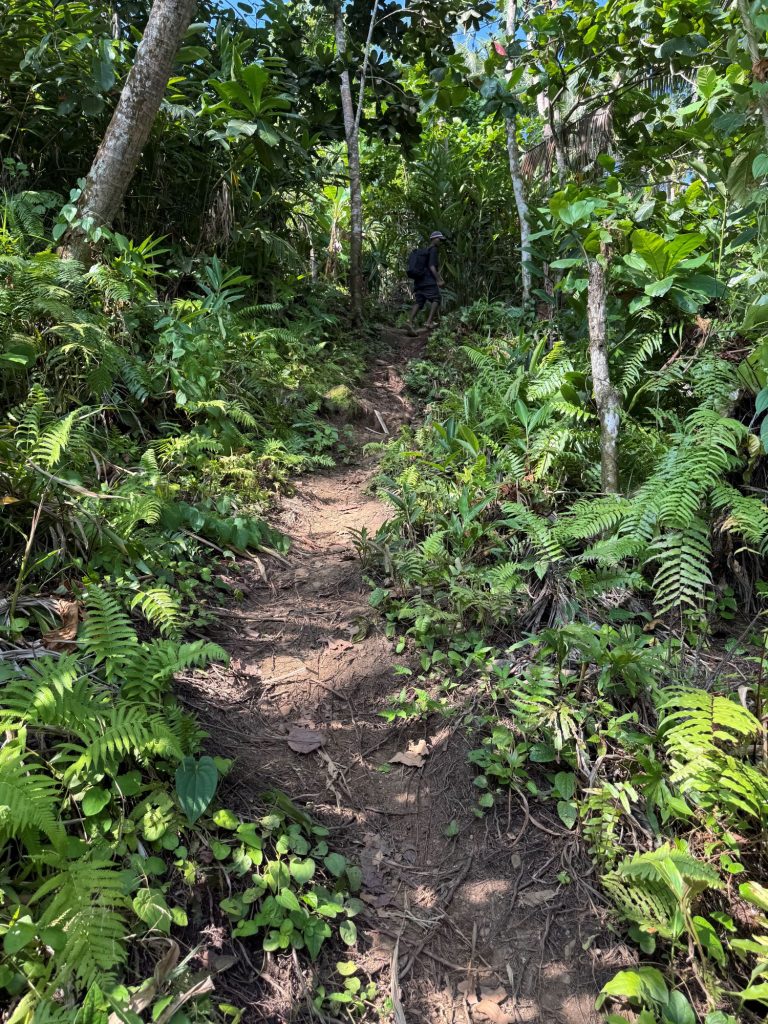
Steep hill behind Mami village
Travelling to Namuga means villagers have to climb a steep hill for about three minutes before taking another ten to fifteen minutes to walk down to the nearest shore to take a canoe or boat to Namuga.
Meanwhile, there are a few single mothers who have raised their children on their own and with no canoes, they had to walk, crossing steep mountains and rocky hills for three to four hours to get to the clinic and another three to four hours to head back to the village.
This issue had caused a few women who during the height of their labour period with no strength to climb the hill to the nearest shore to take a canoe to deliver their babies at home with no proper medical attention for the newborn babies.
Sadly, a few unlucky babies lost their lives as clinic is too far from the village.
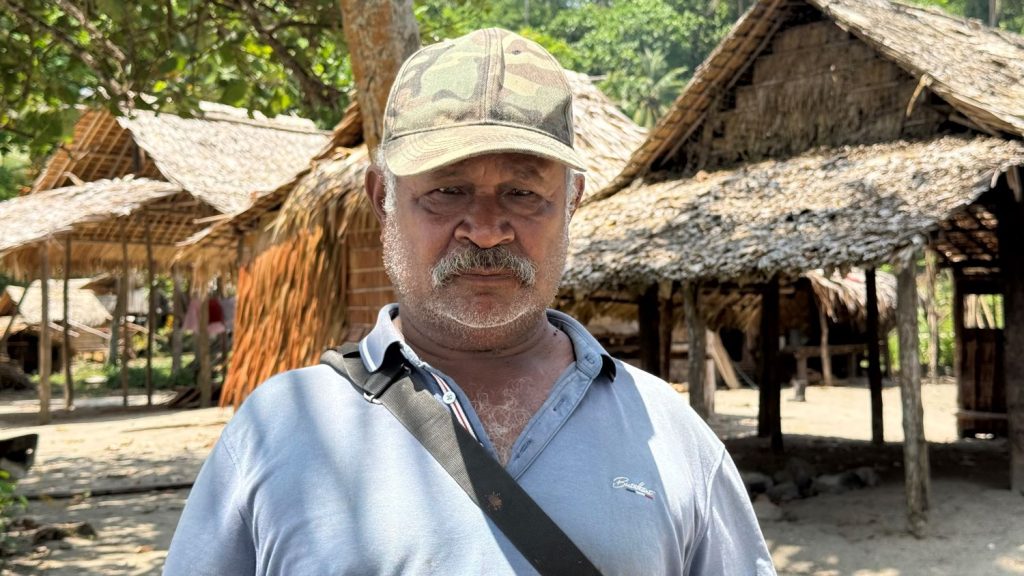
Cravis Pako, a community elder of Mami Village
Community elder, Cravis Pako expressed that the issue is an unnoticed issue of which the elderly and women with children are the most affected.
“Since we have been living like this, people seem to feel normal overthinking that the issue is normal but its not.
“Our old age and women with children are the victims of this issue,” he said.
“Health service has been a daily struggle for Mami community, more especially for old age people and women in labour and those vulnerable,” he added.
Few mothers never get to reach the clinic in Namuga and during the middle of their journey, they are forced to have their babies along the way.
“One sad reality that happened before our eyes is about one woman who was travelling to Namuga.
“She was in labour and along the way, she couldn’t make it to the clinic and was forced to have her baby in a fence of pigs where she also took shelter and rested.
“This really hits us hard and breaks our heart. But what can we say? That’s reality we face in the community in term of seeking health services,” he said.
Island Sun understands that with the delivery done in the unhealthy environment, the baby lost its life a few days later.
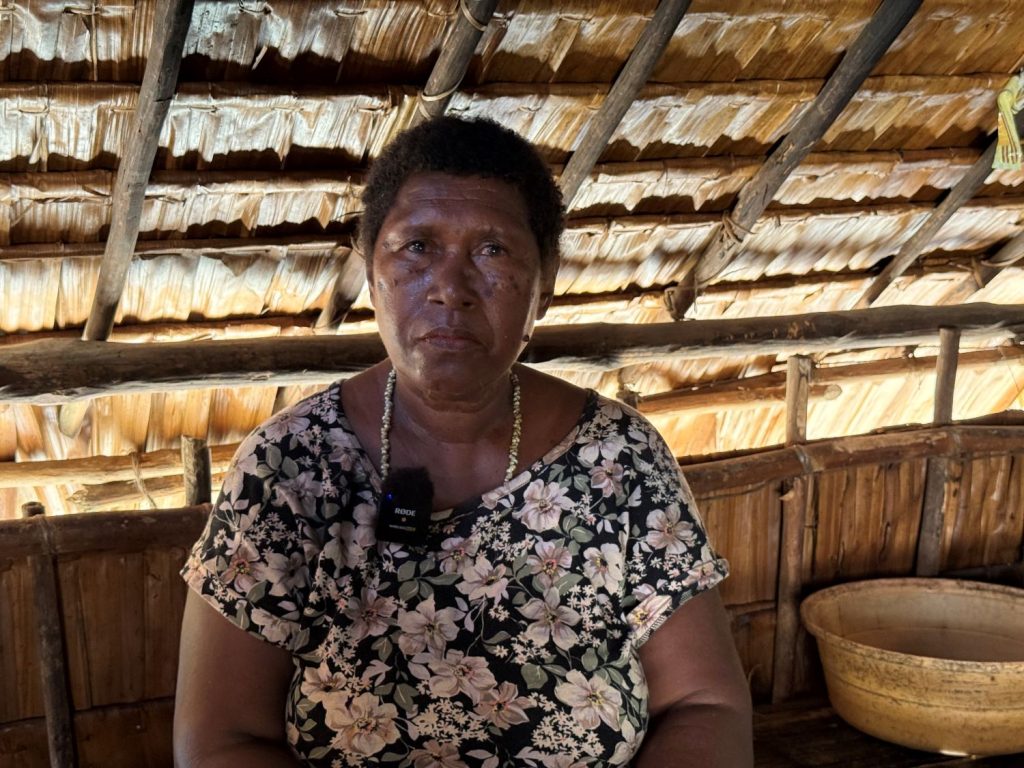
Matilda Kaqwaina, a concerned mother at Mami Village
A mother of eight Matilda Kabwaina told Island Sun that with the distance, all her children were born at her village.
When asked why about this, she expressed that it would be too painful for her to walk up a steep hill and then take a long walk to the canoe before going to the clinic.
“Its too tough for me as a mother especially when in labour. I just want to call on the authorities or whoever responsible to see our cry and help us,” she said.
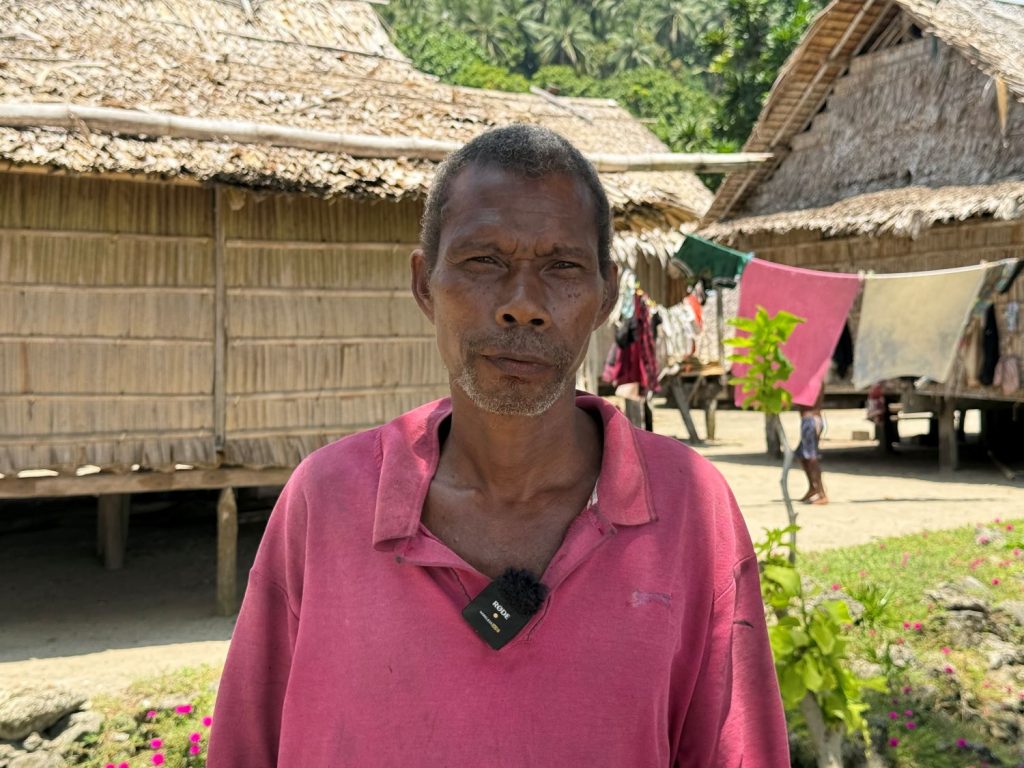
Dick Aife, an active member of Mami village
Dick Aife, one of the active senior men in the village shared how challenging it is when it comes to preparing the elderly to go to the clinic.
He said it is very challenging as they will carry them up the hill and down to the shoreline to catch a boat or a canoe to the clinic.
“When it comes to old age people, we usually build a bed/stretcher and lift them up the hill and take them cross before bringing them to the clinic.
“Its tough but we have to face it as it is the only way for our old age people to get health attention.
“Balancing an elderly man or a woman up the hill is really a challenge. Thanks to our young men and boys in the village that always shows up to work together to carry our old age people to seek medical attention.
“There are times when in bad weather-rain the road will usually slippery making it tough but we have to take our people despite the challenge,” he said.
“In few occasions, since the distance is too far for us, few of our old age people lost their lives along the way and if we had our own clinic, this would have not have happened,” he added.
A single mother also shared her experience.
“When having a baby, we have to struggle on our own, finding our way to the clinic.
“I speak here on behalf of all the women in the community more especially for us single mothers as we find it really difficult when in labour,” she said.
In some circumstances, a few women had had their babies at home with some even along the road on their way to the clinic, posing risks for both them and their babies.
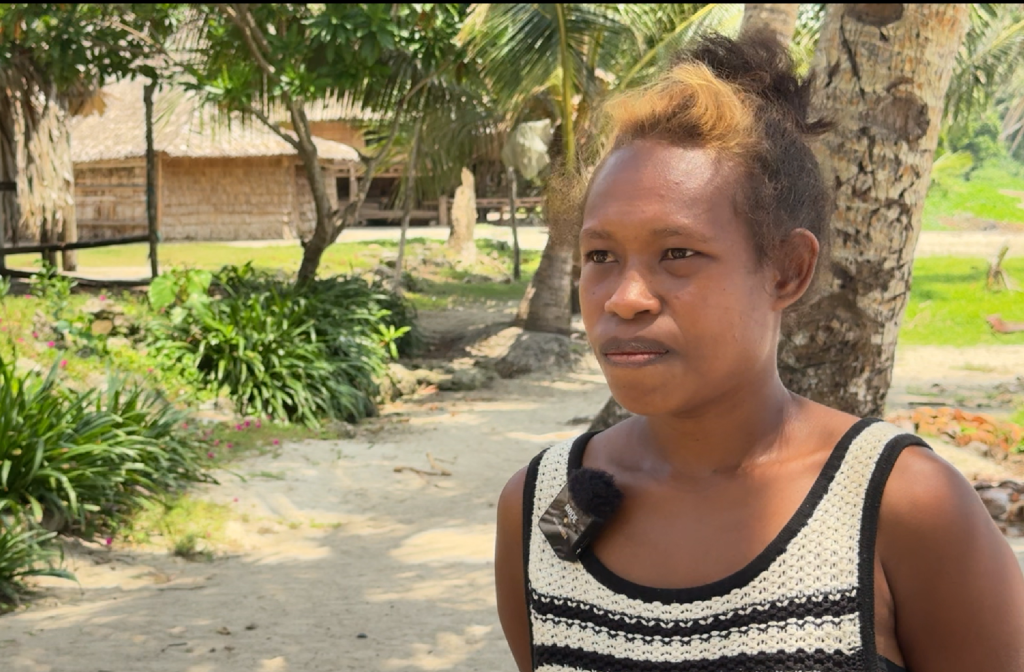
Lilian Kabwea sharing her story
Lilian, a member of the community calls on responsible authorities to hear their story and listen to their cry and to build a clinic close to the community so that people can get medical attention in close location.
“All I want from the authorities is to see our need and build a clinic for us so that we can get access in close distances rather than going out for more than to three hours searching for medical attention,” she said.
Island Sun understands that these concerns have been raised with authorities, but responses have been lacking.
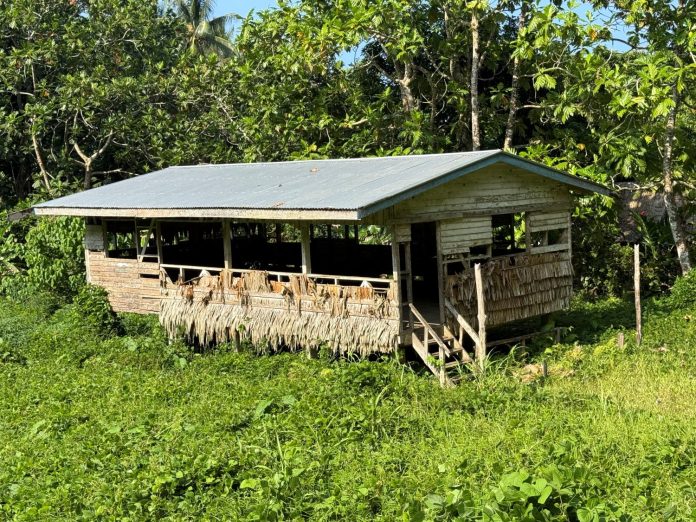
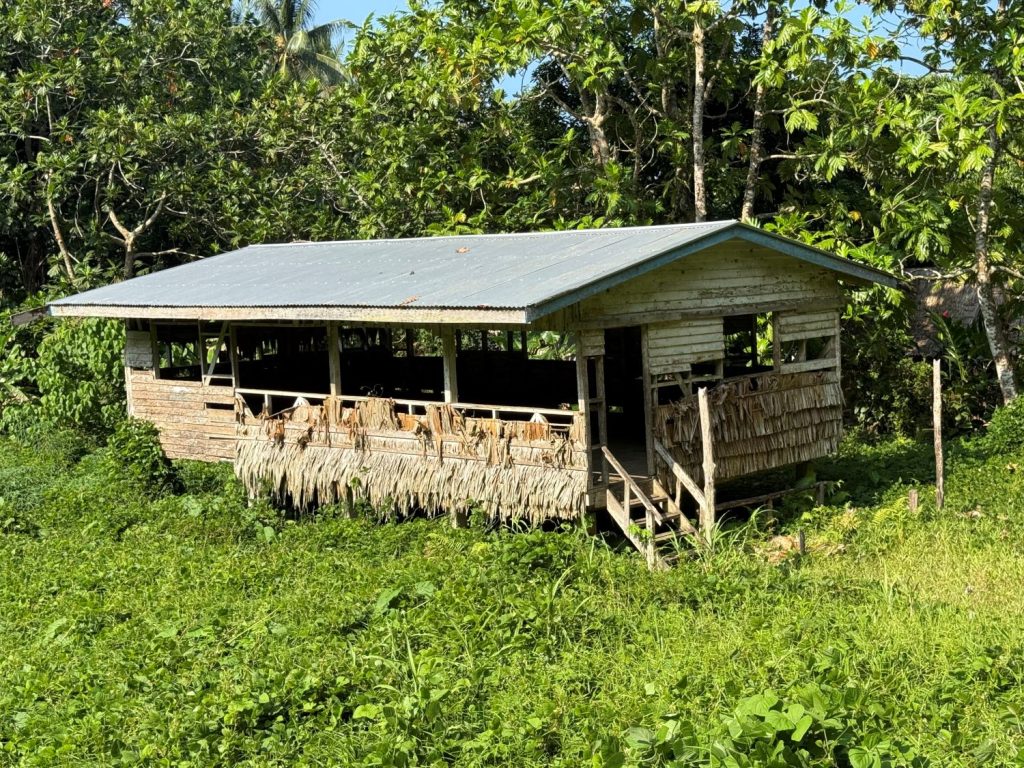
In late 2005, Provincial Member for Ward 14-North Star Harbour, Alfred Murray, secured funding to build a clinic in the area.
Failed clinic project
However, a change in leadership left the project incomplete, turning it into an abandoned shell—a symbol of broken promises.
As Mami village continues to thrive in its natural beauty, its people plead for intervention. A local clinic could transform lives, reduce risks for mothers and newborns and ease burdens on the elderly; fostering a healthier future.
For now, the community endures, their resilience a testament to the human spirit in the face of isolation.
But how long can they wait before paradise becomes a place of preventable tragedy?
*Reporting for this story was supported by Pacific Media Assistance Scheme (PACMAS)