BY MORRIS NAFU
Searching for health service is a daily ordeal for Mami community in Star harbour-Makira Ulawa Province.
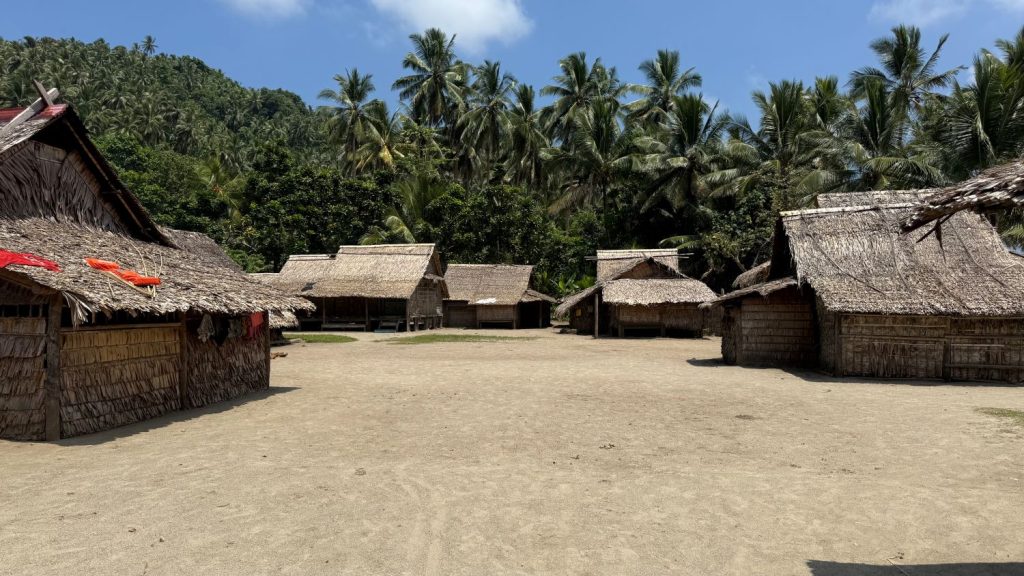
Located in the far end of the province, Mami village is the last community on the island.
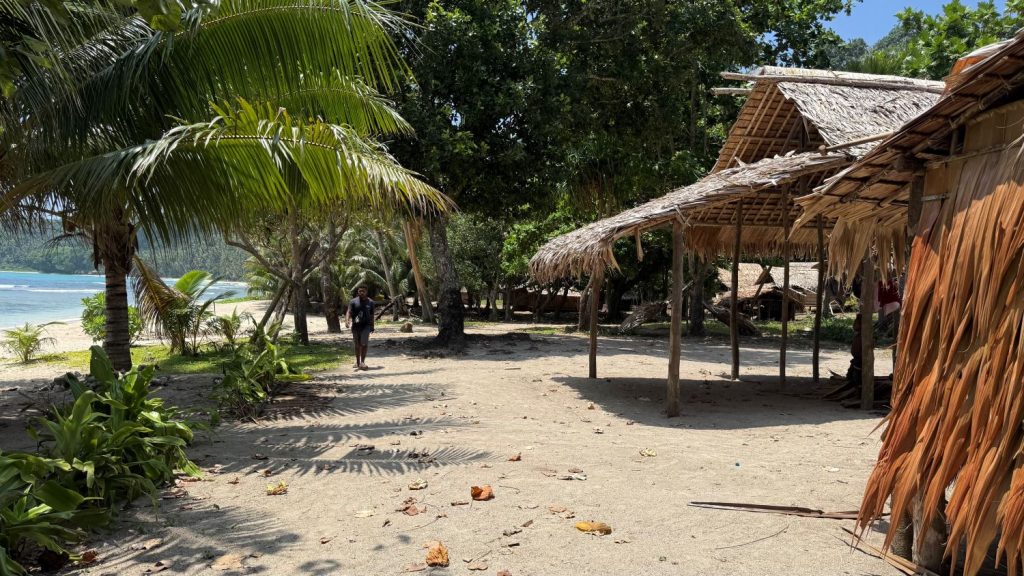
It is a paradise of its own with white sandy beaches and a simple community setting making it hidden paradise of more than four to five hundred in population including those in surrounding settlements.
It is also a community with a high teen age pregnancy rate in the North Star Harbour area due to lack of health awareness and medical outreach to the community on health risks and family planning programmes.
The only nearest clinic facility, Namuga Area Health Centre (AHC) is a two-to-three-hour journey by dug-out canoes and twenty minutes by boat.
However, not everyone has access to boats as dug-out canoes is the only way for villagers to get to the clinic.
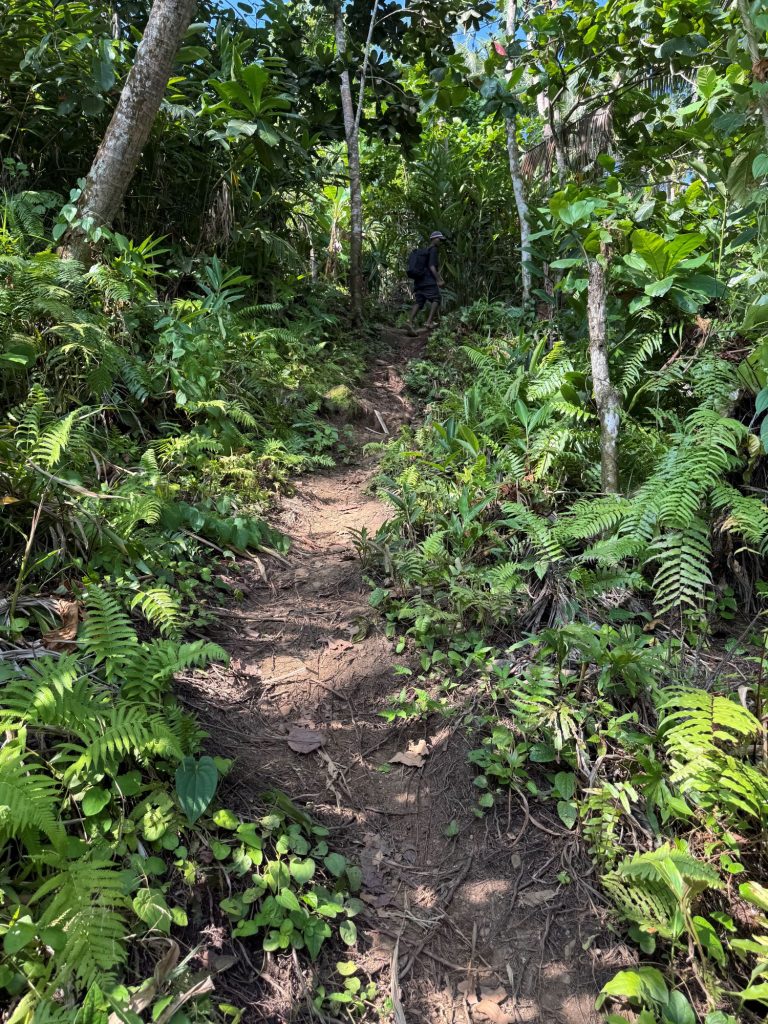
Travelling to Namuga means villagers have to climb a steep hill for about three minutes before taking another ten to fifteen minutes to walk down to the nearest shore to take a canoe or boat to Namuga.
Meanwhile, there are a few single mothers who have raised their children on their own and with no canoes, they had to walk, crossing steep mountains and rocky hills for three to four hours to get to the clinic and another three to four hours to head back to the village.
This issue had caused a few women who during the height of their labour period with no strength to climb the hill to the nearest shore to take a canoe to deliver their babies at home with no proper medical attention for the newborn babies.
Sadly, a few unlucky babies lost their lives as clinic is too far from the village.
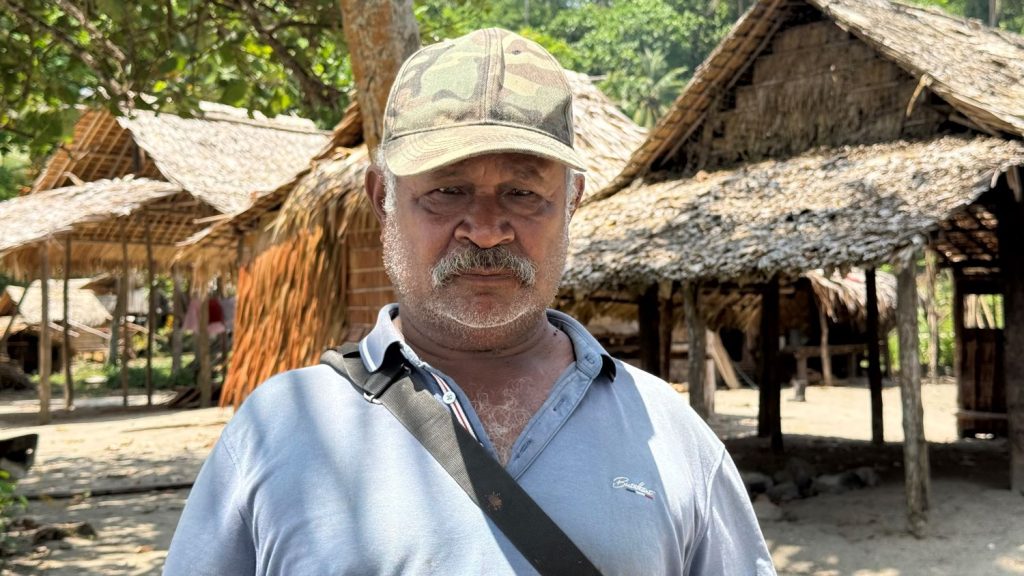
Community elder, Cravis Pako expressed that the issue is an unnoticed issue of which the elderly and women with children are the most affected.
“Since we have been living like this, people seem to feel normal overthinking that the issue is normal but its not.
“Our old age and women with children are the victims of this issue,” he said.
“Health service has been a daily struggle for Mami community, more especially for old age people and women in labour and those vulnerable,” he added.
Few mothers never get to reach the clinic in Namuga and during the middle of their journey, they are forced to have their babies along the way.
“One sad reality that happened before our eyes is about one woman who was travelling to Namuga.
“She was in labour and along the way, she couldn’t make it to the clinic and was forced to have her baby in a fence of pigs where she also took shelter and rested.
“This really hits us hard and breaks our heart. But what can we say? That’s reality we face in the community in term of seeking health services,” he said.
Island Sun understands that with the delivery done in the unhealthy environment, the baby lost its life a few days later.
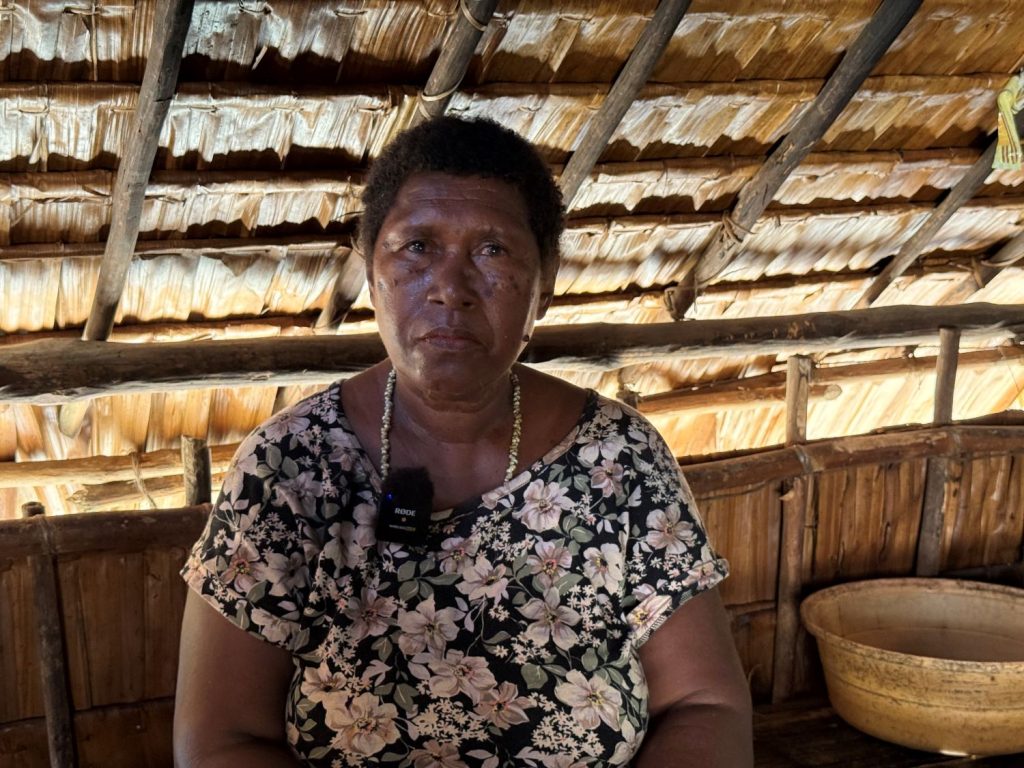
A mother of eight Matilda Kabwaina told Island Sun that with the distance, all her children were born at her village.
When asked why about this, she expressed that it would be too painful for her to walk up a steep hill and then take a long walk to the canoe before going to the clinic.
“Its too tough for me as a mother especially when in labour. I just want to call on the authorities or whoever responsible to see our cry and help us,” she said.
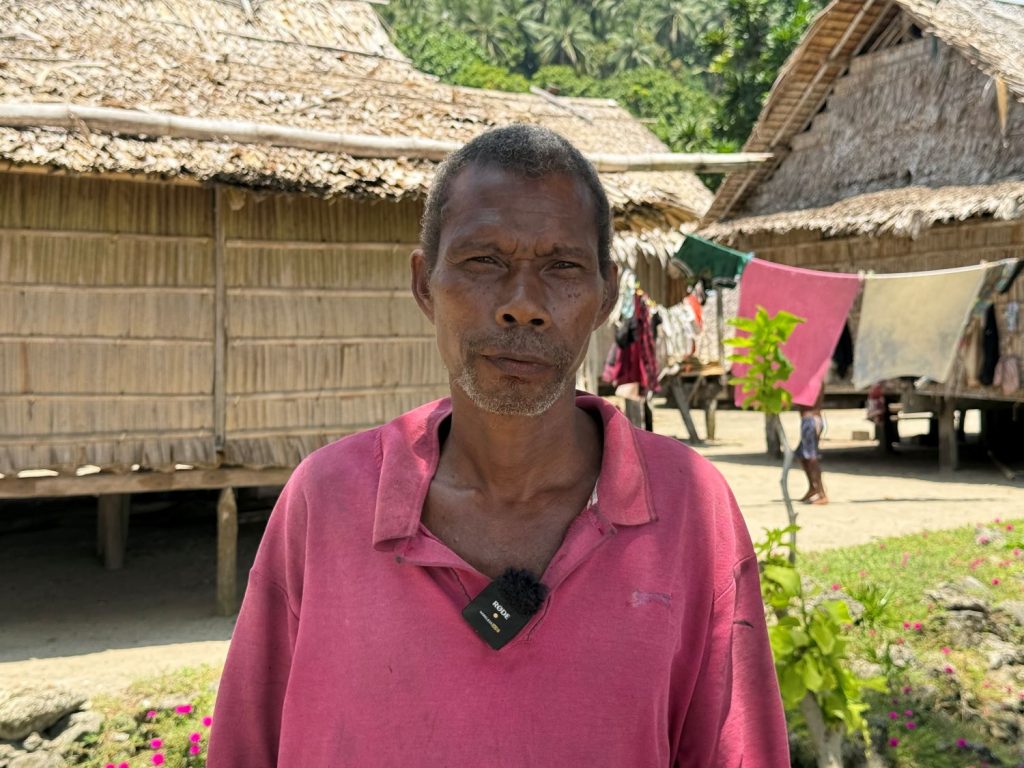
Dick Aife, one of the active senior men in the village shared how challenging it is when it comes to preparing the elderly to go to the clinic.
He said it is very challenging as they will carry them up the hill and down to the shoreline to catch a boat or a canoe to the clinic.
“When it comes to old age people, we usually build a bed/stretcher and lift them up the hill and take them cross before bringing them to the clinic.
“Its tough but we have to face it as it is the only way for our old age people to get health attention.
“Balancing an elderly man or a woman up the hill is really a challenge. Thanks to our young men and boys in the village that always shows up to work together to carry our old age people to seek medical attention.
“There are times when in bad weather-rain the road will usually slippery making it tough but we have to take our people despite the challenge,” he said.
“In few occasions, since the distance is too far for us, few of our old age people lost their lives along the way and if we had our own clinic, this would have not have happened,” he added.
A single mother also shared her experience.
“When having a baby, we have to struggle on our own, finding our way to the clinic.
“I speak here on behalf of all the women in the community more especially for us single mothers as we find it really difficult when in labour,” she said.
In some circumstances, a few women had had their babies at home with some even along the road on their way to the clinic, posing risks for both them and their babies.
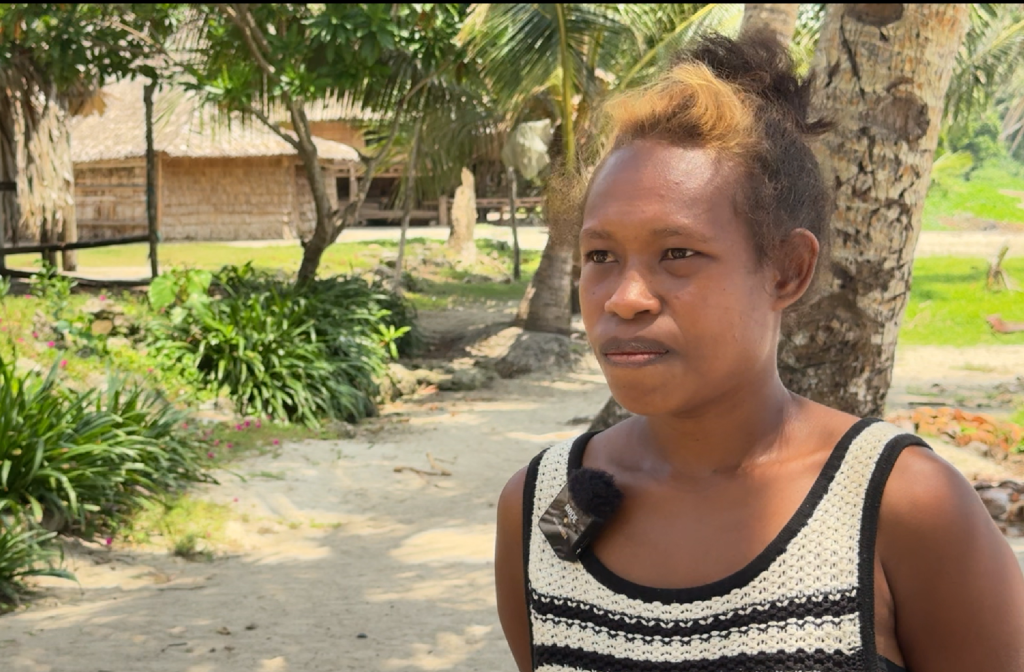
Lilian, a member of the community calls on responsible authorities to hear their story and listen to their cry and to build a clinic close to the community so that people can get medical attention in close location.
“All I want from the authorities is to see our need and build a clinic for us so that we can get access in close distances rather than going out for more than to three hours searching for medical attention,” she said.
Island Sun understands that these concerns have been raised with authorities, but responses have been lacking.
In late 2005, Provincial Member for Ward 14-North Star Harbour, Alfred Murray, secured funding to build a clinic in the area.
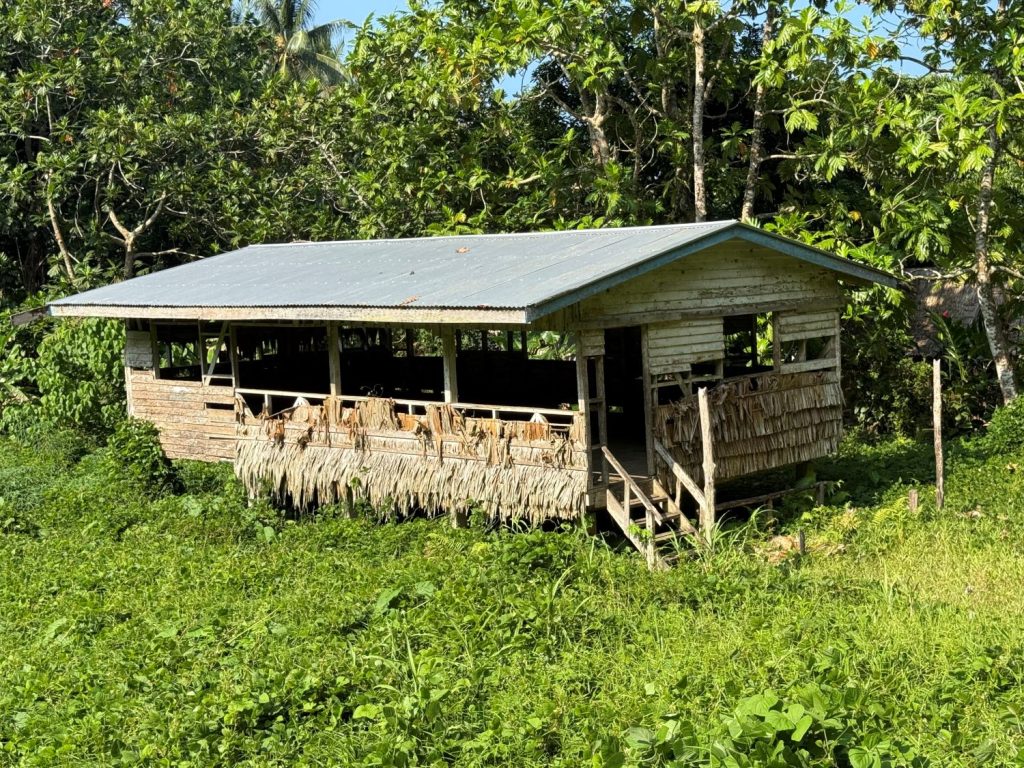
However, a change in leadership left the project incomplete, turning it into an abandoned shell—a symbol of broken promises.
As Mami village continues to thrive in its natural beauty, its people plead for intervention. A local clinic could transform lives, reduce risks for mothers and newborns and ease burdens on the elderly; fostering a healthier future.
For now, the community endures, their resilience a testament to the human spirit in the face of isolation.
But how long can they wait before paradise becomes a place of preventable tragedy?
*Reporting for this story was supported by Pacific Media Assistance Scheme (PACMAS)
For feedback, contact: [email protected]