Home Blog Page 184

People on Bellona suffer as poor shipping service worsens

0

BY IRWIN ANGIKI

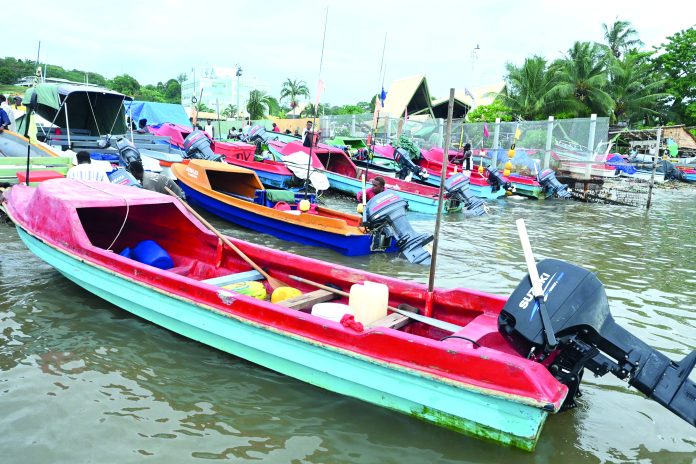
Shipping to Bellona in Rennell and Bellona Province used to be done regularly with a couple trips per year, bringing much needed food, building materials and other essential items to the country’s southern Polynesian outlier.

Nowadays, especially this year, shipping has run dry, leaving people on the island to suffer the effects and impacts.

Canteen shelves are empty, covered in dust and cobwebs. Medical services slow down almost to a halt, and schools still wait for materials.

Plans to renovate or build new homes or other buildings hit a snag as the waiting turns from days to months.

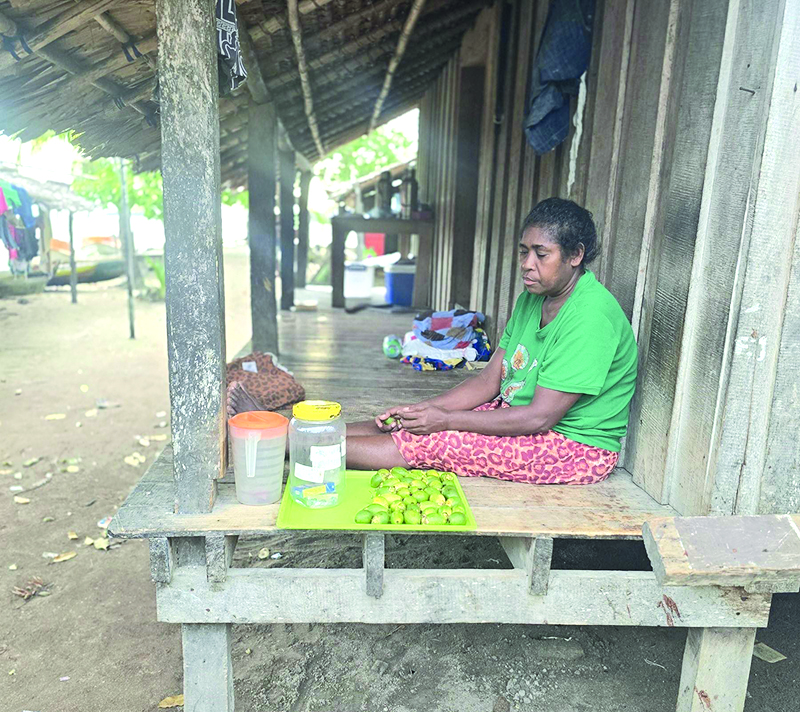
Rose Ma’ea, 80, who runs a little canteen along with her husband say their canteen is empty awaiting the next ship which is unknown when it will ever come.

“Our last item was sold two months ago, and since then we are just living like this listening out for any information about any ship coming over to Rennell and Bellona which we can arrange to have our cargoes transported through. It is going December and there is still no ship,” she said.
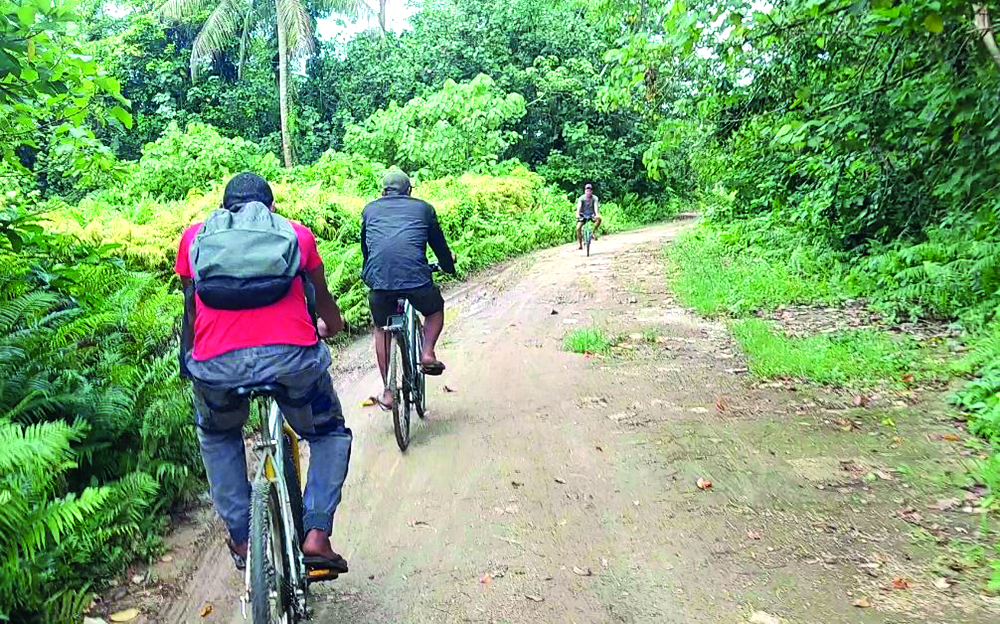
The few vehicles which run on Bellona, providing public transport and service are also feeling the brunt.

“Few months ago a ship which is not part of the regular government sponsored schedule came and we were lucky some fuels were sent in it, allowing our vehicles to run,” Dugan, 38, a driver of one of the vehicles said.

Kevin, 35, who is planning to build a house said he is still waiting for any ship to carry his building materials, and he has been waiting nearly half the year.
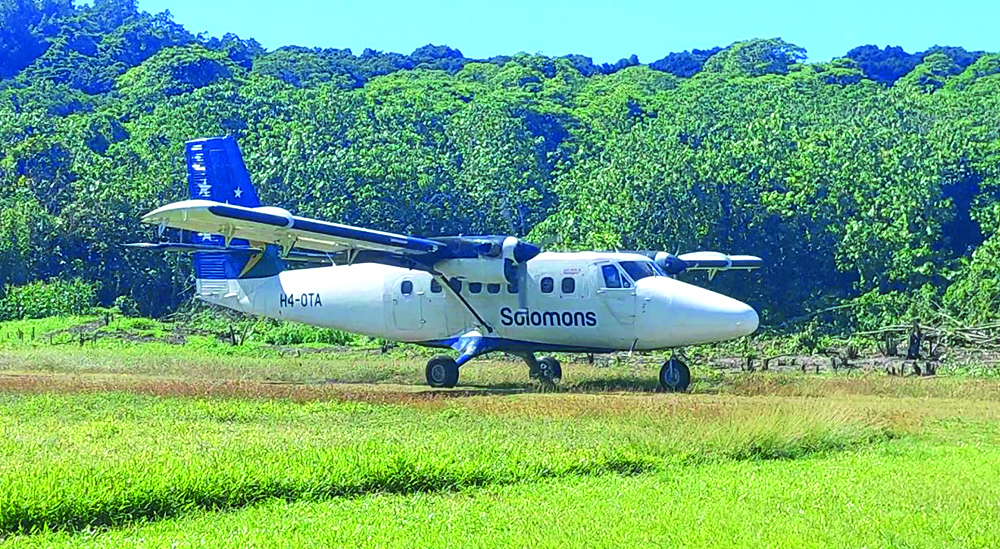
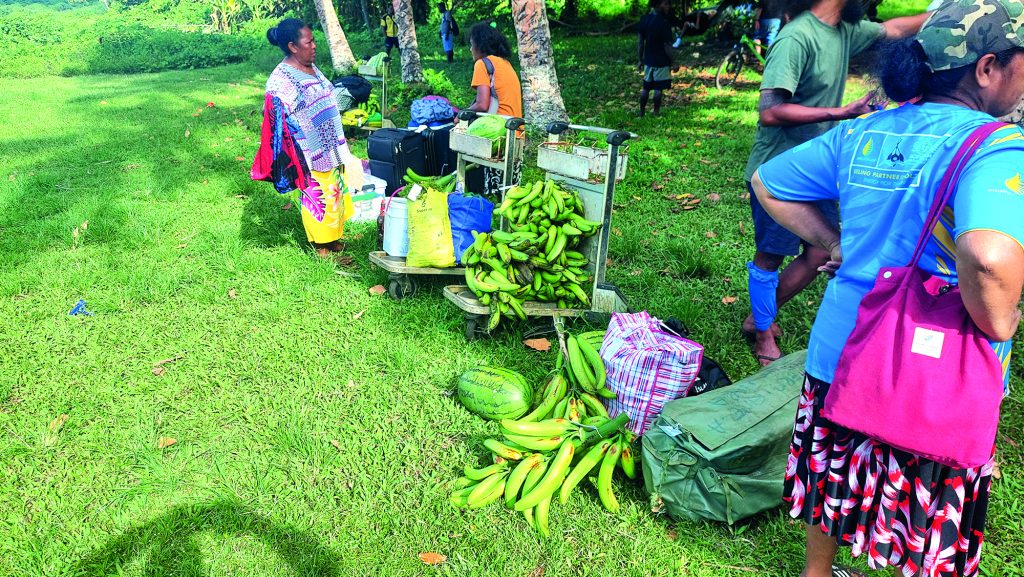
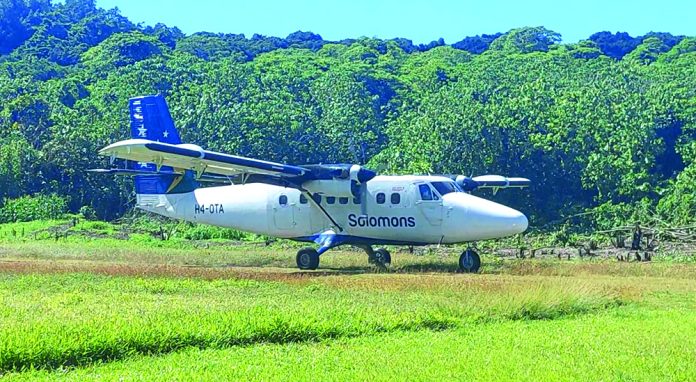
With no ship in sight, people are forced to depend on aeroplanes to transport food and other items from Honiara to Bellona. What can be transported onboard a plane is limited to non-flammable goods and small items. Corrugated roofing iron, water tanks, timbers, etc, are totally off the list.

For the elderly, who depend on the convenient gas stoves, when the gas runs out, it means returning to searching for and gathering firewood.

Furthermore, airline freights is very expensive, reported to be $20 per kilogramme if a passenger hits excess or is just sending something home.

“This year, a lot of people have resorted to sending over bags of rice, 20kg per bag, on the plane from Honiara, and us sending local food to families in Honiara, and this has really cost our people dearly,” single mother Tiare Saotia, 50, said.

The constituency had a ship.

The Rennell and Bellona province is one of Solomon Islands’ un-economical sea routes, which ship owners do not consider servicing.

Government is filling in the gap under its shipping franchise scheme, funding ships to service the uneconomical routes.

Rennell and Bellona used to have a ship, gifted to its people by the national government and beginning service in 2016.

However, since the ship was registered to an entity associated with politics, when the former Member of Parliament, who was in sitting when government gave this gift, lost his parliamentary seat in the 2024 elections, he left taking the ship with him.

The new MP even before taking office was faced with one of his biggest challenges – shipping service for his constituents.

MP John Tuhaika Jnr, speaking to Island Sun yesterday said it is a well-known dilemma that his office is facing regarding the ship.

He said the people of Rennell and Bellona know the heart of the problem of shipping service for the constituency, with the former MP receiving the franchise to service the two islands.

He could not comment further, adding that he is focused on other areas to help the people of Rennell and Bellona, but monitoring the matter.

The Premier of Rennell and Bellona province Derek Pongi has taken to social media on several occasions voicing his struggle to push for regular shipping to the two islands.

He admits that despite having connections with the former MP, he has been struggling to have the ship MV Avaikimaine service Rennell and Bellona.

The former MP could not be reached for comments.

*Reporting for this story was supported by Pacific Media Assistance Scheme (PACMAS)

For feedback, contact: [email protected]

Kalenga School struggles on, community hopes rise as new classrooms near completion

0

BY NED GAGAHE

NESTLED between the coastal communities of Sepi and Suva, Kalenga Primary School stands as both a symbol of resilience and a reminder of the many challenges facing rural education in the Solomon Islands.

With more than 200 primary students, nine teachers and two Early Childhood Education (ECE) teachers, Kalenga has in recent years expanded to become a community high school. But growth has come with pressure — on land, infrastructure, teachers and the surrounding communities.

Call for support from those in Town

School Head Teacher Mr. Nickson Teopuhi has made a strong appeal to people from the communities who are now working and living in Honiara to give back to their school.

“There is a need for our people now working in Honiara to assist Kalenga School, especially the primary school, to improve its infrastructure.

“This has not been happening enough, and people need to understand how important it is,” Mr. Teopuhi said.

He also acknowledged the dedication of individuals who have stepped up to help.

DFAT-Funded Classrooms Near Completion

One of the most significant developments at Kalenga is the construction of a new three-classroom block funded by the Australian Government through DFAT, at a cost of nearly SBD $380,000.

The project required a cost-sharing arrangement, with DFAT covering 60 per cent of the project, freight costs and the community contributing 40 per cent, along with local materials such as timber, gravel and sand. The Solomon Islands Government, through constituency funding, also contributed SBD $24,000 towards labour costs.

The building is now near completion, lacking only louvre windows, painting, railings and desks. An estimated additional SBD $80,000 is required to fully complete the project.

In early November, the school organised a major fundraising drive, raising more than SBD $11,000, along with pledges from individuals and businesses. Nearby schools, such as Lepi and Sigana, joined in support — a new initiative praised by the community.

“Money circulation in the village is very low.

“That’s why support from other schools and partners is very important. We will return the favour when other schools are in need.” Mr Teopuhi said.

Mr Teopuhi this month confirmed that DFAT has agreed to support the remaining completion work, bringing relief to the school and community.

A School Squeezed by Geography

Year Six teacher Mr Ernest Steadly, who taught at Kalenga for five years, highlighted the severe lack of land as one of the school’s biggest challenges.

“The school is squeezed between the secondary school and surrounded by high hills.

“Some classrooms are even built on rocks at the bottom of the hill,” he said.

With no flat or fertile land available, gardening — a key source of food for many rural teachers — is almost impossible.

“There is no area for gardening.

“We depend entirely on food from shops, the school canteen, or fishing. Sometimes after school we go fishing to feed our families.” Mr Steadly said.

Teachers Struggle with Living Conditions

Poor staff housing and sanitation remain serious concerns. Three teachers still live in village huts made from sago palm leaves, while others occupy semi-permanent structures. Even Mr Steadly himself lives in a leaf hut within the school compound.

“It is not fit, especially for families. Leaders, communities and school management need to come up with plans to build proper accommodation.” he said.

Sanitation is also inadequate, with teachers, students and families sharing one old toilet facility.

Water, Banking and Transport Challenges

Access to clean water is another major issue. The school depends on a water source from Sepi village, often facing low pressure due to population demand. The only water tank available belongs to the Kalenga Clinic and is shared for drinking, cooking and children’s needs.

“We need our own water source, like the secondary school,” Mr Steadly said.

Teachers also face difficulties accessing their salaries. With no commercial bank in Isabel Province, teachers must travel by boat to Buala, the provincial capital or Honiara — a journey costing up to SBD $1,000 to $2,000 in fuel and involving safety risks.

Mobile banking and M-Selen services have helped reduce travel, but cash shortages remain common. Some teachers leave their ATM cards with relatives in Honiara.

Recently, telecommunication services improved after a new tower at Sepi was switched on, easing communication and mobile banking access.

Year One teacher Mrs Norah Kaba, who has over 20 years of teaching experience and arrived at Kalenga in 2024, raised concerns about transport.

“The school needs its own transport for both primary and secondary. We rely on hiring boats from communities or teachers who own OBMs,” she said.

Community Challenges and Anti-Social Behaviour

Anti-social behaviour, particularly alcohol-related disturbances, continues to affect the school environment. Kalenga sits along a seaside road between Sepi and Suva, with people sometimes passing through the school area while intoxicated, playing loud music and using abusive language.

“Sometimes drunk villagers want to join school activities, which are strictly for the school. Our appeals to reduce these behaviours often go unheard,” Mrs Kaba said.

However, Area Paramount Chief Mr Titus Vuru said communities are taking action.

“When there are serious problems, I call the Buala Police Commander directly. Police have come and arrested youths involved in illegal homebrew. It sends a strong message,” Mr Vuru said.

Fishing Livelihoods Under Pressure

Mr Vuru explained that the three communities supporting the school — Sepi, Suva and Thathaje — rely mainly on fishing for income. For decades, villagers have travelled three to four hours by OBM to sell fish at Honiara’s Central Market.

But fish stocks close to the villages are declining, forcing fishermen to venture further into open seas. Increased mining activities around San Jorge Island have also affected fishing grounds, pushing many villagers to seek work in mining areas.

Support from relatives in Honiara, through remittances and food supplies, remains vital for many families.

Vision for a Better Kalenga

Despite the challenges, Mr Teopuhi remains focused on his vision for Kalenga School.

“My priority is infrastructure. Children cannot learn well in buildings that are not up to standard. Concrete buildings last longer and provide a better learning environment,” he said.

Beyond buildings, he aims to improve literacy levels, strengthen discipline and involve parents more actively in their children’s education. He also recommended including teachers in Ward Development Committees to ensure school issues are properly represented.

Once completed, the new classroom block with a staff room, will accommodate up to 100 students, offering proper ventilation and a safer, more conducive learning environment.

“The school cannot do this alone. It must be a collective effort — communities, leaders, parents and partners working together to improve Kalenga School for our children’s future,” Mr Teopuhi said.

*Reporting for this story was supported by Pacific Media Assistance Scheme (PACMAS)

For feedback, contact: [email protected]

Transport challenges hinder economic growth in Central Islands Province

0

BY ELTON LONARATHA JNR

Transport remains a critical challenge for rural communities in the Central Islands Province, affecting everything from local development to income generation.

Without reliable access to shipping services, many communities struggle to improve living standards and sell their products to enhance their financial stability and well-being.

This issue is worsening and affecting infrastructure development from building homes and accessing better materials.

Hagalu Community Chairman and MPA for Ward 3, Elijah Taekole, shared views about the lack of a dedicated vessel in their province.

While they do have occasional access to Malaita and Isabel shipping services, these are unreliable and provided on an ad-hoc basis.

“We are not in a good position to run shipping services here.

“The vessels serving the province began to slow down in 2010 when many communities started running their own boat services,” Taekole said.

For vendors, access to transportation is a lifeline.

While some community members sell produce in Tulaghi, others travel to Honiara, often using boats, to earn a living.

“Dived oven fish with cassava pudding is one of the most common products women bring to Honiara for sale.

“Sometimes, Pana is also a popular product,” said Taekole.

In fact, between 30 and 40 boats make the journey from the province to Honiara daily, offering both transportation and income opportunities for boat owners.

Despite tourism beginning to develop in the province, transportation between Honiara and the various destinations within the province still depends heavily on boats.

This reliance has given boat owners a key role in providing transport services while earning income.

Ben Lilia, the District Vice Chairman, highlighted the impact of transport challenges on local industries like marketing, fishing, and timber milling.

Despite the high demand for transport services, these industries remain limited by inadequate shipping options.

“We sometimes use boats to travel to Tulaghi to sell timber.

“Fishing is also a common source of income for many, especially those using nets or diving. However, the prices we get in Honiara are much better than in Tulagi,” said Lilia.

BBQ fish with cassava pudding, along with other local delicacies, are popular items that many women sell in Honiara for higher profits.

“Selling our products in Honiara often means a better price and more income,” Lilia explained.

However, the lack of reliable transport options continues to make it difficult for many in the province to maximize their income.

“If the province could run its own shipping service, it would be a game-changer, making it easier for people to transport their produce in bulk and sell it for better prices,” Lilia suggested.

The Central Islands Province, made up of islands such as Sunfly, Buenavista, Big Ngella, and Small Ngella, face ongoing struggles in marketing local products. Cocoa, copra, food, timber, and other income-generating activities are often hindered by the absence of reliable shipping services.

In some cases, communities have opted to travel to Auki, which is closer, rather than journeying all the way to Honiara.

“Villages like Boli, Siota, and Belagha often use ships traveling to Malaita to reach Auki.

“It’s much easier for them to sell their products there,” said Lilia.

For communities around Tulagi, this challenge remains significant. Betel nut farming, for example, is one of the main income sources, but theft has become a serious issue.

“We don’t farm betel nut as we should because it’s often stolen.

“So, we buy bags of betel nuts from Honiara to sell in the community, which helps us earn money,” said Lilia.

Despite these difficulties, betel nut selling continues to provide steady income in rural areas.

“Even though we face challenges, betel nut and fishing are still vital income sources,” he added.

For those who do need to travel, the cost can be prohibitive. Junior Ben, a well-known traveler, shared that the standard passenger fee for those traveling from Big Ngella to Honiara is $100.

However, boat capacity often limits the number of passengers.

“When the boat is fully loaded, only four people can travel. When it’s less crowded, six can go,” Ben explained.

Business owners are also affected by the transportation problems. Ben, who runs a petrol station with his father, noted the difficulty of getting fuel when shipments are delayed or limited by the availability of transport.

“Before, we would get fuel drums from Markwarth and transfer the fuel to comply with boat loading capacity. Now, we get fuel directly from refilling stations in Honiara,” he said.

For many women who wish to sell their goods in Honiara, the $100 fee can be a significant burden.

“For those traveling from Small Ngella, the cost is even higher—between $150 and $200,” Ben added.

The ongoing transport issues in Central Islands Province continue to limit the potential of rural communities to grow their local economies.

Despite the challenges, Hagalu Community maintains its commitment to unity for development, especially in education and church initiatives.

Addressing financial challenges and looking for sources of income is key at the moment.

Unlike before, unity is evident nowadays.

How money is rotating within the community is not dealt with individually but in groups apart from the Church itself.

People help each other to raise funds despite the level of conflicts that exists among them.

“Yesterday we argue, today we help each other to achieve a better life.

“This has become one of the twists that can be seen in the community when it comes to supporting each other. This twist is a normal trend in the community since before till now,” Lilia said.

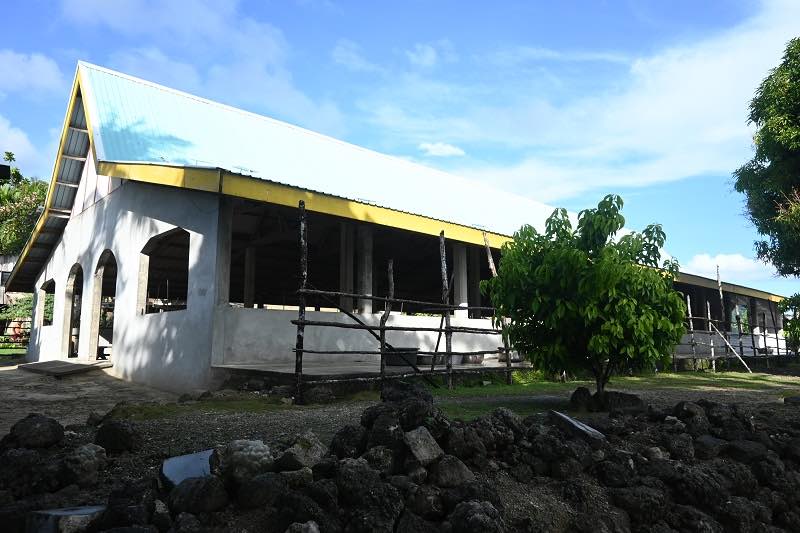
He said they built their church from pure manpower and labor.

Lilia explained that apart from a very few materials funded by their leaders, the work on the ground and progress was done by the effort of the people of the community for free, through raising funds.

“This church is three years old. We built it for three weeks. A lot of work still needs to be done,” he said.

He noted that one of the needs is fuel to cut timber for dressing the interior and exterior and roofing work as well as furniture.

“Timber is not so easy here. We have a lot of members in the community who are willing to work for the church but fuel is one of the factors that causes delay in this work.

“Timber milling here can be done in the mountains with manpower to carry them to the village. Sometimes we load timbers using boats.

“It’s a huge amount of work because of the distance,” he said.

Lilia said the amount of unity and community work can be measured by how work on the church building is progressing.

“Although the building is yet to be completed, it already hosted the Saints Day apart from regular church services.

“We usually have a targeted amount to be raised by each group in the community during the church festival which usually falls on July 22. We usually target $6,000.00 to $7,000.00 for each group.

“That’s how we usually raise funds for the church works.

“When each group reaches the target, all the money will be handed over to the Treasurer,” he added.

Meanwhile, most of the materials were purchased in Honiara and delivered to the community using boats.

*Reporting for this story was supported by Pacific Media Assistance Scheme (PACMAS)

For feedback, contact: [email protected]
Urban drift sees Bellona ‘Island of love’ empty

0
_cuva

BY IRWIN ANGIKI

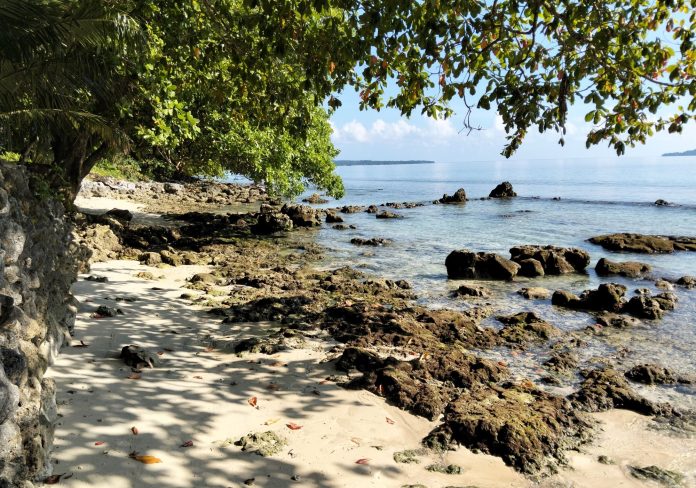
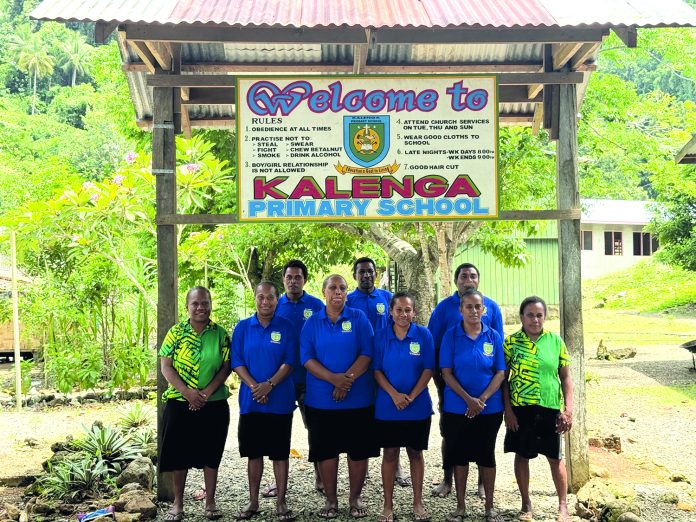
Bellona island, a lush green tropical paradise surrounded by white beaches and blue sea, fondly called ‘Island of love’ by its people – is empty.

Most parts of the year, residents of the Island of love are said to be only a handful of the total population – mainly children and the elderly.

Bellona is a victim of urban drift as its abled citizens have left the island for the glamour of Honiara.

The 2019 census puts Bellona’s population at around 2,000. It is estimated that 90 percent of this live in Honiara with a few dozen abroad.

Barnabas Suainiu, 73, a community leader and tourism operator on Bellona, believes the urban drift is due mainly to lack of economic opportunities on the island.

“There is simply no opportunity to make worth-while revenue for a young energetic person on Bellona, or a concerned parent with children to support,” Mr Suainiu said.

The only revenue generating activities on Bellona include running a canteen, which has its own nightmare with cultural expectations of discounts or taking items on credit, most of which never gets paid.

However, retail outlets is a small-scale money-making venture which has no hope of luring one from the comforts of Honiara to return to Bellona to start one. Canteens are run and operated mostly by people who are permanent residents of the island.

Several small community projects have occurred which have offered wages for a handful of residents, such as the wharf currently being built on the western end of the island.

Furthermore, there is a widely held belief that quality education can be attained in Honiara compared to the primary and secondary education service offered there.

A mother-of-three who asked to only be called Lisa, 42, said her family had moved to Honiara to be closer to her eldest who is doing form-5 in one of the schools in the capital.

“When my son was in form-2 we decided to move to Honiara for the sake of his education because of a lot of challenges faced with the school back home, which include lack of teachers, not enough educational materials being taught and lack of resources such as library and computers,” Lisa said.

Daley Tesuatai, 49, a principal of one of the primary schools on Bellona, agrees that education on Bellona is facing a lot of challenges.

“Education on Bellona has been faced with challenges for decades. It is due to a lot of factors which have continued through out the years,” he said.

Early childhood, primary and secondary education are offered on Bellona. Secondary level stops at form-5.

Sports is another pull-factor of Honiara. People of Bellona love their sport, especially rugby, followed by basketball, volleyball, soccer and netball.

“A lot of Bellonese in Honiara are neither schooling nor working, but decide to remain in Honiara simply because they love sports, especially rugby, and are attracted to the leagues and tournaments rugby authorities in Honiara host through out the year,” Kevin, 35, a resident of Bellona said.

There’s also a portion who are often jokingly referred to as ‘tourists’, who are decide to live in the capital for other reasons.

Tourism could be a big answer

So, what could take place on Bellona to reverse this trend?

Tourism stands out among the list of possibilities.

Mr Suainiu believes tourism is the most practical sector that Bellona already has potential in which could be tapped in the hopes of luring able-bodied Bellonese back to the island.

“We have what a lot of international tourists and potential tourists who are city-dwellers, want, which are lush green island, white sandy beaches, ideal scuba diving coral sites, deep sea waters, virgin forests for bush hiking, and a blessed clean and fresh air,” Suainiu, owner of Bellona’s leading Suani Guesthouse, said.

Having been in the tourism and hospitality business for more than three decades, Suainiu said a lot of Bellonese living in Honiara have land, the main capital to start a tourism business, on which they can build accommodation facilities.

Support from the country’s tourism authorities and Bellona’s political leaders have been lacking or not enough through out the years, Suainiu said.

“Training should be made easily available for anyone wishing to venture into the tourism and hospitality business. We have the potential to offer the best eco-tourism in the country,” he said.

If leaders and government are looking to address the urban drift and unemployment problems on Bellona, tourism is the best area to begin, he said.

Too big a burden to carry alone.

Often the blame is thrown on political leaders, who are expected to lift Bellona of its knees. But, the incumbents are also facing challenges of their own.

Premier of Rennell Bellona province, Derek Pongi, speaking to Island Sun yesterday said urban drift in the province and on Bellona is a huge problem, one which has been there well before his government came to power.

“My government has economic policies which aim to address many challenges in the province, one of which is urban drift and unemployment. But, it is difficult to implement successfully alone,” Mr Pongi said.

“Since coming to power, my government has passed two PCDF funding programmes, which has not been enough.

“Several opportunities which could help with employment lined up next year include survey of East Rennell airfield, continued work on the wharf on Bellona, upgrade of township and a number of fisheries centres to be built in the province,” Pongi said.

Member of Parliament for Rennell and Bellona constituency John Tuhaika Jnr echoes that urban drift and unemployment are age-old problems affecting Bellona.

He proactively has set in motion programmes and development plans which could hopefully reverse Bellona’s outward migration trend.

“People prefer Honiara mainly because Bellona lacks basic infrastructure such as housing, power, water and sanitation, and look to Honiara for answers. But it is not guaranteed that coming to Honiara one would get employed.

“For short term solutions seasonal work, which after a challenging 18 months in office we have finally set to kick next year, will enable people of Bellona to afford these basic needs.

“Projects which will reinforce this include housing project underway on Bellona, solar project and a desalination plant. Another major development, the wharf, will make people of Bellona realise the comfort of living on the island and investing there,” MP Tuhaika Jnr said.

Optimism looking ahead

As leaders of Bellona and the province struggle to address the problems, the people of Bellona living outside look forward to returning to the Island of love to spend the holidays this year’s end.

This is the only time Bellona comes alive with residents and visiting family members enjoy the Christmas and New Year festivities.

“We look forward to MP Tuhaika Jnr’s project line up for next year, which will lift us up,” says Kevin.

“For now, let us enjoy Christmas and New Year 2026 in the Island of Love.”

*Reporting for this story was supported by Pacific Media Assistance Scheme (PACMAS)

For feedback, contact: [email protected]

Poor sanitation; a disgrace for dignity

0

BY SAMIE WAIKORI

November 19th was designated by the United Nation as “World Toilet Day”. A day given with special attention to inspire action to solve the global sanitation crisis.

Also, to raise awareness about the 3.4 billion people globally without safe toilets and to achieve Sustainable Development Goal 6 (SDG 6) for water and sanitation for all by 2030.

As member of this world’s governing body, Solomon Islands has this year joined the international community in observance of this important day.

For Solomon Islands, this day was given prominence to highlight the enduring need for safe and accessible toilets and the importance of building climate-resilience sanitation system.

The national government through the Ministry of Health and Medical Services, with the funding and technical supports from DFAT and UNICEF have been pouring support into water and sanitation programs in the country.

While the effort is acknowledged, there is long way to go to attain the SDG 6.2, aimed to eliminate open defecation and ensure universal access to basic sanitation by 2030.

A challenge for Solomon Islands, with regards to the current record it holds for being with the highest rate of Open Defecation in the Pacific region.

A sad revelation, not only exposing country’s struggle to accomplish SDG 6.2, but would also have reverberating impacts on essential sectors in the country, particularly tourism.

A brief detail of the report prepared by RWASH through collaboration with UNICEF and DFAT on sanitation in Solomon Islands is as follow;

  • Approximately 65m percent of Solomon Islands population – equivalent to 535,000 people do not have access to basic sanitation.
  • Following this, an alarming rate of about 371,000 people, approximately 65 percent of the population still practice open defecation.
  • That Solomon Islands rates as the highest for open defecation in the Pacific region.

According to the report, since 2015, access to basic sanitation has increased by 5 percentage, from 30 percent in 2015 to 35 percent in 2024.

At least there is progress, although it is not in line with what is expected from the country.

Nou community on Santa Cruz Island in Temotu province is one of the communities among the population captured in the report.

The community, like other rural communities in the country still practice open defecation. Nou, is a coastal community and uses the shore to defecate.

This same sea is the very sea they depend on for sea-food, washing and other used, according to Daniel Sawa, a young father from Nou village.

“Sanitation has been an ongoing issue for us. As I could remember, no time in the distant past we had proper sanitation.

“The way we lived, especially with regards to sanitation, has no difference to how our grand-parents lived.

“We still practice open defecation – the same way they did, thought it doesn’t match the current situation,” he said.

Sawa said, despite then, the issue has mixture of implications on the community ranging from health to degradation of human and cultural dignities.

Nou community has been without basic water supply and sanitation – two basic necessities that are important to any modern society.

The absence of these basic services has triggered health issues such as diarrhoea. According to Sawa, diarrhoea is a common disease in Nou, and it has high possibility to link directly to the status of sanitation in their community.

He said practice of open defecation has degraded their human dignity. Sawa admitted that it brings them shame and lowers their pride.

Sawa added that the issue also degrades their cultural dignity. Culturally, this business should be dealt with at a secluded space.

“Although, we have designated places along the coast, or some places are just used by both male and female – they are just open spaces and expose to the public.

“Sometimes you go there and find yourself with somebody who is also busying with the business, which may cause cultural problem if she’s a female.

“We encountered such problems in the past and it has negative impact on our unity as a community,” he said.

Moreover, Sawa said the sea they used to defecate is also the sea they collect seafood for their sustenance.

“We collect seashells, fish, wash and our children swim in the same sea, which is vastly unhygienic and germ-infested that could jeopardise our health,” he said.

Sawa said sanitation is a silent health issue that has all along been drawn with less attention, despite its importance to the society.

He said being one of the communities without proper or even basic sanitation, Nou village is ready to work with the national government, donor partners and stakeholders to address the issue of open defecation in their community.

*Reporting for this story was supported by Pacific Media Assistance Scheme (PACMAS)

For feedback, contact: [email protected]

PM hosts first-ever ‘thank you’ reception for media and churches

0

BY LORETTA B MANELE

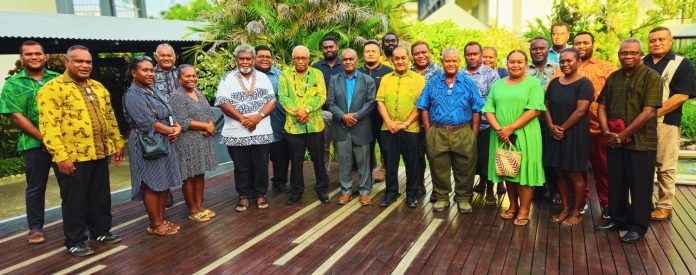
Prime Minister Jeremiah Manele hosted the first ever reception for media and church organisations to thank them for their contributions for the year 2025.

According to a press statement from the Press Secretariat from The Office of the Prime Minister and Cabinet (OPMC), OPMC holds regular press conferences for media organisations and has weekday morning devotions at 8.00am, with representatives from the Solomon Islands Christian Association (SICA) and the Solomon Islands Full Gospel Association (SIFGA) is regularly invited to share devotion with the Prime Minister and staff.

Speaking at the occasion which was held at Heritage Park Hotel on Monday this week, Manele took the opportunity to personally thank the media and church organisations for their work throughout the year 2025.

Manele said the gathering is for a simple but important purpose.

“…and that is for me to say thank you to all of you,” he said.

Manele expressed that the reception is a first of its kind and a deliberate step to recognize the open bridge between government and the people.

“It reflects my deep appreciation and that of my office of the vital role you have played throughout 2025,” he said.

Manele expressed that nation building is never the work of the government alone and leadership does not exist in isolation.

He added that the direction of our country is shaped through many voices; of those who inform our people, those who guide communities, and those who uphold the values of unity, peace, and responsibility.

Manele said last week in parliament, he acknowledged the important role played by both media and churches in our lives noting that the reception is a continuation of that recognition.

The Prime Minister stated that it is also a personal opportunity for him to express directly, and to say thank you for the support, engagement, and steadfast service the media and church organisations have provided throughout a very challenging year.

In his address to the media, he said the government and media share a common duty to the people and that is to report accurately, responsibly, and in a way that keeps citizens informed.

“I want to personally thank you for your professional engagement with the Prime Minister’s Office,” said Manele.

He stated that the media’s attendance at press conferences at his office, their questions and reporting help to ensure that the people of Solomon Islands understand national issues, government business and decisions.

Manele voiced that he is mindful that for many in media organisations, 2025 has been a year of real strain having worked under significant pressure and with limited resources, often simply to keep newsrooms operating.

“Yet, despite these challenges, you have continued to uphold the high professional responsibility placed upon the media, and I offer my respect and commitment to openness. In a year when misinformation spreads quickly and the lines between fact and fiction are sometimes blurred, the public relies on responsible, professional journalism to provide clarity, confidence, and trust.

“Even when your reporting raises difficult questions, it plays an important role in holding us accountable and keeping us focused on our shared responsibility to our people”, he said.

Manele added that at the same time, public confidence is strengthened when reporting is guided not only by the pursuit of immediacy, but also by the appreciation of due process, context, and the responsibilities involved in government decision-making.

He pointed out that when information is presented fully and fairly, it serves the readers and helps foster informed public discussion.

Manele said if the media informs the mind of a nation, our churches provide the compass for its soul.

“To our media representatives, I acknowledge the work you do under pressure, often with limited resources.

“While your perspectives may differ, your role remains indispensable. What matters most is our continued engagement, guided by professionalism and mutual respect,” he said.

Manele then took the opportunity to acknowledge church organisations.

He said for our church leaders, the duty is to nurture the spiritual well-being of our people thus, their commitment strengthens not only the spiritual life of our leaders, but also the moral foundation of our society.

Manele said he is under no illusion that the government alone can solve every problem and he is deeply grateful that the church continues to expand, to fill in the gap; offering moral guidance, social support, and hope to communities where the machinery of the state cannot always reach.

He emphasised that in an era marked by social change and economic pressure, the role of our churches remains essential.

“At a time when communities can easily become divided or discouraged, the government values the steady moral voice of the church in promoting truth, reconciliation, and peaceful coexistence.

“You are indeed the quiet anchors in a shifting world. It is through these contributions that I can say with sincerity, thank you.

“To our church leaders and representatives, your contribution to our nation is profound.

“I am grateful for your prayers, your counsel, and your willingness to engage constructively with the government. Your influence reminds us all of the importance of compassion, integrity, and service,” said Manele.

In closing remarks, he stated that as they look ahead to year 2026, his approach will remain focused on steady, practical leadership and the responsibilities of his office.

The Prime Minister reiterated that he is committed to keeping the lines of communication open and continuing engagement through the office’s established channels in the spirit of changing lives.

He said turning policy into real outcomes on the ground requires more cooperation, trust, and a shared sense of responsibility between government and the communities they serve.

Manele reiterated that his office remains open to constructive dialogue, honest feedback, and collaboration in national interests.

“As we approach what we see now in the festive season, we are reminded of the values of gratitude, humility, peace, and service.

“I pray that the coming year will be one of peace, wisdom, and real commitment to the well-being of our people and our nation.

“In closing, on behalf of my office and the Government for National Unity and Transformation (GNUT), I sincerely thank you for your support, your service, and the resilience you have shown throughout 2025.

“I wish you, your families, and your organizations a joyous Christmas and a peaceful and prosperous new year,” he said.

For feedback, contact: [email protected]

Berth 1 project timely, significant for continuous growth: SIPA

0

BY LORETTA B MANELE

Solomon Islands Ports Authority’s (SIPA) Berth 1 Project is both timely and significant for the continuous growth of SIPA.

SIPA Chairman, Moses Virivolomo, highlighted this at SIPA’s Groundbreaking Ceremony of Berth 1 Redevelopment Project on Friday, December 19, 2025 at the Honiara Port compound.

In initial remarks, he said they look forward to working with the national government to ensure successful implementation and completion of the project.

Virivolomo expressed that next year, they will be celebrating and marking SIPA’s 70th Year Anniversary.

“And the project is truly a timely addition in signifying the continuous growth and success of SIPA to provide services to the people of Solomon Islands,” he said.

Virivolomo stated that over the years and decades, they have worked diligently to maintain the international network.

He said while they have faced challenges along the way, the continuous use of this port is a clear testament to the resilience, capability, and integrity of design and commitment by Solomon Ports in the continuous maintenance of the facility.

On this note, Virivolomo added that once the redevelopment of Berth 1 is completed, it will not only address challenges, but will also position SIPA board on a much stronger future, enhancing efficiency, safety, and competitiveness in many years to come.

Moreover, he said the redesign and reconstruction of this international terminal berth 1 is MR1 Operational Efficiency.

Virivolomo pointed out that through modern power handling systems, advanced IT and security infrastructure, and improved logistics flow, the design and deck of Berth 1 will strengthen and cater for key mobile trade.

He explained that by having a key mobile trade, it will not only increase productivity and faster turnaround time of vessels going out of port but will also prepare them to handle gearless vessels that visit our ports in the future.

The SIPA Chairman said secondly, there will be improvement in safety and compliance, meeting and exceeding international standards, including enhanced fire safety and emergency response systems.

“Thirdly, environmental stability. With great port principles, green energy lighting, improved waste management, and readiness for future renewable energy integration, this Honiara port is ready to take on challenges and reach good governance and green energy technology.

“Fourthly, future expansion. Ensuring that the port can accommodate growing carbon volumes and evolving shipping trades,” he said.

Lastly, Virivolomo stressed on “cost-benefit rationalisation”; ensuring value for money while maintaining performance and durability.

He said enhancements incorporated into this redevelopment will significantly improve carbon throughput, reduce vessel turnaround time, lower long-term maintenance costs, and strengthen Honiara’s ports competitiveness in the region.

Virivolomo in further remarks said they recognise that over the next few years, while construction is underway, there will be some operational impacts.

Henceforth, he said to mitigate such effects, Solomon Ports has extended the opening and operational hours of this port, container terminal and yard services from 8 am to 12 midnight, Monday to Friday.

For feedback, contact: [email protected]

The heart of everything is values: Rina

0

BY JOHN HOUANIHAU

No project can last if it is not grounded in respect, transparency, participation, inclusiveness, fairness, cooperation and service to others.

Lazarus Alfred Rina, Member of Parliament (MP) for East Central Guadalcanal Constituency told parliament during the Sine Die Motion last week that these values guide all six strategies of community building.

“They ensure that our constituency grows not only in infrastructure but also in unity, leadership and social stability,” he said.

Rina encouraged all Members of Parliament to take these strategies and values with them.

“…grow participation, strengthen democratic leadership, address issues fairly, build community linkages, develop capacity and uphold the value that makes Solomon Islands strong,” he said.

Rina told the honourable house that if they commit to these principles in their constituencies over the next year, they will return to parliament in 2026 with communities that are more resilient, more united and more confident in their future.

He also thanked all Solomon Islanders who continue to support nation building through their daily work, their resilience and their commitment to peace and unity.

“As we prepare to conclude the year, let us reaffirm our shared responsibility to place people at the centre of development.

“Let us ensure that no community feels forgotten and that no household is left behind. Our vision for the coming year must be one of unity, hard work, inclusiveness and renewed commitment to transforming rural communities into centres of productivity and opportunity,” he said.

Rina extends his warm and heartfelt Christmas greetings to all Solomon Islanders, families, leaders, community leaders, public servants, private sector workers, women, youth, people with special needs and children.

“May this Christmas bring peace, joy and renewed hope across our islands,” he said.

For feedback, contact: [email protected]

GKC mini trade expo kicks off

0

BY BEN BILUA
Gizo

People of Gizo and Kolombangara gathered at Ringi on Monday to witness the official opening of the Gizo/Kolombangara Constituency (GKC) Mini Trade Expo, marking a significant milestone for the constituency.

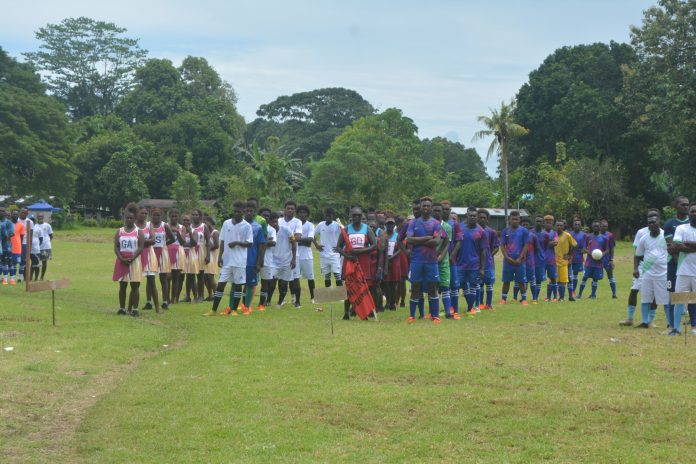
The Expo, which will run over the next few days, features a range of activities including football and netball competitions, displays of arts and crafts, training and awareness sessions, as well as business networking opportunities.

Organised by the Member of Parliament for GKC, the Mini Trade Expo aims to strengthen community relations, promote business networking, and provide a platform for people to share ideas on potential economic development within the constituency.

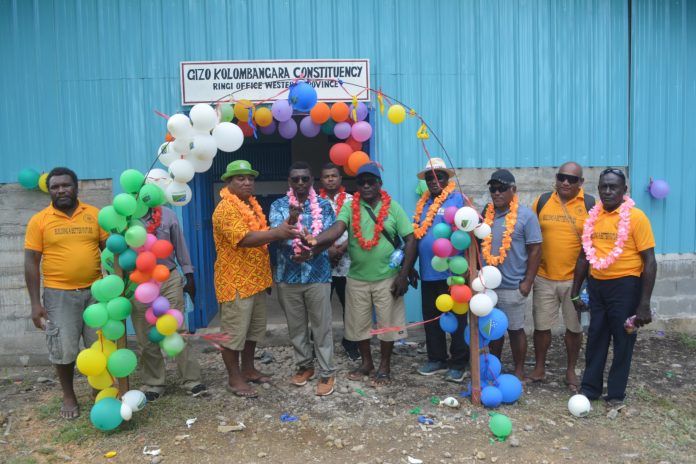
The event also coincides with the official opening of the GKC Administration Office at Kolombangara, further enhancing service delivery and coordination within the constituency.

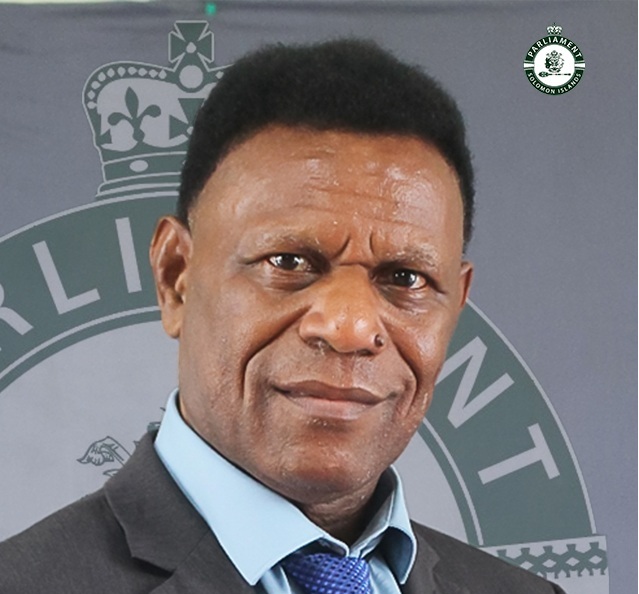
Speaking during the opening ceremony, Member of Parliament for GKC, Jimson Tanangada, said the Expo is intended to provide an avenue for people within the constituency to showcase their talents and values for a common purpose — building a better life for all.

He acknowledged that Gizo/Kolombangara Constituency faces geographical challenges, but emphasised that collective effort remains the driving force behind progress.

“I stand before you today with deep humility, pride, and a powerful sense of responsibility as we celebrate the Gizo Kolombangara Constituency Day under the theme: One constituency, one future, showcasing culture, talents and development,” Tanangada said.

He said the theme reflects the identity and shared vision of the people, reminding them that despite being separated by islands, communities and villages, their future is one.

“Our culture, talents and development aspirations must move forward together inclusively and purposefully,” he added.

Tanangada acknowledged the GKC constituency office, the local organising committee, participating businesses, and the people of Gizo/Kolombangara for their collective support in making the event possible.

For feedback, contact: [email protected]
GKC brings service closer to people

0

BY BEN BILUA
Gizo

Gizo/Kolombangara Constituency (GKC) has officially opened its new constituency office at Kolombangara on Monday 22, 2025, marking a new era in constituency administration and service delivery.

Member of Parliament for GKC, Jimson Tanangada, described the opening as a major milestone in strengthening constituency governance and improving access to services for people at the rural level.

He said the establishment of the office demonstrates the constituency’s commitment to bringing governance closer to the people and ensuring effective and timely service delivery.

“Today I’m proud to announce the opening of the Gizo/Kolombangara Constituency Office in Kolombangara. This is a major milestone achievement in strengthening constituency governance and service delivery. This office is not just a building; it represents bringing governance closer to the people,” Tanangada said.

He explained that officers will be stationed at the new office to support community members with information, assistance, and access to constituency services.

According to Tanangada, the office will serve as a consultation centre for community development leaders, farmers, fishermen, women, youths, community-based organisations, and the private sector.

He added that it will also function as a hub for training, capacity building, and skills development to support local development initiatives.

“On a broader vision, this office will help organise the administration of constituency development programmes, ensure timely coordination of projects, and strengthen support services,” he said.

Tanangada said the office will enhance access to development information, funding opportunities, government programmes, and serve as a coordination point for business, agriculture, fisheries, and forestry support.

He emphasised that GKC remains committed to ensuring development is people-centred, transparent, and responsive to community needs.

Tanangada said that the constituency is decentralising its administration, believing that bringing services closer to the people will add value to development aspirations and support long-term economic growth within the constituency.

For feedback, contact: [email protected]