BY NED GAGAHE
More than 200 students and teachers at Vavalu Primary School in Guadalcanal Province are now benefiting from improved water, sanitation and hygiene (WASH) facilities following the official handover of a new water supply system and ablution block on World Menstrual Hygiene Day yesterday.
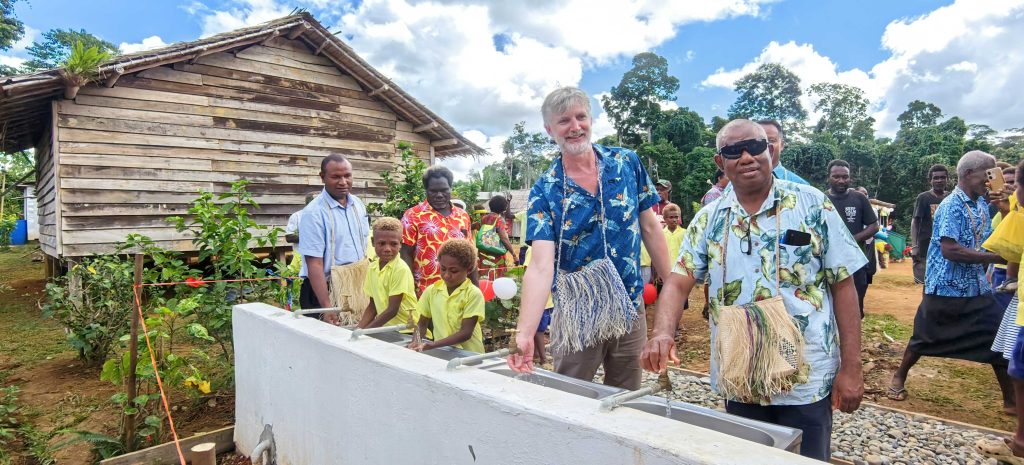
The new facilities were handed over on May 28 through a joint initiative by the Government of New Zealand and UNICEF in partnership with the Ministry of Education and Human Resources Development (MEHRD) and the Guadalcanal Provincial Government.
The project includes a sustainable spring catchment water supply system, elevated water tank, gender-friendly ablution blocks and multiple handwashing stations aimed at improving student health, hygiene and school attendance.
The development forms part of the wider New Zealand–UNICEF WASH in Schools Programme, which is supporting 27 schools across Guadalcanal Province. More than 4,000 students and teachers have already benefited from the programme.
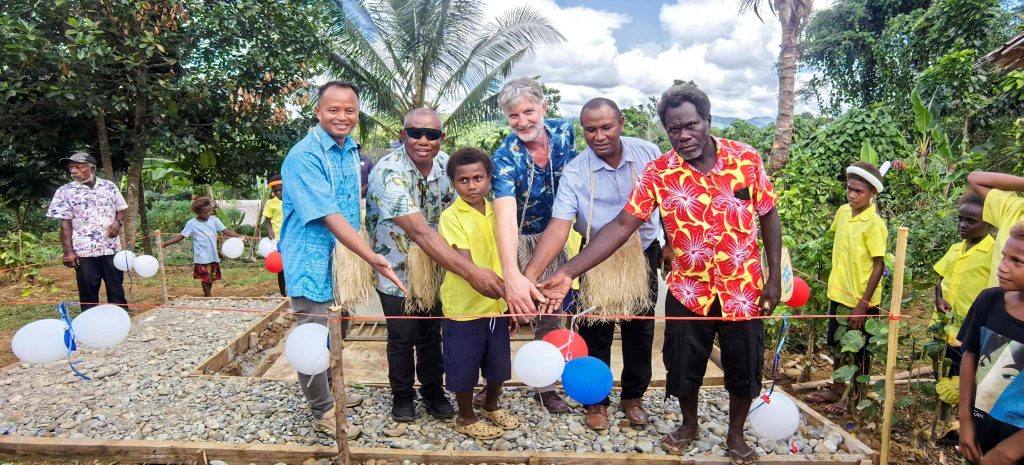
School Principal of Vavalu Primary School Timothy Tongavoa welcomed the project, describing it as a major improvement for the school community, especially female students.
“This facility is a real blessing for our school, especially for our girls,” he said.
He said for many years students faced poor sanitation conditions, including sharing a single toilet and using nearby bushes.
“For years, our students have had to use the bushes and one toilet shared by hundreds of school children. This project changes that,” he said.
“It will help our students learn about hygiene and cleanliness, not only at school but at home as well.”
He added that the school hopes students will help influence hygiene practices within their families and communities.
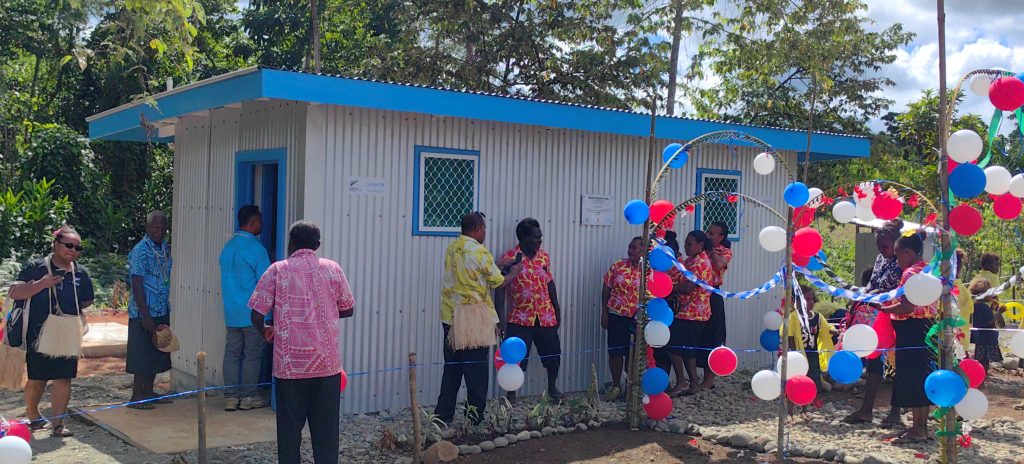
Deputy Secretary Corporate Services of MEHRD, Coldrine Kolae, said partnerships remain critical in delivering essential services to schools and communities.
“The partnership that we have is really crucial because it is a shared responsibility, it’s not an individual responsibility and this partnership is clearly manifested today,” Kolae said.
He thanked the Government of New Zealand for its continued support towards improving education infrastructure and student wellbeing.
“We know children at times face risks but with the facilities now here it will benefit the children,” he said.
Acting Development Counsellor of the New Zealand High Commission, Luke Kiddle, said the facilities represent more than just infrastructure.
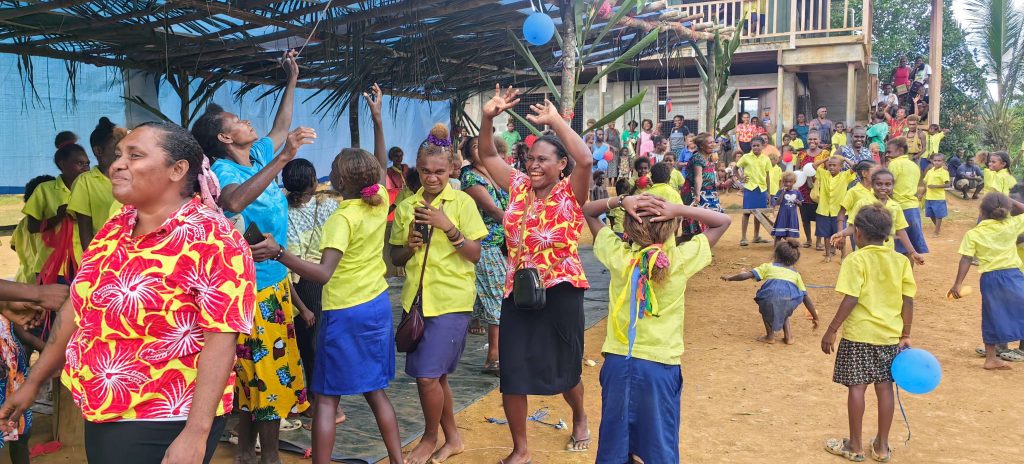
“Today marks an important milestone for Vavalu Primary School and the surrounding communities,” he said.
“Access to clean water, proper sanitation and hygiene facilities helps students and staff stay healthy, attend school regularly and focus well in class.”
Kiddle said New Zealand remains committed to supporting Solomon Islands through practical investments in education and child wellbeing.
UNICEF WASH Specialist, Basilius Kris Cahyanto, said access to WASH facilities in schools is essential for every child’s right to learn in a safe environment.
“Good water, sanitation and hygiene practices keep you healthy and help you perform better in schools,” he said.
“Please always wash your hands with soap at critical times and keep toilets clean at all times. This is your shared responsibility.”
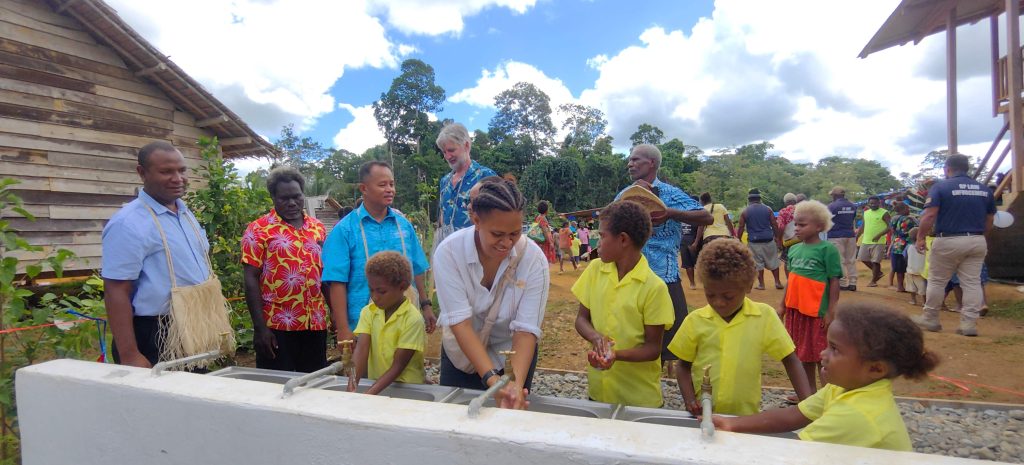
He said the facilities are climate-resilient and important during times of disaster, while also ensuring girls and boys have equal access to safe and private sanitation facilities.
The Negotiated Partnerships I programme, a partnership between the Government of New Zealand and UNICEF, is also supporting WASH improvements in 39 schools across Central Islands Province.
By the end of the programme, more than 4,000 students and 190 teachers are expected to benefit, with all participating schools expected to meet national WASH standards.
Premier of Guadalcanal Province also attended the ceremony.
For feedback, contact: [email protected]
Editor: [email protected]