
BY LORETTA B MANELE
Located far in the midst of Wanderer Bay, West Guadalcanal, far from the shoreline, past lush plants, and trees is the ECE (Early Childhood Education) Centre, the only one serving more than 10 communities in Wanderer Bay.
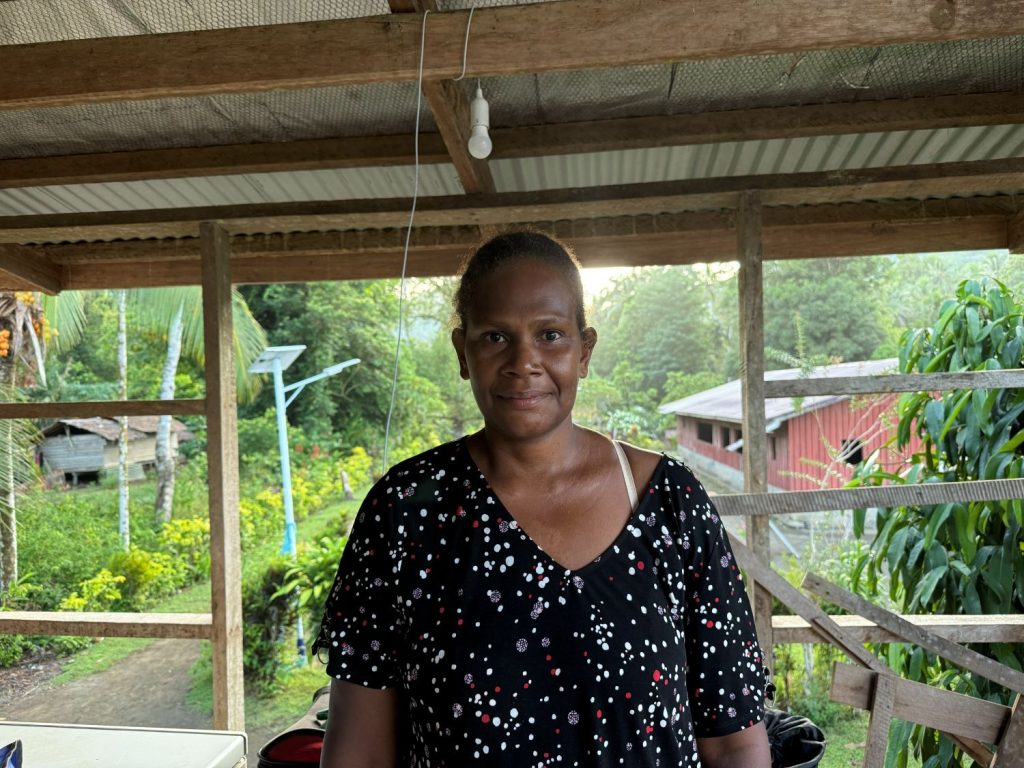
The day is sunny and the breeze is friendly as ECE Supervising teacher, Lorine Laubua from Sughu community of Wanderer Bay takes the lead in brining me to the ECE Centre.
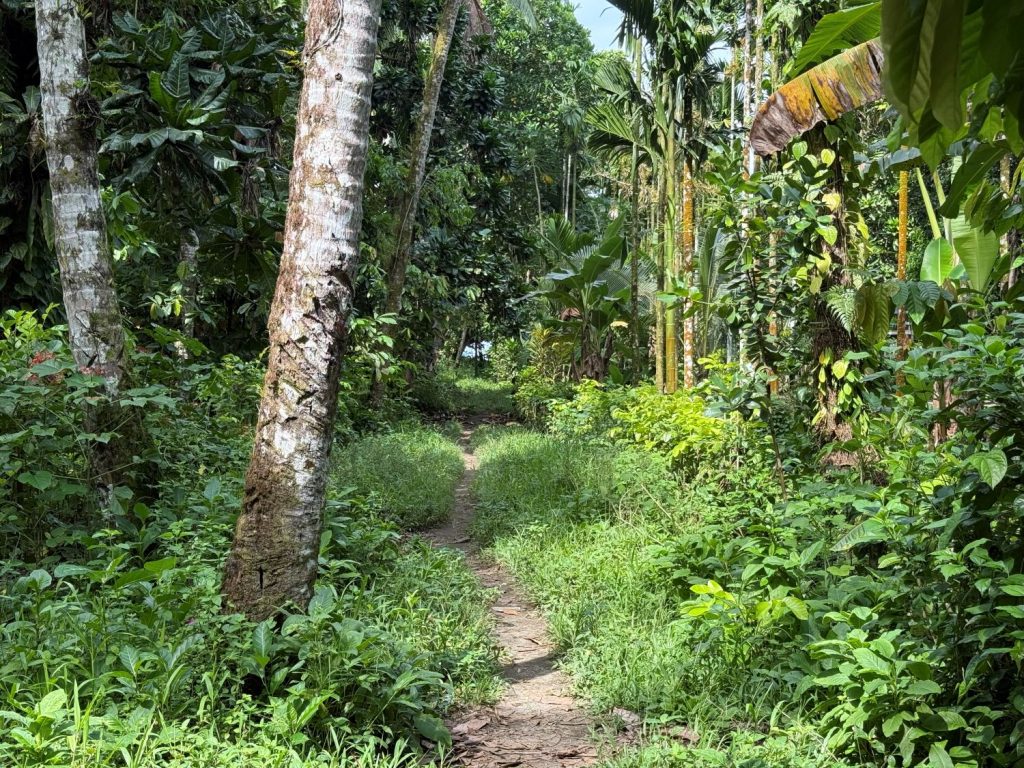
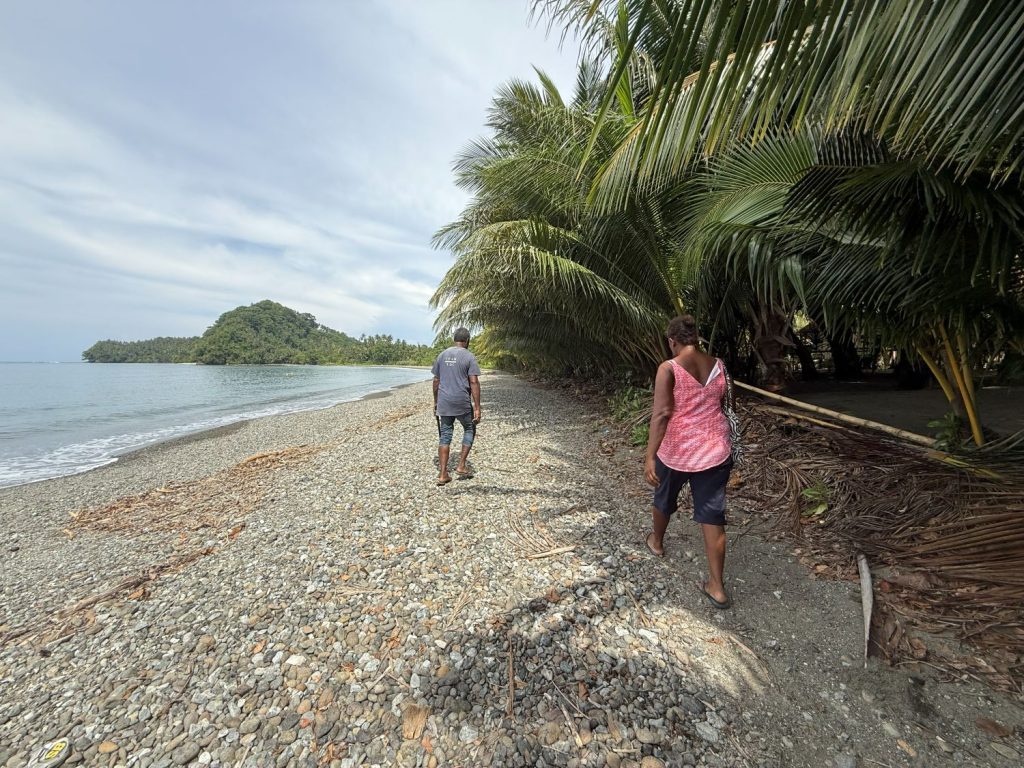
We walk through a cocoa plantation from Sughu village and onto a road from another village ahead of us known as the “Roman Catholic community” before a short walk along the beach.
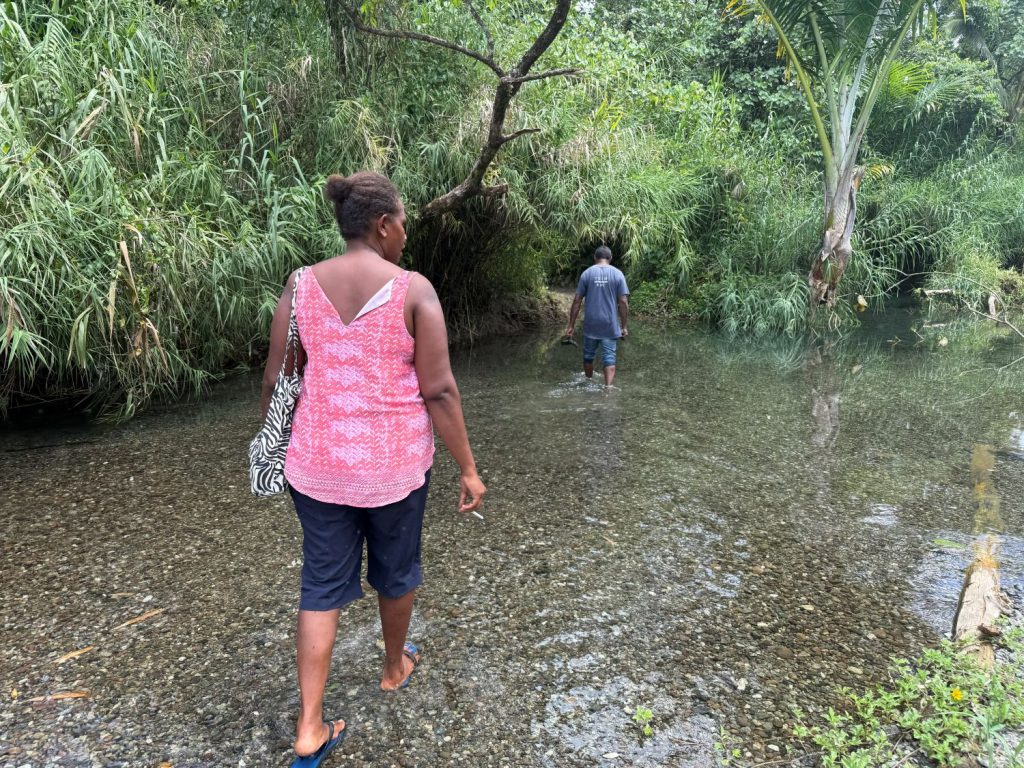
The path finally leads us inwards into what in Solomon Islands is locally called a “bush” that is after we pass a small stream. But the journey is still in its initial stages.
We walk for a good amount of time, trekking through a small path through trees, plants and all living things that dwell in the natural environment.
Mind you, from Sughu to the school is closer than where most children live and have to travel from to get to the school.
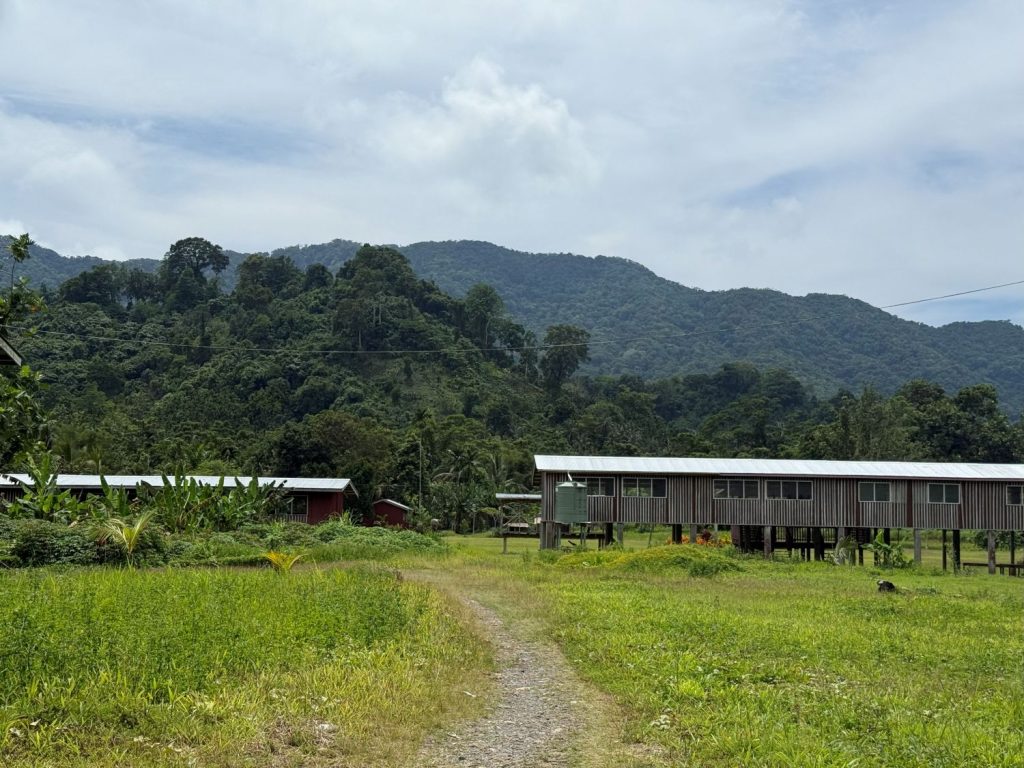
Finally, we arrive at the Wanderer Bay Community High School of which in its compound is the ECE Centre.
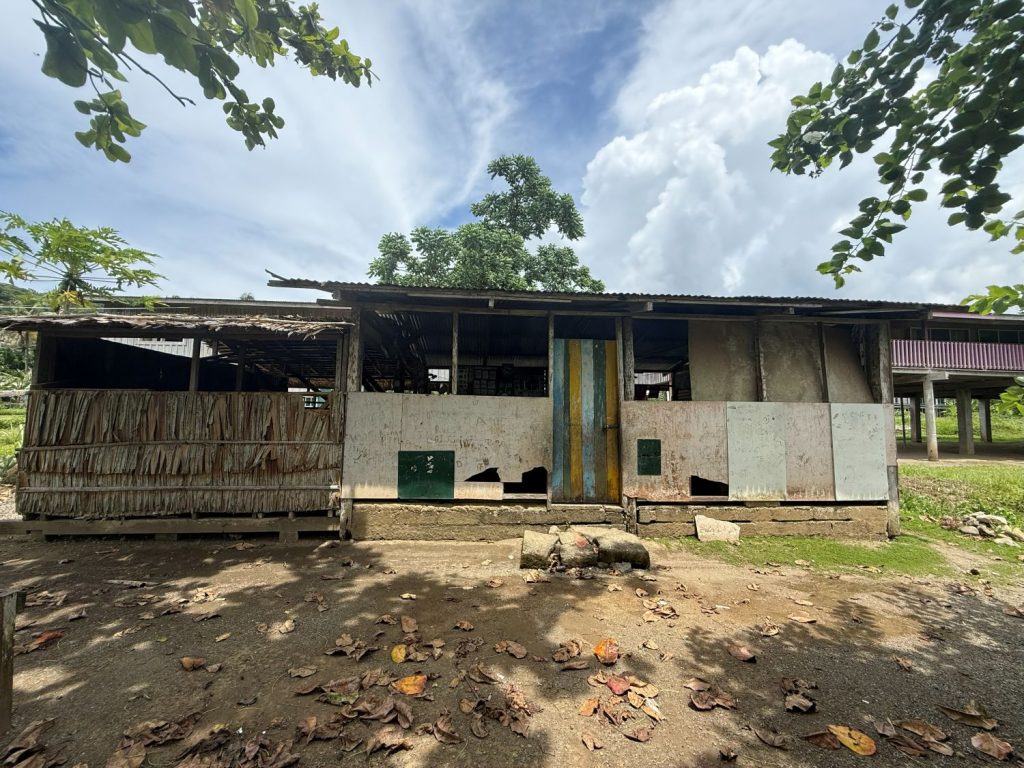
The sight of the ECE classroom is just sad, a low structured classroom that is in dire need of not maintenance but replacement.
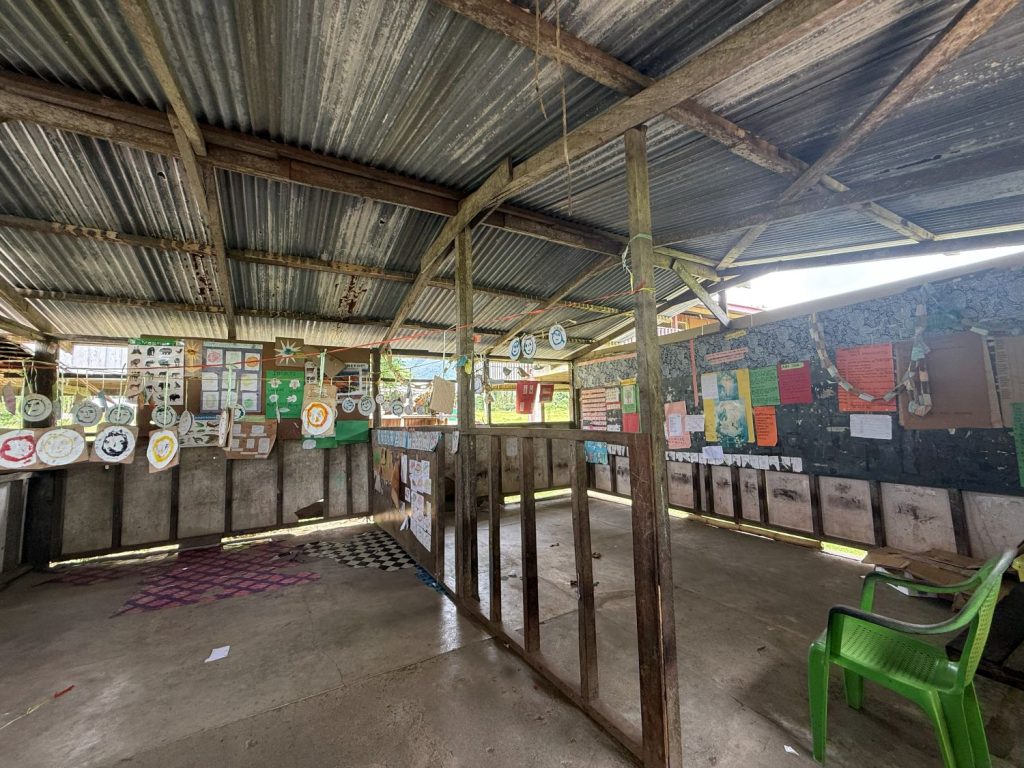
From the window which lacks proper frames and louvers as most classrooms, you see before you dangling decorations, and as you look inwards, is where these children come to learn.
A total of 150 children from communities in Wanderer Bay were enrolled this year.
ECE Supervising teacher, Lorine Laubua explained that the number was initially 200 but given the lack of space in the classroom, they could only take 150 children, leaving the remaining 50 without the right to Early childhood Education.
“So, the rest of the kids were sent back home. This is not fair for the kids who cannot enrol in school because as children they have the right to be educated.
“ECE is the foundation of a child’s learning so it is not fair that we have to do this,” Lorine said.
Interestingly, with this high number of children enrolled at the ECE Centre, not all the children attend school consistently throughout the year.
The biggest reason for this is because they live very far from the school.
Most of these children have to walk for about 2 to 3 kilometres before they can reach the school and they all live in different places.
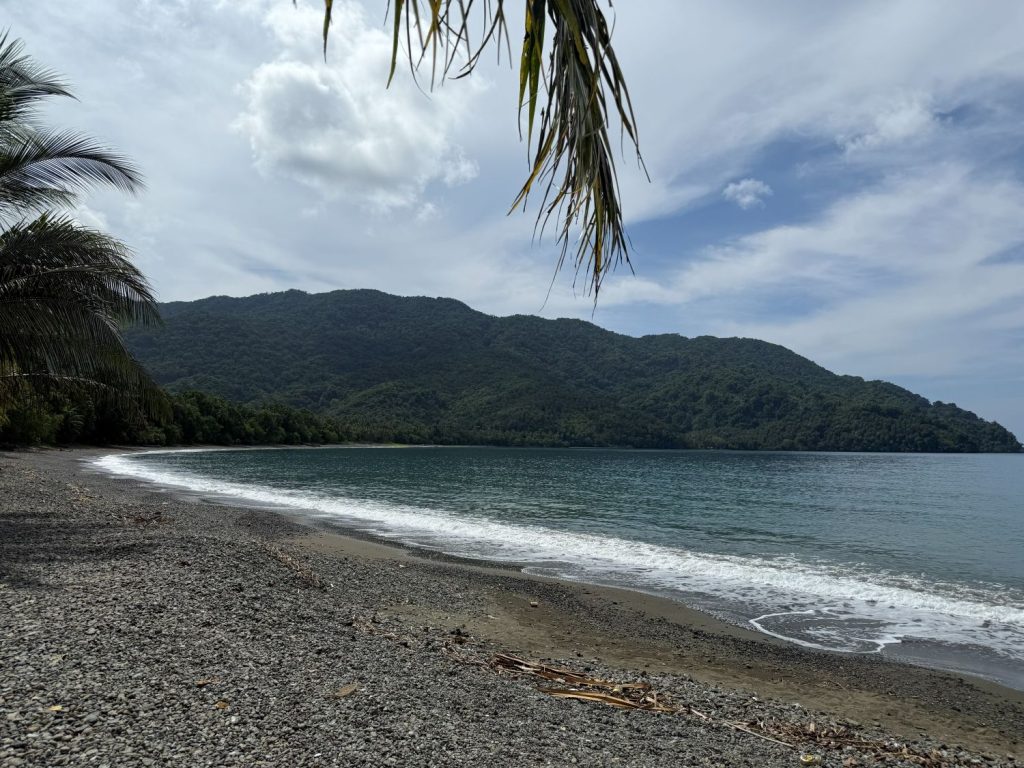
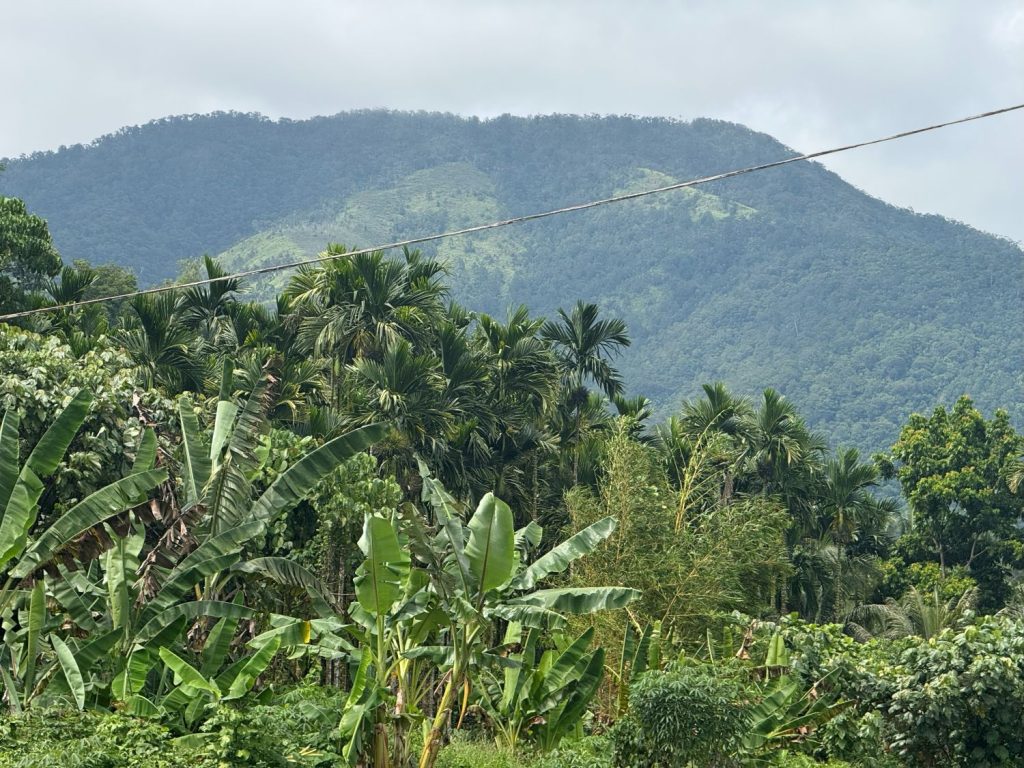
Some children come from communities from the left end of the bay, others on the right end and then there are children who travel all the way from communities in the mountain and others from their homes in communities situated at the bottom of the mountains.
The distance has caused some parents to give up bringing their children to school consistently because they wouldn’t have time to attend to household duties and being in the village, the top priority is going to the garden to harvest crops as means of subsistence.
Lorine says the classroom is old, small and not spacious enough for them as well as the space they have outside of the classroom.
It was built a long time ago, and as population rose in the communities, it has little space to offer for children giving them the disadvantage of learning in an environment that is not conducive to healthy learning.
Like students, the environment is also not favourable for their teachers.
Lorine recalls that at one time, there were only three of them ECE teachers who cared for the children.
As there were many of them, this was a challenge especially when water supply is an issue for the school.
They would have to carry the children to the stream if they wanted to go the bathroom.
“They would also be scattered everywhere.
“We would also take turns to carry them to the stream because of our water supply.
“In class, we would all squeeze in together and this was very uncomfortable for all of us,” she said.
This struggle has been going on for a number of years.
Despite this, they have tried their best to address this issue, but it’s still a far-fetched solution.
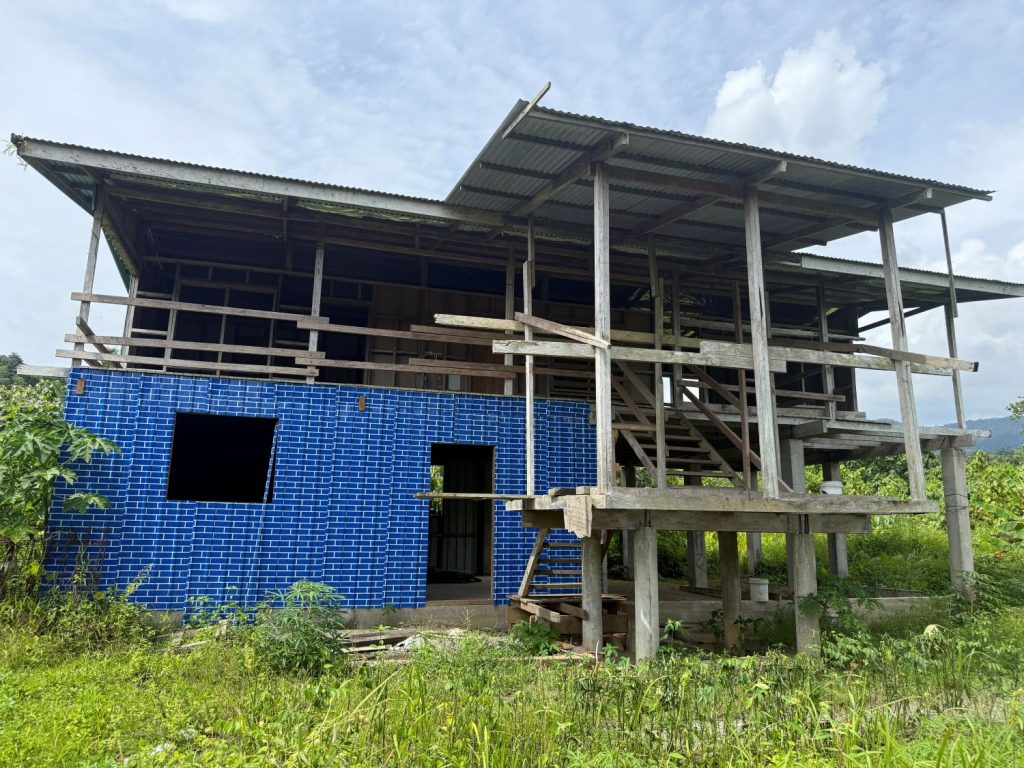
A new ECE classroom was built back in 2017 during the time of a different Supervising ECE teacher.
However, progress on this projected ceased as years later the classroom was left idle.
Last year, Lorine tried her best to at least do something she says.
This involved efforts in getting timber, some brick work as well as a concrete slab of the classroom facility.
It is however far from reaching the finished line yet.
When asked where they get money from to build the new classroom, she said it comes from parents’ yearly contribution which is a mere SBD 200.
The have tried raising the amount to SBD 500 for a year per parents’ contribution, but parents say it’s too high.
Disappointed, Lorine stressed that parents don’t understand how important ECE is.
“Parents don’t understand the importance of ECE, in our community they regard primary and secondary education as more important.
“In ECE, if we put the amount to 500, they will say it is too high.
“ECE is the foundation of a child’s learning and materials for ECE are expensive as well and we’ve tried to explain this to the parents,” she said.
Lorine goes on to stress that for children to really have a good ECE they need to be able to learn in a good classroom.
When asked if the new ECE classroom if completed would be able to cater for all the children in Wanderer Bay, Lorine nodded, saying it wouldn’t.
To address this issue, there would need to be 3 or 4 ECE Centres throughout Wanderer Bay to cater for the many communities in and around the area.
Lorine says this is a serious need for children of Wanderer Bay.
“It is a need for our children to learn in a proper environment. So, I call on responsible authorities to look at this issue of ECE in Wanderer Bay.
“Because if we continue to operate like this, a lot of children will miss out on school. There are also some children who don’t even go to school and then just remain at home,” she said.
What is scary about this, is the impact it will have in the later years of children who miss out on ECE.
She said there are children who have not come to attend ECE until they reach the ages of 9 or 10 and by then, they shy away from going to school.
“So, when they miss out on school at a young age, they no longer have the interest to attend school and just remain in the villages.
“When they are older, they can somehow affect their communities by the things they get involved in.
“So, this is a big problem for the communities. When children miss out on school, they won’t be able to follow the rules in their communities,” said Lorine.
She again emphasises that if only, there were 3 more ECE Centres, it would be easier for parents to bring their children to school.
“It would be great if aid donors could help build ECE centres for us,” she says with little hope.
*Reporting for this story was supported by Pacific Media Assistance Scheme (PACMAS)
For feedback, contact: [email protected]




i would make a call for attention to have MPA, GP factored a PCDF project for wanderer bay ece classroom building as well as, neighboring villages to allocate funds for the project in 2026/2027 PCDF EDUCATION Sector budget .ECE KIDS can only walk and cover less than 500 meters and NOT 2 to 3km a day.