BY BEN BILUA
Gizo
For much of his life, Venda Solomon Imutu lived under a shadow not of his making.
Born with physical challenges, he grew up in a world that was often unkind—where whispers followed him, laughter cut deep, and rejection became a daily companion.
From primary school to high school, bullying and being treated as an outcast weighed heavily on his spirit. Yet beneath the scars of those years lived a quiet resolve that refused to be broken.
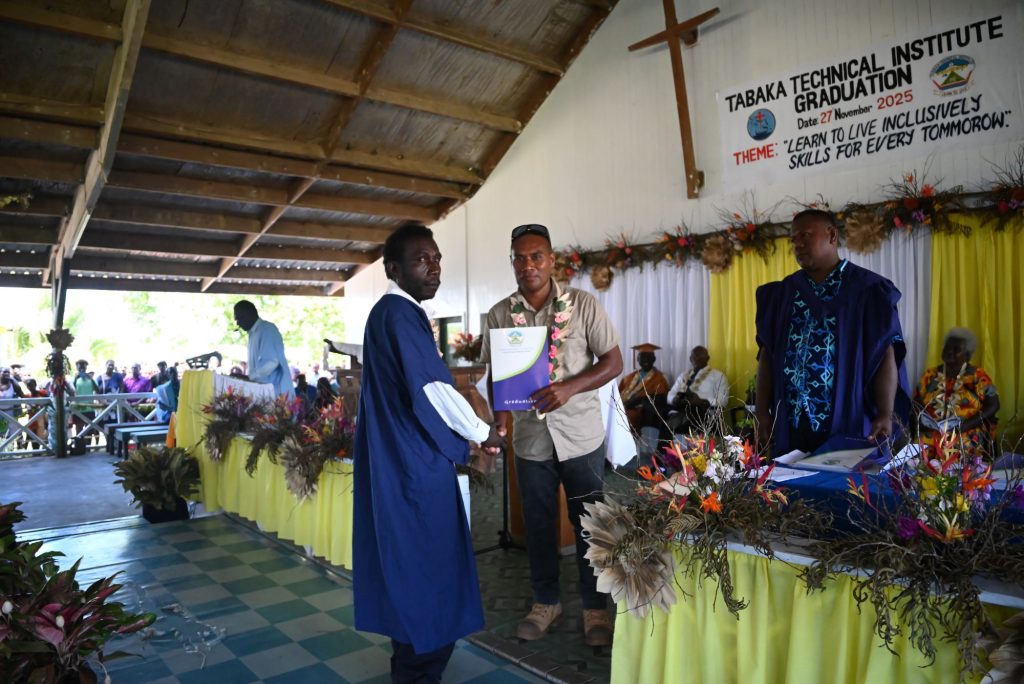
Last Thursday, that resolve carried him onto a stage—and into history.
Before a crowd of students, teachers, parents, and dignitaries at Tabaka Technical Institute, Imutu stood tall as his name was called.
The shy man who once felt invisible became the center of attention as he received his certificate in Automotive Engineering – this program is accredited program and national qualification recognised under SITESA – [Solomon Islands Tertiary Education Skills Authority].
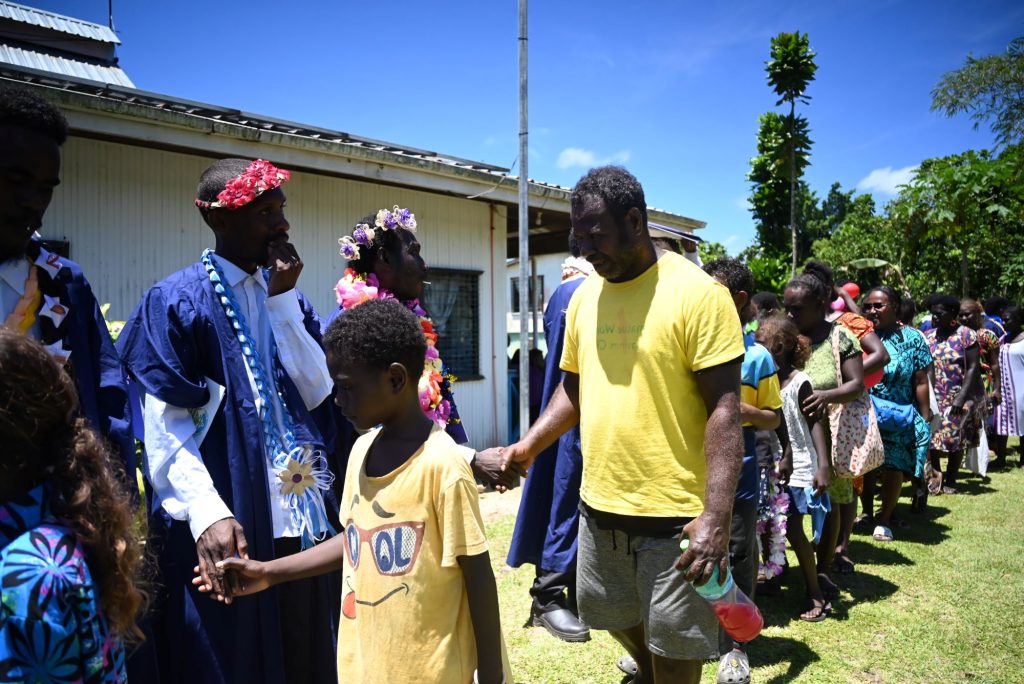
As he made his way forward, the hall erupted in cheers and applause from his fellow graduands—a thunderous affirmation that he belonged.
For Imutu the moment was more than a graduation, it was redemption.
Imutu’s journey to that stage was never easy. For more than 30 years, he says, he lived in an environment that made him feel “worthless.” Society labeled him as “disabled” and, in doing so, often stripped him of dignity, opportunity, and hope.
Yet even when the world tried to define his limits, Imutu quietly focused on his dreams.
At Tabaka, for the first time in his life, he says he felt truly accepted—not as a “special case,” not as an outsider, but as a student like any other.
In classrooms and workshops, he worked beside his peers. Teachers guided him with patience and respect. Among students, he found friendship instead of ridicule.
“Tabaka is a good school to start. “I feel more than at home when I’m studying here. Students and teachers respect who I am and the support was enormous,” Imutu said.
It was this environment of shared love and equal learning that allowed him not just to survive—but to thrive.
It is a true testament from “Worthless” to Worthy.
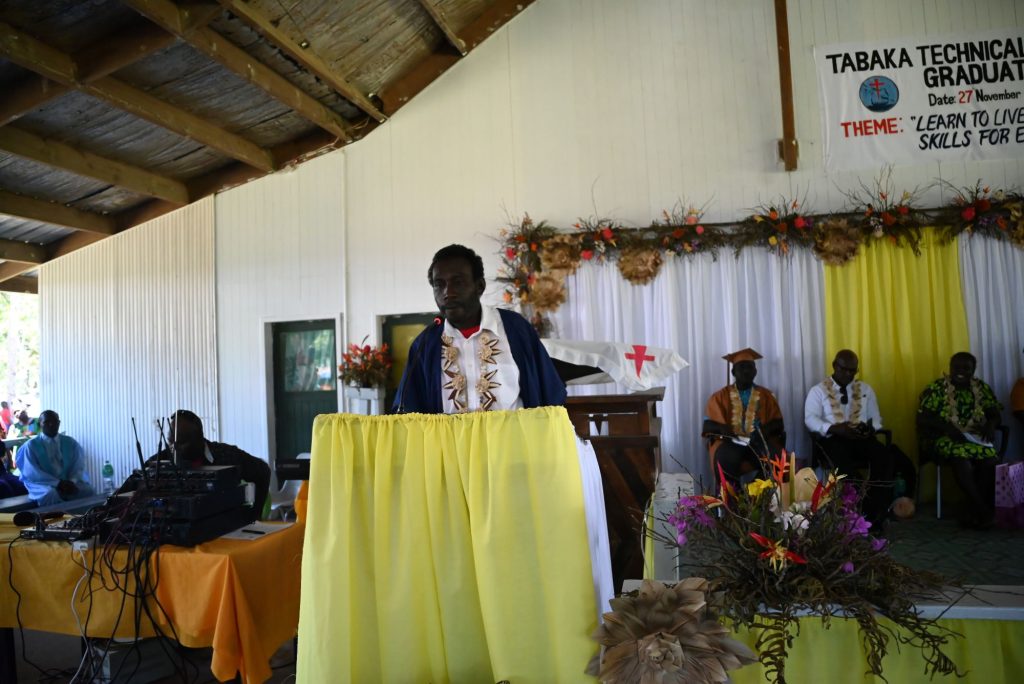
During his emotional speech, Imutu first thanked the school for recognizing his right to education—a right so often denied to people like him.
“For almost 30-plus years, people regarded me as disabled, and I lived hopelessly in that environment. “But today I am somebody. The training and qualifications I received are shaping my present and my future,” he said.
Imutu also expressed gratitude to the Australian Government for sponsoring his studies and believing in his potential when many others did not.
But perhaps his most powerful words were reserved for parents across the Solomon Islands.
“If there is anyone in your community or family with a similar disability like me, please do not deny them what they want to pursue in education,” he pleaded. “Give them a chance.”
Imutu’s story is not just a personal victory—it is a piercing reflection of a national reality.
Across the Solomon Islands, many people living with disabilities remains trapped on the margins of society.
Despite policies that promote inclusive education, the lived reality often tells a different story. Too many children with disabilities are kept out of classrooms.
Some parents, driven by fear, stigma, or lack of resources, stop their children from going to school altogether.
As a result, a large portion of our population is left behind—excluded from education, employment, and meaningful participation in national life.
Imutu is living proof of what becomes possible when that barrier is removed.
With a trade, a qualification, and confidence in his abilities, he now stands ready to contribute to the economic development of the country. Not as a burden. Not as a charity case. But as a skilled worker with dignity.
When Imutu lifted his certificate on that stage, the applause that followed was not just for a graduate—it was for every struggle he endured in silence.
Every insult he carried. Every lonely walk to school. Every night he doubted his worth.
In that moment, the boy once pushed to the edges of society stood at its center.
His story reminds us of a simple but powerful truth: disability does not mean inability. What truly disables people is not their condition—but a society that refuses to give them a chance.
Venda Solomon Imutu was given that chance. And he turned it into triumph.
Principal of Tabaka Technical Institute, Joash Lawrence applauds Imutu’s desires to learn together with the other normal student.
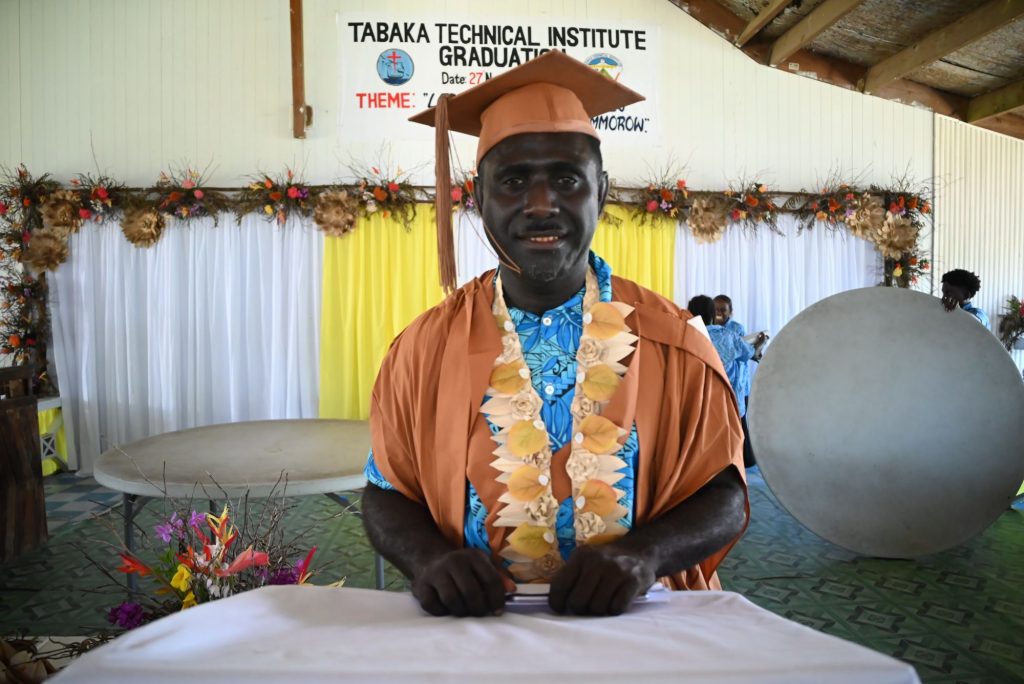
He said Imutu’s achievement is a testament that other people with disability can achieve their dreams if opportunities and support systems are available.
“I suggest, the national government should look for some alternatives to create a pathway for such graduates.
“Instead of paying constituency, the bilateral grant support fund or CDF to those may with skilled graduates like Venda,” Lawrence said.
For feedback, contact: [email protected]