BY BEN BILUA
GIZO
NESTLED within the calm, turquoise waters of the Vona Vona Lagoon lies Kinamara, a small village with a powerful identity.
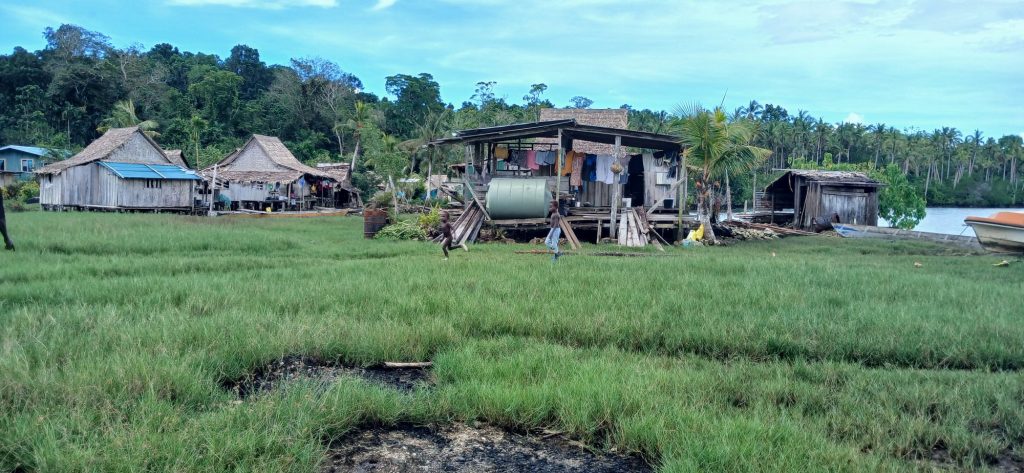
Home to more than 200 people, its residents proudly call themselves “sea legends,” a name born from generations of survival on scattered islets surrounded by ocean.
For years, the lagoon has been both their lifeline and their legacy.
But today, that legacy is under threat.
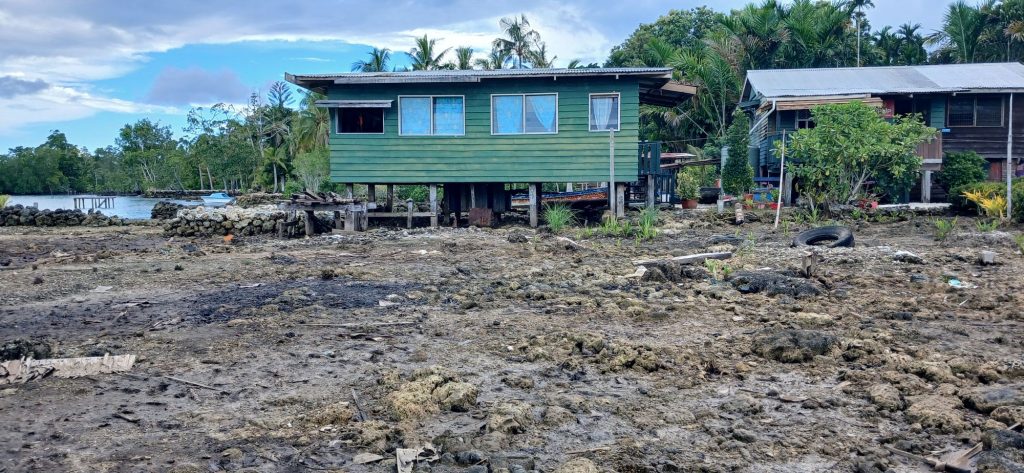
This week, I travelled to Kinamara to witness firsthand the growing impact of sea level rise on this fragile community.
The journey took us past several small inhabited islands before we finally reached the village, a place where the beauty of island life contrasts sharply with an unfolding environmental crisis.
Upon arrival, I met Ale Robert, Chairman of the Kidu/Gohigo House of Chiefs, alongside community elder John Revolo and women’s representative Margarett Angarau. Together, they shared a story of resilience now being tested by forces beyond their control.
He said Kinamara village was established in 2000, with the intention of bringing families closer to their gardening areas.
But what once seemed like an ideal location is now increasingly vulnerable.
Robert recalls that when he was a child, the shoreline stood 10 to 15 metres further out than it does today.
“Five years after we established this village, we realised the shoreline was sinking and the sea was slowly creeping in year after year,” he said.
Robert said a decision made in the early days of the settlement, the clearing of trees along the shoreline to make way for canoe landings has proved to be a bad decision.
“Those trees were our natural sea barriers. Their roots held the coral stones and soil together. When they were cut down and the roots rotted, the land began to give way,” he said.
According to Robert, the situation worsened dramatically after the 2007 earthquake and tsunami, which stripped away what remained of the village’s natural defences.
Since then, the sea has steadily advanced.
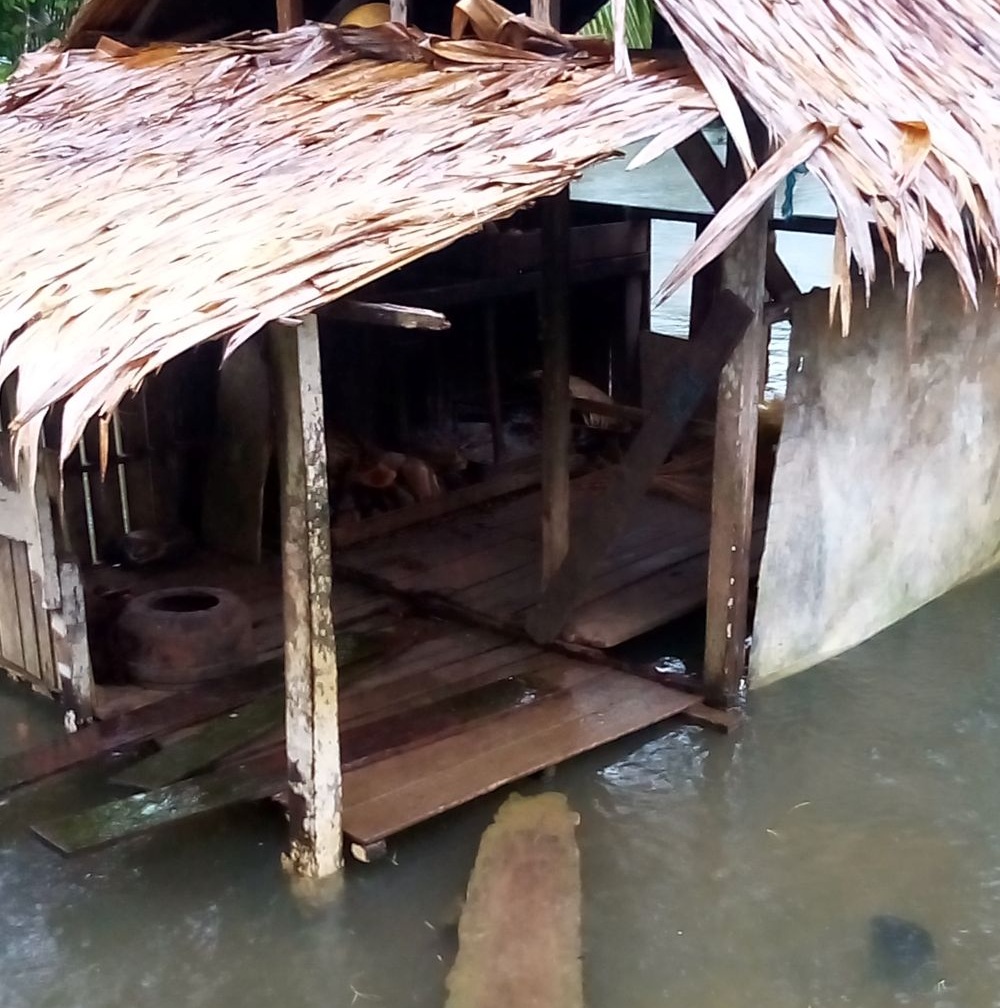
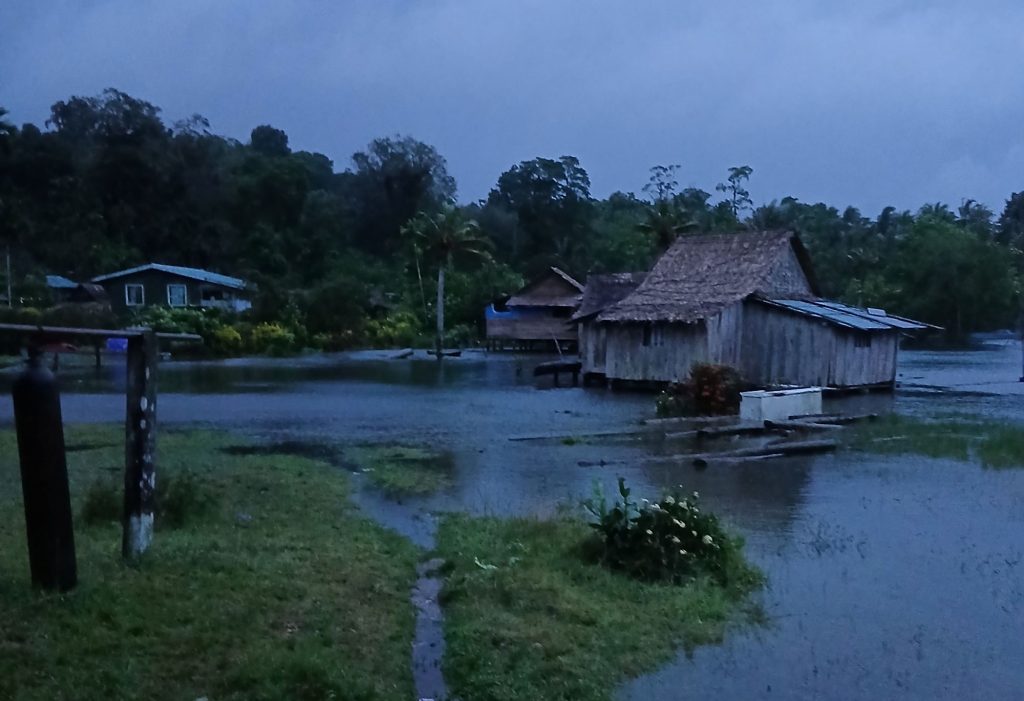
Today, parts of Kinamara sit only centimetres above sea level. During high tide, seawater reaches areas once considered safe. Some homes now stand partially over water, placing families at constant risk.
But the crisis goes beyond rising tides.
Villagers speak of shifting weather patterns that have disrupted traditional farming practices. Crops like taro, once planted according to seasonal knowledge passed down through generations, are now difficult to manage.
“It’s hard to predict the weather. Even pests are behaving differently. They’re eating crops they never used to touch,” Robert explained.
He said food production has declined, placing additional strain on families who rely on both gardening and fishing for survival. Fishing, too, has changed.
Robert said reefs have sunk, fish have become scarce, and fishermen must now paddle much farther out to sea to make a decent catch.
“In the past, I could fish just near the village and catch plenty. Now there’s nothing there. I think the fish have moved to deeper waters,” said elder John Revolo.
He said community members are trying to adapt to the changing environment without success over the years.
Revolo also said new dangers have emerged as environmental pressures mount.
He said crocodiles once rarely seen near the village are now venturing closer, particularly during high tides.
“There have been incidents where crocodiles have taken pigs, dogs, and even human lives,” Revolo said quietly.
For many, this is a frightening and unfamiliar reality, especially women and children.
Women and children are among the most affected.
Margarett Angarau described the daily challenges faced by women in Kinamara, including the struggle to access clean water.
With saltwater encroaching on their surroundings, women must walk long distances to find fresh water for drinking and washing.
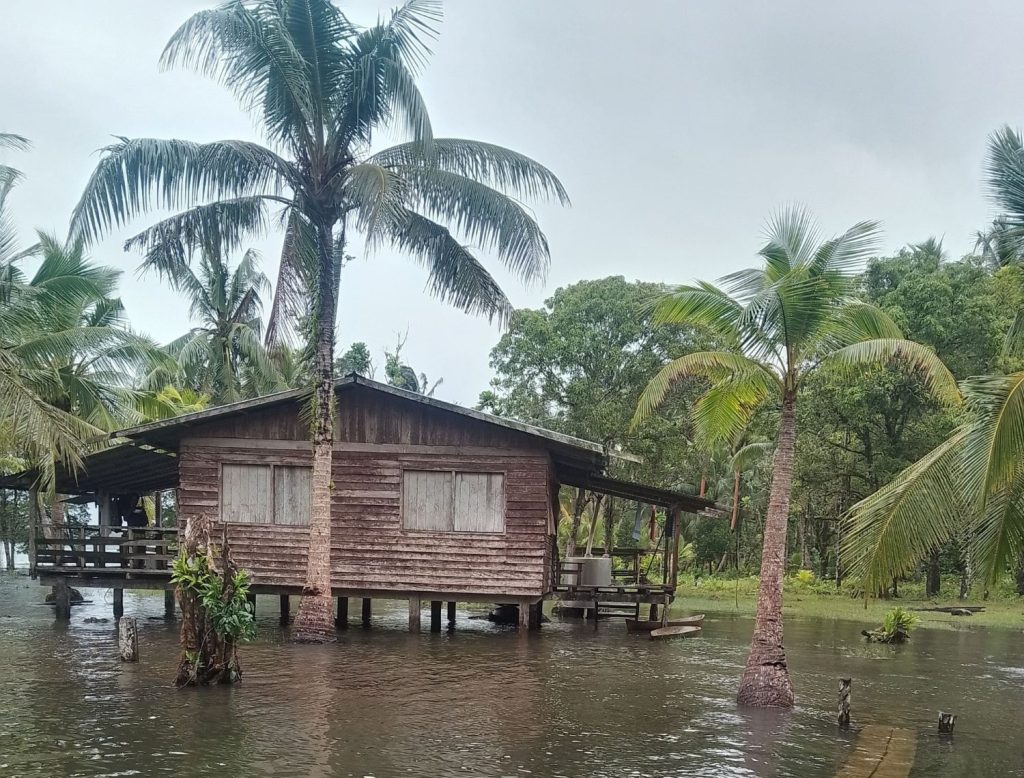
She also recounted a terrifying experience during the recent Cyclone Maila.
“I was fast asleep when neighbours called me to escape. When I stepped outside, the sea below my house was more than two metres high,” Angarau said.
Her family fled to higher ground, joining others at the community evacuation centre.
“It was frightening,” she added.
Despite the growing risks, relocating inland remains a sensitive issue. Some villagers are reluctant to move, fearing the loss of their connection to the sea — their primary source of food and income.
Elder Revolo continues to urge his people to consider relocation before disaster strikes.
“I’ve advised them to move inland, but many still want to stay close to the sea. I will keep encouraging them,” he said.
Kinamara’s story is not just about one village. It reflects a broader reality faced by many coastal communities across the Pacific — where climate change is no longer a distant threat, but a daily challenge.
For the people of Kinamara, the ocean that once sustained them is now slowly taking their land, their livelihoods, and their sense of security.
Yet even in the face of rising tides, their identity as “sea legends” endures — a testament to their strength, their history, and their determination to survive.
Photo credit: Ben Bilua
For feedback, contact: [email protected]
Editor: [email protected]