BY BEN BILUA
Gizo
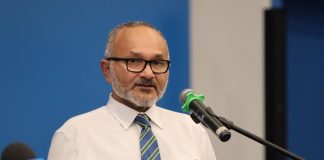
UNICEF’s Sanitation Specialist, Basilius Kris Cahyanto says the No Open Defecation (NOD) initiative is a critical pathway towards building healthy and resilient rural communities in the Solomon Islands.
Speaking during the declaration of NOD villages in Western Province last week, Mr Cahyanto said the achievement reflects strong community leadership and aligns with the National Health Strategic Plan.
“A healthy village begins with proper sanitation. NOD is not just a target—it is a pathway to a healthier future for our children, our families and our communities,” he said.
He acknowledged the commitment of chiefs, women, youth and elders for driving the initiative at the village level, and commended the Western Provincial Health Authority for successfully coordinating the program.
According to Mr Cahyanto, the NOD initiative plays a vital role in achieving the country’s national health goals and contributes to the Sustainable Development Goals (SDGs) 2030.
He stressed the importance of improved sanitation and hygiene, noting that diarrhea remains one of the leading causes of child mortality globally.
“Every year, 400,000 to 500,000 children die from diarrhea—a disease that can be prevented through improved water, sanitation and hygiene practices,” he said.
Mr Cahyanto said personal hygiene, especially among children and girls, is crucial to maintaining safe, dignified and healthy communities.
He emphasized that NOD promotes cross-sectoral development, enhancing human development, dignity, safety, and environmental protection.
So far, 31 villages in Western Province have been declared NOD, contributing to a national total of 173 villages—benefiting more than 20,303 people across 4,000 families.
Mr Cahyanto reaffirms UNICEF’s commitment to continue working alongside the Ministry of Health and Medical Services, (MHMS), Australia’s Department of Foreign Affairs and Trade (DFAT), Provincial Governments and Health Authorities, and other development partners to build on these achievements.
“The success of this program shows what strong partnerships and community leadership can achieve. Together, we are building healthier and stronger communities for our children’s future,” he said.
For feedback, contact: [email protected]