BY MORRIS NAFU
A project which could have been Solomon Islands first commercial rice farm in a long time is being delayed by dispute at the GPPOL area, east of Honiara.
Currently, much hype is over recent revelations by permanent secretary of the ministry of agriculture and livestock (MAL) Dr Samson Viulu at the Public Accounts Committee (PAC) this week about MAL’s trial rice projects in collaboration with Jiangsu Academy of Agricultural Sciences (JAAS), a leading research institution in China, that promises to produce full-scale rice farms in the near future.
Minister of MAL Franklyn D Wasi told Island Sun that the country could see commercial farms from this venture either in 2027 or 2028.
“We will need to conduct few trials at different sites to recommend the best variety.
“Depends on how fast to complete the cycles of planting at different sites but we wanted to make it fast. May be 2027 or 2028,” Mr Wasi said.
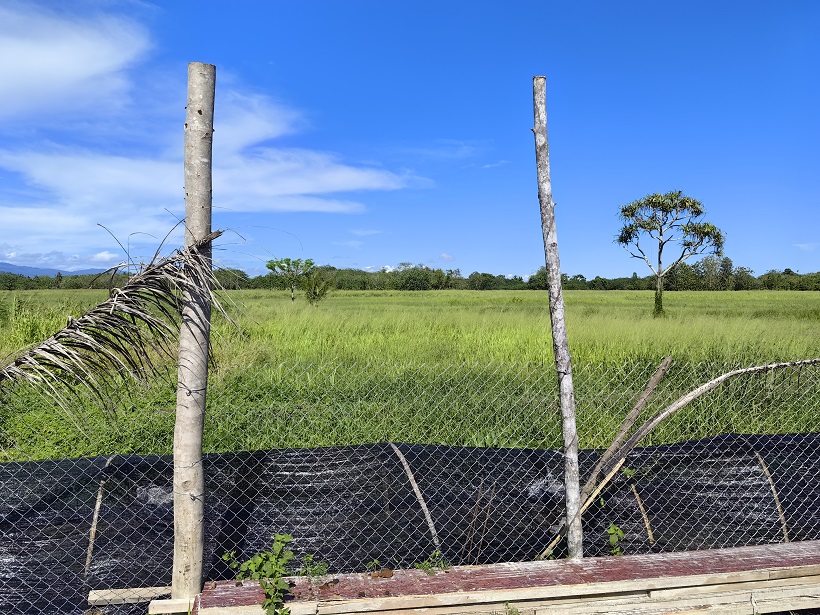
The major rice project being delayed is in the GPPOL 2 area and is 172 hectares. This is much larger than the proposed rice farms by the MAL in both Malaita and Guadalcanal provinces, which are 21 and 10 hectares respectively.
The farm is a venture between landowners and the company, the South Pacific Economy and Technology Development Co. Ltd (SPETDC). The perpetual title to the land is held by Samuel Kuri, the sole surviving trustee to the said land, and SPETDC leased the land from Mr Kuri.
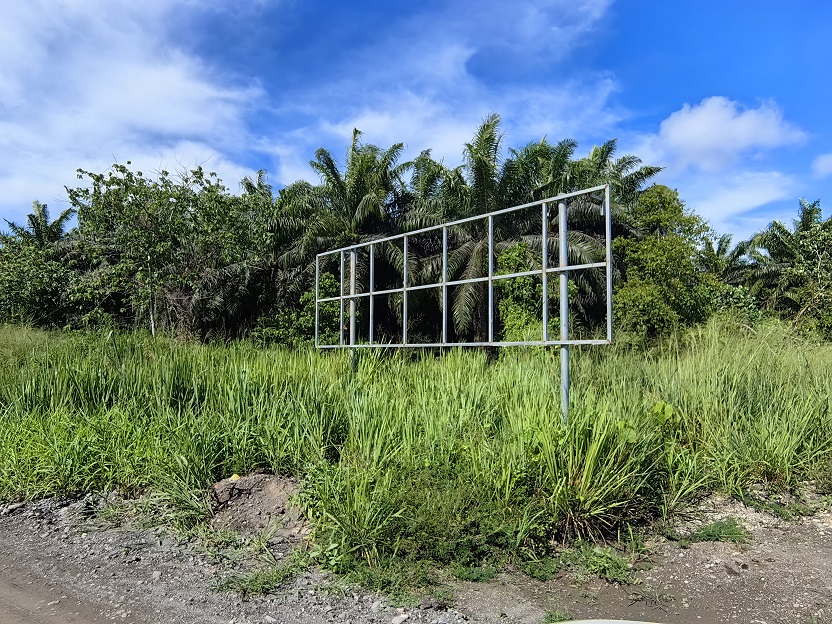
A trial rice farm project was piloted two years ago in another area in GPPOL 1 area, where soil testing showed that the soil was ideal for three varieties of rice to grow well there. Customised fertiliser was also created to suit the soil to boost rice growth.
Landowners told Island Sun that the rice grown from this trial project tasted delicious and fresh, much different from the stale rice which are being imported and bought from the shops around the country.
“The rice when cooked (the normal way) tastes just like it was cooked with coconut milk, although no coconut milk was added,” one landowner said.
From the successful results of the test farm at GPPOL 2, the farm at GPPOL 1 was established. All legal and cultural channels were satisfied, and on July 7 this year the company started to clear the farm.
There was much jubilation in the air as landowners looked forward to being part of Solomon Islands’ biggest and first commercial rice farm in a long time.
“We were elated to be part of this rice farm, and when the company began operating the farm on July 7 we all said it was a dream come true for us because we wanted a rice farm on that land which would feed us and the whole country,” Mr Kuri told Island Sun in an interview at his home a few kilometres from the farm.
But the jubilation was short-lived. On August 12, 2025, a disgruntled settler, Desmond Nimepo secured an injunction from the courts to halt the project.
Mr Nimepo reportedly had also wanted to be in on the deal between the company and the landowners in the rice project, but was not considered since he was not a landowner but a settler who was allowed to settle on a piece of land by the rice farm.
Landowner Kuri told Island Sun he had allowed Nimepo to settle there few years earlier. Kuri adds that Nimepo had failed to complete cultural processes to settle there.
Kuri laments the possibility of seeing his dream slip away as the company endures losses due to the injunction and the increasing prospects of the commercial rice farm joining the list of many other failed undertakings in Solomon Islands’ history.
Nimepo has not responded to Island Sun’s attempts to contact him via mobile phone and text for comments.
Guadalcanal supports such investments
Speaking to Island Sun earlier this month, Premier of Guadalcanal Willie Atu said that his government supports such developments in the province.
“We are willing to give the company another land to carry out rice farming, a hundred hectares. Because we see the potential of this project especially to counter the import of rice,” Mr Atu said.
“The company can’t be sitting around here with $44 million worth of rice seeds and machineries and everything waiting for April next year when the case go to the courts, so pending the court we were giving the company a counter offer with the land title belonging to the province,” Premier Atu said.
Loss of business
The SPETDC since having been forced to halt operations has reportedly endured around $50,000 loss of business per day.
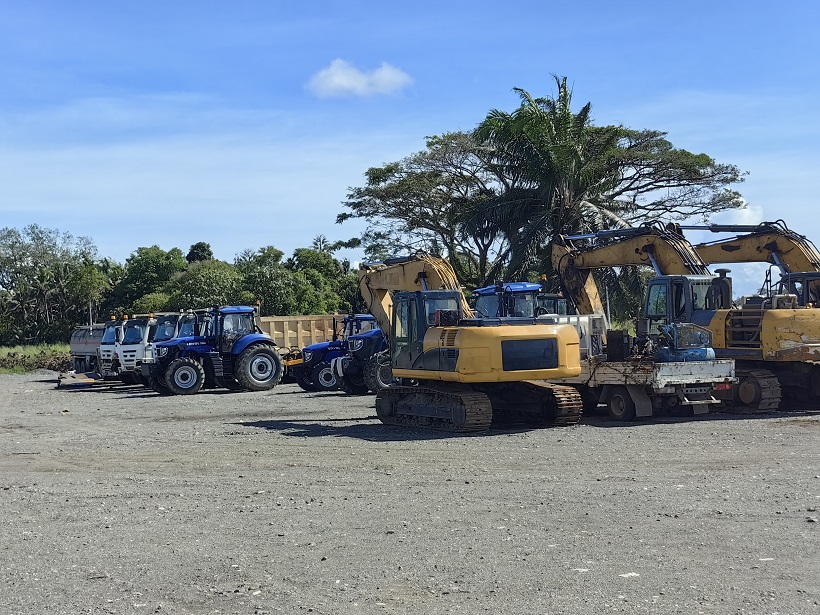
Speaking to Island Sun, a company spokesperson said their machineries are sitting idle and are depreciating, rice seeds are being stored at expensive electricity costs. But, despite this, the seeds are bound to go bad.
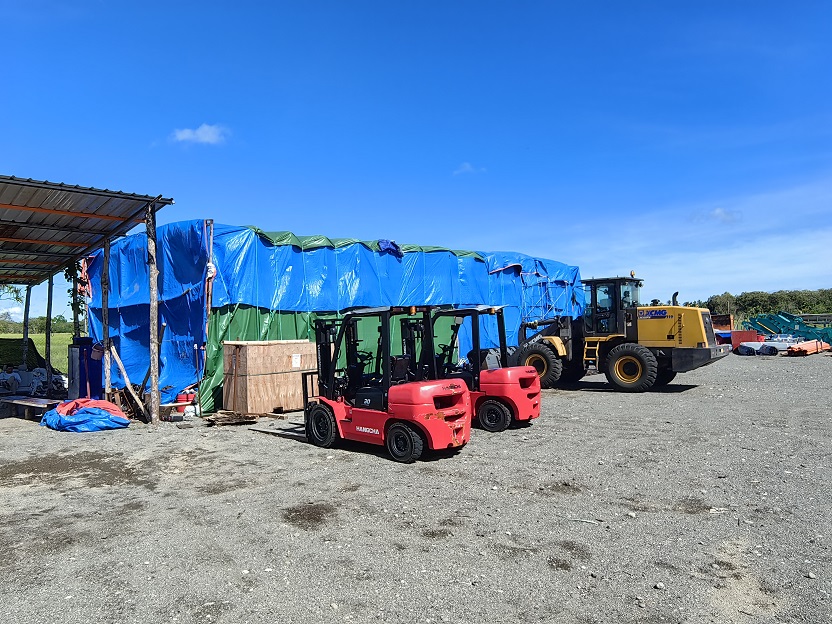
“We had brought in 11 metric tonnes of seed to kick start the project. But these are in danger of going bad. The seeds have a half-year lifetime,” the spokesperson said.
The company said it is doing everything it can to abide by the country’s laws, but feels sad that a genuine investment which would help the landowners, Guadalcanal province and the country is being let down.
“Our company came to the Solomon Islands with a clear and positive mission: to partner with local landowners to bring back rice cultivation, a vital step towards ensuring food security for the nation. After years of successful trials at our GPPOL 2 demonstration field, proving that at least three rice varieties can thrive here, we were ready to move to large-scale farming,” a company statement said.
“We entered into a legal and willing lease agreement with Mr. Samuel Kuri, the rightful and sole surviving trustee for the land parcels in Guadalcanal. Our shared goal was simple: to see the land flourish once again, to provide jobs, and to put local rice back on the tables of Solomon Islands families.”
Photos: Supplied
For feedback, contact: [email protected]