BY NED GAGAHE
Abandoned for years and facing demolition, Kalenga Clinic in Gao-Bugotu Constituency, Isabel Province, will be reconstructed driven by the determination of young people who refused to accept neglect as their community’s future.
Island Sun travelled to Isabel Province in late October as part of the Voices from the Rurals project, which documents the lived realities of people in remote communities.
After a four-hour outboard motor ride from Honiara, I arrived at Suva – one of the communities near Kalenga on the evening of Friday October 24, 2025.
Following meetings with chiefs from Suva village, one issue repeatedly surfaced: the alarming condition of Kalenga Clinic. It quickly became clear that the clinic’s deteriorating state was not just an infrastructure problem, but a human dignity issue affecting thousands.
A Community Left Behind
Kalenga Clinic serves an estimated population of 1,700 people from four communities of Sepi, Suva, Thathaje and Kalenga Secondary school. Built nearly 25 years ago with funding from the Australian Government through the former AusAID program, the clinic has long outlived its intended lifespan.
Its last major refurbishment was more than a decade ago under the Australian Direct Aid Program (DAP). Despite assessments by the Ministry of Health in 2018 highlighting serious service gaps, little improvement followed.
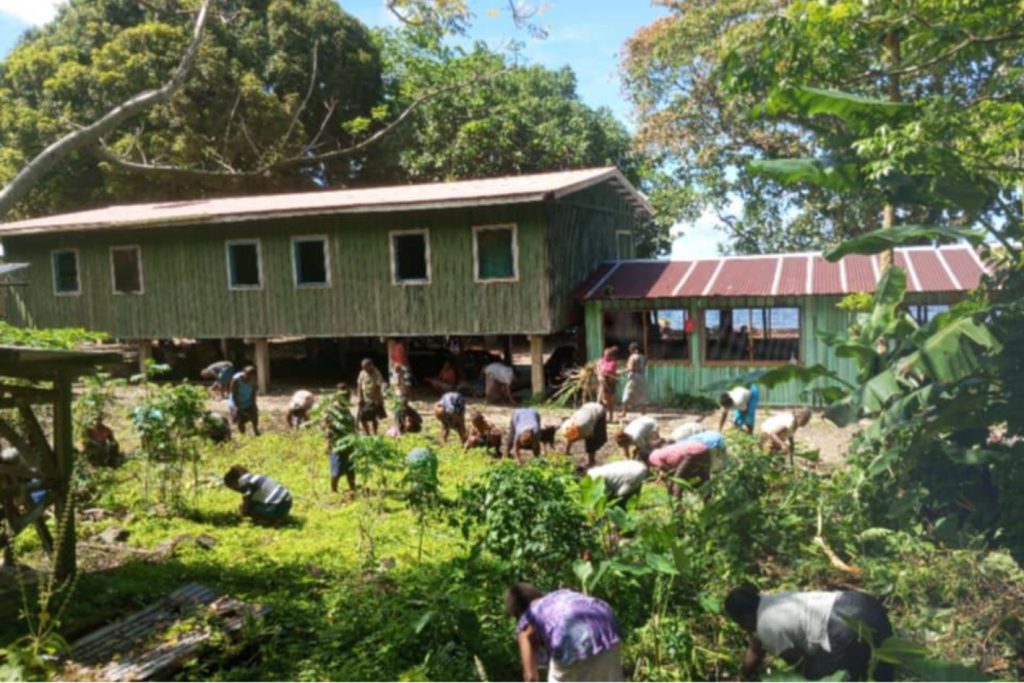
Situated close to the seashore, the clinic was constructed on high posts. While practical at the time, the design created new challenges. The elevated structure is inaccessible to women, the elderly, and people living with disabilities, who must climb steep stairs to reach healthcare.
A Nurse’s Daily Struggle
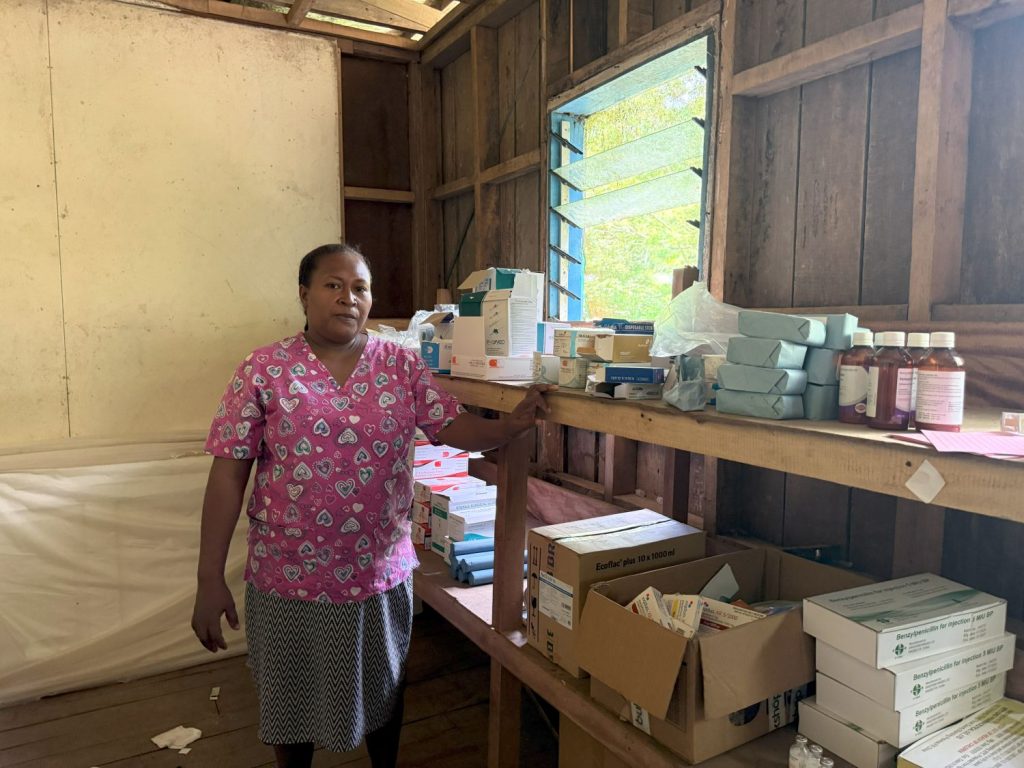
Registered Nurse and Midwife, Elizabeth Roronu has been stationed at Kalenga Clinic for three years. She describes working conditions that fall far below basic health standards.
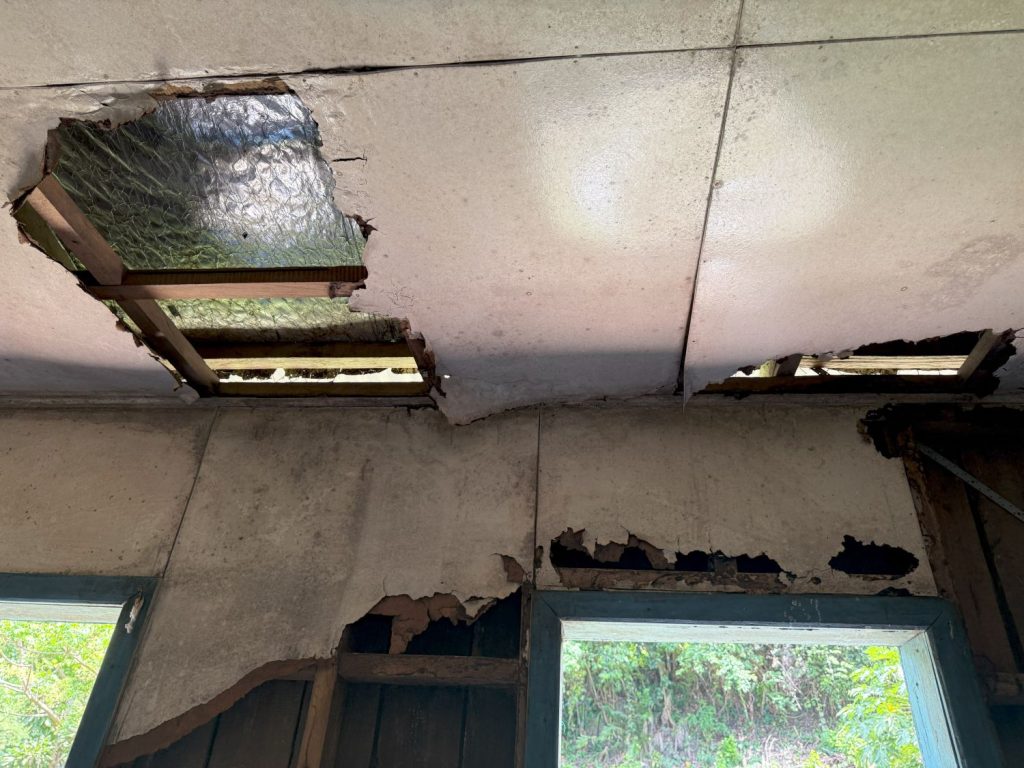
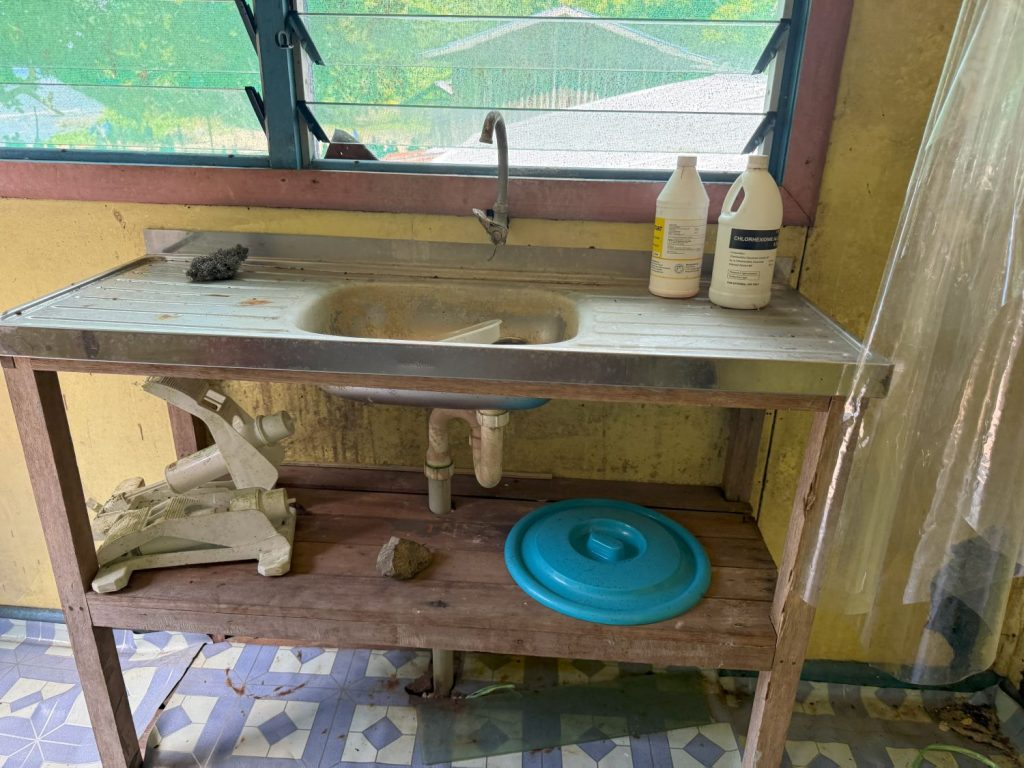
“The building is too old. The ceiling is falling apart, and there is no running water.
“There is no light at night. When patients are admitted, we use our own flashlights. There are no toilets or washrooms. If patients can walk, they go to the seaside to relief themselves. If they can’t, we use buckets and throw the waste into the sea,” she said.
The clinic also lacks transport. Without its own outboard motor (OBM), staff must hire boats from the community to collect medical supplies, leading to additional burden to patients and community.
“Sometimes medicines don’t last the full three months. Transport and fuel are our biggest challenges. Our Local Purchase Orders (LPOs) can take up to six months to process. Meanwhile, businesses here require cash,” Nurse Roronu explained.
As a result, communities and patients often shoulder the cost themselves. Some LPOs, she said, have remained unsettled for up to three years.
Rising Malaria Cases
Malaria is on the rise in Kalenga and surrounding villages. Nurse Roronu reports that on some days, up to ten patients test positive, with weekly numbers reaching 30 cases.
“We often run out of Coartem and Primaquine. When we test patients positive and have no medicine, we just send them home,” she said.
Island Sun understands that some patients resort to sending money to relatives in Honiara to purchase medicines. There are also allegations of medicines being sold privately in the community—claims that remain unsubstantiated.
Youth Step in Where Government Fell Short
For years, the community suffered in silence. But the younger generation decided enough was enough.
Led by youths from the communities, discussions began on how to replace the failing clinic. These conversations gained momentum through Sepi Empowerment & Progress Initiative (SEPI), a Facebook Forum, which became a hub for ideas, planning, and collaboration.
Recently, the application for funding was submitted through the Solomon Islands–Australia Community Partnerships Program. Then in May this year, the project was approved and signed for building the new clinic.
The project is a collaboration between the donor, the community, and the constituency driven largely by youth leadership.
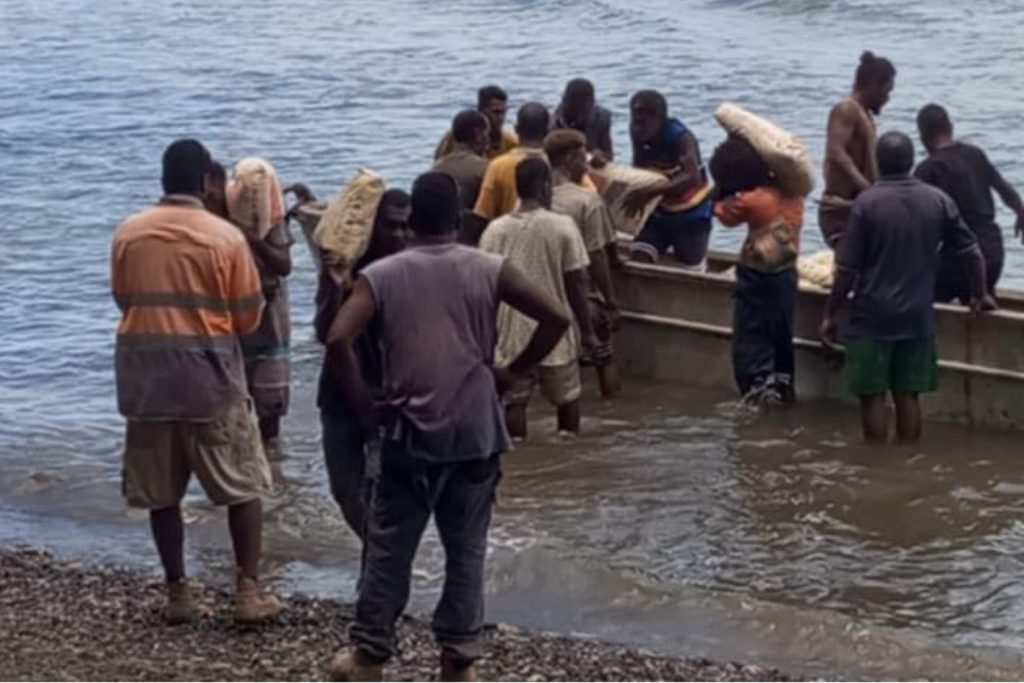
Following the signing, materials were shipped to the community, with freight costs included in the funding. The constituency assisted by chartering a vessel to transport materials to the site. Meanwhile, the community contributed gravel, sand, and labour, identifying skilled individuals to help construct the building.
Community Leadership Speaks
Kalenga Clinic Chairman Jonas Nohe said medicine shortages have plagued the community for over a decade.
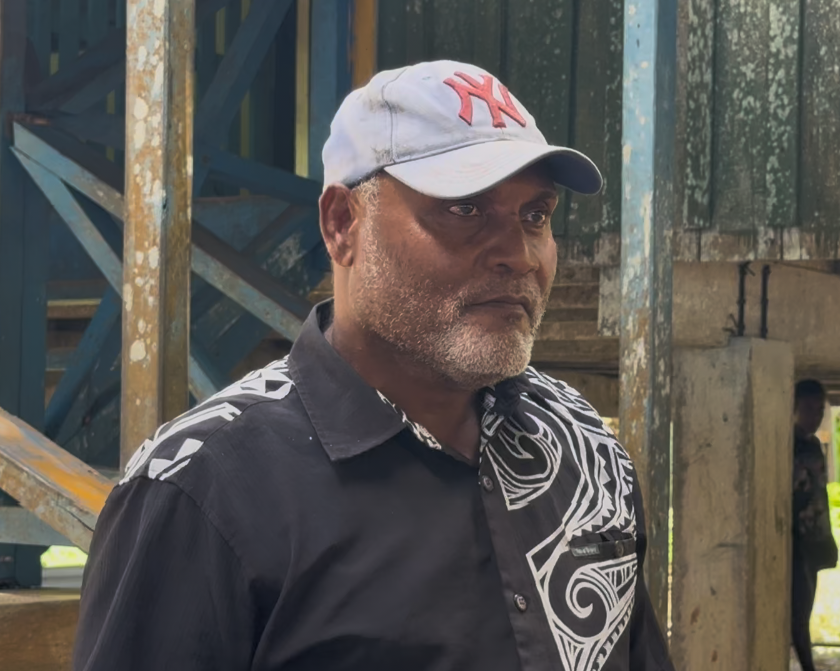
“We travel to Susubona – an Area Health Centre in another constituency using nine gallons of fuel just to collect supplies, but often the medicine runs out within days.
“The population here is too big for the supply we receive,” he said.
As shortages persist, people increasingly rely on traditional remedies or purchase medicine privately—something unheard of in the past.
“Malaria has increased. In the 1980s and 90s, health officials came for spraying and awareness. Now, you hardly see them.
“Our ears are tired of hearing about millions of dollars on the news. We don’t feel it here,” Nohe said.
He welcomed the new clinic project, thanking the Australian Government and all those involved.
“My vision is simple: I want my people treated like human beings. Government services must reach us fairly. Enough is enough.”
A New Clinic, A New Beginning
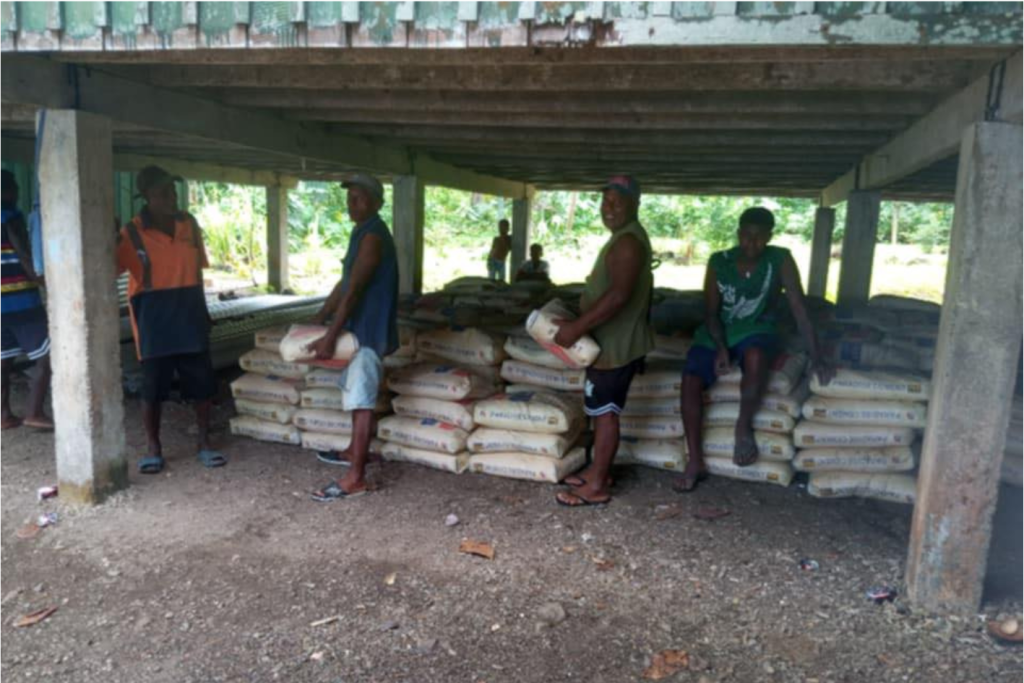
All materials for the new clinic have now arrived, and construction is set to begin. Nurse Roronu believes the new facility will address many of the challenges they face daily.
“Honestly, this clinic should have been closed already because it does not meet health standards. But we continue out of compassion for our people,” she said.
Government Response
Prime Minister Jeremiah Manele recently acknowledged in Parliament that access to healthcare in rural areas remains a major challenge due to inadequate infrastructure, staffing, and medical supplies.
Meanwhile, Minister for Health Dr. Paul Popora Bosawai said an increased health budget for 2025 will help ease longstanding issues with drug security and medical supplies.
“These challenges have long affected our people. With the increased budget, we are addressing bottlenecks in procurement, payment, storage, and distribution,” Bosawai said, while admitting more work remains.
He also highlighted recent clinical governance training completed by senior clinicians as a step towards improving accountability and patient safety nationwide.
Hope Rooted in Youth Action
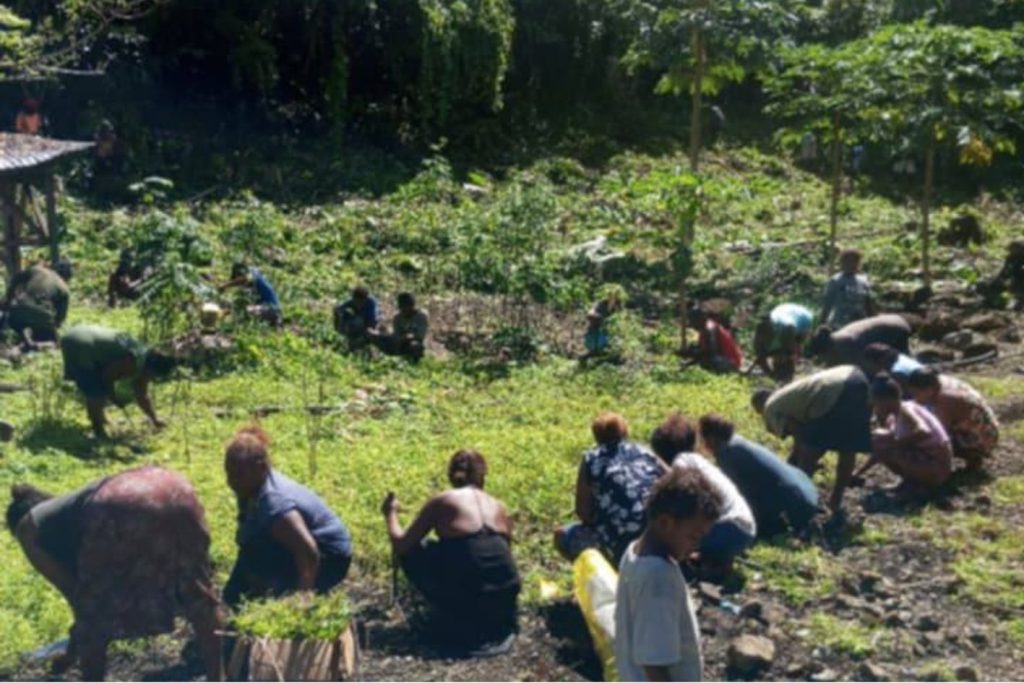
While policy promises continue at the national level, the story of Kalenga Clinic shows that real change often begins at the grassroots—driven by young people who refuse to accept neglect.
*Reporting for this story was supported by Pacific Media Assistance Scheme (PACMAS)
For feedback, contact: [email protected]