-Major setback for Solomons’ seaweed trade as major producer, Wagina seaweed farms, severely damaged by currents associated with Russian tsunami, Wednesday night
-Authorities caught napping
BY JOHN HOUANIHAU
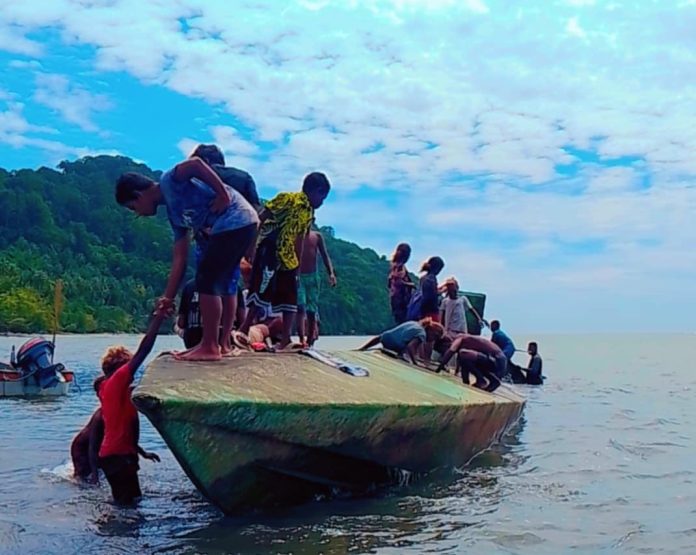
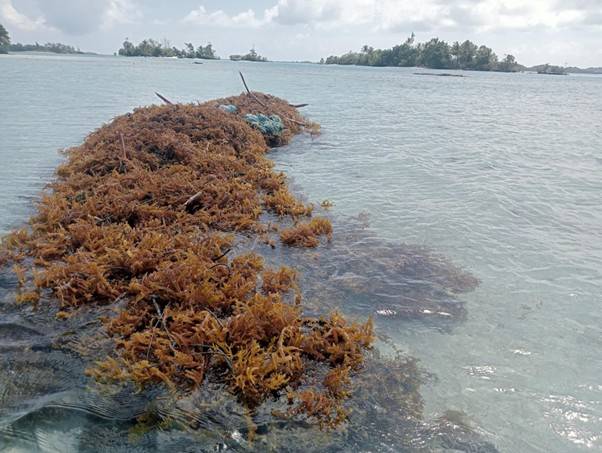
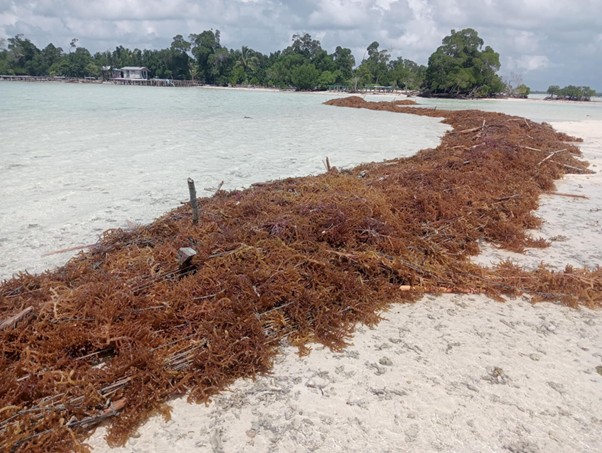
Wagina seaweed farms have experienced severe damage from strong currents on Wednesday night, July 30, 2025.
The incident is reportedly associated with the tsunami from the Russian earthquake.
As Wagina seaweed farms make up more than 90 percent of Solomon Islands’ seaweed exports, and regarded as the largest commercial seaweed producer in the South Pacific, this is said to be a major setback for Wagina seaweed farmers.
The national disaster management office (NDMO) in Honiara told Island Sun on Thursday, July 31, 2025 that they were not aware of the situation.
Meanwhile, the whole country was put on notice nearly the entire day before, for a potential tsunami from the earthquake that struck off Russia’s east coast 10:25am Solomon time.
The Ministry of Fisheries and Marine Resources (MFMR) declined to comment when Island Sun reached out to them yesterday.
Only Choiseul province’s disaster management office had some sort of plan to respond to Wagina’s dilemma.
An initial assessment carried out by local farmers on Thursday, July 31, 2025 estimated that around 98 percent of seaweed farms have been destroyed.
Member of provincial assembly (MPA) for Wagina, Tongoua Tabe told Island Sun that every farmer in the eastern end of the Tetongo seaweed island group have reported losing “everything”.
Former Wagina MPA, now seaweed farmer, Mofete Tupou told Island Sun on Thursday, July 31, 2025 that in the western end of Tetongo, only three out of 200 farmers reported that their farms were safe.
Speaking to Island Sun, George Tego from Choiseul province’s National Disaster Management Office said they are yet to conduct an assessment regarding the situation.
“Here on the ground, I was not aware of the matter until I saw it in a media article that was published and circulated on social media,” he said.
Tego said the plan now is to discuss with the chairman of the Provincial Disaster Committee (PDC) and the Provincial Disaster Operation Committee (PDOC), call in the committees, brief them and decide on the appropriate action to take.
“What normally happens is to verify the situation, coordinate with the Fisheries officer here. Meaning we have to deploy Fisheries personnel to go and do detailed findings and assessment on the damages and see what their recommendations are to support these farmers. If they need support, then they will liaise with the MFMR fisheries office in Honiara,” he said”
Tego also assured Wagina’s seaweed farmers that the result of the discussion will determine what steps and actions the province can take.
“We will see what action needs to be taken on the ground at the provincial level. The result will be determined from our discussion,” he said.
Meanwhile, Tupou told Island Sun that on Thursday morning, July 31, 2025, that he and other farmers on the western end of Tetongo carried out their assessment of the damages and found that “almost every farm was destroyed”.
He said 510 ropes of seaweed from his two farms have been destroyed, which he estimates to cost around $35,000.
“Only one rope of seaweed remained unscathed by the tsunami,” Tupou said.
One farmer in the eastern end of Tetongo, Bara Tokanapiri, said he had lost more than 100 ropes of his seaweed.
MPA Tabe said that every farmer he had interviewed so far has said the same thing.
“Everything is gone!”
Tabe described the Wednesday night experience as “frightening”.
Tupou said they are now discussing ways of salvaging the seaweed for whatever is of commercial value, and will also come up with how each farmer can get a fair share from sales.
“Because Wednesday night’s tsunami currents rolled up all the seaweeds into huge bundles, which are now scattered on our shores or floating around us. I don’t know which bundle my seaweeds are in,” Tupou said.
Both Tabe and Tupou call on the government and donor partners to assist Wagina seaweed farmers to recover from the disaster.
For feedback, contact:[email protected]