
Home Blog Page 270

Malaita youth leader warns of indigenous economic displacement by 2050

0

BY NED GAGAHE

A young voice from Malaita has raised serious alarm at the United Nations, warning that indigenous youth in the Solomon Islands are at risk of losing control over their land, culture, and economy by the year 2050.

Maverick Peter Seda, speaking at the Human Rights Council in Geneva this week, addressed the international community on behalf of indigenous youth and the Malaita Provincial Youth Council.

Seda, a recipient of the UN Voluntary Fund for Indigenous Peoples, said the future of young people in Malaita is increasingly under threat due to growing environmental and economic pressures.

“For us, land and ocean are not just resources. They are our identity, our way of life, and the foundation of how we govern ourselves,” Seda said.

He stressed that traditional practices such as storytelling, hunting, cooking, and customary justice are not only cultural expressions but also tools for conflict resolution and leadership.

Seda said Malaita, which holds the largest ocean territory in the Solomon Islands, is facing an increase in seabed mining activity and illegal fishing.

He highlighted that these environmental threats are eroding both biodiversity and cultural survival.

“These are not just environmental issues. They are human rights issues. If our oceans are destroyed, so is our culture,” he said.

Seda warns of increasing economic marginalization of indigenous youth, as foreign investors gain dominance over local industries.

“If this trend continues, by 2050, indigenous youth may no longer have any control over their economic future,” he told the council.

He calls on international leaders to recognize the direct link between economic displacement and cultural erosion.

In response, Seda highlighted two grassroots initiatives from Malaita that are giving youth a voice and helping to protect traditional knowledge.

The Malaitolo Programme – A school-based programme that integrates traditional land and ecological knowledge into the high school curriculum.

The Tea-Room Project – A community hub that provides space for indigenous youth to access traditional knowledge and engage in open dialogue on leadership, culture, and civic responsibility.

Seda said these projects show how indigenous communities are building their own solutions—efforts that deserve support.

In his closing remarks, he aligned Malaita’s struggle with those of other Pacific indigenous communities facing similar challenges.

“The future of our region depends on how we protect our youth, our culture, and our land today. We call on the world to support indigenous-led solutions, not just foreign interests,” he said.

For feedback, contact:[email protected]

Health pushes to raise retirement age for key workers

0

BY MORRIS ANFU

The Ministry of Health and Medical Services (MHMS) is pressing ahead with plans to extend the retirement age for frontline health workers from 55 to 65, aiming to address a severe shortage in the sector.

This proposed extension of service comes amidst ongoing challenges in maintaining a robust health workforce.

MHMS Permanent Secretary, Paulin McNeil, appearing before the Bills and Legislation Committee (BLC) for the Public Service Bill 2025, explained that the move will allow the retention of seasoned professionals to guide younger staff.

She highlighted that nearly 40 percent of the current workforce is approaching retirement age, highlighting the urgency.

The proposal specifically targets clinical roles, including doctors, nurses, lab technicians, and other medical service providers, while sparing administrative positions.

“This is mainly for our health clinicians, doctors, and nurses—our labs, medical teams, and those directly involved in patient care.

“Admin roles are different; anyone can handle those, but we desperately need to bolster our clinical workforce,” McNeil said.

Opposition Leader Matthew Wale countered that the matter could be addressed more flexibly through regulations rather than embedding it in the main Bill.

McNeil noted that the ministry currently has about 12 workers past 55 operating under fixed-term appointments (FTAs) nationwide, but stressed these falls far short of what’s needed.

On whether expanding FTAs might be a simpler alternative, she affirms the preference for raising the retirement age to 65 for health services.

“Of course, it could impact the budget and finances, but given our situation, it’s essential,” McNeil stressed.

The Public Service Bill 2025 is still being scrutinized and expected to conclude this week before making it’s way to parliament soon.

For feedback, contact:[email protected]

Health worker describes MHPSS training as helpful

0

BY JOHN HOUANIHAU

The “Mental Health and Psychosocial Support (MHPSS) for Children and Families Advanced Training” concludes today, Friday, 26th September.

The week-long training, conducted at the UN Joint Presence Office Conference Room, ANZ Building at Ranadi in Honiara, is designed to equip provincial mental health workers with necessary skills to effectively address mental health challenges.

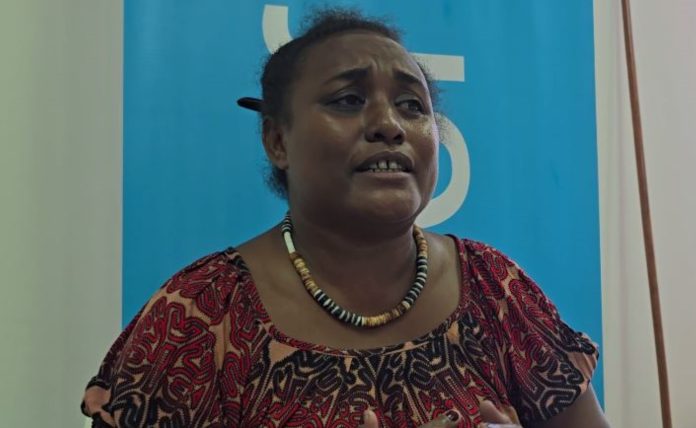
Hellen Kwai, representing the Mental Health, Acute Clinic at the National Referral Hospital, in an interview with Island Sun, shares her experience about the training.

Speaking about Thursday, the fourth day of the training, she said the training was about child development.

Kwai also said the training is crucial as it enables them to engage with patients

“Additionally, it is vital for me to assist communities by sharing what I have learned during the training,” she said.

One of the topics that stood out to her from the training is “trauma”, in particular, on how children can become traumatised at home due to violence between their parents.

“When a child experiences trauma, the recovery process can be lengthy, while some may recover more quickly. Typically, it takes about six months to heal from trauma; however, this duration can differ between children and adults. As a mental health nurse, I plan to return to my community to raise awareness in churches and schools regarding what both parents and children need to understand,” Kwai said.

She added that stigma currently poses a considerable challenge for individuals on the streets.

“But we must not stigmatise them simply because they are ill. Their condition is similar to other illnesses in that it can be treated with appropriate care. They are experiencing mental illness. This workshop aims to dismantle such misconceptions,” she said.

Kwai expressed her desire to witness this form of training being implemented within communities and urges her colleagues to disseminate the information to others and participate in future sessions.

She furthered that her recommendation is to acknowledge the presence of many individuals with mental health issues on the streets.

“It is important to treat them with respect and offer assistance when they require it. Avoid stigmatising them,” Kwai said.

For feedback, contact:[email protected]
‘Mental health training is relevant’

0

BY JOHN HOUANIHAU

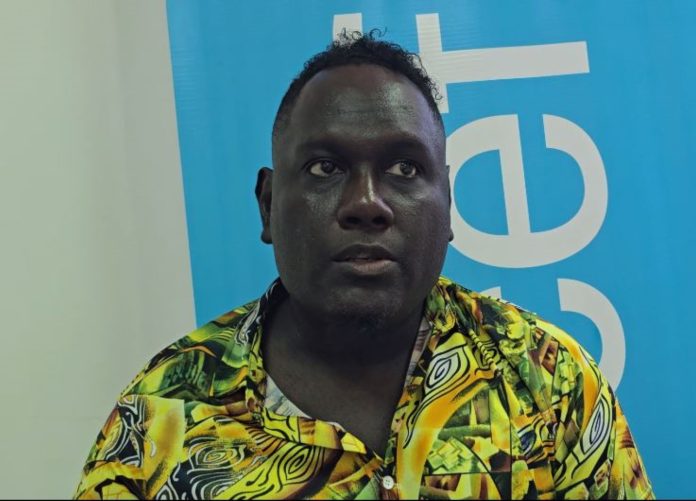
Dr Cealdro Alependava from Gizo Hospital in the Western Province said that the Advanced Training on Mental Health and Psychosocial Support (MHPSS) for Children and Families is relevant.

The 38-year-old, who collaborates closely with the mental health coordinator of the Western Province, has participated in the week-long training, which concludes today, Friday, 26 September, 2025.

In his capacity as a mental health counsellor, his responsibility is to assist patients and children impacted by mental health issues.

In an interview conducted yesterday, Dr Alependava said that the training is highly relevant, particularly considering the existing gaps in the specialised focus directed towards children and adults facing mental health challenges.

“We also learned that resilience is a crucial element of children’s development, particularly regarding how they cope with stress and trauma, as well as their self-perception.

“This is significant because, at present, we are not sufficiently attentive to the development of children from birth through youth,” he said.

Dr Alependava expressed that the training empowers them as counsellors to address this gap, which is critically important in terms of how they reflect on their roles.

“Often, we approach our work in our own manner, and it is equally vital for us as health professionals to provide the best mental health care to those in need.

“This workshop will certainly create a positive impact in the coming years if those of us who attended the training consider and implement the knowledge we have gained,” he said.

Dr Alependava mentioned that the training provided insights on how they can contribute to preventing substance abuse and gender-based violence within society.

“Therefore, if we begin focusing on a child’s mental health from an early age, we can certainly anticipate a brighter future,” he said.

For feedback, contact:[email protected]
A child healing from trauma goes through a predictable healing process

0

BY JOHN HOUANIHAU

Children who suffer severe trauma from situations such as rape, witnessing the death of a parent, or from other violent experiences go through a predictable healing process.

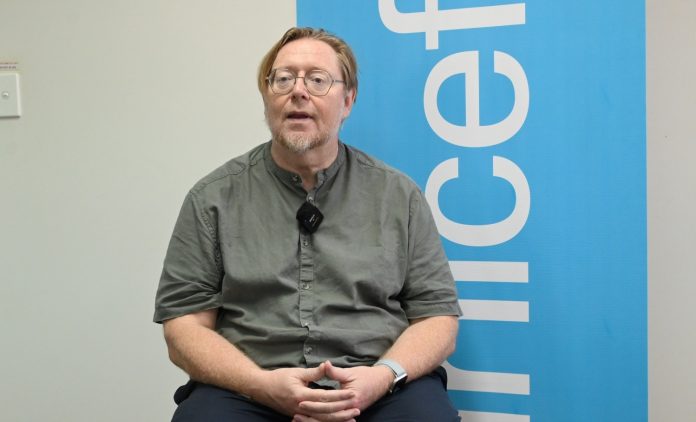
Dr Koen Sevenants, a consultant with the United Nations International Children’s Emergency Fund (UNICEF) for Mental Health and Psychosocial Support (MHPSS), highlights this during an advanced training on mental health and psychosocial support.

He said while only a few children may require formal counselling, it is crucial to distinguish between moderate and severe trauma to understand how children recover.

“In the first two weeks after a traumatic event, children tend to be either very active or passive,” he said.

He said that some may isolate themselves and show little energy, while others may appear restless.

To add on, Dr Sevenants said after this initial period, children typically enter a phase known as dissociation, which can last up to three months.

“Dissociation is a natural form of self-protection. It allows children to separate their emotions from what they know has happened. It’s a way of escaping pain. They know what happened, but they don’t feel anything,” Dr Sevenants said.

He stated that as children slowly come out of dissociation, they begin to reconnect with painful emotions that can trigger panic attacks, aggression, or other challenging behaviours.

“They may step in and out of dissociation repeatedly before they fully face their feelings,” he said, adding that new trauma or re-traumatisation can push a child back into dissociation.

Dr Sevenants stressed that it is during this time that parents, teachers and caregivers should provide safety and stability but avoid sudden surprises such as birthday parties or unplanned outings.

“If after six months a child shows no signs of emotional release, such as crying or expressing anger, professional counselling becomes necessary,” he said.

Dr Sevenants emphasised that what may appear as “bad behaviour” during recovery, including aggression, withdrawal, or substance use, is often part of the healing process rather than a sign of misbehaviour.

“Children only come out of dissociation when they feel safe. If the trauma is too deep, they may remain in dissociation and develop a disorder that makes functioning in society difficult. That’s when trained counsellors need to step in,” he said.

Dr Sevenants pointed out that in extreme cases, children may experience derealisation as in the sense of disassociating themselves from reality and feeling disconnected from people and surroundings.

“It’s not because children are bad, it is because they have been through trauma, and these behaviours are part of their journey toward recovery,” he said.

For feedback, contact:[email protected]
Ginger tea made in Gizo

0

BY BEN BILUA
GIZO

A market vendor at Gizo has come up with a brilliant idea to replace coffee mix and other products that people mix with tea.

Anderson Anika produces Ginger Tea powder at her home at Malakerava, Gizo, Western Province.

She explained that producing the tea is done manually using a grater, pot and firewood.

Anika said the ginger tea comes in small packs which she sells at the Gizo market for five dollars $5.00 per packet.

“It comes with different flavours depending on customers’ choice. This is a local product and I want to encourage people to give it a try,” she said.

According to scientific research, ginger is packed with antioxidants and anti-inflammatory compounds, making the drink not only refreshing but also beneficial in strengthening the body’s defense system.

Known for its medicinal properties, ginger tea has long been valued in households as a natural remedy for flu, sore throats, digestive issues, and boosting immunity.  

With growing consumer interest in organic and locally made products, ginger tea production is now being recognized as a small but important industry.

Choosing ginger tea produced locally gives people a natural alternative to processed beverages while encouraging healthy living.

Beyond health benefits, ginger tea production is also creating new streams of income for rural farmers and small businesses.

By adding value to ginger root through processing and packaging, local producers are tapping into both domestic and potential export markets.

This in turn contributes to job creation, women’s economic empowerment, and supports agricultural sustainability.

For feedback, contact:[email protected]

SINA withdraws strike notice

0

BY MORRIS NAFU

The Solomon Islands Nursing Association (SINA) has called off its planned 28-day strike, following productive discussions with government officials.

Permanent Secretary for the Ministry of Public Service, Luke Cheka confirmed the withdrawal during yesterday’s session with the Members of the Bills and Legislation Committee (BLC).

The strike notice was set to run from September 4 to October 1.

It stemmed from unresolved concerns raised in ongoing talks with the Ministry of Public Service and the Office of the Prime Minister and Cabinet (OPMC).

At the heart of the dispute was SINA’s dissatisfaction with the leadership approach of the current Permanent Secretary for the Ministry of Health and Medical Services (MHMS).

In the notice, SINA highlighted an administrative oversight related to the interim appointment of the supervising national director of nursing, a position that became vacant in early March 2025.

Cheka assured the committee that the issue is being addressed promptly, paving the way for the strike’s cancellation.

“I met with them last week, and we discussed those matters in detail.

“I directed them to withdraw the notice, and they agreed,” he said.

He emphasized that the concerns were purely administrative and unrelated to the welfare or conditions of nursing staff, adding, that these are things they can handle internally.

BLC member and Leader of the Opposition, Matthew Wale, praised Cheka and the ministry for taking a proactive stance.

“It’s a positive move by all ministries to prevent strikes and ensure our public servants can work without disruption.

“We must prioritize looking after our employees,” said Wale.

Cheka further outlined broader efforts that are underway.

“We’re implementing major reforms across the public service right now, with more changes on the horizon.

“We have a dedicated committee reviewing terms and conditions for public servants, involving representatives from the public service, the Prime Minister’s Office, and the Ministry of Finance,” he explained.

For feedback, contact:[email protected]

Trump dismisses climate change as Pacific leaders call for urgent action

0

BY JOHN HOUANIHAU

The 54th Pacific Islands Forum (PIF) Leaders’ Summit wrapped up in Honiara this month with a strong call for urgent global action on climate change, which leaders reaffirmed as the “single greatest threat” to Pacific peoples’ livelihoods, security and well-being.

In the PIF final communiqué, PIF leaders said climate change remains a major barrier to achieving the region’s 2050 Strategy for the Blue Pacific Continent and the United Nations Sustainable Development Goals.

The leaders pledged to continue championing the needs of vulnerable nations and urged faster implementation of the Paris Agreement, stressing the importance of keeping the 1.5°C target “within reach.”

But even as Pacific nations pushed for stronger climate commitments, U.S. President Donald Trump struck a sharply opposing tone at this year’s United Nations General Assembly in New York on Tuesday this week.

Trump described climate change as “the greatest con job ever committed on the world,” while criticising the European Union for reducing its carbon emissions, which he claimed had damaged its economy.

“All of these predictions made by the United Nations and many others, often for bad reasons, were wrong,” Trump said, warning that investment in renewable energy would harm national economies.

Since taking office, President Trump has twice withdrawn the United States from the 2015 Paris Agreement, aligning the country with only Yemen, Iran and Libya.

Trump’s administration continues to pursue an “energy dominance” agenda centred on fossil fuel production and exports.

UN Secretary-General Antonio Guterres, who hosted a climate summit this week, answered that global finance is already shifting.

He noted that US$2 trillion was invested in clean energy last year, overtaking fossil fuels by US$800 billion.

For feedback, contact:[email protected]

Hotels in Gizo fully booked

0

BY BEN BILUA
GIZO

Hotels and guesthouses in Gizo have been fully booked this week as the Western Provincial capital plays host to a series of national and provincial events.

The highlight is the National Healthy Setting Conference, which has brought together more than 200 participants from across the country.

Western Province Minister of Sports, Culture and Tourism, Eric Hitu, described the conference as a blessing for accommodation operators and other businesses in Gizo.

He said the event not only contributes to the development of national health strategies but also creates positive ripple effects for the local economy.

“Such events bring people from different regions together, creating opportunities for networking, investment, and knowledge sharing that can stimulate local businesses.

“They also attract visitors who spend on accommodation, food, transport, and other services, directly boosting the rural economy. At the same time, conferences showcase the host community’s culture, environment, and hospitality, which helps promote the area as a tourism destination,” Hitu said.

He emphasized that hosting conferences in rural centres like Gizo is vital for business growth and tourism, noting that the long-term benefits include rural development, diversification of income sources, and strengthening the community’s reputation both nationally and internationally.

Hitu acknowledges the government’s decision to host the national conference in Gizo, saying it reflects confidence in the province’s capacity to stage large events.

For feedback, contact:[email protected]

GREEN & CLEAN

0

SINU launches campaign to promote civic responsibility, sustainability, environment action

BY NED GAGAHE

The Solomon Islands National University (SINU) has officially launched its “Green and Clean Campus Campaign”, marking a strong step forward in promoting sustainability, civic responsibility, and environmental action across its campuses.

The campaign was launched in line with World Clean-up Day on Friday, September 19, 2025, and signals SINU’s long-term commitment to making its learning environments cleaner, greener, and more sustainable.

Speaking during the launch ceremony, Vice Chancellor Professor Transform Aqorau said the campaign is more than just a clean-up exercise—it reflects the core values of the university.

“Today we not only join millions around the globe in a day of environmental action, but we also launch our very own SINU Green and Clean Campus Campaign. This campaign is a statement of our values and our leadership in sustainability and civic responsibility,” Aqorau said.

As part of the launch, SINU announced it will soon sign a Memorandum of Understanding (MoU) with the Honiara City Council (HCC). The agreement will aim to improve campus waste management, support public health, and empower communities to take on active roles in environmental stewardship.

This partnership expects to support broader waste management strategies in Honiara while creating better systems within SINU’s own operations.

SINU also acknowledged the support of its partners, notably CMA CGM, a leading global shipping and logistics company.

The company’s presence at the event highlighted growing public-private collaboration on environmental initiatives.

CMA CGM General Manager Myat Thu Han congratulated SINU on the milestone and emphasized the importance of such campaigns.

“This event is about awareness, action, and partnership. CMA CGM is honored to support SINU and its community in taking meaningful steps toward safeguarding our environment,” Han said.

The company donated garbage bags and bins to support the campaign’s first clean-up efforts.

To symbolise the start of the new campaign, students, staff, and partners took part in a one-hour clean-up drive across SINU’s three main campuses—Kukum, Panatina, and Ranadi.

The clean-up was the first unified action under the new initiative and showcases the university community’s shared responsibility for maintaining clean and healthy environments.

SINU’s Green and Clean Campus Campaign will be guided by six core pillars in the coming months:

  • Values-First Culture – Promoting respect, responsibility, and pride in the campus environment.
  • Teach It, Model It, Live It – Embedding sustainability into the curriculum and everyday campus life.
  • Systems and Habits – Enhancing waste infrastructure and introducing weekly Wednesday clean-ups.
  • Student Leadership & Friendly Competition – Supporting student-led initiatives and inter-campus cleanliness contests.
  • Partnership with HCC – Recycling & Beyond – Expanding recycling efforts and integrated waste management with HCC.
  • Tracking Progress & “Keep SINU Clean” Pledge – Monitoring results through dashboards and a university-wide pledge system.

With strong leadership, dedicated students, and backing from both local and international partners, SINU aims to become a national model for sustainability and environmental responsibility.

The Green and Clean Campus Campaign is set to continue throughout the academic year, with more activities and progress updates expected in the months ahead.

Photos: SINU

For feedback, contact:[email protected]