Home Blog Page 260

Ginger tea made in Gizo

0

BY BEN BILUA
GIZO

A market vendor at Gizo has come up with a brilliant idea to replace coffee mix and other products that people mix with tea.

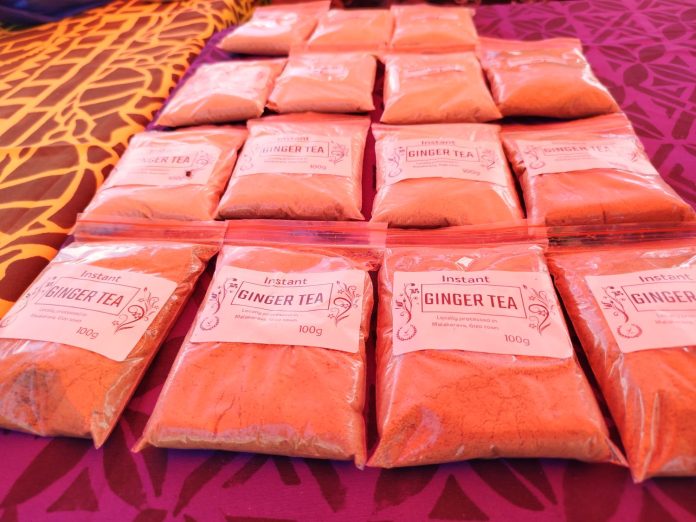
Anderson Anika produces Ginger Tea powder at her home at Malakerava, Gizo, Western Province.

She explained that producing the tea is done manually using a grater, pot and firewood.

Anika said the ginger tea comes in small packs which she sells at the Gizo market for five dollars $5.00 per packet.

“It comes with different flavours depending on customers’ choice. This is a local product and I want to encourage people to give it a try,” she said.

According to scientific research, ginger is packed with antioxidants and anti-inflammatory compounds, making the drink not only refreshing but also beneficial in strengthening the body’s defense system.

Known for its medicinal properties, ginger tea has long been valued in households as a natural remedy for flu, sore throats, digestive issues, and boosting immunity.  

With growing consumer interest in organic and locally made products, ginger tea production is now being recognized as a small but important industry.

Choosing ginger tea produced locally gives people a natural alternative to processed beverages while encouraging healthy living.

Beyond health benefits, ginger tea production is also creating new streams of income for rural farmers and small businesses.

By adding value to ginger root through processing and packaging, local producers are tapping into both domestic and potential export markets.

This in turn contributes to job creation, women’s economic empowerment, and supports agricultural sustainability.

For feedback, contact:[email protected]

SINA withdraws strike notice

0

BY MORRIS NAFU

The Solomon Islands Nursing Association (SINA) has called off its planned 28-day strike, following productive discussions with government officials.

Permanent Secretary for the Ministry of Public Service, Luke Cheka confirmed the withdrawal during yesterday’s session with the Members of the Bills and Legislation Committee (BLC).

The strike notice was set to run from September 4 to October 1.

It stemmed from unresolved concerns raised in ongoing talks with the Ministry of Public Service and the Office of the Prime Minister and Cabinet (OPMC).

At the heart of the dispute was SINA’s dissatisfaction with the leadership approach of the current Permanent Secretary for the Ministry of Health and Medical Services (MHMS).

In the notice, SINA highlighted an administrative oversight related to the interim appointment of the supervising national director of nursing, a position that became vacant in early March 2025.

Cheka assured the committee that the issue is being addressed promptly, paving the way for the strike’s cancellation.

“I met with them last week, and we discussed those matters in detail.

“I directed them to withdraw the notice, and they agreed,” he said.

He emphasized that the concerns were purely administrative and unrelated to the welfare or conditions of nursing staff, adding, that these are things they can handle internally.

BLC member and Leader of the Opposition, Matthew Wale, praised Cheka and the ministry for taking a proactive stance.

“It’s a positive move by all ministries to prevent strikes and ensure our public servants can work without disruption.

“We must prioritize looking after our employees,” said Wale.

Cheka further outlined broader efforts that are underway.

“We’re implementing major reforms across the public service right now, with more changes on the horizon.

“We have a dedicated committee reviewing terms and conditions for public servants, involving representatives from the public service, the Prime Minister’s Office, and the Ministry of Finance,” he explained.

For feedback, contact:[email protected]

Trump dismisses climate change as Pacific leaders call for urgent action

0

BY JOHN HOUANIHAU

The 54th Pacific Islands Forum (PIF) Leaders’ Summit wrapped up in Honiara this month with a strong call for urgent global action on climate change, which leaders reaffirmed as the “single greatest threat” to Pacific peoples’ livelihoods, security and well-being.

In the PIF final communiqué, PIF leaders said climate change remains a major barrier to achieving the region’s 2050 Strategy for the Blue Pacific Continent and the United Nations Sustainable Development Goals.

The leaders pledged to continue championing the needs of vulnerable nations and urged faster implementation of the Paris Agreement, stressing the importance of keeping the 1.5°C target “within reach.”

But even as Pacific nations pushed for stronger climate commitments, U.S. President Donald Trump struck a sharply opposing tone at this year’s United Nations General Assembly in New York on Tuesday this week.

Trump described climate change as “the greatest con job ever committed on the world,” while criticising the European Union for reducing its carbon emissions, which he claimed had damaged its economy.

“All of these predictions made by the United Nations and many others, often for bad reasons, were wrong,” Trump said, warning that investment in renewable energy would harm national economies.

Since taking office, President Trump has twice withdrawn the United States from the 2015 Paris Agreement, aligning the country with only Yemen, Iran and Libya.

Trump’s administration continues to pursue an “energy dominance” agenda centred on fossil fuel production and exports.

UN Secretary-General Antonio Guterres, who hosted a climate summit this week, answered that global finance is already shifting.

He noted that US$2 trillion was invested in clean energy last year, overtaking fossil fuels by US$800 billion.

For feedback, contact:[email protected]

Hotels in Gizo fully booked

0

BY BEN BILUA
GIZO

Hotels and guesthouses in Gizo have been fully booked this week as the Western Provincial capital plays host to a series of national and provincial events.

The highlight is the National Healthy Setting Conference, which has brought together more than 200 participants from across the country.

Western Province Minister of Sports, Culture and Tourism, Eric Hitu, described the conference as a blessing for accommodation operators and other businesses in Gizo.

He said the event not only contributes to the development of national health strategies but also creates positive ripple effects for the local economy.

“Such events bring people from different regions together, creating opportunities for networking, investment, and knowledge sharing that can stimulate local businesses.

“They also attract visitors who spend on accommodation, food, transport, and other services, directly boosting the rural economy. At the same time, conferences showcase the host community’s culture, environment, and hospitality, which helps promote the area as a tourism destination,” Hitu said.

He emphasized that hosting conferences in rural centres like Gizo is vital for business growth and tourism, noting that the long-term benefits include rural development, diversification of income sources, and strengthening the community’s reputation both nationally and internationally.

Hitu acknowledges the government’s decision to host the national conference in Gizo, saying it reflects confidence in the province’s capacity to stage large events.

For feedback, contact:[email protected]

GREEN & CLEAN

0

SINU launches campaign to promote civic responsibility, sustainability, environment action

BY NED GAGAHE

The Solomon Islands National University (SINU) has officially launched its “Green and Clean Campus Campaign”, marking a strong step forward in promoting sustainability, civic responsibility, and environmental action across its campuses.

The campaign was launched in line with World Clean-up Day on Friday, September 19, 2025, and signals SINU’s long-term commitment to making its learning environments cleaner, greener, and more sustainable.

Speaking during the launch ceremony, Vice Chancellor Professor Transform Aqorau said the campaign is more than just a clean-up exercise—it reflects the core values of the university.

“Today we not only join millions around the globe in a day of environmental action, but we also launch our very own SINU Green and Clean Campus Campaign. This campaign is a statement of our values and our leadership in sustainability and civic responsibility,” Aqorau said.

As part of the launch, SINU announced it will soon sign a Memorandum of Understanding (MoU) with the Honiara City Council (HCC). The agreement will aim to improve campus waste management, support public health, and empower communities to take on active roles in environmental stewardship.

This partnership expects to support broader waste management strategies in Honiara while creating better systems within SINU’s own operations.

SINU also acknowledged the support of its partners, notably CMA CGM, a leading global shipping and logistics company.

The company’s presence at the event highlighted growing public-private collaboration on environmental initiatives.

CMA CGM General Manager Myat Thu Han congratulated SINU on the milestone and emphasized the importance of such campaigns.

“This event is about awareness, action, and partnership. CMA CGM is honored to support SINU and its community in taking meaningful steps toward safeguarding our environment,” Han said.

The company donated garbage bags and bins to support the campaign’s first clean-up efforts.

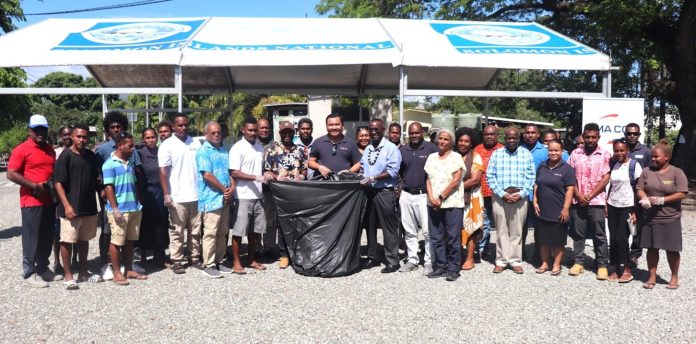
To symbolise the start of the new campaign, students, staff, and partners took part in a one-hour clean-up drive across SINU’s three main campuses—Kukum, Panatina, and Ranadi.

The clean-up was the first unified action under the new initiative and showcases the university community’s shared responsibility for maintaining clean and healthy environments.

SINU’s Green and Clean Campus Campaign will be guided by six core pillars in the coming months:

  • Values-First Culture – Promoting respect, responsibility, and pride in the campus environment.
  • Teach It, Model It, Live It – Embedding sustainability into the curriculum and everyday campus life.
  • Systems and Habits – Enhancing waste infrastructure and introducing weekly Wednesday clean-ups.
  • Student Leadership & Friendly Competition – Supporting student-led initiatives and inter-campus cleanliness contests.
  • Partnership with HCC – Recycling & Beyond – Expanding recycling efforts and integrated waste management with HCC.
  • Tracking Progress & “Keep SINU Clean” Pledge – Monitoring results through dashboards and a university-wide pledge system.

With strong leadership, dedicated students, and backing from both local and international partners, SINU aims to become a national model for sustainability and environmental responsibility.

The Green and Clean Campus Campaign is set to continue throughout the academic year, with more activities and progress updates expected in the months ahead.

Photos: SINU

For feedback, contact:[email protected]

UNICEF calls for broader understanding of mental health

0

BY JOHN HOUANIHAU

Mental health in the Solomon Islands has long been viewed through narrow lens, focusing mainly on conditions such as depression, suicide, dementia, and schizophrenia.

But experts say the reality goes much deeper, touching on everyday struggles that can impact a person’s ability to live a balanced life.

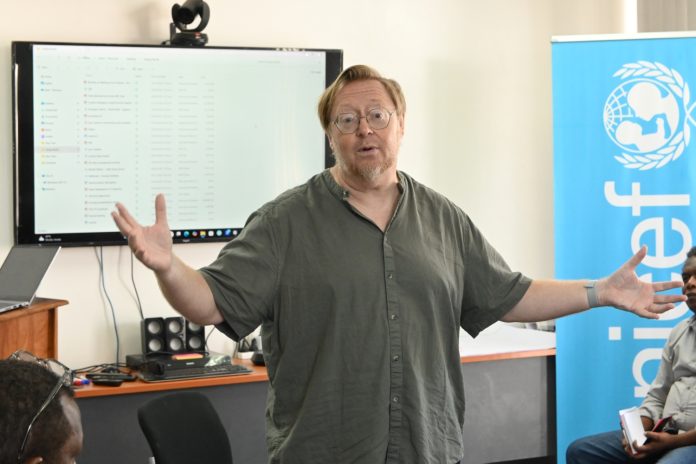
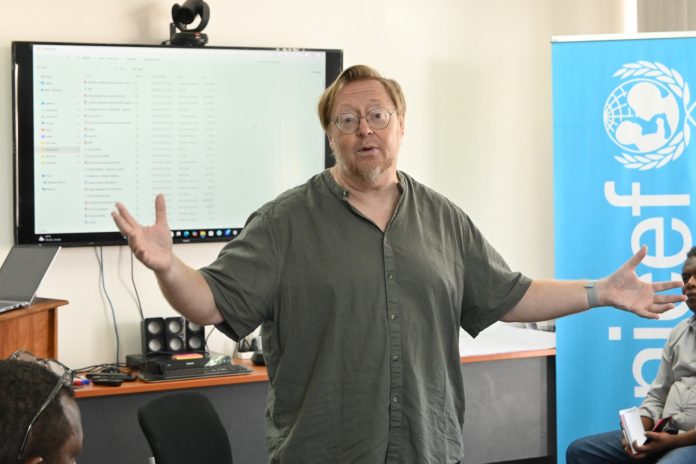
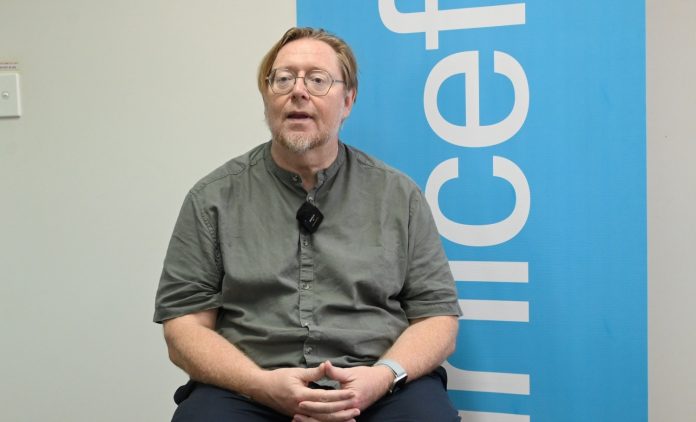
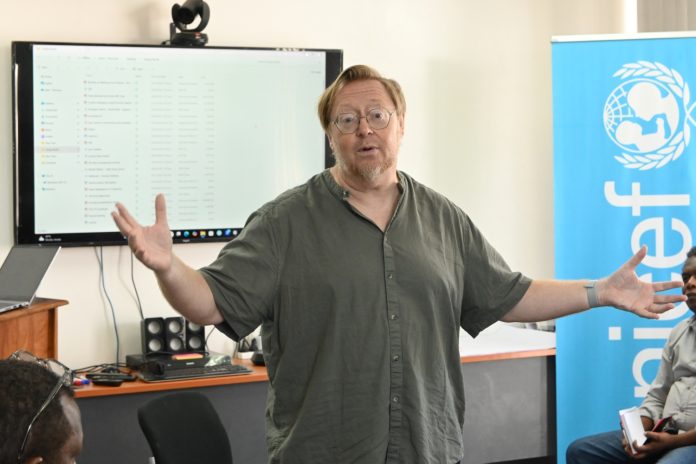
Dr Koen Sevenants, a consultant with the United Nations International Children’s Emergency Fund (UNICEF) for Mental Health and Psychosocial Support (MHPSS), said mental health challenges also include difficulties that may not always be recognized as clinical disorders.

“You can have emotional difficulties, maybe you don’t want to go to school or work anymore, isolate yourself and spend the whole day on TikTok or Facebook, or you cannot cope with losing someone you loved,” Dr Sevenants told provincial mental health coordinators during an Advance Training on Psychosocial Support (MHPSS) for Children and Families in Honiara.

He stressed that while these are mental health difficulties which one can learn to cope with, it can also deeply affect the quality of life.

Dr Sevenants said UNICEF’s focus is to equip provincial mental health coordinators with  skills to support young people and families facing these everyday challenges.

He said that the aim of the training is to build resilience so communities can help individuals navigate grief, stress, and emotional hardship.

“Most children can recover through the love and support of their families and communities if the right steps are taken,” he said.

He said that the steps include providing safety, patience, understanding, and allowing children to express their feelings at their own pace.

Dr Sevenants advised against forcing children to forgive abusers or reintroducing them to perpetrators.

“Forgiveness is something beautiful, but it can only happen if the child is ready for it. It cannot be imposed by the church, the school, or even the parents.

“For children needing more than family and community support, UNICEF is building a workforce of trained coordinator professionals to help young people articulate complicated or shame emotions,” he said.

Dr Sevenants highlighted that they have seen in this training that it is possible, and they are confident they will get there.

“We have seen in this training that it is possible, and we are confident we will get there. Most importantly, we hope parents and young people will take the step to seek out certified mental health coordinators because we know they will do no harm, and they can help,” he said.

For feedback, contact:[email protected]
‘Awareness key to tackling child sexual abuse in Solomon Islands’

0

BY JOHN HOUANIHAU

Despite strict laws against sexual abuse, Solomon Islands continues to record alarmingly high cases of this, according to Dr. Koen Sevenants, a consultant for UNICEF’s Mental Health and Psychosocial Support (MHPSS) for Children and Families.

Speaking at an advanced training on Mental Health and Psychosocial Support (MHPSS) for Children and Families for provincial mental health Coordinators in Honiara this week, Dr. Sevenants said awareness among children is crucial in reducing abuse.

The five days training, started on Monday 22 and concludes on Friday 26 this week and is being held at the ANZ UN Joint Presence office conference room in Honiara at Ranadi.

“We do have a functioning police force and parents who love their children. So how is abuse still possible? The answer lies in awareness. Children must know what sexual abuse is,” Dr Sevenants said.

He highlighted that most perpetrators are not strangers but people trusted by the family including relatives, teachers, or respected community members.

He said that children between the ages of 5 and 11 often fail to recognise abuse until later in adolescence.

To address this, Dr. Sevenants urges parents and educators to teach children about “good touch” and “bad touch” and to empower them to report inappropriate behavior.

“Even the most respected or decent-looking individuals can be perpetrators. There are no exceptions,” he warned.

He said that perpetrators can come from any background rich or poor, religious leaders, professionals, or even parents.

“Children need to be aware of what is acceptable and what is not. That knowledge is key to prevention,” he said.

He urges families to take responsibility in guiding children towards healthier understandings of sexuality.

“Families must talk openly about respectful relationships, love, and intimacy,” he said.

For feedback, contact:[email protected]

UNICEF consultant calls on parents to talk about sexuality with children

0

BY JOHN HOUANIHAU

Parents must openly discuss sexuality with their children to protect them from harmful messages online, says Dr Koen Sevenants, United Nations International Children’s Emergency Fund (UNICEF) Mental Health and Psychosocial Support (MHPSS) consultant and Child Psychologist.

Speaking at an advanced training on Mental Health and Psychological Support (MHPSS) for Children and Families in Honiara this week, Sevenants warned that the internet and social media are now the main sources of sexual information for young people.

The training brings together provincial Mental Health Coordinator across Solomon Islands, commenced on Monday, September 22, 2025 and will end on Friday September 26, 2025.

You know, every generation, the children have a sexual curiosity. At primary school for example, there was always somebody who brought at a certain moment a magazine and in that magazine, there were some nearly nude pictures. And children today still do that. They have a normal sexual curiosity, right? Now, where do they find information about the female or the male body today? Social media, internet. Internet is full of pornography, right?

“Today, they go online, where pornography is everywhere. Much of it is violent, disrespectful and gives boys and girls the wrong ideas about relationships,” he said.

He explained that while some schools try to introduce sex education, many parents refuse consent, fearing it will encourage sexual activity.

“What they don’t realize is that children will still look for answers online, where they may learn that violence and disrespect are normal in sexual relations,” he said.

Sevenants stressed that silence on the subject contributes to high levels of abuse.

“By not talking, boys for example may believe aggression is part of sex, while girls may feel they must accept it. That is basically what we teach them, by not being able to talk about sexuality with young people,” he said.

He encourages parents to start honest conversations with their children, even if it feels uncomfortable.

“It’s okay to admit it’s difficult. What matters is teaching respect, love, and safety. Talk about preventing sexually transmitted diseases and teenage pregnancy. These lessons should come from parents, not the internet,” Sevenants said.

For feedback, contact:[email protected]

UNICEF consultant urges empowerment of youth to navigate internet responsibly

0

BY JOHN HOUANIHAU

A United Nations International Children’s Emergency Fund (UNICEF) consultant has stressed the need to empower young people to manage their internet use responsibly, instead of relying solely on laws or penalties to restrict access to harmful online content.

Dr Koen Sevenants, UNICEF Mental Health and Psychosocial Support (MHPSS) consultant for children and families, raised the point during the Advance Training on Psychosocial Support (MHPSS) for Children and Families held in Honiara on Tuesday September 23, 2025.

The training attended by Provincial mental health coordinators took place at the UN Joint Presence Office Conference Room, ANZ Building at Ranadi in Honiara.

Responding to questions on whether governments could limit access to online pornography through legal measures, Sevenants said that the internet is beyond the control of individual states.

“The internet was created in the late 1980s with two major drivers military use and pornography. Today, around 43 percent of online content is pornography,” he said.

He said that the most effective solution is education and empowerment.

“We need to equip young people to face the realities of the internet and use it wisely. In Belgium, for instance, pornography is not portrayed as inherently harmful, but young people are taught to engage with it responsibly and to avoid addiction,” Sevenants explained.

To illustrate the risks of boom, he compared patterns of pornography consumption to alcohol addiction, where users progress from minor to stronger forms.

“In the same way, individuals may move from ordinary pornography to extreme material, including violent content,” he said.

Sevenants also raised concerns about Child Sexual Abuse Materials (CSAM), noting that the issue has become more sophisticated with the rise of live-streaming.

He revealed that Fiji is currently the largest consumer of Child Sexual Abuse Materials CSAM globally.

For feedback, contact:[email protected]
Advancements in clinical governance in oral health

0

BY CHRIS ALEX

The OPIA Conference 2025, held from September 1-3, gathered prominent stakeholders in the oral health sector, including representatives from the World Health Organization (WHO), UNICEF, the International College of Dentists, and the Clare Foundation.

Among the notable delegates was Dr. Ellison Vane, Head of the Dental Department of the Solomon Islands, accompanied by Dr. Charles Sulu and Dr. Mishella Moveni, both Senior Dentists at the National Referral Hospital (NRH).

The conference focused on the pivotal integration of clinical governance in oral health within the framework of Primary Health Care as part of Universal Health Coverage (UHC) in the Pacific region.

This year’s discussions built upon progress outlined in the Suva Declaration of 2023 and the Bangkok Declaration of 2024, reinforcing global commitments to UHC and the Declaration of Astana from 2018.

Dr. Vane and his colleagues presented their insights into advancements in governance, quality assurance, and safety in oral health services, showcasing the clinical governance journey supported by the Solomon Islands Australia Partnership for Health.

Dr. Vane’s recent training at the Australian Institute of Clinical Governance further underscored the increasing emphasis on clinical governance capacity in the region.

The discussions at the conference resonated with the WHO Global Oral Health Strategy for 2023–2030, highlighting the urgent need to embed oral health governance into UHC frameworks.

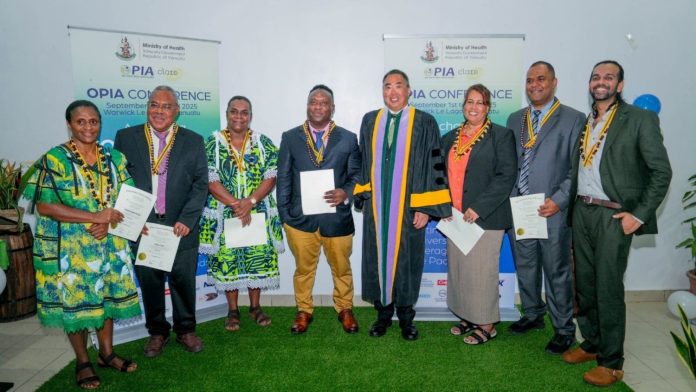
Notably, Dr. Vane and Dr. Sulu were inducted as Fellows of the International College of Dentists, joining nine other doctors from Vanuatu and Fiji, a recognition that celebrates their leadership in advancing oral health on both regional and international platforms.

Dr. Sulu expressed his appreciation for the opportunity to represent the Solomon Islands.

“This opens new opportunities for partnership and collaboration with other professional organizations in the region and around the world,” he said.

He acknowledged the significant responsibility that comes with such recognition.

The conference emphasized the critical role of oral health within UHC and PHC through various initiatives, including:

  • Designing essential oral health packages
  • Workforce development
  • Interprofessional collaboration

Sessions also delved into the integration of oral health with Non-Communicable Diseases, Continuing Professional Development, and sustainable health outcomes. Delegates underscored the importance of including oral health from the outset of health programming, demonstrating strong regional support to elevate oral health on national and regional agendas.

The discussions positioned the progress of the Pacific Islands as integral to global health strategies, offering practical pathways to translate governance and clinical improvements into long-term health benefits.

The Dental Unit at NRH expressed its gratitude to the Pacific Community, Oral Health Pacific Islands Alliance, and South Austral Pty Ltd for their financial support in attending the OPIA conference, as well as appreciation to the Ministry of Health and Medical Services for their continued assistance in advancing oral health initiatives in the region.

Photo: Supplied

For feedback, contact:[email protected]