Home Blog Page 238

Mismatch between govt priorities and legislative output: Wale

0

BY NED GAGAHE

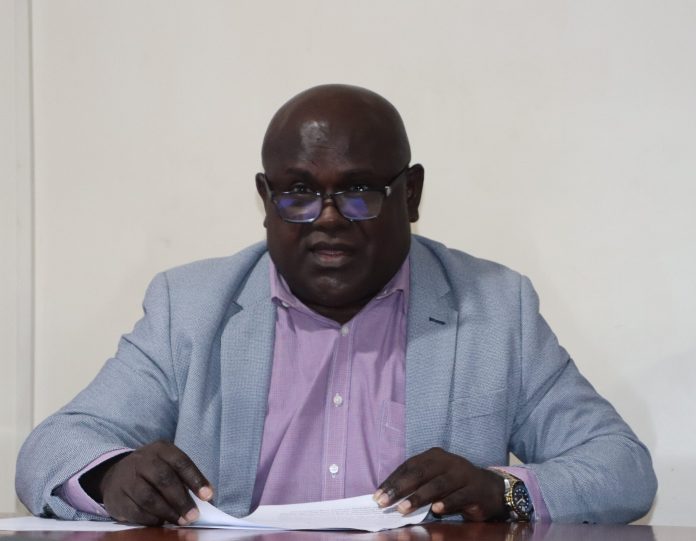
OPPOSITION Leader Matthew Wale has strongly criticised the Government for National Unity and Transformation (GNUT), saying its legislative performance has fallen well short of the priorities outlined in the Speech from the Throne.

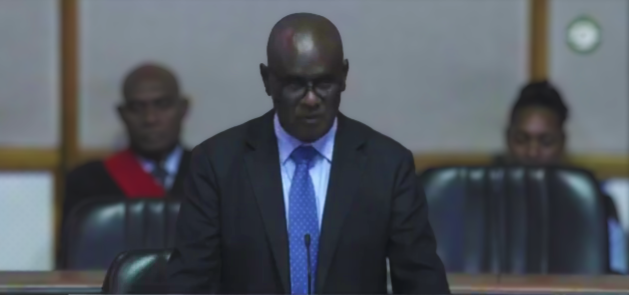
Speaking in Parliament during the Sine Die Motion on Monday December 15, 2025, Wale said the Government was “not as productive as it could have been,” despite this being GNUT’s first full year in office.

“The list of priorities and legislative agenda outlined during the Speech from the Throne was not matched by what came through the House,” Wale said.

“I had high hopes that Parliament would be kept on its toes by the load of legislative work to be transacted. This was not the case.”

While acknowledging the Prime Minister’s explanation that political instability had affected productivity, Wale said this was an issue GNUT itself must resolve. He added that excessive overseas travel by ministers had also contributed to the lack of progress.

“I was told that overseas travel by some ministers was without the information, let alone the consent of the Prime Minister. If true, this is just terrible and wrong,” he said.

Wale further revealed that his office had received reports of ministers failing to attend their offices, leaving Permanent Secretaries without political guidance and contributing to poor policy delivery.

“This behaviour leaves Permanent Secretaries in an awkward position and is a contributory factor to this low productivity by GNUT,” he said.

He called on the Prime Minister to “put his foot down” and impose discipline on ministers, noting the Prime Minister’s assurance that 2026 would be a much busier legislative year.

Wale also criticised the recurring issue of political instability, saying it has become “custom” for Prime Ministers to complain about it.

“GNUT is not stable, we all know that,” he said. “There are simply too many factions sponsored by a diversity of vested interests feeding off the personal interests of certain individuals in GNUT.”

He described the situation as “state capture,” arguing that national interest is no longer the sole driver of government decision-making.

“When you know what the right thing to do in the national interest is, but you make a different choice, then you know the government is held captive to other interests,” Wale said.

He warned that such instability erodes national sovereignty and harms the economy, stressing that all leaders share responsibility to address the problem.

“This situation has become normalised, but it cannot continue if we want to see our country and people grow to their full potential,” Wale said.

For feedback, contact: [email protected]

Water supply crisis – an ongoing cry for Namuga and Namamaru Village

0

BY MORRIS NAFU

In the lush landscapes in the peninsula of Star Harbour district in Makira-Ulawa Province, water is more than a necessity – it’s the lifeline that sustains life, health, and community.

Yet, for the residents of Namuga sub-station and the neighbouring Namamaru Village, this essential resource has become a daily battle, leaving families, government workers, and even a soon-to-open mini-hospital grappling with severe shortages.

Namuga stands as one of the remaining provincial sub-stations in the province, a testament to its historical significance.

It was here that the late Queen Elizabeth II first set foot on Solomon Islands soil and delivered her inaugural royal address.

Today, the station houses government officers, including police, nurses, and teachers from primary and secondary schools.

Micro infrastructure developments and new businesses have boosted the area’s potential, but the persistent water crisis threatens to undermine it all.

The newly constructed mini-hospital, scheduled for operation, faces immediate hurdles due to the water outage.

Barbra, the nurse-in-charge at Namuga Area Health Centre (AHC), voiced her deep concerns as a frontline health worker.

“Water has been our daily encounter especially for clinic operations.

We really do need clean water for clinic daily operations, especially when carrying out deliveries for mothers and other services that require water,” she said.

The clinic has installed water tanks, but they often run dry during the dry seasons. While water is drawn from a nearby temporary dam, it fails to meet health standards for clinical use, limiting it to toilets and minor operations.

“We manage to pull a water from a nearby water dam in the area but we use it only for toilets and other minor clinic uses as it is not meet health standards for clinical uses,” she said.

Community Elder Alfred Murray from Namamaru Village described the issue as one of the worst troubling the area.

The old water supply system, built shortly after Solomon Islands gained independence nearly 40 years ago through the Rural Water Supply and Sanitation Program, has deteriorated without repairs. The PVC pipes have broken down, leaving taps and pipes in disrepair.

Residents now rely on rainwater tanks, a risky solution in a region disposed to droughts and unreliable weather patterns.

“This is an issue our national and provincial governments should address urgently,” Murray emphasized.

“Namuga hosts not only community members but also government officers living in the station.

We’ve tried to fix it ourselves, but lack of resources has limited our efforts. Our young men will usually follow the pipes, wrap leaking sections with rubber, and clean the dam, but it’s not effective.

We really do need assistance from the authorities.

The Authorities should not forget us like this. It’s time for authorities to step in.” Murray said.

One young man who always leads the boys in the village to fix the water Ballan Siapu said that all they could do is to use temporary ideas to fix the water.

“Usually when fixing the water, sometimes it took us all day just to see it arrive for not more than a day and shuts down again.

What we usually do is to follow the pipe and tied leaked pipes with rubbers and clean the dam just to see it damage a day after or two.

All the pipes are wound out and really need replacement and full overhaul of the water supply from the very dam to the stand pipes,” he said.

Sometime my boys get tired to fix the water seeing pouring out all their effort just to see the water tap stops running day after.

In 2020, the Rural Development Program (RDP) under the Ministry of Provincial Government provided seven water tanks, but this fell short of meeting the full demand. Women and elderly residents bear the brunt of the crisis, trekking to a small dam or a single standpipe 10-15 minutes away for drinking, cooking, and washing.

Unice Wapira, a concerned mother, shared her frustrations: “As a mother with household responsibilities—preparing food, arranging chores—finding water is a huge inconvenience.

We have to carry heavy loads to the nearest source, and with only one available, it takes hours for everyone to take turns.” Thanks to the family who owned the water that allows us to use their water

She calls on responsible authorities to see their cry and as it is not just water but life of the community.

Murray noted that the crisis extends beyond the community to government workers at Namuga.

Even ships docking at the wharf as the only one in the eastern part of the island to refill water supplies are met with empty standpipes, highlighting the broader economic and logistical impacts.

As Namuga and Namamaru Village cry out for solutions, the call for government intervention grows louder.

With water as the foundation of life, addressing this crisis is not just a necessity—it’s a matter of sustaining a healthy, thriving society in one of vital outposts in the province.

*Reporting for this story was supported by Pacific Media Assistance Scheme (PACMAS)

For feedback, contact: [email protected]

‘NEGLECT, NOT AN OPTION’

0

Opposition Leader Wale slams high costs, poor services, calls for strong policy action

BY NED GAGAHE

OPPOSITION Leader Hon. Matthew Wale has criticised the government over poor service delivery, rising costs and what he described as policy lethargy that continues to choke economic growth and burden Solomon Islanders.

Speaking during the budget debate, Wale said Parliament spent considerable time discussing the lack of meaningful competition in the telecommunications sector, which he said continues to deliver poor quality services at high prices.

“There are tools in the hands of government to make structural changes that would result in better quality, more reliable and cheaper communications,” Wale said.

He said that communications, like electricity, fuel and transportation, are critical to a vibrant economy, yet service providers continue to “get away with” delivering substandard services at high cost.

“What we see is an attitude of providers betting on getting away with poor quality services under the excuse of ‘fitim Solo na ia’,” he said.

Wale said service providers are not being held accountable, and warned that unless reforms to the independent regulator are strengthened, the economy will remain on a “chokehold” and Solomon Islands will fail to attract investment.

“As long as policymakers accept this lazy excuse, we will not be the attractive investment destination we ought to be,” he said.

Turning to education, Wale said the cost of schooling has become unaffordable at all levels, from early childhood education to Solomon Islands National University (SINU).

“This is directly under the control of government, yet somehow it has slipped,” he said.

Wale said school fees in many cases exceed the annual income of parents, and in some instances are more than double what families earn in a year.

“It is as if school fees are set to prohibit families from sending their children to school. This is an absurd situation,” he said.

He said education should be free, but if the Government for National Unity and Transformation (GNUT) is unable to deliver free education, then school fees must at least be reduced to a reasonable proportion of the national income per capita.

Housing was another critical area Wale said has been neglected by government policy, resulting in soaring rental costs beyond the reach of ordinary Solomon Islanders.

“Urban centres are now showing a clear class divide when it comes to housing,” he said.

Wale called for a comprehensive housing policy that addresses bank lending, government incentives, land availability and values, infrastructure, and access to utilities.

“Neglect cannot be an option,” he said.

On economic policy, Wale acknowledged government’s identification of growth sectors such as minerals, tourism, fisheries, agriculture, infrastructure, telecommunications, aviation and commerce. However, he said identifying sectors alone was not enough.

“It is one thing to identify these sectors, but it is another to unlock their true potential,” he said.

He said government policy both fiscal and regulatory must play a leading role in enabling other players to create opportunities in these sectors.

“The government cannot do everything, but it is the key player in enabling others to do their part,” Wale said.

He criticised the 2026 Budget, saying it failed to introduce “game-changer initiatives” needed to drive growth and improve livelihoods.

Without decisive policy action, Wale warned, the country would continue to fall short of its economic potential.

For feedback, contact: [email protected]
MAL Agriculture projects progressing

0

BY JOHN HOUANIHAU

TWO major Agricultural projects in the country’s two main provinces are progressing, said Franklyn Wasi, Minister for Agriculture and Livestock (MAL).

This includes the two-story Agriculture office building at Kirakira Mankira, Ulawa Province, and the two-story agriculture office buildings in Malaita Province.

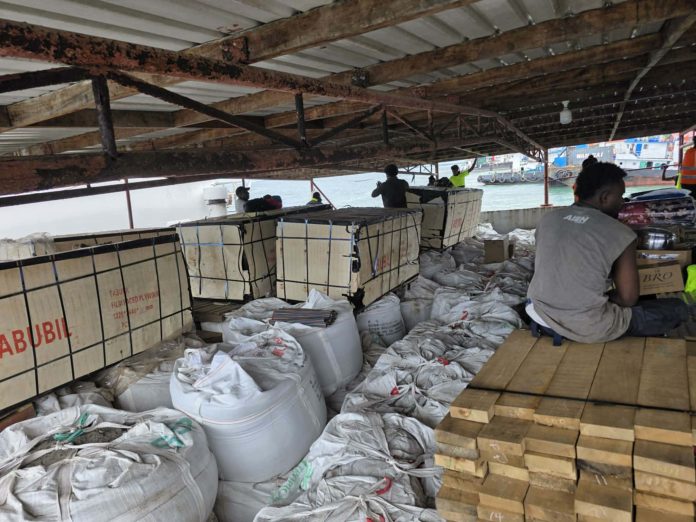
Mr Wasi said that all building materials for the Two-Storey Agriculture Office Complex at Kira Kira in Makira Ulawa Province are now on site.

Materials shipped onboard-Photo supplied

According to the Minister, work has now started, and the building is anticipated to be completed before June 2026.

He said that the Makira will also have a new 3-bedroom house for the Chief Field Officer, fully funded by MAL.

“Chief Field Officer 3 bedroom fully funded under MAL.  The two-storey office complex is now under a World Bank-funded project “Solomon Islands Agriculture and Rural Transformation” or SIART for short,” he said.

He further adds that work on the Malaita two-storey Agriculture Office Complex is also in progress.

He said that Funding for these projects comes under the World Bank-funded project Solomon Islands Agriculture and Rural Transformation (SIART).

For feedback, contact: [email protected]

Guadalcanal Province boosts social service delivery through capacity-building workshop

0

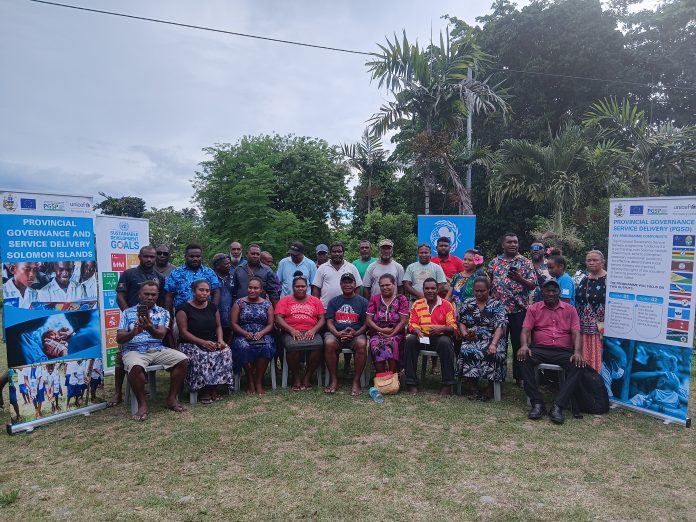
GUADALCANAL Province has taken a major step toward stronger, more efficient social services with a three-day workshop that brought together leaders from 22 wards to strengthen planning, coordination, and community-driven development.

The provincial government, with support from UNICEF through the EU-funded Provincial Governance and Service Delivery Strengthening Programme, delivered a three-day integrated capacity-building workshop on improving social service delivery in Water, Sanitation and Hygiene (WASH), health, and education sectors, a statement said.

Participants contributing to the discussion.

Held from December 1 – 3, 2025 at Ginger Beach in west Northwest Guadalcanal, the workshop was attended by a total of 36 policy makers and stakeholders from provincial government, Chairpersons from Ward Development Committees (WDCs), and Ward Support Officers (WSOs) representing 22 wards in Guadalcanal Province.

The training aimed at improving the provincial policy makers and ward leaders’ capacity in planning, budgeting, designing and efficiently implementation of social sector programme and projects at community level.

Director of Provincial Health Guadalcanal Province, Dr. Rayboy Seleso highlighted the importance of community-based health committees and encouraged closer collaboration to bridge ongoing funding challenges impacting sector infrastructure.

Workshop in progress.

In addition to the social sectors, the workshop also provided platform for officials from provincial government divisions responsible for women, youth, children, and agriculture to provide updates on current priorities and identified potential areas for stronger people-community-government collaboration.

The participants benefitted from increased understanding of sector mandates and planning processes; stronger call and recognition of the role of ward structures in improving social services; and shared commitment to strengthen coordination and communication between wards and the provincial government. Improved skills and effective coordination are expected to benefit about 154, 000 people including 60,000 children and over 10,000 people with disabilities.

During the closing of the workshop, Mrs. Lavinia Tafea Ward Support Officer for Moli ward 10, acknowledged the valuable support of UNICEF, the EU, and partners, and encouraged continued partnership to ensure improved services reach every family in Guadalcanal Province.

Participants during group discussion.

AHNRA association of the year

0

BY JOHN HOUANIHAU

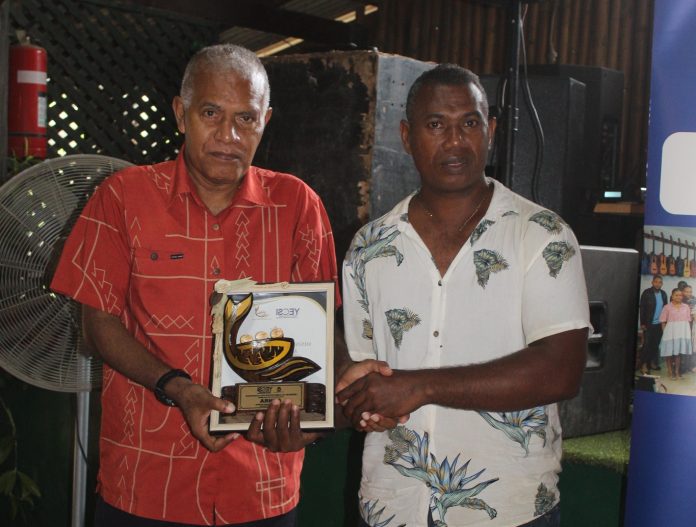
The Apunepara Ha’amwaora Natural Resource Association (AHNRA) in South Malaita received prestigious recognition as the Association of the Year from the Young Entrepreneurs Council of Solomon Islands (YECSI).

This award was announced during a special breakfast event organised at King Solomon Hotel to honour this year’s sponsors and award recipients on 9th December 2025.

During the ceremony, the Chairman of YECSI expressed deep appreciation for the dedication and hard work exhibited by the members of AHNRA.

He highlighted their unwavering commitment to sustainable practices and community development, which have significantly contributed to the local economy and environmental stewardship in the region.

The acknowledgement not only celebrates the association’s achievements but also encourages other groups to pursue similar paths of innovation and collaboration for the benefit of their communities.

Abel Oscar Watesao, a dedicated Board Member of the AHNRA Association, graciously accepted the award on behalf of the organisation.

This recognition reflects the hard work and commitment of the entire team at AHNRA in advocating for their mission and serving the community.

Abel expressed his gratitude for the honour and highlighted the collective efforts that have led to this achievement, emphasising the importance of collaboration and perseverance in their ongoing initiatives.

For feedback, contact: [email protected]

Budget marks new direction: Manele

0

BY NED GAGAHE

Prime Minister Jeremiah Manele has urged a break from the cycle of “business as usual,” calling for focused investments, disciplined prioritisation, and urgent economic transformation as the country implements the newly passed 2026 budget.

Speaking in Parliament last week, PM Manele said the government is determined to scale up proven initiatives, diversify the economy, and deliver meaningful results for Solomon Islanders, even amid competing national priorities.

“The clarity in our policy focus and our commitment to transformation helped us make the allocations captured in the budget estimates,” he told Parliament.

He acknowledged that progress may not be immediate but said that achieving change requires time, discipline, vigilance, and commitment to overcome obstacles and seize opportunities in the medium term.

According to PM Manele, the Government of National Unity and Transformation (GNUT) has defined clear priorities underpinning the 2026 budget and the next three years:

  • Building economic resilience through diversification
  • Investing in transformative infrastructure
  • Improving delivery of public services to all Solomon Islanders
  • Promoting peace, unity, and security
  • Strengthening fiscal stability in the medium to long term

The Prime Minister highlighted the importance of this “break from the past” as the country prepares for several historic milestones: the 2025–2028 general elections, the 50th anniversary of independence, and Solomon Islands’ graduation from Least Developed Country (LDC) status in 2027.

“The 2026 budget is designed to achieve meaningful developments in commemoration of our nation’s 50th year of independence and sovereignty, and to ensure we sustain our graduation from LDC status,” PM Manele said.

He called on government agencies, partners, and Solomon Islanders to support the budget’s implementation as the nation charts a path toward sustainable growth, transformation, and national unity.

For feedback, contact: [email protected]

Mining toolkit revealed feelings of exclusion

0

BY JOHN HOUANIHAU

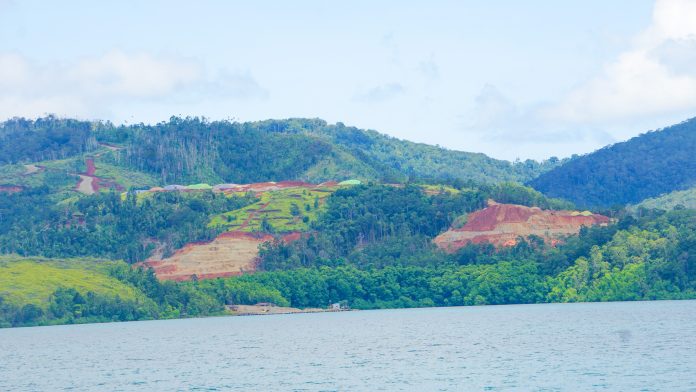
A mining toolkit developed by the Development Services Exchange (DSE) revealed feelings of exclusion of land owners’ voices when it comes to extractive industries such as mining and logging.

In developing the Toolkit, the Development Services Exchange (DSE) has conducted a survey of traditional landowners in Guadalcanal, Isabel, and Malaita provinces.

The survey gathered perspectives on logging and mining activities.

The preliminary findings revealed widespread feelings of exclusion, lack of consultation, and dissatisfaction with current practices.

The Key preliminary found that People found out about extractives industry operations informally, such as observing machinery or hearing rumours, as opposed to formal notification, which is required by law.

The toolkit also found that where consultation occurred, it was often late, superficial, and limited to select individuals.

The Key preliminary finding includes,

  • While some people mentioned short-term economic benefits like local employment or road access, the majority reported disruptions to local livelihoods and not enough compensation.
  • Extractive companies often made existing divisions and conflicts worse or created new disputes, especially when companies favoured certain families or leaders over others.
  • People have been frustrated by the lack of enforcement of community and environmental protections, opaque agreements, and the neglect of traditional governance systems in the process.
  • People highlighted the devastating environmental impacts, including deforestation, river pollution, and loss of biodiversity and noted that companies rarely made an effort to rehabilitate affected areas or monitor environmental impacts.

For feedback, contact: [email protected]

Minister Kuma highlights importance of Bonale pineapple initiative

0

BY SAMIE WAIKORI

The Ministry of Commerce, Industry, Labour and Immigration (MCILI) has reaffirmed its interest in the Bonale pineapple initiative, despite having limited direct involvement in the project over recent years.

The Bonale pineapple project, located in West Kwaio, Malaita Province, has remained one of the viable economic initiatives under consideration for several years. However, no significant action has been taken to unlock its full economic potential.

Speaking during the Committee of Supply debate in Parliament last week, the Minister for Commerce, Industry, Labour and Immigration, Hon. Harry Kuma, said several studies have been conducted on the Bonale initiative since 2016.

“Feasibility studies have been carried out on Bonale, including assessments on land use and other relevant aspects of the area.

“In 2019, when the USAID SCALE project came in, we expected it to provide funding, and we also hoped it would carry out further assessments,” he said.

However, the Minister noted that the outcomes of the studies were not encouraging, particularly in terms of projected pineapple production output.

“One major challenge is infrastructure. I hope that when the Bina Harbour project comes on stream, it will improve the feasibility of the proposed pineapple processing factory at Bonale,” he said.

Minister Kuma added that although the ministry has not been closely involved in the initiative, it recognises the importance of the proposed economic project.

“We will revisit this initiative. Its location is strategic, and pineapple production in the area is substantial. Therefore, we believe it should be considered in this year’s budget,” he said.

For feedback, contact: [email protected]
High Court stops gravel extraction at Lunga River

0
The High Court of Solomon Islands. Photo by SIBC.

BY NED GAGAHE

The High Court of Solomon Islands has issued urgent ex parte orders restraining several companies and individuals from extracting gravel and other resources from the Lunga River area at Betikama land, pending further court proceedings.

Justice Gina Maree Nott made the orders on November 17 2025 in Civil Claim No. 549 of 2025 according to documents sighted by Island Sun.

The application filed by the lawyer for Chief Daniel Una, Fr Joseph Bakachikai and Patteson Taba, who are representing themselves and the Rohe Tribe.

The applicants named Lee Kwok Kuen & Company Limited, AJ Concrete Limited, Dragon Construction Limited, ZYG Trading Limited, S.I. Cement Products Limited, VFresh Beverages Production Limited and Xiao’s Construction Limited as the first to seventh respondents.

Several individuals, Daniel Bale, Nesi Guu, Patrick Tuna, Marilyn Tuna, Aaron Devesi, Billy Black, MPA Alfred Bobby and Peter Isaac, were listed as eighth respondents.

Under the orders, the first to seventh respondents are restrained from entering the Lunga River area, extracting, moving, purchasing or dealing in any way with gravel or other resources from the Betikama land, whether directly or through their agents, contractors or associates.

The court also ordered that the companies must not transfer, disburse or dispose of any proceeds arising from gravel already extracted or sold after service of the order. Any such proceeds currently held must be preserved until further order of the court.

The eighth respondents are restrained from authorising, permitting or granting any rights to enter the land or extract resources, and from interfering with the applicants’ claimed ownership, possession or management of the Betikama land.

A penal notice has been endorsed on the orders, warning that any knowing breach may constitute contempt of court and could result in a fine, imprisonment of up to three months, or both.

The court directed that the orders will remain in force until the applicants file substantive proceedings in accordance with the Civil Procedure Rules, and thereafter until further order or final determination of the case.

The High Court confirmed that any defence or response to the substantive claim must be filed before 14 December 2025.

The matter is scheduled for mention on January 22, 2026 at 9:30am.

For feedback, contact: [email protected]