BY ELTON LONARATHA JNR
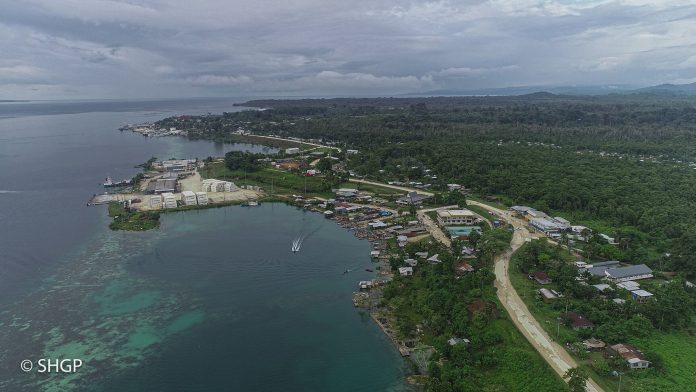
FOR more than half a century, the people of Hagalu village in Big Ngella in Central Islands Province have lived with a water crisis that has shaped their daily lives, strained social unity, and tested their determination to survive.
Despite sitting on the mainland, the community continues to struggle with chronic shortages of clean water and a complete absence of proper sanitation facilities, challenges that have grown increasingly severe as the climate becomes drier and the population continues to expand.
Community catechist and layman, Ben Lilia said the struggle for safe water in Hagalu is not a recent development but an issue dating back generations.
He recalled that the community had once experienced temporary relief after receiving funding support to install water tanks at the main source. However, years of mismanagement, uneven access, and community disagreements caused the system to fail.
Lilia said the village had previously enjoyed more consistent water access, but the lack of collective responsibility eventually caused the system to be unsustainable. Some households began setting up unauthorized pipe connections that diverted more water than they were entitled to. This practice weakened overall water pressure, disrupted equal distribution, and created tension among villagers.
“These actions caused the whole community to suffer.
“Water is life, and everyone should have equal access to it. But unity was difficult in those days, and carelessness made it even harder to solve the issue,” Lilia said.
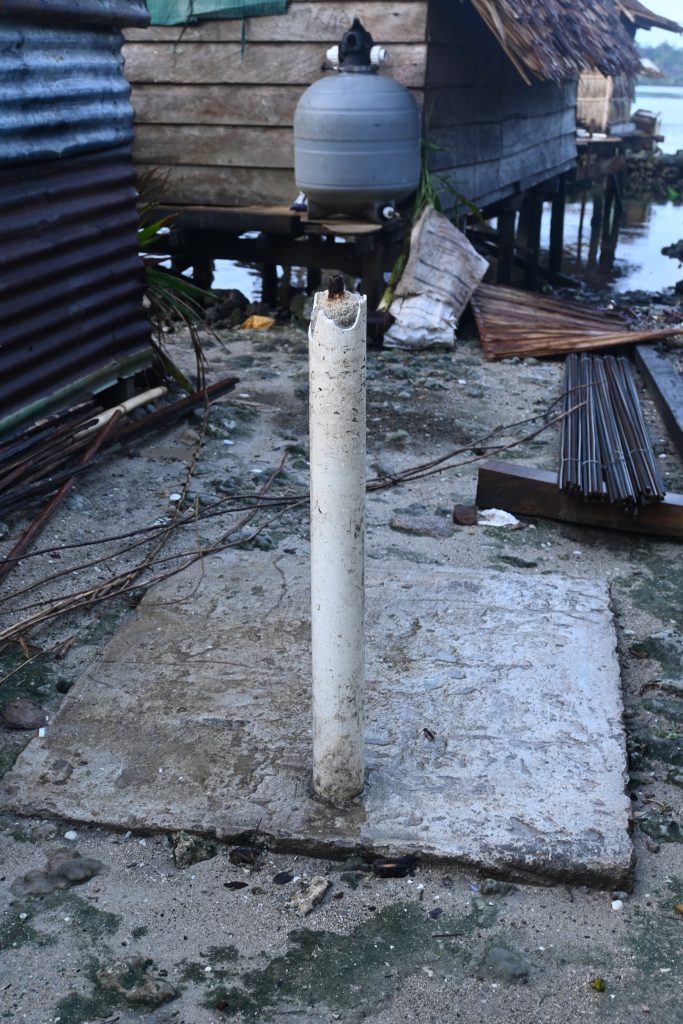
Conflicts occasionally escalated into vandalism, with pipes and tap stands damaged during disputes.
With the system no longer functioning effectively, community leaders decided to relocate the funded tanks from the water source down to the community. The chairman instructed that the tanks be divided among the six main groups within the village, while an additional tank was given to the local school to support students.
Today, the people of Hagalu rely heavily on rainfall to fill these tanks. Each tank serves around thirty families, making even the simplest activities such as cooking, washing, and drinking dependent on the weather.
During dry months, families must ration water carefully or look for alternative sources, including bathing in the sea, which is not a new thing for most elders in the community today.
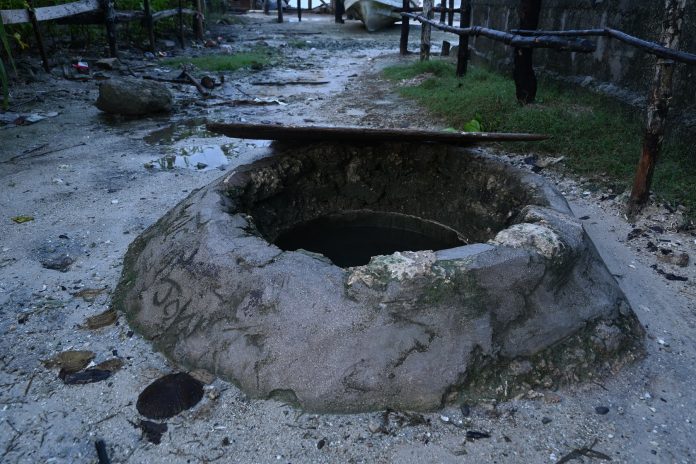
Lilia said the community makes use of a small well and a nearby stream at Bula, which villagers access by canoe for bathing, washing, and cooking. However, these sources are hardly dependable during prolonged droughts, leaving many households in precarious conditions. Because of these ongoing challenges, the people of Hagalu now place their hopes on the construction of proper boreholes that could supply water consistently, regardless of seasonal conditions.
For the past three years, the community has repeatedly called for professional assistance to develop boreholes that would provide long-term relief.
Lilia believes that installing one borehole for each of the six community groups would finally address the water shortages that have plagued the village for decades.
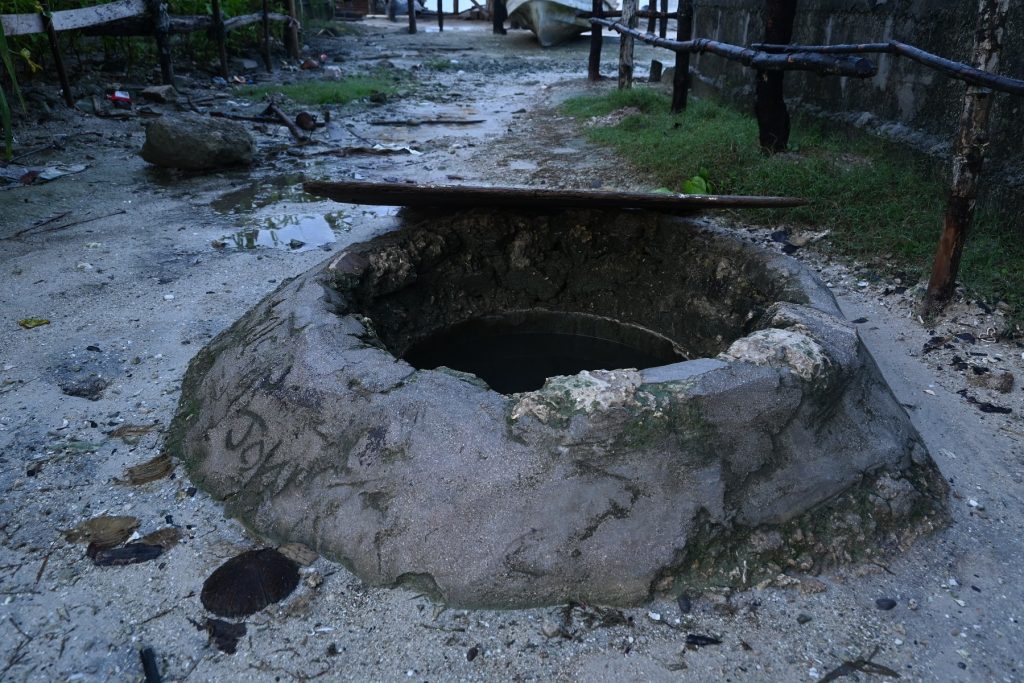
He explained that some attempts have already been made to utilize a mountain stream by digging wells that act as reservoirs, storing water before it flows down to the village. But during long dry spells, the stream feeding the wells also dries up, rendering the system ineffective.
“When it is sunny for too long, the main stream dries up as well.
“That means the wells cannot supply enough water for everyone. Even this approach is not enough to meet the demand,” Lilia said.
The shortage of water has also created a sanitation crisis that the village has never been able to solve. Since the community first settled in the 1960s, no proper sanitation systems were established.
Another issue in the community today is the lack of proper sanitation.
A section of the mangrove area on the coastal side of the village is used as open defecation site for both men and women, a practice that poses health risks, especially for children and the elderly.
Lilia said the lack of sanitation is one of the community’s most pressing and long-standing problems.
The people of Hagalu originally relocated from Ha’a village decades ago, but despite growth in population and development in surrounding areas, sanitation has remained neglected. The community is now waiting for assistance from provincial leaders, hoping their turn for support will come soon.
He noted that their Member of Provincial Assembly has served for just under two years and has been focusing on other parts of the constituency, with priorities currently placed on school infrastructure, education programs, and women’s initiatives.
While these areas are important, the community hopes that the next phase of projects will address both water security and sanitation, which remain as urgent needs for Hagalu.

For now, the people of Hagalu continue to persevere. They depend on rainfall, improvised wells, and a distant stream for survival, while hoping that long-awaited support will eventually arrive to help them build a cleaner, safer, and more reliable future.
Seeking solutions towards the issue includes daily routine of water from rain using buckets and dishes as well as wise and fair usage of water for everyone.
Lilia said the community remains hopeful that one day their children will grow up with access to proper water and sanitation systems—amenities that while many urban residents take for granted, rural families continue to be denied of for generations.
Junior Ben, an active youth from the community revealed that the issue really affected the community, especially for women and girls who have high demands for water.

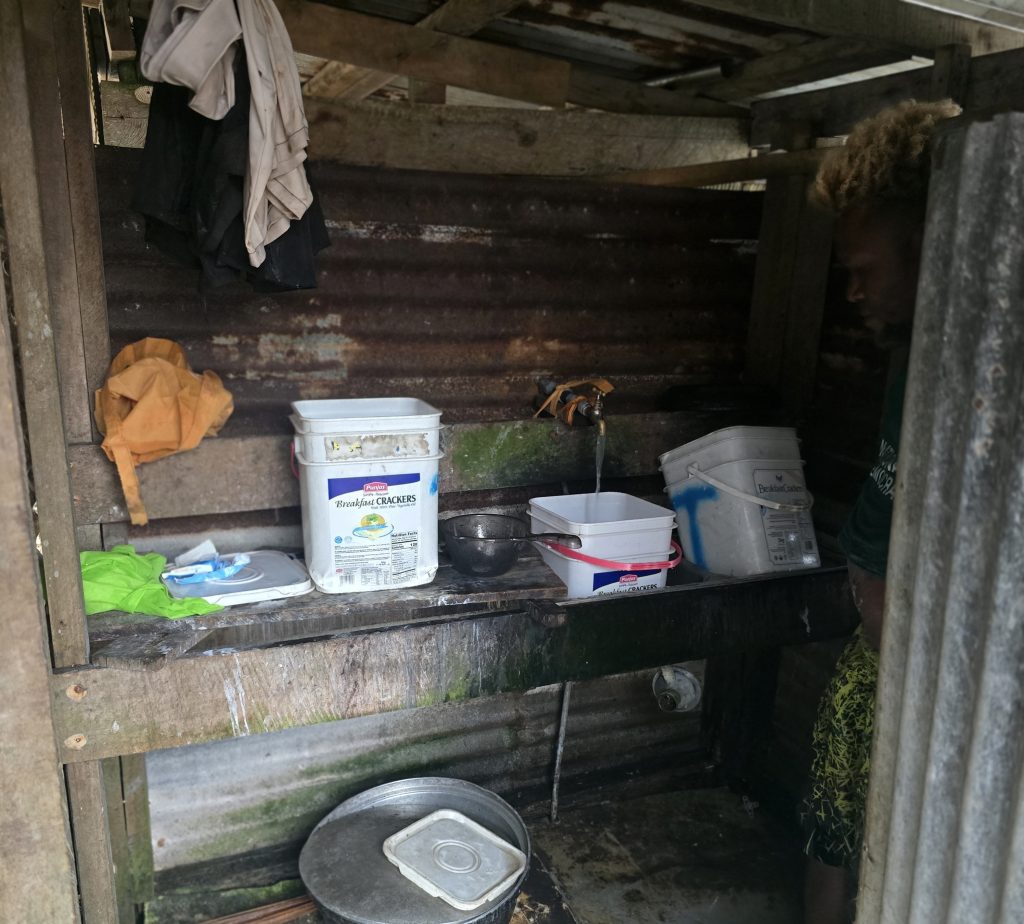
“The community is depending on the weather to determine the usage of tanks”, he said.
He said a number of families have their own private tanks which also serve the community.
“We have our own private tank for water as well. It also helps the people in the community, especially for drinking and showering, including our fishermen who come to fetch water.
“But when the weather gets dry, the tanks dry up as well.
“So, the people in the community have to paddle for two minutes to Bula stream to get drinking water, do their washing and to bathe.
“Bula stream is good for drinking, cooking and washing so it becomes our last resort,” Ben added.
The challenges faced by Hagalu are part of a much broader national crisis affecting many rural communities in the Solomon Islands. Despite ongoing development efforts between 2020 and 2025, a significant proportion of the population still lack access to clean water and sanitation.
National data shows that a third of the country’s population do not have access to basic drinking water, while nearly two-thirds lack basic sanitation systems. The gap between urban and rural areas is substantial, with water services far more accessible in towns than in remote villages. Sanitation rates in rural communities remain critically low, with many households across the country still practicing open defecation due to the absence of proper sanitation facilities.
These conditions place the Solomon Islands among the lowest-ranked countries globally for rural access to safe drinking water. The health risks associated with unclean water and poor sanitation continue to affect thousands of families, particularly children who are more vulnerable to waterborne diseases.
Efforts to address these challenges are ongoing. Development partners including the World Bank and UNICEF have launched major programs such as the Urban Water Supply and Sanitation Sector Project and the Community-Led Total Sanitation program. Although these initiatives have made progress in selected areas, rural communities like Hagalu still face major gaps in basic services.
*Reporting for this story was supported by Pacific Media Assistance Scheme (PACMAS)
For feedback, contact: [email protected]