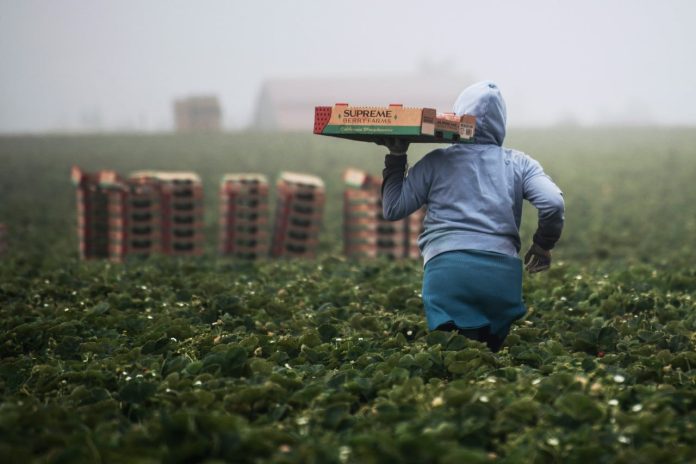
FORTY-FOUR Solomon Islands workers have absconded from their assigned farms under Australia’s Labour Mobility Scheme.
Minister for Foreign Affairs and External Trade, Peter Shanel Agovaka disclosed the figure whilst responding to questions from Opposition Leader Mathew Wale about the welfare of Solomon Islanders working under the Pacific Australia Labour Mobility (PALM) scheme in Parliament last Friday.
Wale raised concerns about a reported case involving a young female worker who became pregnant by another Solomon Islands recruit and gave birth in Australia but couldn’t access medical services because she absconded from her employment agency.
“Absconding from agencies turns into limbo for most locals recruited under the PALM scheme.
“Those agents are responsible for locating the locals in their respective farms to work,” Wale said.
The Opposition Leader said reports suggest that some workers abscond due to hefty deductions from their wages, while others leave for various personal reasons.
Minister Agovaka acknowledged the issue but said the 44 absconders represent a relatively small number compared to other Pacific nations participating in the scheme.
“Comparing the number to other regional countries like Fiji, Tonga and Samoa, we have a smaller number of locals who absconded from their employment agencies,” Agovaka said.
He added that the Ministry has two country liaison officers responsible for visiting Solomon Islands workers on Australian farms, supplemented by visits from the Commissioner in Canberra and the Consular General in Brisbane.
Member of Parliament for Small Malaita, Rick Hou, raised another troubling case involving workers recruited by an employment agency who are currently on the streets after their employer was placed under investigation, leaving work was suspended.
“They were not able to look for another job in another farm because they were handed contracts which create rigidity for them to move around looking for temporary jobs while waiting for their employer to sort things out and get back to normal operations,” Hou said.
Agovaka noted that while the Labour Mobility Unit (LMU) program has helped many Solomon Islanders, social issues among workers have created complications.
“These social issues have spilled over to other workers including other employers as well,” the minister said.
He assured Parliament that the government is working closely with Australian authorities to address the problems and has implemented a blacklist system for workers who abscond.
“When they return home, they cannot go back, because we don’t allow them to go back. They are on our blacklist of people not allowed to go back to Australia and New Zealand through the scheme.
“We are working closely with the Australian and New Zealand authorities in trying to address this issue, basically with consultation with employers and employees,” Agovaka said.
The minister said the government is focused on resolving these issues this year while maintaining the programme’s benefits for Solomon Islands workers.
Meanwhile, as of October, Solomon Islands has sent 5,446 workers to Australia and 622 to New Zealand under the labour mobility scheme. The country has also deployed 67 aged care workers to Australia, as well as nurses working in health sectors in Vanuatu and Niue.
FOR more than half a century, the people of Hagalu village in Big Ngella in Central Islands Province have lived with a water crisis that has shaped their daily lives, strained social unity, and tested their determination to survive.
Despite sitting on the mainland, the community continues to struggle with chronic shortages of clean water and a complete absence of proper sanitation facilities, challenges that have grown increasingly severe as the climate becomes drier and the population continues to expand.
Community catechist and layman, Ben Lilia said the struggle for safe water in Hagalu is not a recent development but an issue dating back generations.
He recalled that the community had once experienced temporary relief after receiving funding support to install water tanks at the main source. However, years of mismanagement, uneven access, and community disagreements caused the system to fail.
Lilia said the village had previously enjoyed more consistent water access, but the lack of collective responsibility eventually caused the system to be unsustainable. Some households began setting up unauthorized pipe connections that diverted more water than they were entitled to. This practice weakened overall water pressure, disrupted equal distribution, and created tension among villagers.
“These actions caused the whole community to suffer.
“Water is life, and everyone should have equal access to it. But unity was difficult in those days, and carelessness made it even harder to solve the issue,” Lilia said.
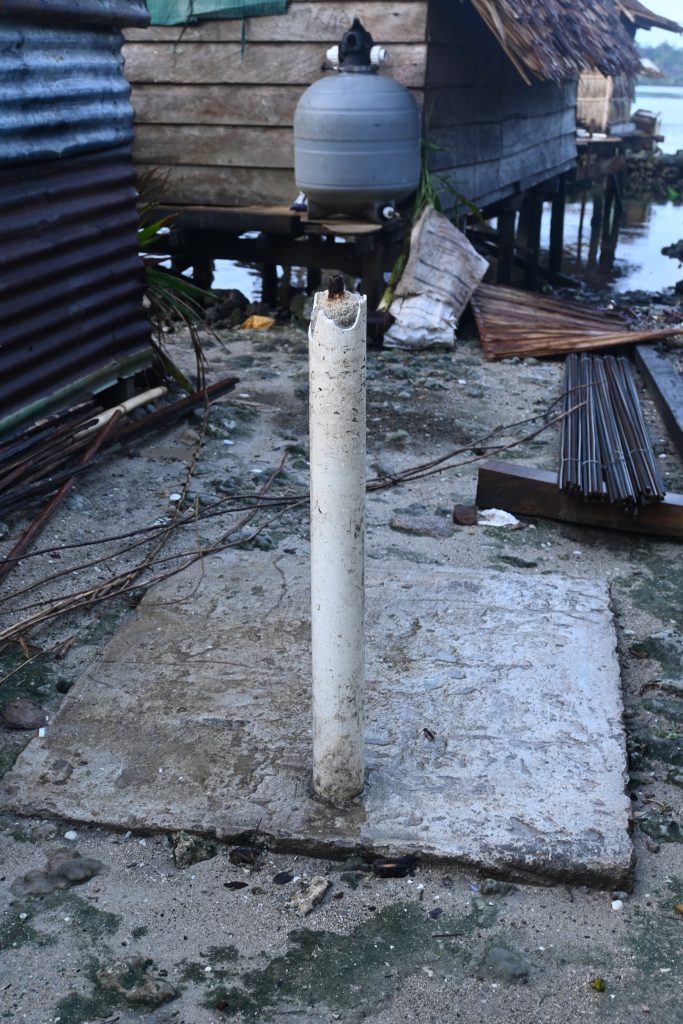
A water supply pipe that was vandalised
Conflicts occasionally escalated into vandalism, with pipes and tap stands damaged during disputes.
With the system no longer functioning effectively, community leaders decided to relocate the funded tanks from the water source down to the community. The chairman instructed that the tanks be divided among the six main groups within the village, while an additional tank was given to the local school to support students.
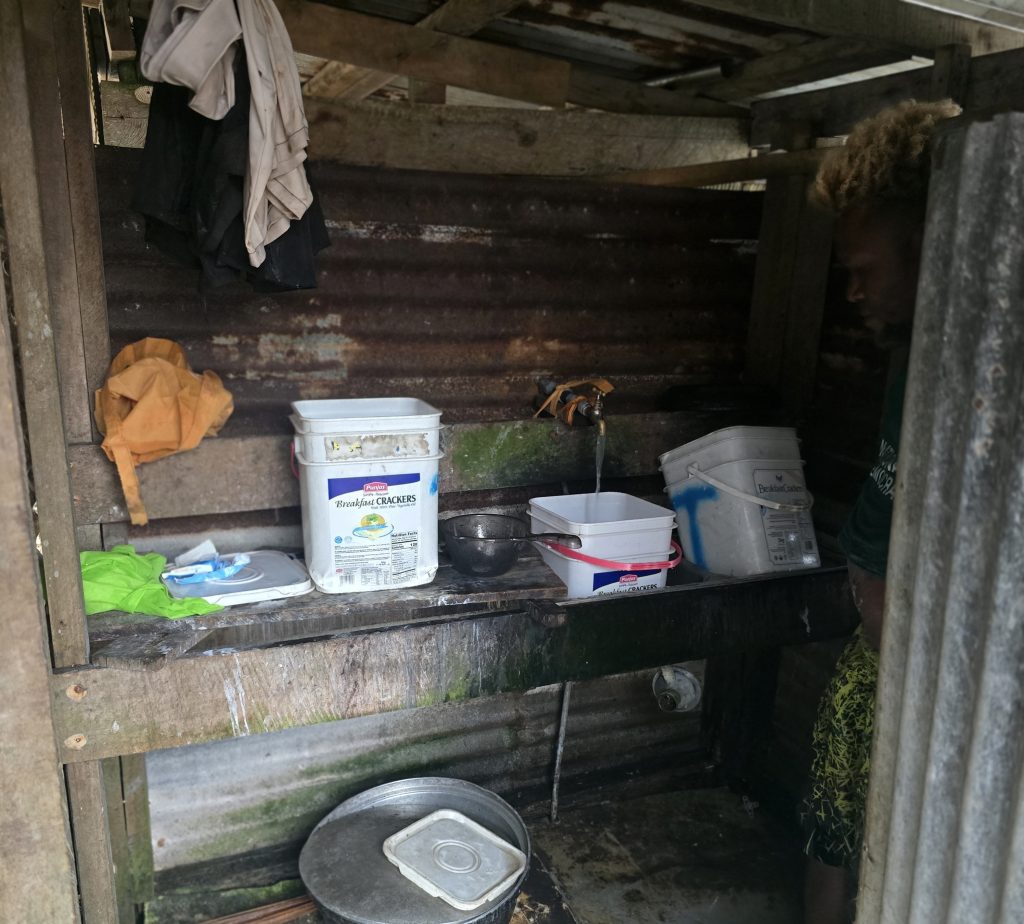
Today, the people of Hagalu rely heavily on rainfall to fill these tanks. Each tank serves around thirty families, making even the simplest activities such as cooking, washing, and drinking dependent on the weather.
During dry months, families must ration water carefully or look for alternative sources, including bathing in the sea, which is not a new thing for most elders in the community today.
Lilia said the community makes use of a small well and a nearby stream at Bula, which villagers access by canoe for bathing, washing, and cooking. However, these sources are hardly dependable during prolonged droughts, leaving many households in precarious conditions. Because of these ongoing challenges, the people of Hagalu now place their hopes on the construction of proper boreholes that could supply water consistently, regardless of seasonal conditions.
For the past three years, the community has repeatedly called for professional assistance to develop boreholes that would provide long-term relief.
Lilia believes that installing one borehole for each of the six community groups would finally address the water shortages that have plagued the village for decades.
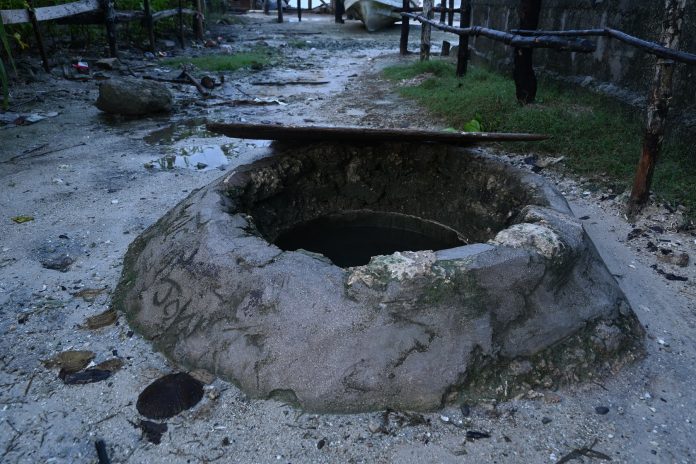
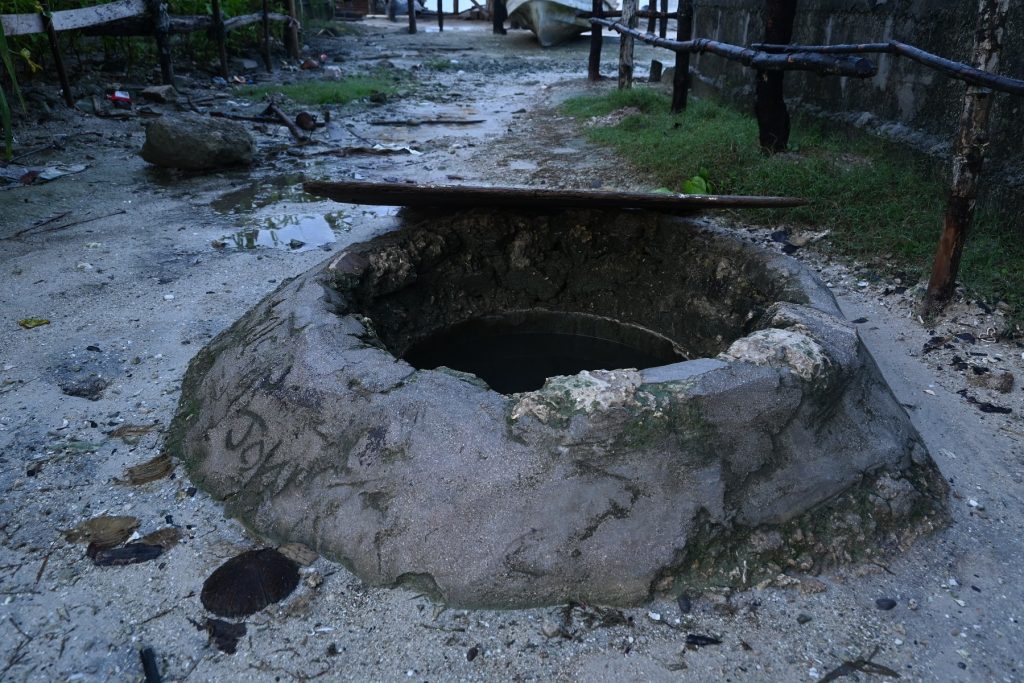
An existing well servicing the community
He explained that some attempts have already been made to utilize a mountain stream by digging wells that act as reservoirs, storing water before it flows down to the village. But during long dry spells, the stream feeding the wells also dries up, rendering the system ineffective.
“When it is sunny for too long, the main stream dries up as well.
“That means the wells cannot supply enough water for everyone. Even this approach is not enough to meet the demand,” Lilia said.
The shortage of water has also created a sanitation crisis that the village has never been able to solve. Since the community first settled in the 1960s, no proper sanitation systems were established.
Another issue in the community today is the lack of proper sanitation.
A section of the mangrove area on the coastal side of the village is used as open defecation site for both men and women, a practice that poses health risks, especially for children and the elderly.
Lilia said the lack of sanitation is one of the community’s most pressing and long-standing problems.
The people of Hagalu originally relocated from Ha’a village decades ago, but despite growth in population and development in surrounding areas, sanitation has remained neglected. The community is now waiting for assistance from provincial leaders, hoping their turn for support will come soon.
He noted that their Member of Provincial Assembly has served for just under two years and has been focusing on other parts of the constituency, with priorities currently placed on school infrastructure, education programs, and women’s initiatives.
While these areas are important, the community hopes that the next phase of projects will address both water security and sanitation, which remain as urgent needs for Hagalu.
One of the regular methods of collecting rain water
For now, the people of Hagalu continue to persevere. They depend on rainfall, improvised wells, and a distant stream for survival, while hoping that long-awaited support will eventually arrive to help them build a cleaner, safer, and more reliable future.
Seeking solutions towards the issue includes daily routine of water from rain using buckets and dishes as well as wise and fair usage of water for everyone.
Lilia said the community remains hopeful that one day their children will grow up with access to proper water and sanitation systems—amenities that while many urban residents take for granted, rural families continue to be denied of for generations.
Junior Ben, an active youth from the community revealed that the issue really affected the community, especially for women and girls who have high demands for water.
One of the tanks that usually provides water access to members of the communityA bathroom accessing water from a water tank
“The community is depending on the weather to determine the usage of tanks”, he said.
He said a number of families have their own private tanks which also serve the community.
“We have our own private tank for water as well. It also helps the people in the community, especially for drinking and showering, including our fishermen who come to fetch water.
“But when the weather gets dry, the tanks dry up as well.
“So, the people in the community have to paddle for two minutes to Bula stream to get drinking water, do their washing and to bathe.
“Bula stream is good for drinking, cooking and washing so it becomes our last resort,” Ben added.
The challenges faced by Hagalu are part of a much broader national crisis affecting many rural communities in the Solomon Islands. Despite ongoing development efforts between 2020 and 2025, a significant proportion of the population still lack access to clean water and sanitation.
National data shows that a third of the country’s population do not have access to basic drinking water, while nearly two-thirds lack basic sanitation systems. The gap between urban and rural areas is substantial, with water services far more accessible in towns than in remote villages. Sanitation rates in rural communities remain critically low, with many households across the country still practicing open defecation due to the absence of proper sanitation facilities.
These conditions place the Solomon Islands among the lowest-ranked countries globally for rural access to safe drinking water. The health risks associated with unclean water and poor sanitation continue to affect thousands of families, particularly children who are more vulnerable to waterborne diseases.
Efforts to address these challenges are ongoing. Development partners including the World Bank and UNICEF have launched major programs such as the Urban Water Supply and Sanitation Sector Project and the Community-Led Total Sanitation program. Although these initiatives have made progress in selected areas, rural communities like Hagalu still face major gaps in basic services.
*Reporting for this story was supported by Pacific Media Assistance Scheme (PACMAS)
The Government has allocated a major portion of its 2026 development budget toward strengthening the Solomon Islands Broadcasting Corporation (SIBC) and upgrading key government residential and security infrastructure.
A total of $3.45 million has been dedicated to SIBC to expand coverage and improve communication accessibility, particularly for communities in the eastern region.
Prime Minister Jeremiah Manele revealed in Parliament this week that $2.5 million will go towards land acquisition, equipment, and the full commissioning of the Lata SIBC AM Transmission Tower—a long-awaited project expected to significantly enhance radio reach across Temotu Province.
An additional $950,000 is allocated for the construction of a new Lata Radio Station, further boosting SIBC’s capacity to deliver news, alerts, and public information to one of the country’s most remote provinces.
Officials say these investments are crucial for improving communication reliability during disasters and ensuring isolated communities stay connected.
The Prime Minister said development funds—totalling $6 million—will focus on upgrading government accommodation and strengthening security at the Office of the Prime Minister and Cabinet.
Key allocations include:
$500,000 for the final design of the Prime Minister’s official residence, a project earmarked to modernise the country’s highest office residence.
$2.2 million for repairs, maintenance, and the demolition of two dilapidated Tier 2 government houses.
$3 million to construct one new Tier 2 residence, part of broader efforts to improve government housing standards.
$300,000 for the installation of picket fencing at the OPMC office to enhance security.
The government maintains that these development investments are necessary to modernise essential infrastructure, improve service delivery, and ensure safe and functional accommodation for senior officials.
Prime Minister Jeremiah Manele has told Parliament it is time for Solomon Islands to break away from nearly five decades of weak and narrowly based economic growth, saying the country must now “rewrite its economic narrative.”
Speaking during the Second Reading of the 2026 Appropriation Bill on 3 December 2025, the Prime Minister said the nation’s development history since independence is well known — and it must not continue to shape the country’s future.
Manele said Solomon Islands has lived through volatile growth averaging just 2.5 percent, heavily dependent on logging and vulnerable to shocks.
“We have weathered numerous crises — global downturns, a pandemic, tensions, floods and cyclones,” he said. “I wish to acknowledge past leaderships that steered us through these challenges.”
Despite this, the Prime Minister highlighted that core economic structures have barely shifted. Agriculture still makes up 27.8 percent of GDP, Industry 15.2 percent, and Services 57.1 percent, with most activity concentrated in Honiara.
He reminded Parliament of the mid-term review of the National Development Strategy (2016–2035), released two months ago, which found the country off-track on most of its key objectives.
“This is the narrative the GNUT government inherited when we came into office last year,” Manele said. “We made a deliberate decision that Solomon Islands must re-write its economic narrative. The past cannot continue to define who we are, or who we will be.”
The Prime Minister also raised concerns about political instability undermining national development. Over 47 years, the country has seen 33 motions of no-confidence, including two against his own government.
“Most were defeated or withdrawn, but they disrupt government focus,” he said. “While the right to move such motions must be upheld, members of this House must also recognise the importance of political stability to drive sustainable development — the kind our people urgently need.”
Manele said the 2026 Budget reflects the GNUT’s commitment to shifting from a “business-as-usual” approach to one anchored in unity, infrastructure, economic transformation and human capital.
He urged MPs to support the Appropriation Bill and help steer Solomon Islands toward a stronger and more resilient economic future.
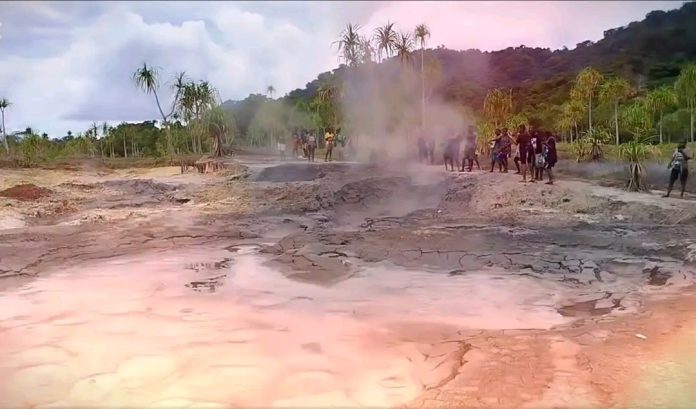
PARASO volcano on Vella La Vella in Western Province has been identified as a potential geothermal resource, sparking fresh hope for renewable energy development in the outer islands.
According to scientific principles, heat generated beneath volcanic areas can be converted into geothermal energy, which can be used to generate electricity and provide heating.
This clean and sustainable energy source is now being considered as a viable option for powering communities on Vella La Vella.
Last week, a company from Papua New Guinea expressed strong interest in developing a thermal energy project at the Paraso volcanic site.
A technical team from the company travelled to the site to conduct an initial inspection, marking the first formal step towards possible development.
An expert representing the PNG-based company described Paraso volcano as a “hidden treasure” of the province, highlighting its potential to become a major source of renewable power for surrounding communities.
The expert noted that geothermal projects, once established, can provide stable long-term electricity with minimal environmental impact.
Further and more detailed exploration is expected to be carried out in January next year to determine the commercial viability of the resource, including underground temperature levels, water flow and overall energy capacity.
Responding to the development, Premier of Western Province Billy Veo said his government stands ready to fully support the proposed project.
He said the initiative would not only bring reliable electricity to Vella La Vella but also create much-needed employment opportunities for local people during both the construction and operational stages of the project.
“This is a huge project and we are optimistic that funds are available to drive it forward, as its returns will greatly benefit the people of the province,” Veo said.
Island Sun understands that cost of electricity is very expensive in Solomon Islands.
The Paraso geothermal project could become a landmark renewable energy development, reducing dependence on diesel-powered electricity and contributing to sustainable development in the Western Solomons if successful.
The Ministry of Rural Development (MRD) has claimed the largest capital budget in the 2025/2026 financial year, securing SBD $253 million to drive development across the country’s 50 constituencies.
The funds, channelled through the Constituency Development Fund (CDF), underscore the Government for National Unity and Transformation’s (GNUT) commitment to strengthening services and opportunities in rural communities, where the majority of Solomon Islanders live.
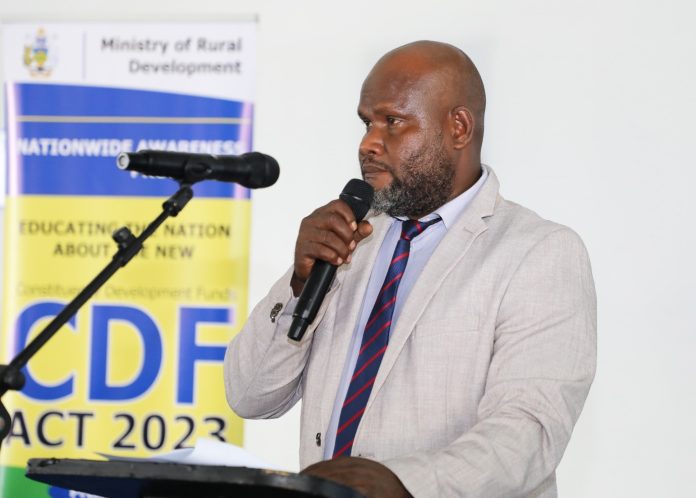
Speaking during the debate on the 2026 Appropriation Bill 2025 on Wednesday 3 December 2025, MRD Minister Daniel Waneoroa said the allocation demonstrates the government’s determination to address long-standing development disparities between urban and rural areas.
Waneoroa said MRD is working to “ensure development reaches every corner of the nation,” backed by clear mandates, legislative updates and structural reforms now underway.
He noted steady progress in the past seven months with constituencies actively supporting and delivering projects throughout the year. The Minister thanked all 50 constituency offices for their cooperation and commitment.
Waneoroa highlighted several major undertakings supported by the CDF in 2025:
East Malaita–East Kwaio feeder road:
An extended feeder road from Aufasu (East Malaita) to Namolailai, on the border of East Kwaio, was completed. The six-kilometre stretch is expected to ease burdens on rural villagers who previously walked long distances across rivers and mountains to access services.
The Minister said the road will expand agricultural activities, improve livelihoods and stimulate the rural economy.
Ngela constituency road rehabilitation:
The long-idle Boromole–Rara Road in Central Province has been restored, a move expected to revitalise agriculture and boost tourism potential in the region.
Initial CDF investment is estimated at $1.2 million.
Small Malaita road programme:
Waneoroa acknowledged the constituency’s ongoing road project, which began in 2015 and has so far accumulated an investment of $20 million.
He said once completed, the project will “significantly transform the economic and social landscape of Small Malaita.”
North Guadalcanal road improvements:
The Minister praised road upgrades that have improved market access for farmers, noting the direct benefits for rural households and local economies.
Waneoroa said these examples represent only part of the ministry’s wider rural infrastructure efforts, which continue to open up remote communities and connect “hundreds, if not thousands,” of people to essential services and economic opportunities.
He reaffirmed MRD’s commitment to driving development that is “people-centred, long-term and transformative.”
Prime Minister Jeremiah Manele has mounted a strong defence of the 2026 Appropriation Bill, rejecting opposition arguments that the government is driving the country toward fiscal danger, and insisting the budget is both credible and grounded in sound economic analysis.
Speaking in Parliament during the second reading of the bill yesterday, the Prime Minister said critics were “bordering on misinforming” the public by portraying the 2026 budget as risky, despite clear evidence the government is strengthening its fiscal position.
He said the deficit would fall sharply next year—from this year’s $1.1 billion (7.5% of GDP) to $548 million (3.5% of GDP)—a deliberate move under GNUT’s medium-term strategy.
“Contrary to the views advanced by some colleagues from the other side, the budget before us is credible,” the Prime Minister stressed. “It is based on sound analysis of both domestic and international contexts.”
Manele dismissed claims that rising debt would burden the country, pointing instead to strict borrowing controls under the Public Finance Management Act (PFMA).
He highlighted that all 2026 borrowing will be for development and infrastructure, not for covering recurrent spending, saying domestic revenue is projected to exceed recurrent expenditure by $96 million next year.
“This clearly shows our recurrent budget is fully supported by domestic revenue, reducing exposure to cash flow pressures,” he said.
The Prime Minister also pointed to the latest IMF Debt Sustainability Analysis, which shows the overall risk of debt distress remains moderate, while the risk of external debt has improved to low—a significant upgrade from last year.
“We are not reckless. We have been diligent right through the preparation of this budget,” he said.
Manele criticised what he described as political rhetoric over inflation, saying opponents were misleading the public by claiming projected inflation of 3.5%–4% in 2026 would make life harder.
“From 2022 to 2024, inflation hovered between 5% to 6%,” he said. “This government is working earnestly to make life easier for our people by bringing it down.”
The Prime Minister said the budget’s agriculture investments, particularly in export-oriented programmes and food security, were designed to support farmers, reduce rice imports and strengthen household purchasing power.
He highlighted nearly US$30 million worth of agriculture and food security support being channelled through IFAD, FAO, UNICEF and Japan.
Manele concluded by calling the budget a disciplined and credible plan that balances ambition with affordability. He urged the House to support the bill and allow government to continue steering the country toward economic stability and growth.
The 2026 Appropriation Bill seeks to authorise $5.6 billion in spending for the coming financial year.
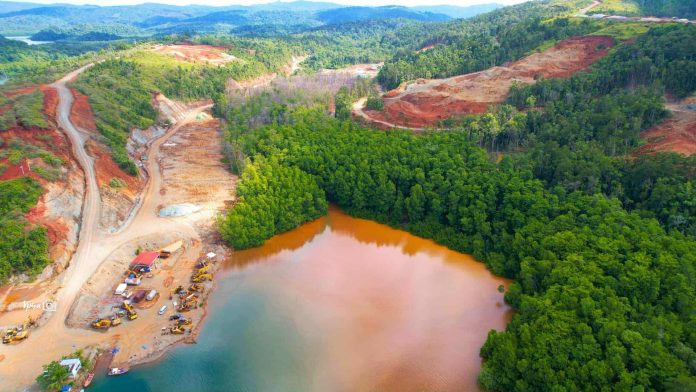
The San Jorge Landowners Association (SJLA) is facing mounting criticism amid growing allegations of corruption and lack of transparency in its dealings with a mining company operating at San Jorge Island.
A number of landowners have spoken out in recent weeks, expressing disappointment over how the association has been operating and questioning whether it genuinely represents the interests of resource owners.
Last month, outspoken landowner Allan Tavake claimed that many landowners had been sceptical of Far East Mining Company Limited and the association from the very beginning of the engagement process.
Tavake alleged that most decisions reached between the company and the association did not reflect the views of the actual landowners but were instead pushed forward by the association’s leadership.
He further warned that unresolved issues between landowners and the company could potentially threaten the mining project.
This week, fresh questions were raised on the Association’s Facebook page regarding several payments allegedly received from the mining company.
Among the concerns was a SBD200,000 payment for damage and compensation.
The post called for clarification on how the money was spent and who the rightful beneficiaries were, in line with the tenements marked for mining operations.
Other payments also came under scrutiny, including a SBD10,000 payment linked to the SARA agreement and a SBD40,000 withdrawal from the Association’s bank account. In addition, the public questioned a SBD5,000 assistance payment made to certain families.
Responding to the allegations, SJLA Secretary John Kabu welcomed the criticisms, saying they were important for promoting transparency and accountability.
Kabu explained that the SBD200,000 compensation was paid to the G7 land block, where the main concentration of mining and prospecting activities has taken place.
He said the payment was agreed upon and would be supported by a damage assessment report to be made available for public scrutiny.
He said the SBD10,000 payment was accepted in good faith as a token of appreciation for the negotiation and signing of the SARA and was not a bribe.
Meanwhile, the SBD40,000 withdrawal by the Treasurer is currently under investigation, with further clarification promised once the review is completed.
The SBD5,000 assistance paid to certain families is also under review due to concerns about fairness.
“We, the Executive, were entrusted to act in the best interests of our people. That trust is not taken lightly. “Transparency and accountability remain our guiding principles, and we will provide full clarifications as promised,” Kabu said.
He assured landowners that all outstanding concerns would be addressed with facts and supporting evidence.
12% growth in visitors signals post-COVID rebound as Solomon Islands targets 100,000 arrivals by 2035
BY SAMIE WAIKORI
The country’s tourism industry is gaining strong momentum as visitor arrivals continue to rise, signalling a solid recovery from the impacts of COVID-19 and renewed confidence across the sector.
Minister for Culture and Tourism Choylin Yim Douglas, speaking during Wednesday’s debate on the 2026 Appropriation Bill 2025, revealed that visitor arrivals for the third quarter of 2025 increased by 12.1% compared to the same period in 2024.
She said the upward trend puts Solomon Islands on track to reach pre-COVID levels of 30,000 visitors by the end of this year, adding that long-term projections aim much higher.
“Our overarching goal is to reach 100,000 visitor arrivals by 2035,” the Minister said. “To achieve this, we will require consistent annual growth of 11% to 15%, and based on current development activities and strong government backing, we are confident this target is achievable.”
Minister Douglas highlighted that tourism growth is strongly tied to ongoing infrastructure improvements, including upgrades to domestic and international airports which will boost connectivity, accessibility and safety for travellers.
She pointed to a string of new hotel developments and expansions in Honiara, Western, Central and Makira provinces, as well as product developments such as the Bloody Ridge National Heritage and Historical Park.
The reopening of international markets—particularly China, improvements in visa processing and the upcoming Henderson International Airport extension—are expected to drive greater visitor flows. The airport extension will pave the way for future direct flights between China and Solomon Islands.
The Minister revealed that visitor spending has climbed significantly.
The 2024 Visitor Survey shows each tourist spent an average of US$3,611 per trip, a 9.7% increase from 2023.
“With current arrivals, this translates to about SBD $800 million circulating annually in our economy,” she said.
She added that as the country expands its tourism products and experiences, the aim is to increase both visitor stay duration and daily spending—key drivers towards building a billion-dollar tourism industry by 2035.
“This will be a sustainable, inclusive and non-extractive sector that supports true economic diversification,” she told Parliament.
Minister Douglas also applauded the GNUT Government for significantly increasing the Ministry’s budget this year—the largest ever allocation for Culture and Tourism.
She said more than 75% of the Ministry’s funds were invested directly into the private sector, with 30 local tourism operators benefiting through various support programmes.
As a result, the country is expecting to add over 300 new international-standard beds to its National Room Inventory, which currently stands at 4,385 beds.
“These investments underscore the importance of empowering local Solomon Islanders to take ownership of the tourism industry,” she said.
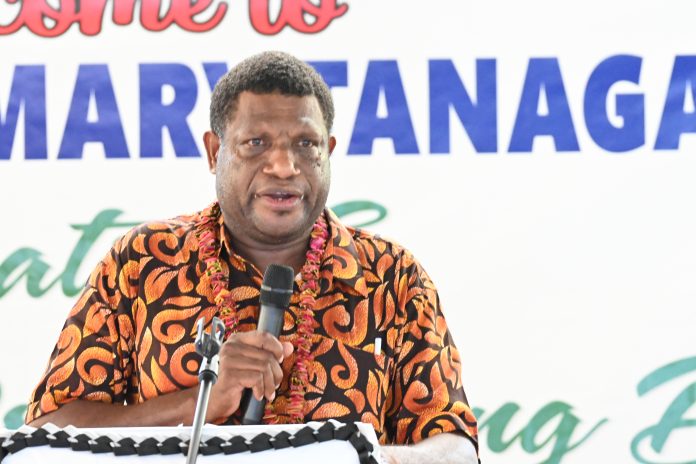
Principal of St Mary Tanagai Community High School, James Mepobu, has warned students over the growing distractions affecting their education, urging them to stay focused and disciplined as they move into the new academic year.
Speaking during the school’s 2025 Graduation and Prize-Giving Ceremony on Friday 28 November 2025, Mepobu said many young people are losing sight of their goals because of poor choices and unhealthy habits.
He reminded students that education is “a journey, not a destination,” and challenged them to take their learning seriously.
Mepobu pointed out four major distractions—mobile phones, drugs and alcohol, romantic relationships, and lack of discipline—as key factors derailing student performance.
“Mobile phones are useful tools, but excessive use destroys your focus and relationships,” he said.
“Drugs and alcohol will ruin your health. Romantic relationships can be major distractions. Prioritise your education.”
He also urged students not to treat school as a place to “pass time,” saying education is a precious investment that requires commitment and sacrifice.
Turning to parents, Mepobu made a firm appeal for stronger support, noting the increasing trend of students coming to school with mobile phones while lacking essential school items.
“Parent contribution fees must be paid on time. Requirements must be provided. Let’s work together to set things right,” he stressed.
Mepobu also paid tribute to his teachers for their dedication, teamwork and hard work throughout the year, acknowledging their role in shaping the academic and moral growth of students.
Reaffirming the school’s Catholic foundation, he said Tanagai CHS strives to nurture both academic excellence and spiritual strength, guided by the motto “Education for Life.”
He encouraged the graduating students to lean on their faith as they step into the future.
“Life will test your convictions. In those moments, trust in God—He will guide your steps,” he said.
Mepobu urged graduates to use their knowledge to serve their families, communities and the nation, saying their achievements carry greater meaning when shared with others.
The ceremony brought together church leaders, education officials, parents, guardians and the wider community, celebrating under this year’s theme: “Together We Achieve the Best.”