Home Blog Page 120

WE NEED PEACE

0

Pacific leaders urged to stand firm in midst of global tensions

BY NED GAGAHE

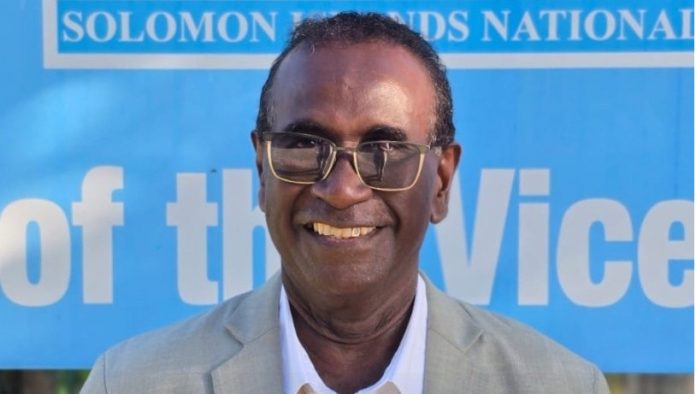
One of the country’s top academic and Solomon Islands National University (SINU) Vice Chancellor, Professor Transform Aqorau has sounded a strong warning as tensions escalate in the Middle East, urging Pacific leaders to stand firm to protect the region as an “Ocean of Peace”.

Professor Aqorau said the growing conflict involving the United States, Israel and Iran is deeply alarming, with missiles flying, civilians caught in the crossfire, oil tankers reportedly struck, and the strategic Strait of Hormuz — one of the world’s most vital oil routes — now closed.

“Some leaders speak of success, but war never has winners. The real cost is paid by ordinary people,” Aqorau said.

He warns that while the fighting may seem far from Pacific shores, its consequences will not spare island nations.

If oil supplies from the Gulf are disrupted, global fuel prices are expected to surge. For Pacific Island countries heavily dependent on imported fuel, this would mean higher electricity costs, more expensive transport, rising food prices and an increased cost of living.

“Our already fragile economies could face another severe external shock,” he said.

Aqorau said that the region is already grappling with immense challenges like climate change, rising sea levels, drug-related issues, mental health pressures, youth unemployment, diabetes, slow economic growth and rapidly growing populations.

“At a time when we are dealing with so many pressing issues, we do not need more global instability, we need peace,” he said.

He reminded leaders that Pacific nations have declared the region an “Ocean of Peace”, grounded in unity, sovereignty, dialogue and non-militarisation.

“This is not just symbolic. It is strategic, our islands have suffered before from global power rivalries and war. We know the long shadows they cast,”Aqorau said.

As global power dynamics continue to shift, he urges Pacific countries to deepen solidarity and cooperation among themselves.

“Our strength is in regional unity. Our security must be rooted in development, climate resilience and human wellbeing — not militarisation,” he said.

Aqorau said that war diverts vital resources away from essential services.

“War diverts resources from schools to weapons, from hospitals to missiles, from climate action to destruction. Peace creates the space for progress,” he said.

For the sake of future generations, he said, Pacific nations must hold fast to their commitment to peace.

“For the sake of our children — their health, their education, their future — the Pacific must stand firm as an Ocean of Peace.

“In a world drifting toward conflict, let us choose stability. Let us choose cooperation. Let us choose peace,” he said.

Photo: Supplied

For feedback, contact: [email protected]

Editor: [email protected]

Methamphetamine across Pacific exposes national enforcement and legal gaps

0

Methamphetamine trafficking and use are becoming a rising concern across the Pacific, with recent cases and official statements from Papua New Guinea, Fiji, Tonga, Samoa and the Solomon Islands highlighting both the scale of the threat nationally and existing significant institutional gaps.

Based on a number of news articles from around the Pacific region between 2025 and 2026, it indicates that Pacific Island countries are countering the issue of drug trafficking networks while also struggling to strengthen legal, border control and the public health limitation within respective pacific island jurisdiction.

A news article published by Radio New Zealand in June 2025, reported the arrest of police officers in Papua New Guinea following a meth-related raid. A senior office quoted that authorities were “actively separating the bad apples from the good”. However, this is also an indication of how vulnerable Pacific Islands authorities can be compromised when facing such issue related to meth. Such issues can undermine the trust of the public to responsible agencies in tackling such issues.

Moving on to Fiji, news in relation to meth trafficking has become a recurring topic. According to a report by the ABC News, a high court judge describes those involved as “Sophisticated drug cartels”.

The statement speaks loudly for itself as it indicates that it is an organised international operation. Respective authorities have increased border surveillance and prosecutions; however, experts caution that continuous pressure and intelligence-sharing with other pacific countries will be critical to preventing Fiji from becoming a transit location for meth distribution within the Pacific.

Moreover, in Tonga, an ABC Pacific report in January 2026 highlighted a judge’s warning that meth poses an “existential threat to life in Tonga”. Such statement coming from Tonga’s judiciary stresses the emerging danger of the drug to its social and economic wellbeing.

Socially, community leaders in Tonga have raised issues arising from the use of drug including family breakdown, theft and youth vulnerability related to the consumption of meth. Law enforcement agencies continue to pursue importation and distribution cases however with limited resources.

In addition, reports from Samoa by RNZ in December 2025 had shown that their responsible authorities have seized meth twice within two days where customs and police remain committed to identifying and crackdown on drug networks.

Responsible authorities in Samoa have mentioned that there are attempts to move methamphetamine through Pacific entry points where traffickers test multiple routes including our cargoes, maritime freight and postal services as well.

Now moving into the Solomon Islands, in August 2025, the Director of Public Prosecutions in Solomon Islands warned publicly that existing legislation contained gaps, noting that under current law, possession or manufacture of methylamphetamine was not clearly criminalised in some contexts.

Also, reports of several narco boats occurring within a year in Solomon Islands waters raises a concern as well highlighting distribution network of drugs within the territory’s borders.

There was also discussion about urgent law reform. Legal experts have since called for updates to drug schedules, clearer definitions, and strengthen investigative powers to match modern trafficking approaches in relation to meth distribution.

As we understand, here in the Solomon Islands the Bills & legislation committee held hearings for responsible agencies to amend the Dangerous Drugs Act (Cap. 98) covering issues of penalties for those caught under the drug distribution.

Therefore,despite different national contexts, some of the common issues discussed among jurisdiction within pacific island countries include;

Border vulnerabilities; where Pacific nations manage vast maritime zones with limited surveillance capacities. This would be made effective with the right technology and regional cooperation to monitor and respond to distribution network of drug traffickers.

Outdated legislation; most of the drug laws within Pacific Island countries are outdated and need to be upgraded to effectively respond to the emerging drug crises currently occurring in the region.

Official integrity risks, also another common issue, is evident in that Meth trafficking can expose corruption risks within enforcement systems such as the case in PNG.

Also, there is limited rehabilitation services where most pacific island countries rely heavily on policing responses, with fewer organised treatment and prevention programmes for drug victims.

Data limitation is another common issue in relation to the issue in the Pacific Island countries where comprehensive, up to date national data on meth use is not available in each jurisdiction. The sentiment by opposition leader of the Solomon Islands Matthew Wale that “we’re living in the dark” referring to responsible agencies’ lack of data for decision making during the Bills and legislation committee is a classic example.

Going forward,governments across the Pacific have reaffirmed their national commitments to strengthening border controls and regional collaboration. However, enforcement alone will not be effective with limited technical ability to monitor and track, unavailability of technology and under-resourced authorities will always pose a gap within enforcement approach in the Pacific Island region.

In most of the Pacific Island countries jurisdiction, such as the Ministry of Health in Solomon Islands emphasise the need for prevention campaigns, youth engagement programmes, community education and rehabilitation services alongside criminal prosecutions in partnership with responsible agencies.

As methamphetamine cases continue to surface in courts and at border checkpoints, Pacific Island countries face mounting pressure to update existing laws, strengthen institutional responses and coordinate responses beyond national boundaries through regional partnership.

Photo credit: Supplied

WOMEN DETERMINED

0
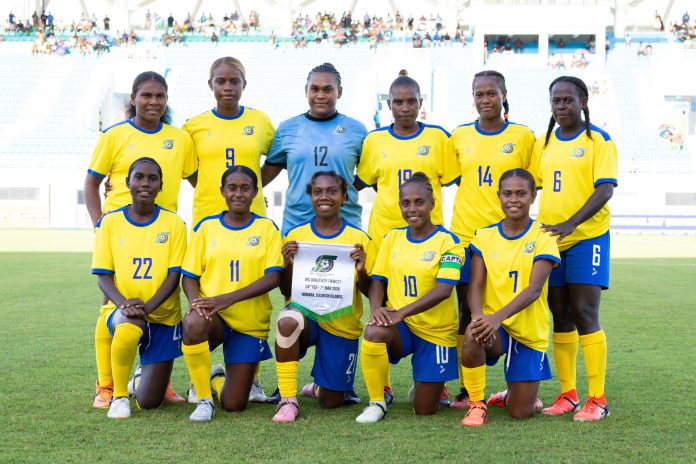
Solomon Islands team photo during FIFA Women's World Cup Qualifiers 2027, OFC Qualifiers, Solomon Islands v American Samoa, National Stadium Honiara. Friday 27 February 2026. Photo: Joshua Devenie / www.phototek.nz
  • Two crucial matches remain for Solomon in OFC qualifiers

BY TONY IROGA

Solomon Islands women’s national football team have two crucial matches remaining in Round Two, Group A of the FIFA Women’s World Cup – OFC Women’s World Cup Qualifiers.

Group A matches are currently underway in Honiara, with Solomon Islands hosting the competition.

The Solomon Islands senior women’s side is sitting in third place after going down 0-1 to American Samoa women’s national football team in their opening match on Friday, February 27 2026 at 5pm at the National Stadium.

They will now face regional powerhouse New Zealand women’s national football team in their second match today at 5pm.

Their final Group A match will be against Samoa women’s national football team on Thursday, March 5 2026 at 5pm at the National Stadium.

The two remaining matches will determine whether Solomon Islands progresses to Round Three.

Team captain Ileen Pegi said the squad is preparing well for their next game against New Zealand.

“Unfortunately, we lost the game as we have never played against American Samoa before and were not familiar with their style of play,” Pegi said.

She added that the team is working hard to correct mistakes, improve their style of play and stay focused for the remaining matches.

According to the Oceania Football Confederation, the top two teams from Group A and Group B will advance to Round Three, scheduled to be played in New Zealand across two venues in April 2026.

Round Three will see the Group A winner face the Group B runner-up on 12 April 2026 at FMG Stadium Waikato at 12:00pm.

On the same day at 4:00pm, the Group B winner will meet the Group A runner-up.

The winners of both semi-finals will then clash in the final on 15 April 2026 at North Harbour Stadium at 7:00pm.

The four nations will compete in a knockout format, with the Round Three winner securing direct qualification to the 2027 FIFA Women’s World Cup. The runner-up will advance to the inter-confederation play-offs.

The upcoming two matches are now vital for Solomon Islands as they aim to keep their World Cup dream alive.

Photo credit: OFC Media

For feedback, contact: [email protected]

Editor: [email protected]

Solomon side holds strong after eight OFC matches

0

BY TONY IROGA

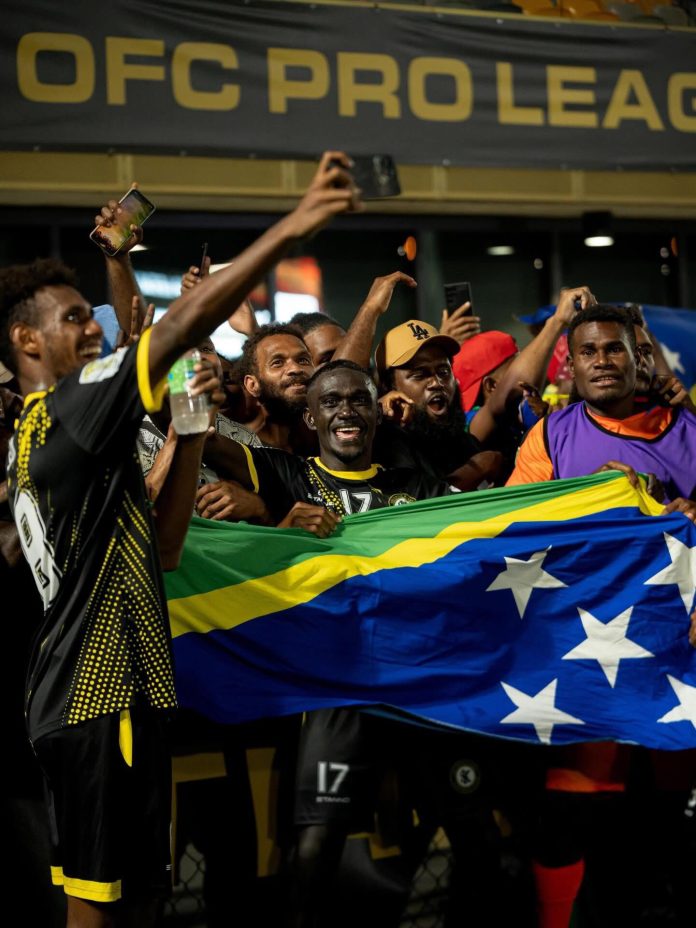
Solomon Kings FC remain in third place on the table with 14 points after eight competitive matches in the OFC Pro League.

The Solomon side secured an impressive 2-0 victory over Bula FC on Saturday, February 28, 2026 at Melbourne Stadium, Australia, to maintain their top-three standing.

So far this season, Solomon Kings have recorded four wins, two draws and two losses.

They opened their campaign with a narrow 1-0 win over Hekari United FC on 18 January 2026 in Auckland, New Zealand, collecting their first three points of the competition.

On 24 January, Kings were held to a 0-0 draw by Tahiti United FC in their second match. They then suffered a 0-1 loss to Bula FC on February 1.

In their fourth outing on February 4 in Port Moresby, Papua New Guinea, Solomon Kings settled for another 0-0 draw against South Island United.

The fifth match saw Kings bounce back strongly with a 3-1 victory over Auckland FC on February 7 in Port Moresby.

On 22 February, they defeated Hekari United 2-1 in Melbourne but went down 0-2 to Vanuatu United FC on 25 February at the same venue.

Their latest 2-0 win over Bula FC on February 28 marks their fourth victory of the campaign, keeping them firmly in third place as the competition intensifies.

Meanwhile, Round Four of the OFC Pro League has been confirmed for Honiara, with Solomon Kings FC to host matches from 14 to 19 March 2026.

Round Five is scheduled for Suva, Fiji, from 11 to 18 April, while Round Six will be staged in Auckland, New Zealand, from 6 to 13 May 2026.

Round Six will feature both the Leaders’ Group and Challengers’ Group, followed by a playoff match on Sunday 17 May, semi-finals on Wednesday 20 May, and the grand final on Sunday 24 May 2026.

Photo credit: OFC Media

For feedback, contact: [email protected]

Editor: [email protected]

Community fights back against crime

0

BY BEN BILUA
Gizo

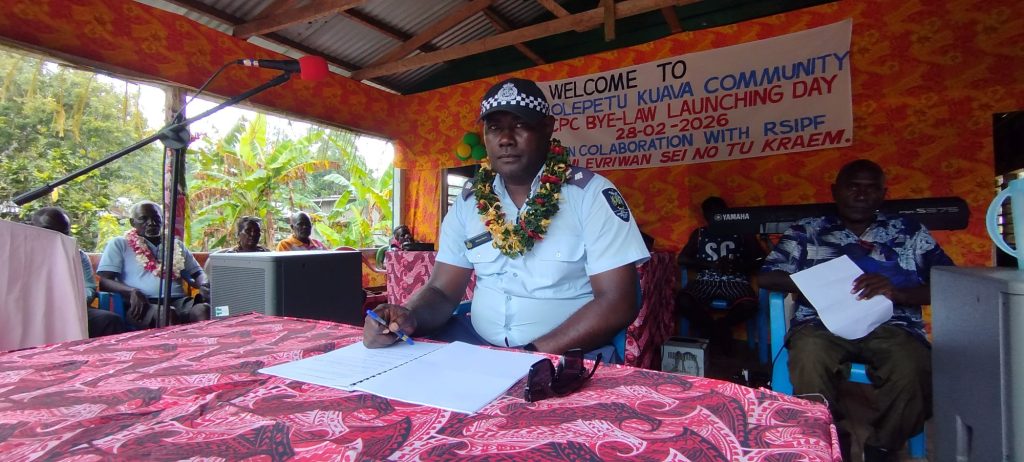
Chiefs and elders of Olepetu and Kuava communities in Western Province have taken a firm stand to restore law and order following two shocking murder cases that rocked the province last year and earlier this year.

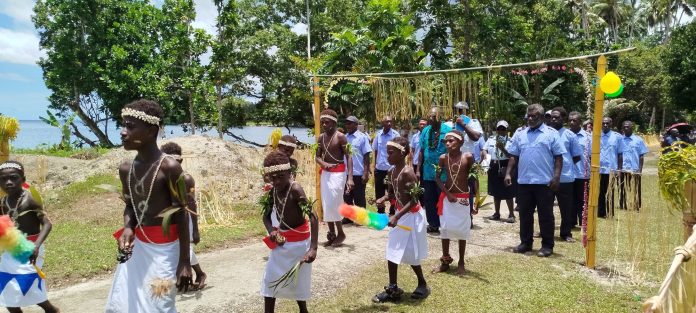
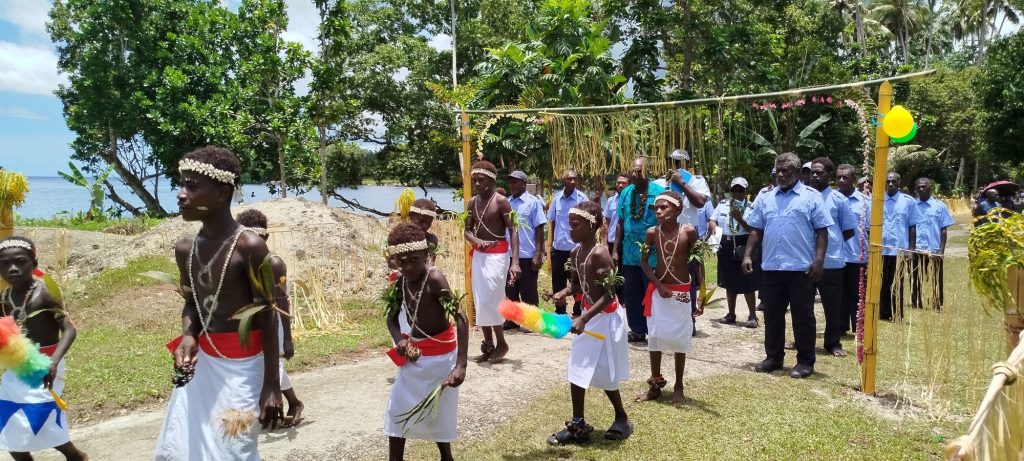
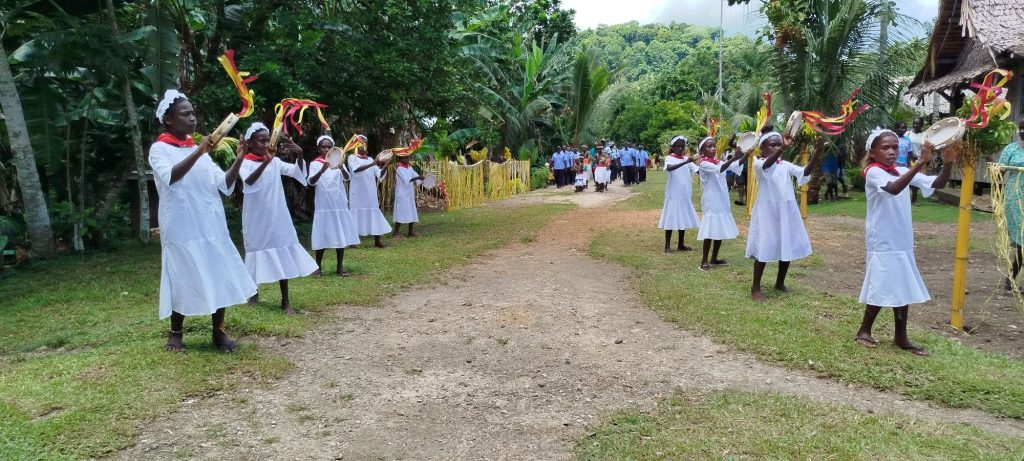
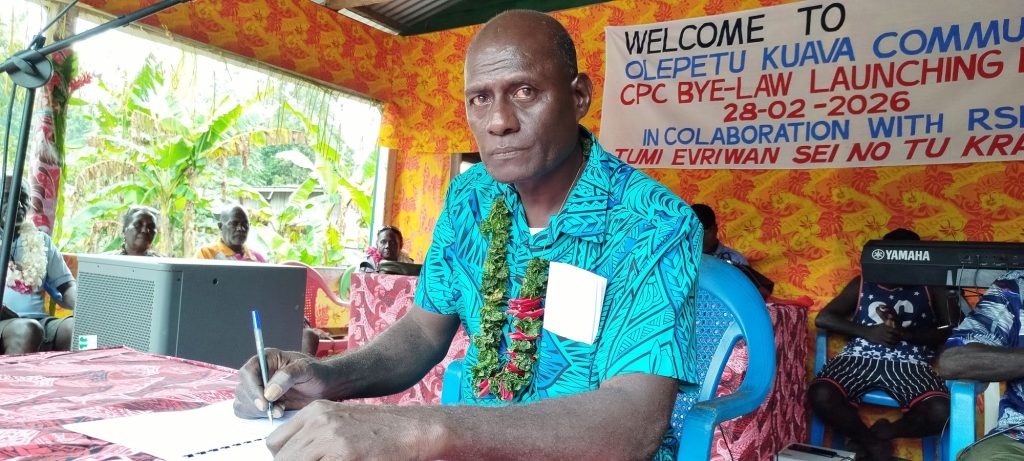
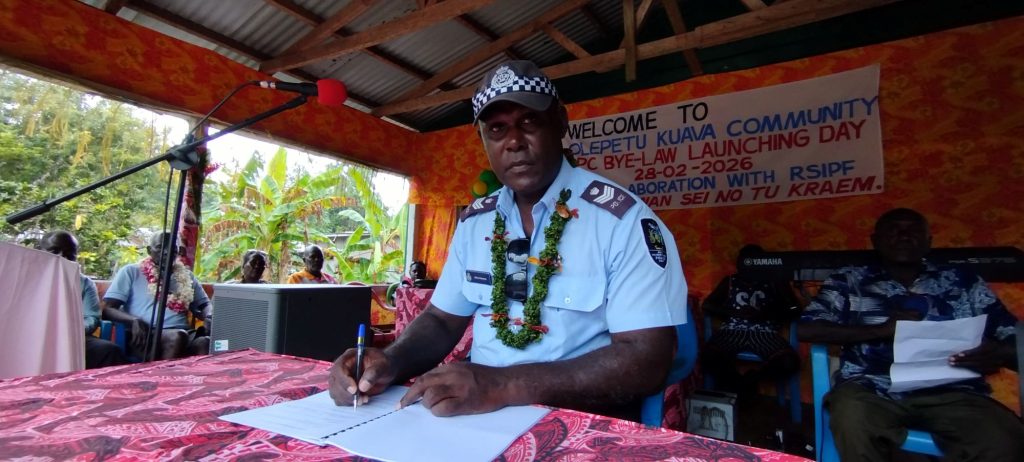
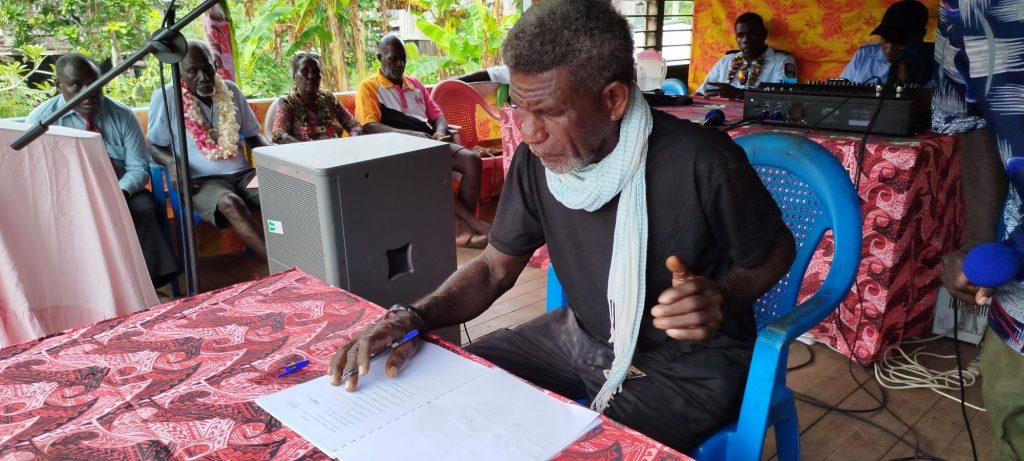
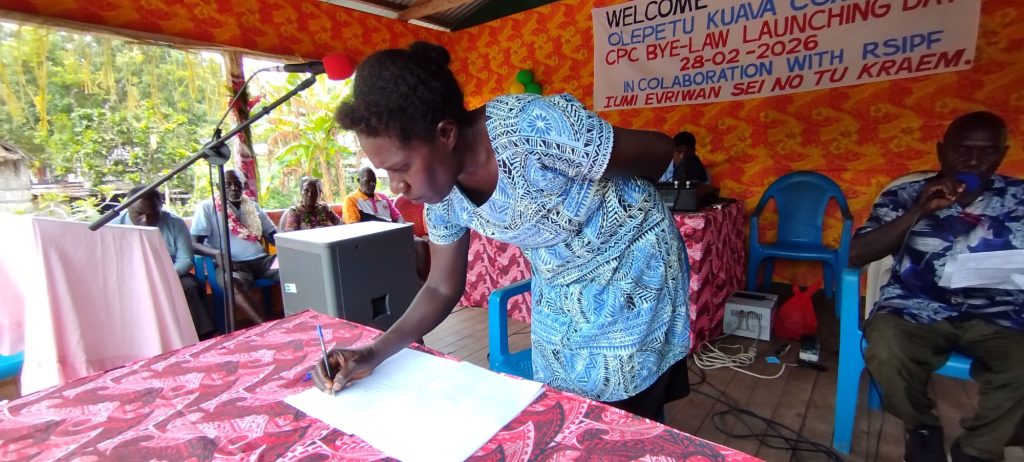
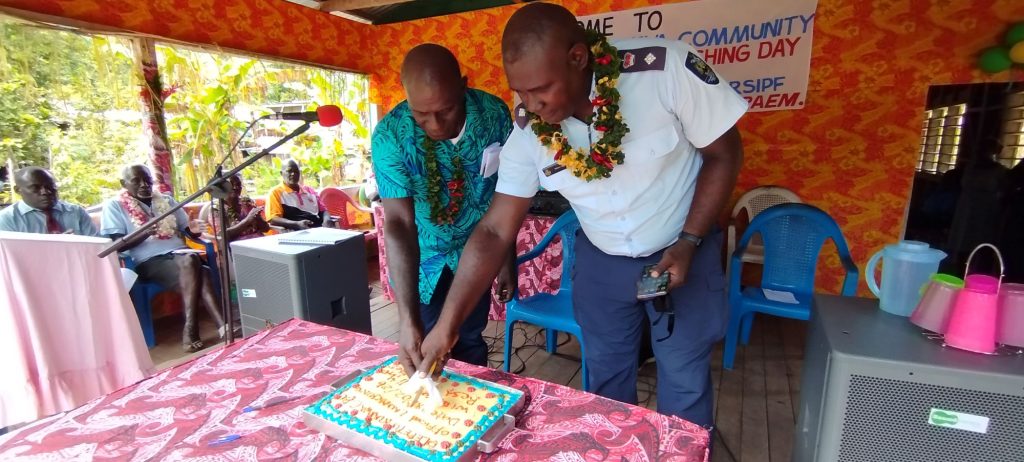
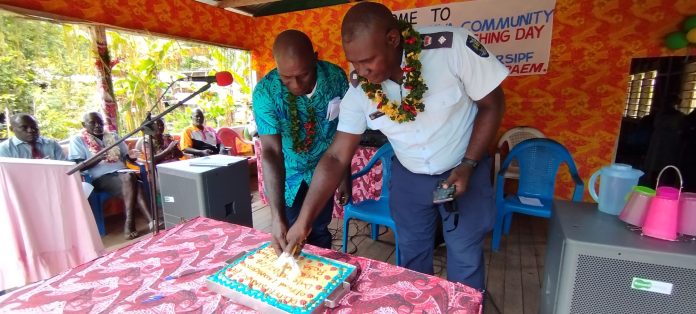
Over the weekend, the communities officially launched their new bylaws in the presence of officers from the Royal Solomon Islands Police Force (RSIPF), marking what leaders describe as a new chapter for both villages.

Thirty men and women have been appointed to form the Crime Prevention Committee (CPC), which will be responsible for enforcing the bylaws.

The Olepetu and Kuava bylaw consists of 26 rules, covering offences ranging from minor nuisances to serious crimes such as arson and violence.

Chairperson of the Olepetu/Kuava CPC, Mr. Nelson Lekelalu, told Island Sun that Kuava had been at the centre of two murder cases, prompting leaders to act decisively to prevent further crimes.

“It’s time to fight back against crime for a better today and future. We want to erase the crimes that were painted and hanging over our community’s name.

“It is our commitment to ensure our children live in a peaceful environment,” he said.

Lekelalu said the committee will take the bylaws seriously, warning that anyone who breaches the rules will face penalties as stipulated.

Officer-in-Charge of Community Policing in Western Province, Sergeant Alick Alesena, described the launch as a milestone achievement for the communities.

“Over the years, our community has faced various law and order challenges, but today marks a very important and historical occasion for Olepetu and Kuava community.

“This occasion represents a major milestone and a significant achievement to promote peace, order and responsible living within our community,” he said.

Alesena acknowledged that police alone cannot effectively address all law-and-order issues across communities and that CPCs serve as the “eyes and ears” of the Royal Solomon Islands Police Force at the community level.

He said the bylaws reflect shared responsibility and collective commitment to creating a safer and more orderly environment for residents of Kuava.

Acting Provincial Police Commander for Western Province, Superintendent Wilken Miriki, said the bylaws blend traditional values with the realities of modern living to ensure customs continue to guide communities away from unwanted activities.

“This is the beginning of a new chapter. We are placing a beacon – one that will guide us towards peaceful living, mutual respect and shared responsibility.

“This bylaw is a commitment we make to ourselves and to the future generation,” he said.

Miriki calls on community members to change their mindset and embrace positive change for a better future where people can live in peace and harmony.

He also acknowledged the chiefs, community leaders, women, youths and children for their commitment to the initiative and warned residents to respect CPC committee members at all times.

The launch signals a united effort by Olepetu and Kuava to reclaim their communities’ reputation and ensure lasting peace for future generations.

Photo credit: Ben Bilua

For feedback, contact: [email protected]

Editor: [email protected]

CPC is the solution to better community: Mrs Doko

0

BY BEN BILUA

Gizo

The Chairlady of Ward 8 in Vella, Western Province says the establishment of Crime Prevention Committees (CPC) in communities is key to building safer and stronger societies.

Mrs Mary Doko made the remarks during the launching of bylaws for the Olepetu/Kuava Community, congratulating them for becoming the second community in Western Province to establish a CPC.

She said many communities throughout Western Province are facing increasing challenges due to the breakdown of traditional community structures and systems.

Doko said the formation of CPCs will help restore law and order by promoting shared responsibility among leaders, women, youths and children.

“CPCs will ensure law and order are maintained in our communities – a system that can transform community structures through shared responsibilities,” she said.

Doko commended the people of Olepetu/Kuava for taking what she described as a bold and positive step towards securing a better future.

“I congratulate you, the leaders, women, youths and children of Olepetu/Kuava for the launching of your bylaws.

“You have taken a positive path to create a better community for your children and their future,” she said.

Doko conveyed congratulations on behalf of the Provincial Member for Ward 8, Mr Kadiba Alu, acknowledging the community’s commitment to progress.

“On behalf of the Provincial Member of Ward 8, Kadiba Alu, I salute you for this fine achievement,” she said.

Doko encouraged other communities across Vella Island and Western Province to follow the example set by Olepetu/Kuava.

She said collective efforts at community level will contribute to building a better Vella Island, a better Western Province and ultimately a better Solomon Islands.

Photo credit: Ben Bilua

For feedback, contact: [email protected]

Editor: [email protected]

Naha school takes ownership of new ablution block

0

BY JOHN HOUANIHAU

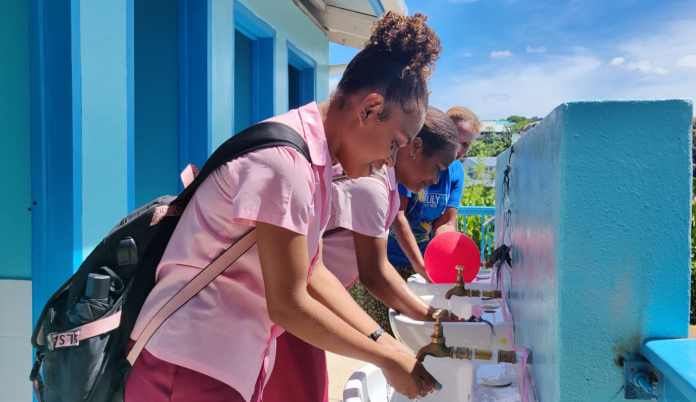
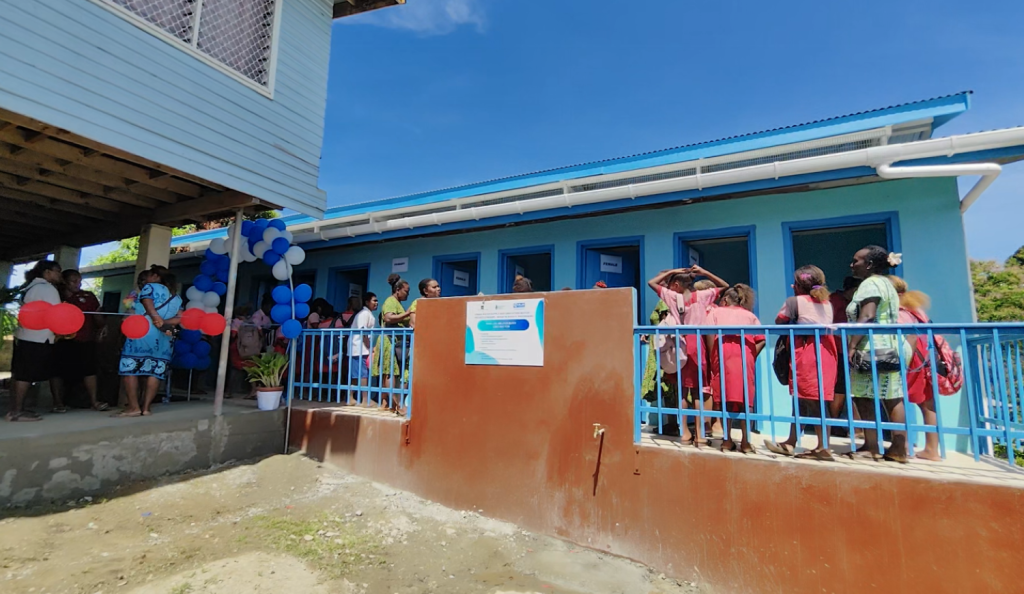
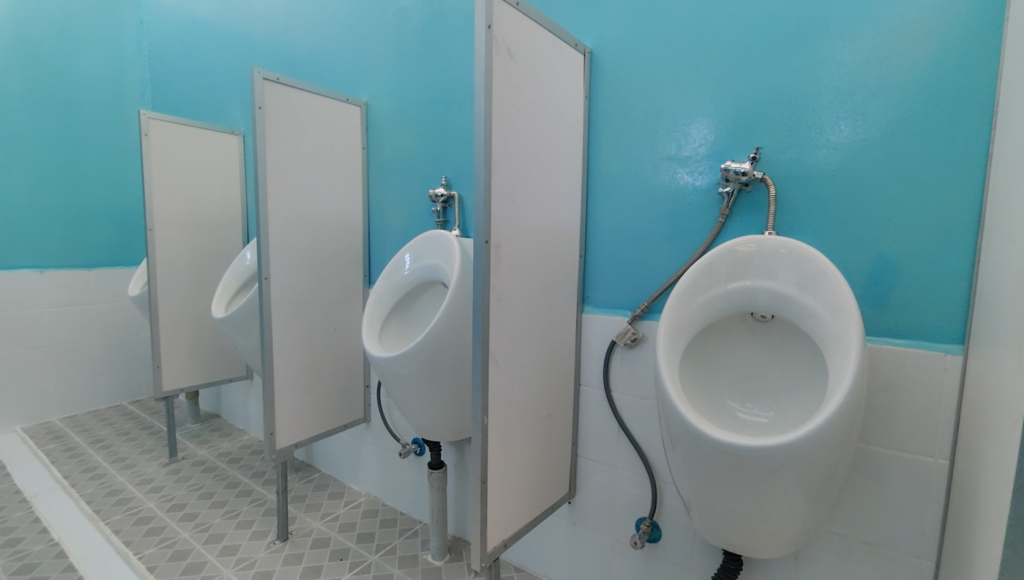
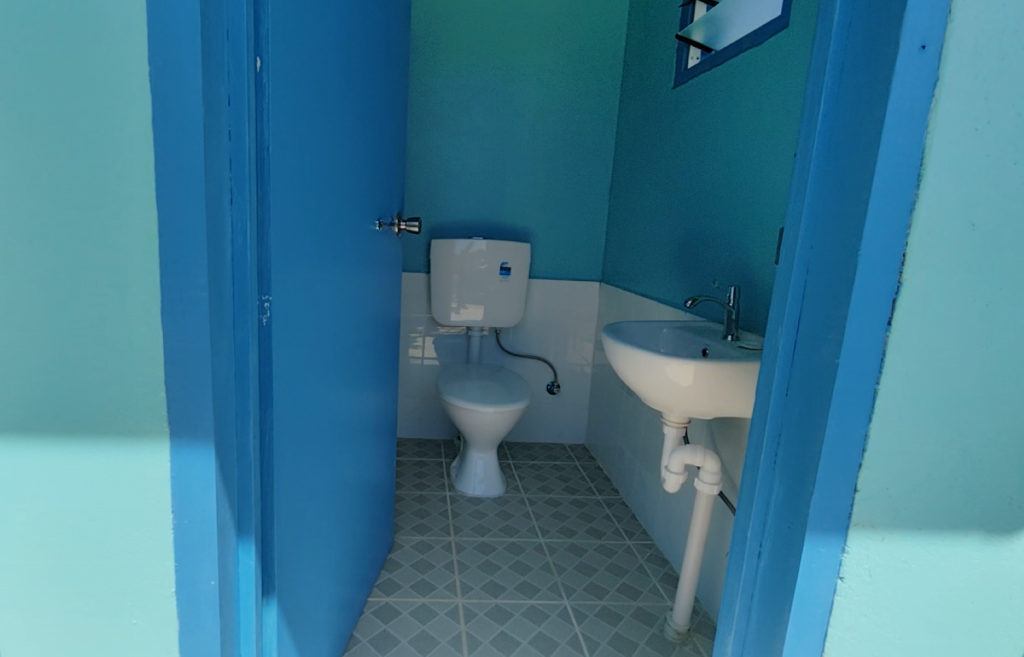
Naha Community High School (NCHS) in Honiara formally took ownership of a new Ablution block facility after it was handed over to the school on Friday February 27, 2026.

The project worth more than SBD$ 300, 000 is funded by the Asian Development Bank (ADB), and implemented by agencies such as, the Solomon water and Plan international and Live & Learn Solomon Islands.

The project commenced on December 22, 2025 to February 24, 2026 and constructed by Future Generate Construction and Drafting.

Speaking during the handover ceremony, Plan International country Director Duta Bero said that NCHS is one of the largest schools in Honiara enrolling more than 1,600 students and 60 teachers across Early Childhood Education (ECE), Primary and Secondary level.

“According to baseline studies conducted before the project commenced, the student toilet ratio is one is to 209 for female and one is to 185 students for males,” he said.

She said that this are some of the challenges the National Government through its national partners are trying to mitigate through the project such as the WASH in school program.

She acknowledged the Asian Development Bank (ADB) for funding the project, Solomon Water, Ministry of Education and Human Resources Development (MEHRD), the Honiara City Council (HCC) Education authority, Naha school leadership and board, Live and Learn environmental education, contractors and workers, parents and students for the support.

She said that project aims to address inclusiveness and accessibility for those with special needs, environmental health and hygiene, menstrual health hygiene for female students.

“Plan International want to improve our well-being and school environment throughout the country. Plan International is commitment for such initiatives and supports government in these initiatives,” Ms. Bero said.

She said that the new facility represents an improvement in both scale and quality and designed to meet current and future demand.

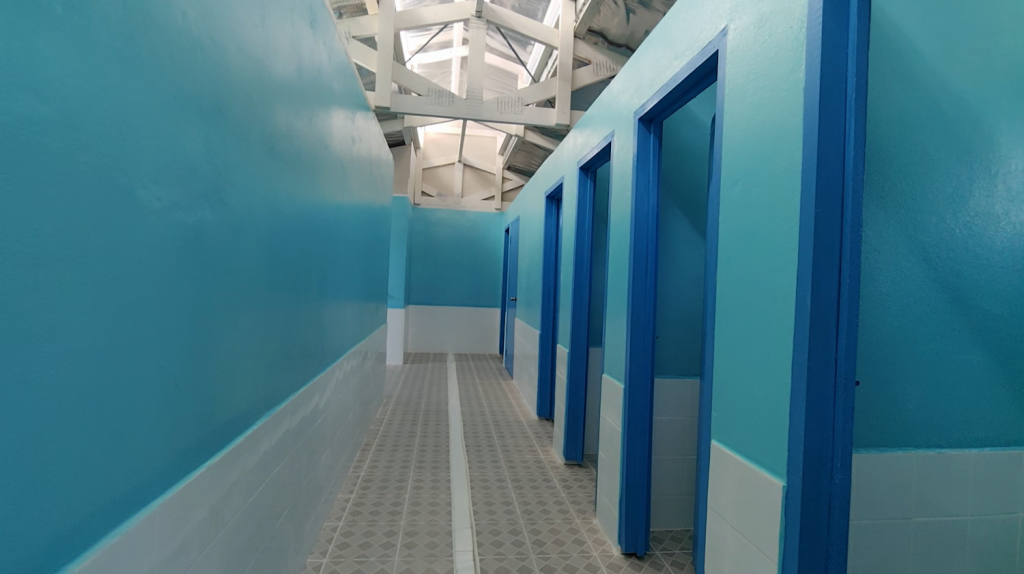
“The facility contains 22 toilets cubicles. Ten for girls, ten for boys, one for the female staffs and one for the male staffs. There are two inclusive cubicles shower are as well as toilet both for boys and girls. The two showers contain four urinals, 14 hand basins, where six are for girls and six for boys and two for the staffs. The facility is connected directly to Solomon Water mains and connects direct to Solomon Water sewage linea,” she said.

She said with the upgraded facility, the school now has better, improved, safe and dignified ablution block.

Photo credit: John Houanihau

For feedback, contact: [email protected]

Editor: [email protected]

SOL-TECH Solar training equips youths for jobs and greener communities

0

BY NED GAGAHE

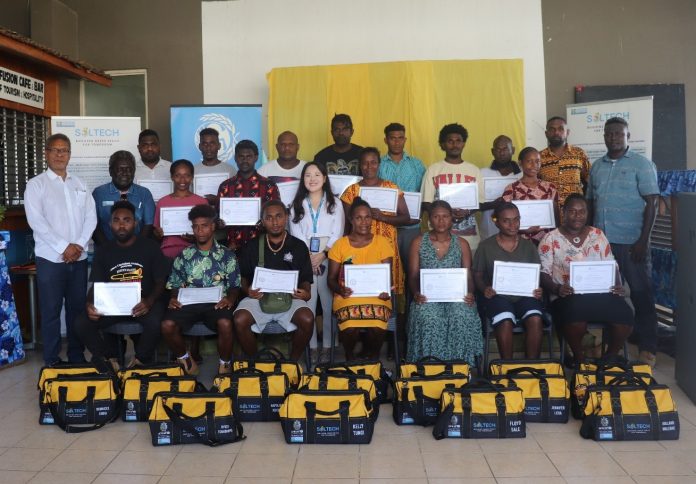
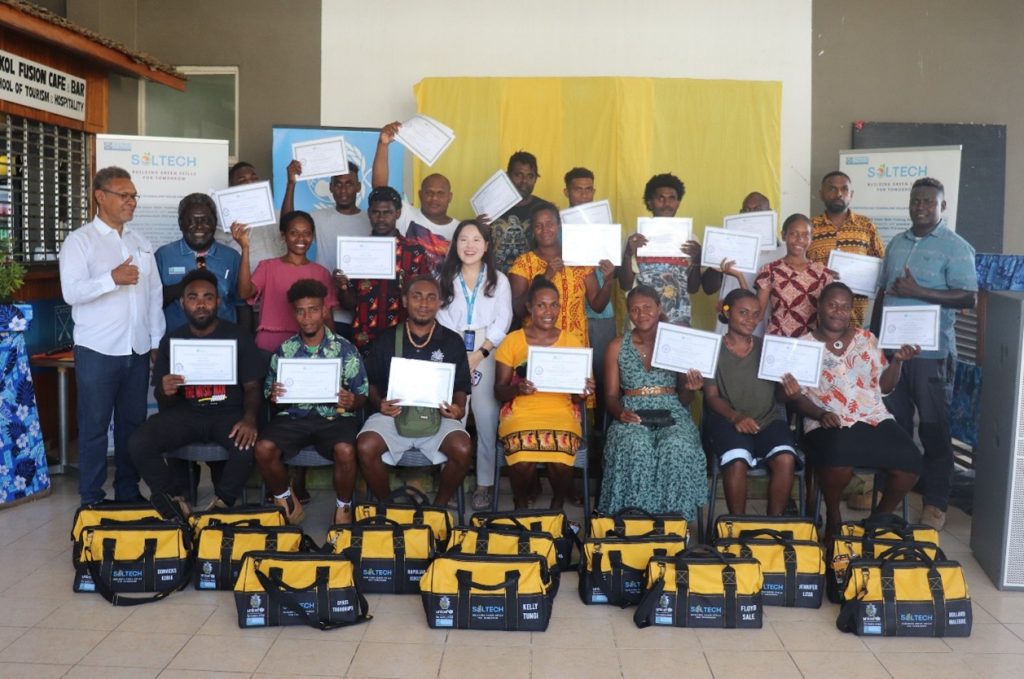
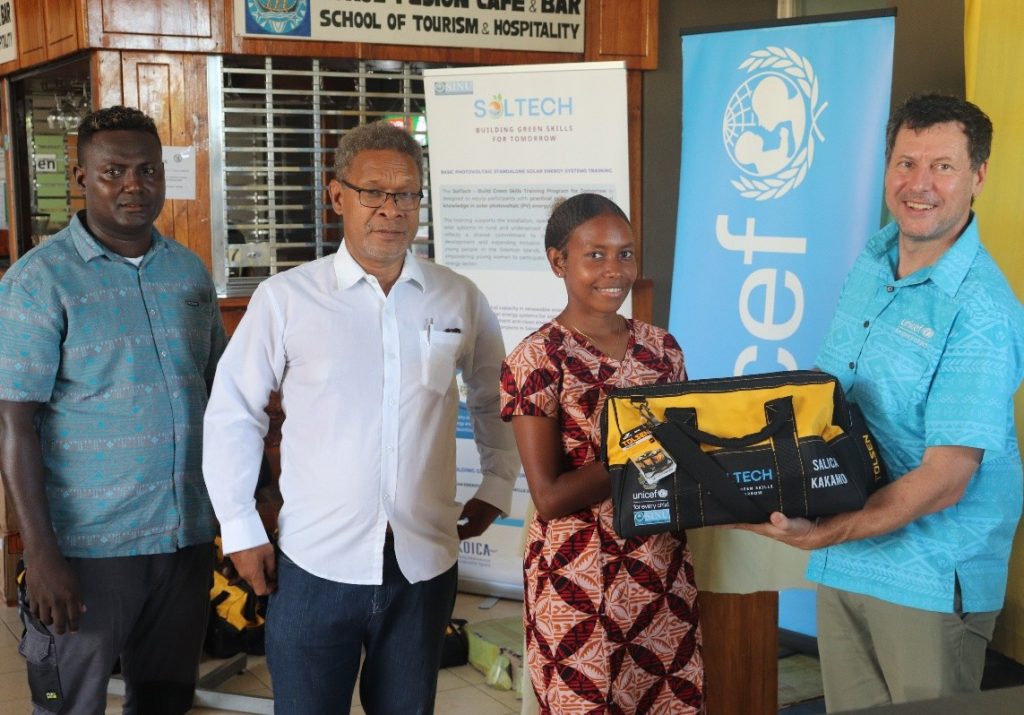
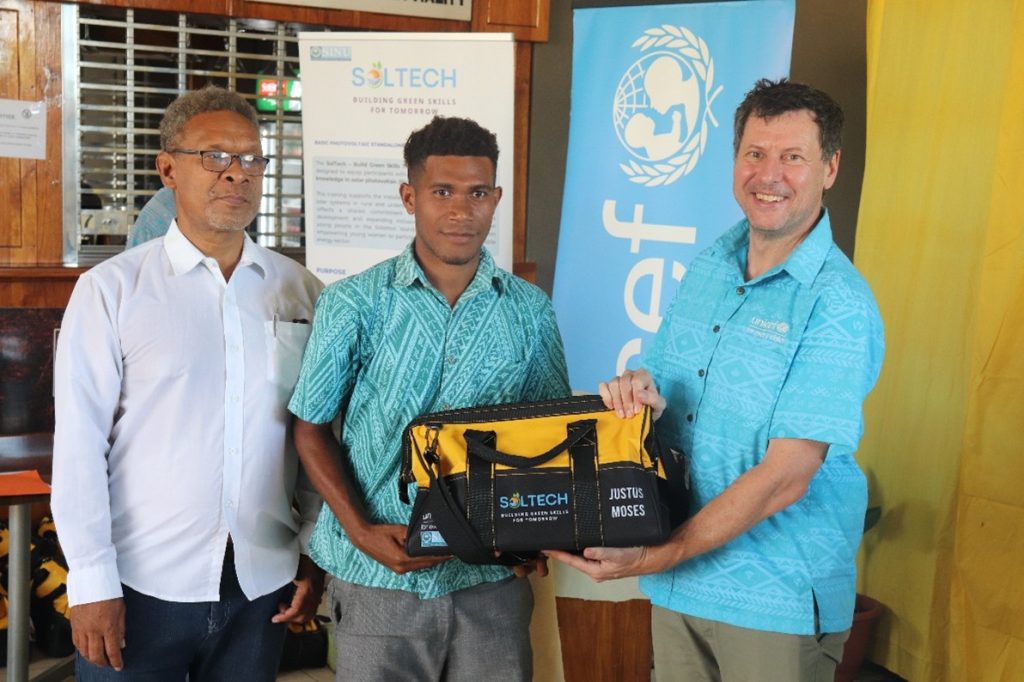
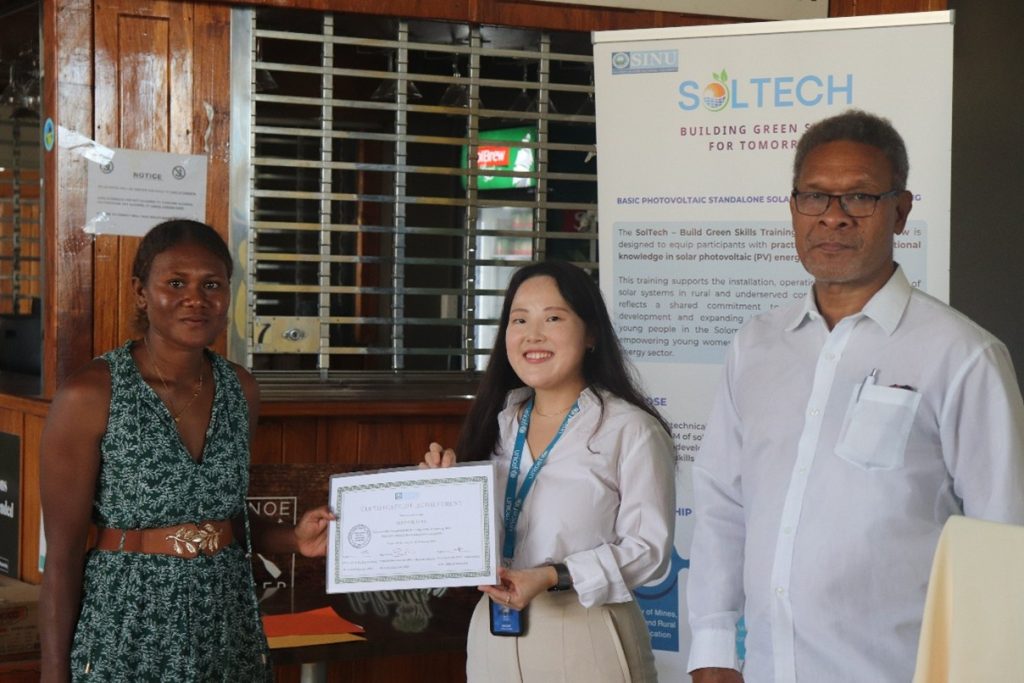
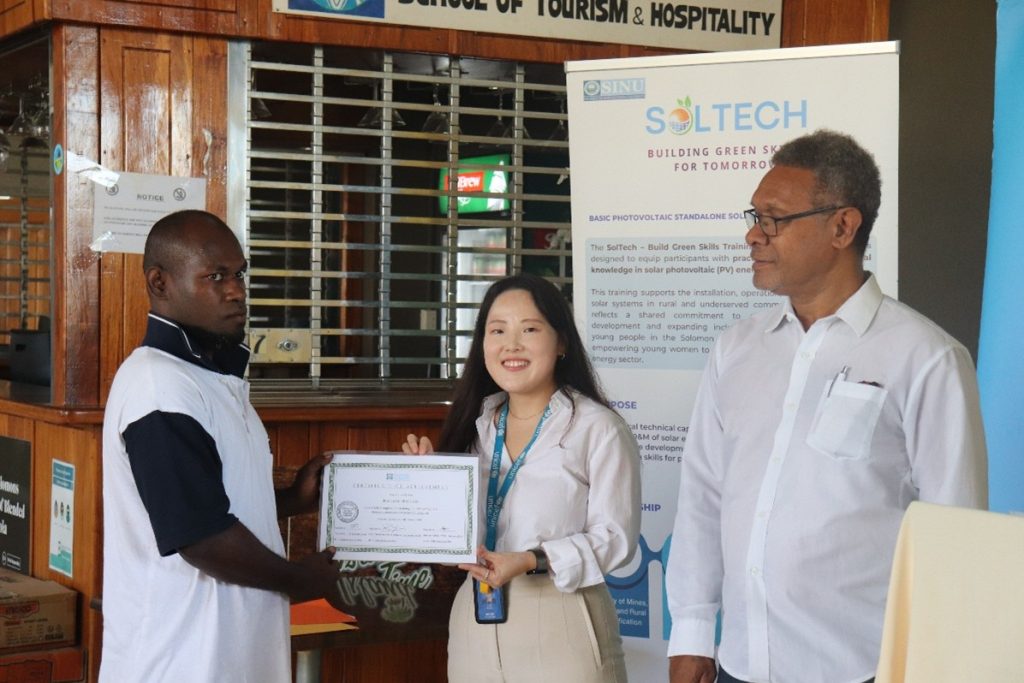
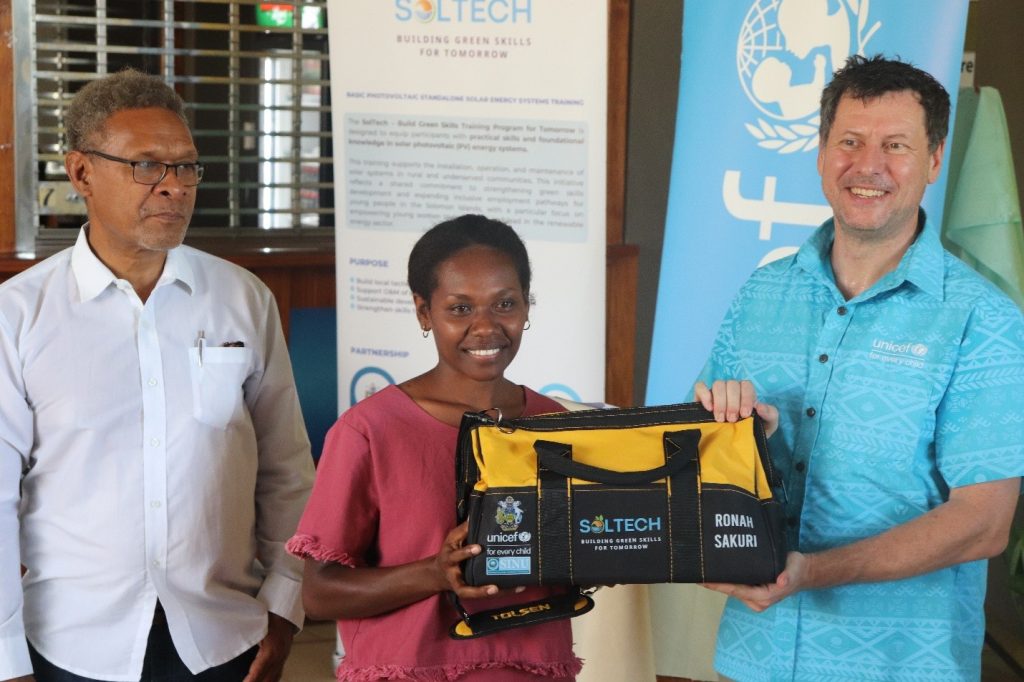
Nineteen young Solomon Islanders have graduated from a renewable energy training programme that aims to build local skills in solar installation and support the country’s transition to clean energy.

The graduates, including seven women and twelve men from communities across north and northeast Guadalcanal, completed the four-week SolTech: Building Green Skills for Tomorrow training programme focused on basic photovoltaic stand-alone solar systems.

The programme is funded by the Korea International Cooperation Agency (KOICA) and implemented by UNICEF in partnership with the Solomon Islands National University (SINU) through its Technical and Vocational Education and Training (TVET) division, with technical guidance from the Ministry of Mines, Energy and Rural Electrification (MMERE).

Speaking at the graduation ceremony on Thursday last week, UNICEF Chief of Solomon Islands Field Office, Benjamin Grubb said the initiative demonstrates how investing in young people can support national development.

“In a nation where, young people make up a large share of the population, your achievement carries even greater meaning. You represent what is possible when youth are given opportunity, quality training and support. You are not just beneficiaries of development — you are leaders in it,” he said.

Participants received hands-on training in electrical circuits, solar panel installation, wiring systems and safety standards, preparing them for employment opportunities in the growing renewable energy sector.

Kelly Tungi from Numbu village said the training changed his understanding of electrical work and safety.

“Before the training, we used any cable that could conduct electricity. Now I understand that different cables have specific ratings and proper wiring standards are important,” he said.

Tungi hopes to continue further electrical studies and eventually establish a licensed electrical business to serve rural communities.

Fellow graduate Salica Kakamo from Taona village said the programme equipped her with practical skills she plans to use to assist families, schools and clinics with solar installation and maintenance.

“I learned that safety and efficiency depend on using the correct specifications. I want to use these skills to help my community and support my family,” she said.

As part of their practical training, participants designed and installed a small solar photovoltaic system for the Numbu Community Rest House, providing electricity to a facility that previously had none.

Mr Grubb also highlighted the importance of encouraging more young women to enter technical and STEM fields, saying their participation helps redefine leadership in the energy sector.

With solar energy expanding across rural areas, organisers say programmes like SolTech are helping prepare young people with skills needed to support sustainable energy solutions and strengthen community resilience across Solomon Islands.

Photo: Supplied
For feedback, contact: [email protected]

Editor: [email protected]

More than 300 students displaced

0

BY BEN BILUA
Gizo

MORE than 300 students have been left searching for alternative schools following the sudden closure of Emmanuel School in Gizo.

Reports reaching this paper confirm that over 100 affected students have already secured placements at Gizo Primary School, while many others are still struggling to find available spaces in nearby schools.

The unexpected shutdown has created a significant gap in access to education within the township, placing pressure on existing schools and leaving dozens of families uncertain about their children’s academic future.

Parents have expressed frustration over the sudden decision to close the school, questioning the reasons behind the move and the lack of prior notice.

“This has affected our children’s learning. We were not prepared for this,” one concerned parent said.

The closure is understood to have disrupted the start of the academic year for many students, with some families now forced to travel further distances or seek assistance from relatives to secure schooling opportunities.

Education authorities in Western Province are yet to officially comment on the matter.

Meanwhile, parents and guardians are calling for urgent intervention to ensure all displaced students are accommodated without further delay.

The situation has sparked concern within the Gizo community, as stakeholders emphasize the importance of stable and accessible education for young learners in the provincial capital.

For feedback, contact: [email protected]

Editor: [email protected]

NMC supports fishing associations in the constituency

0

BY SAMIE WAIKORI

Member of Parliament for North Malaita Constituency and Minister for Rural Development (MRD), Daniel Waneoroa recently provided support to two rural fishing associations in his constituency.

The support included two sets of ray boats and 40-horsepower engines, valued at approximately $200,000. The support follows similar assistance delivered by NMC last year, which saw the distribution of 13 boats and engines to fishermen and women throughout the constituency.

A report by Mr William Abuinao on the support reaffirms the MP’s commitment to strengthening rural livelihood programs through continued support for small-scale fishing projects across North Malaita.

The report highlighted that the assistance is part of the broader economic empowerment program within the constituency, that aims to increase income-generating opportunities for local fishers.

It also noted that the initiative seeks to empower local fishers to actively engage in sustainable fishing practices, and improve their household incomes while ensuring a steady supply of protein for families and communities.

The program also aims to stimulate related economic activities, such as fish marketing, transportation, and small-scale processing.

In a speech during the handover of the two-outboard motor (OBM) sets, MP Waneoroa urged the recipients to make full and responsible use of the equipment provided.

He emphasized that the support is a valuable opportunity to enhance their livelihoods and create lasting impacts.

The MP reminded recipients that while many people in the constituency are involved in fishing, not all have access to such essential equipment.

He encouraged the recipients to use the boats and engines responsibly and work together toward the project’s goals which are; improving incomes, strengthening food security, and promoting sustainable community development throughout the constituency.

In addition to the fishing support, MP Waneoroa has also provided crucial assistance to schools, rural health centers, and other institutions within the constituency in the past weeks.

Photo: Supplied
For feedback, contact: [email protected]

Editor: [email protected]