BY LORETTA B MANELE
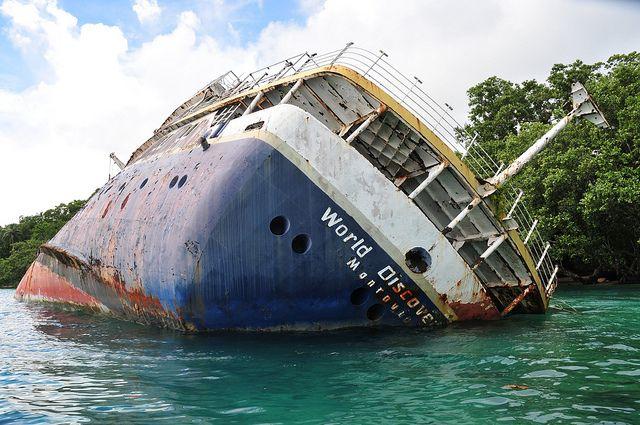
One of the biggest challenges in the Pacific are PPWs or Potentially Polluting Wrecks.
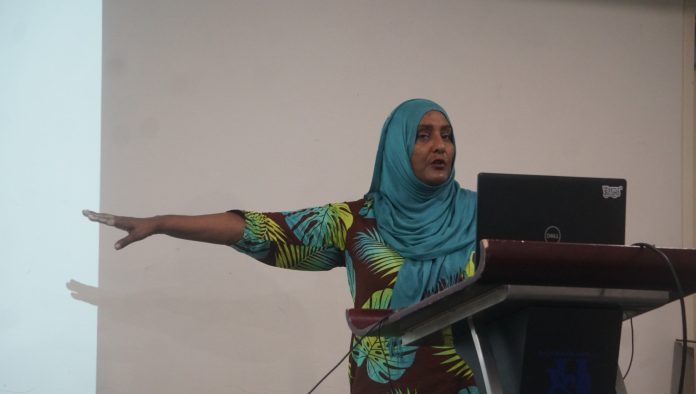
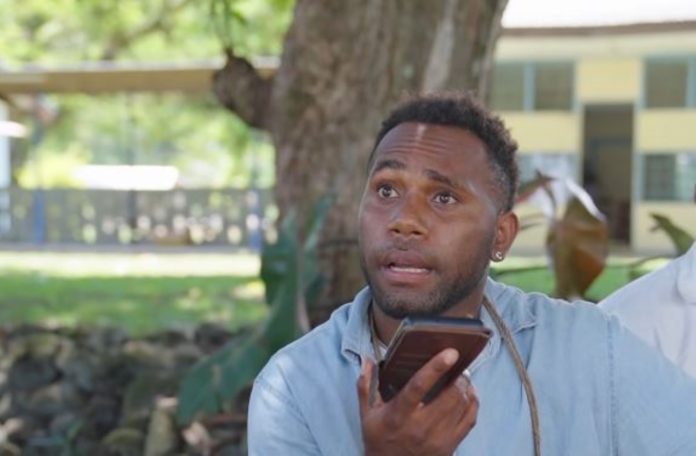
This was expressed by Dr Zullah Mohammed, the Pollution Advisor for SPREP (Secretariat for the Pacific Regional Environment Programme) who spoke on PPWs at the “Marine Pollution Incident Resilience in the Pacific Islands” workshop that was held at the Heritage Park Hotel last week.
Mohammed said SPREP developed a regional strategy that was more focused on the World War 2 wrecks and the current focus for them in the region or globally is the triple planetary crisis which include; climate change, biodiversity loss and pollution.
“What we are talking about here is one of our biggest challenges in the region, the potential polluting wrecks. We have international rules that covers the World War II wrecks, but in our region, I think we still come across those challenges of managing them”
Mohammed mentioned that not all countries in the region have World War 2 wrecks and every other member country of SPREP actually have fishing vessels, convention vessels and domestic vessels.
He explained while some vessels are sunk intentionally others are sunk unintentionally.
Mohammed said it was in 2014 that SPREP member countries agreed to identify and characterize wrecks.
“MDF actually has got an exhaustive list of those 3,800 wrecks that we have in the region and they have mapped with the historical data in terms of the volume of different type of fuel it holds”
Mohammed said that apart from this, there are some risks assessment carried out with some of those wrecks, but still there is a lot of work that needs to be done.
He added that following the development of their regional strategy and the reporting back to our members, the next step basically was for them to agree on intervention of different risk level.
Mohammed stressed that before moving further, one of the important questions they need to ask SPREP member countries is what they will do about the wrecks they have in their backyards.
“How do we agree on a regional level the interventions that a regional agency such as us can actually take with the development partners and donors?”
“How do we actually plan up a short-term, medium and a long-term strategy to manage these wrecks?”
Mohammed said in the last executive board meeting following the recent triple planetary crisis, they got the approval to revise their regional strategy.