SI loses estimated USD79m annually in climate-related loss & damage
BY LORETTA B MANELE
Solomon Islands, according to the draft Solomon Islands Climate Loss and Damage Evidence Base Report (MECDM, 2026), is losing an estimated USD79 million every year in climate-related loss and damage.
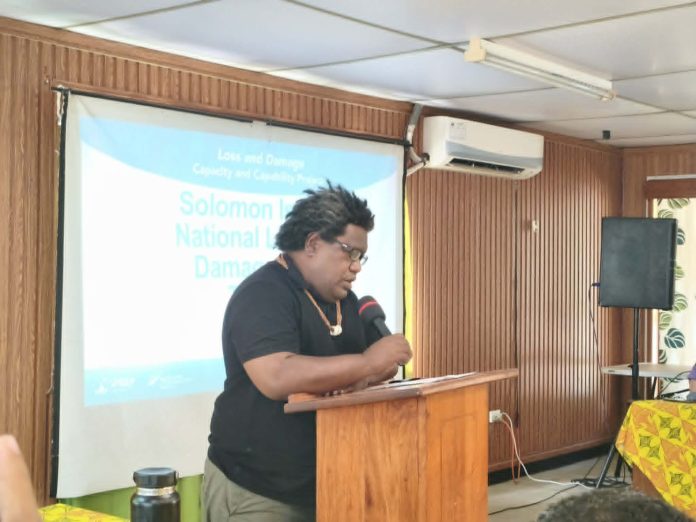
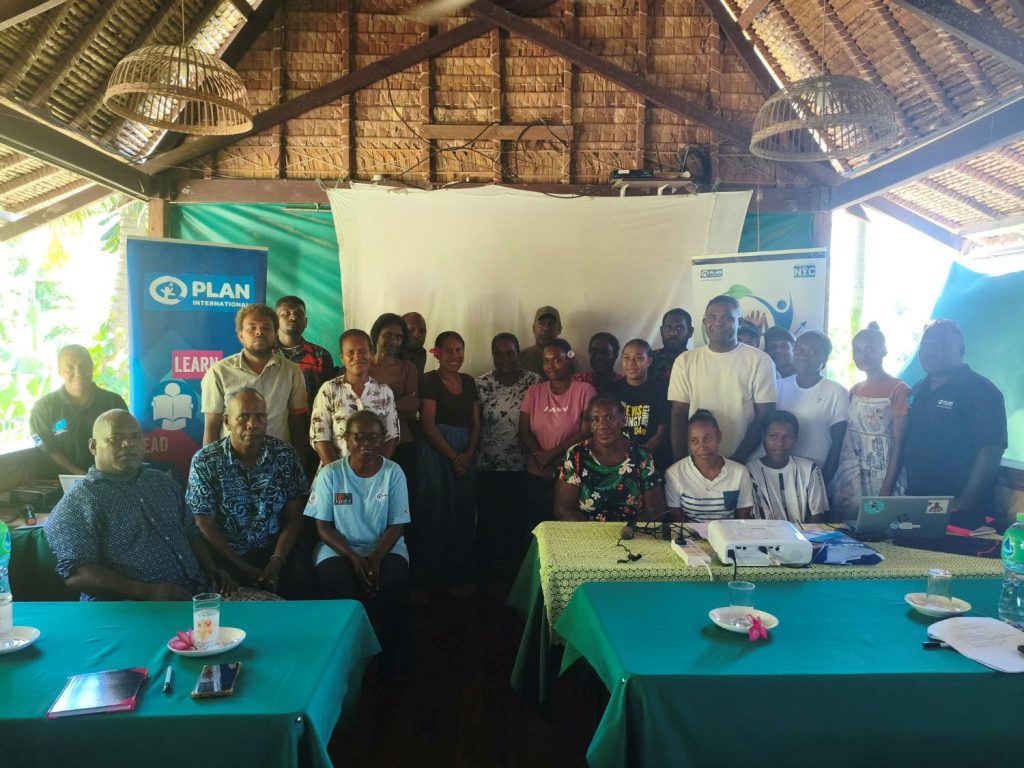
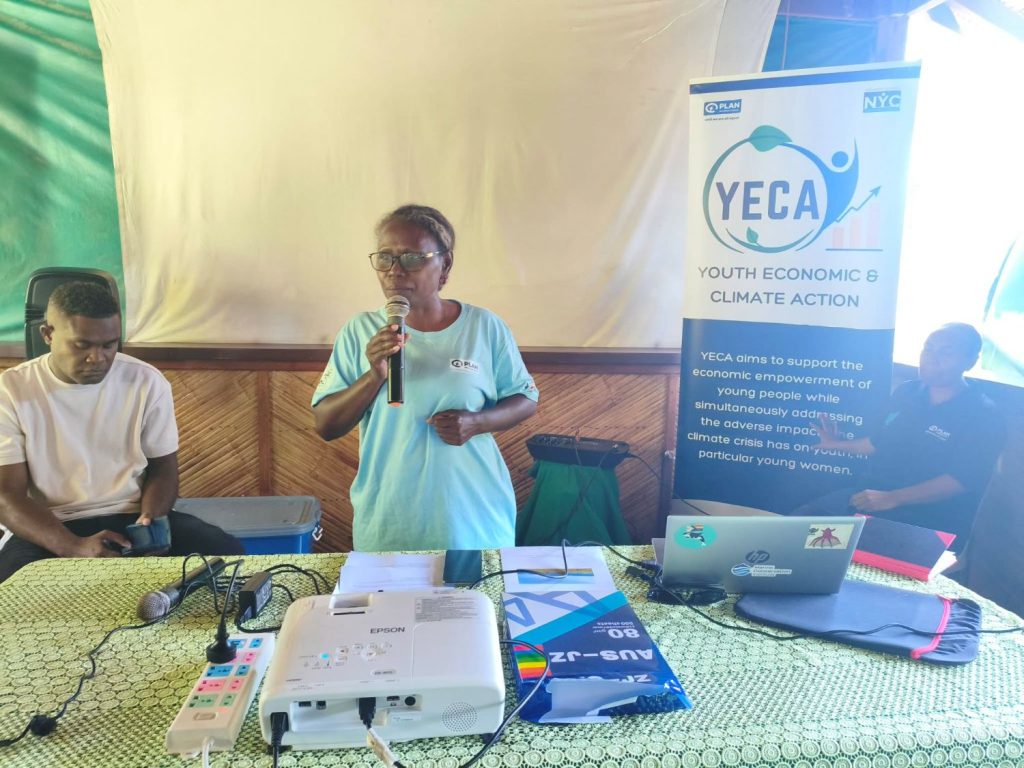
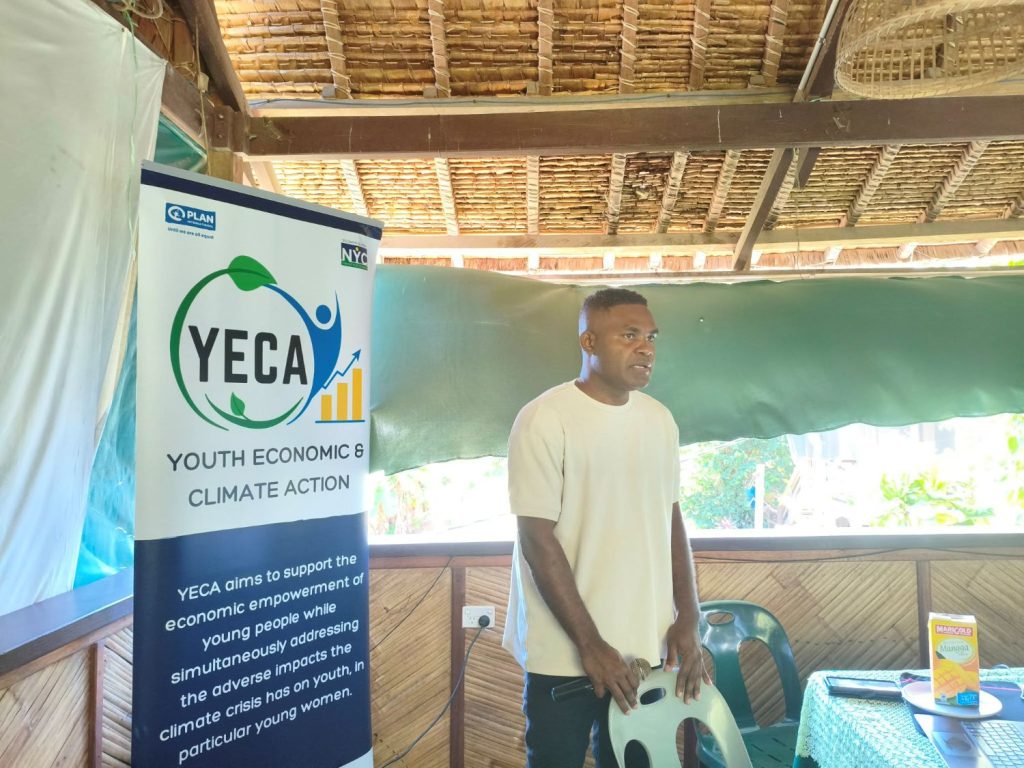
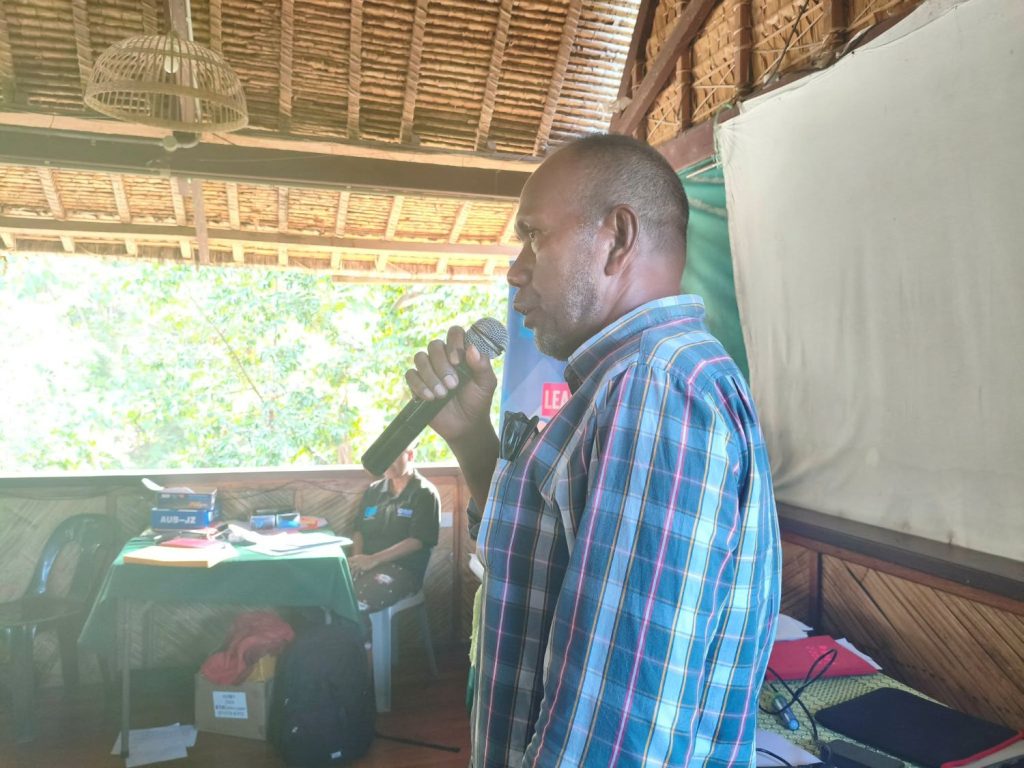
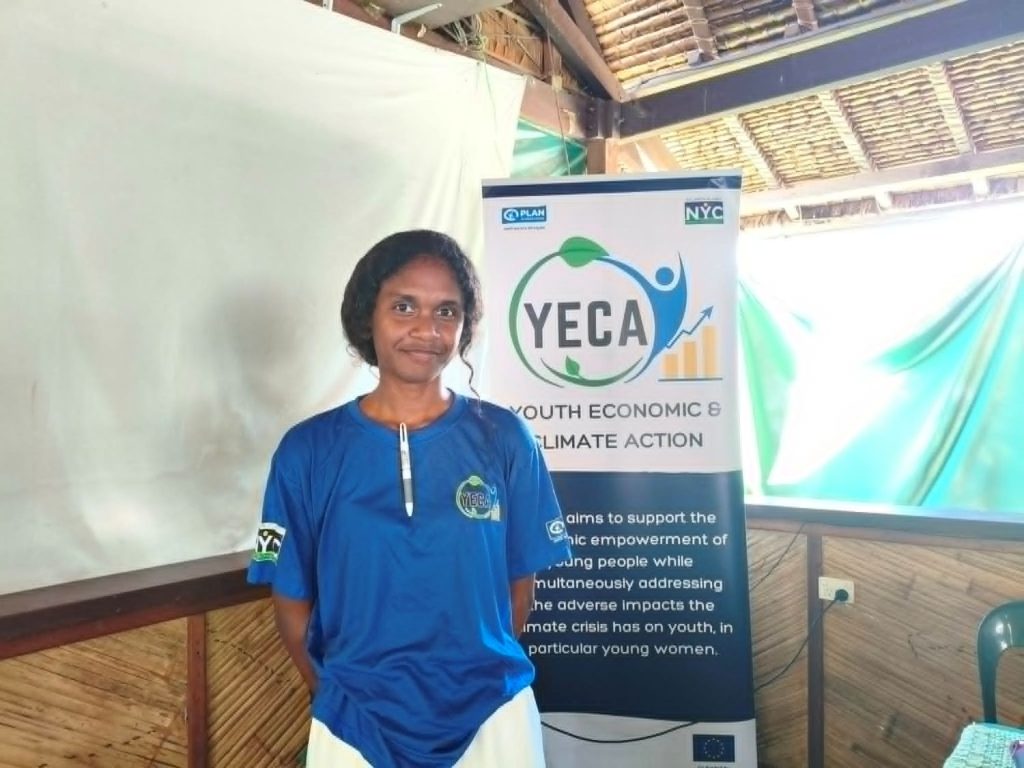
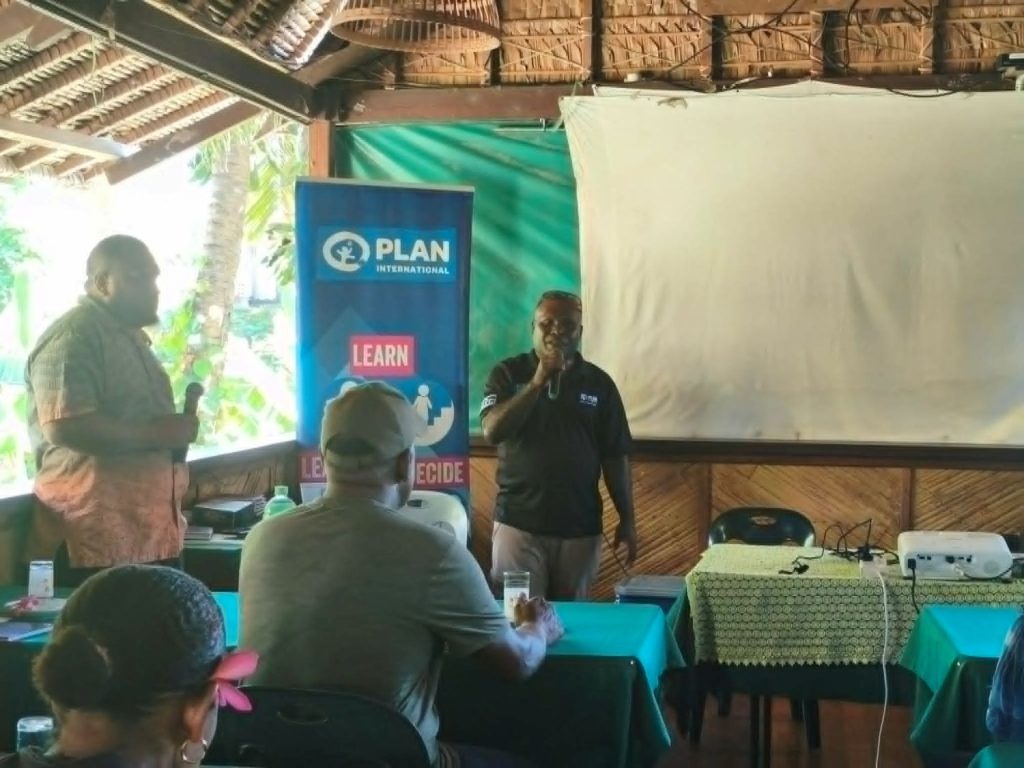
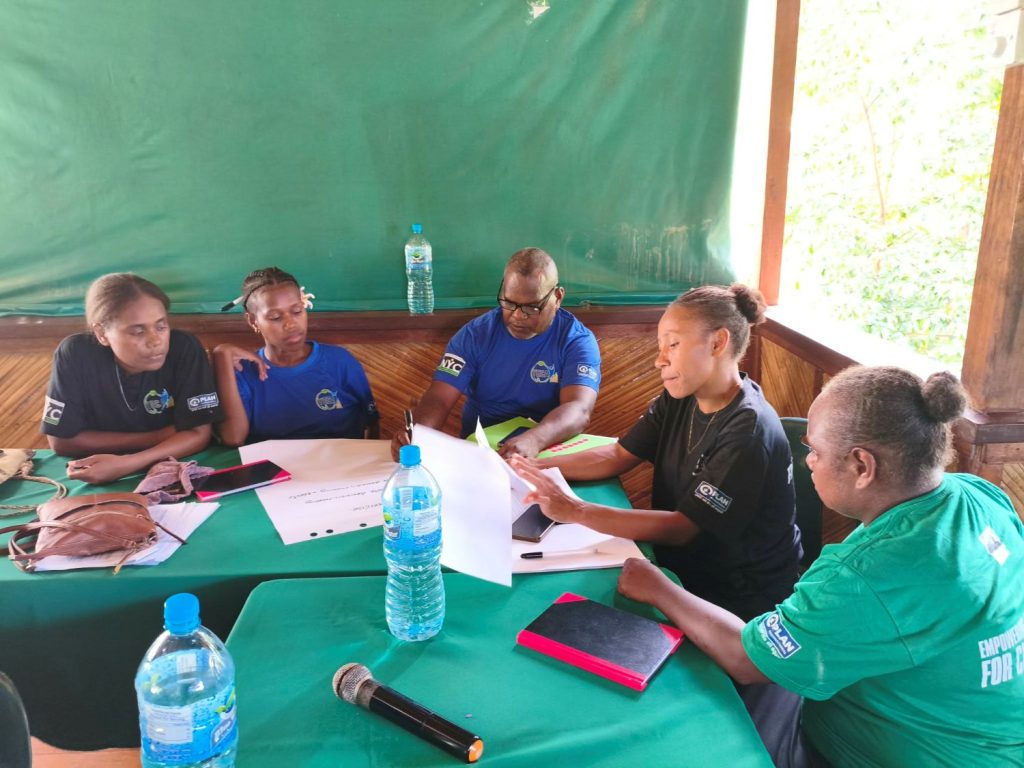
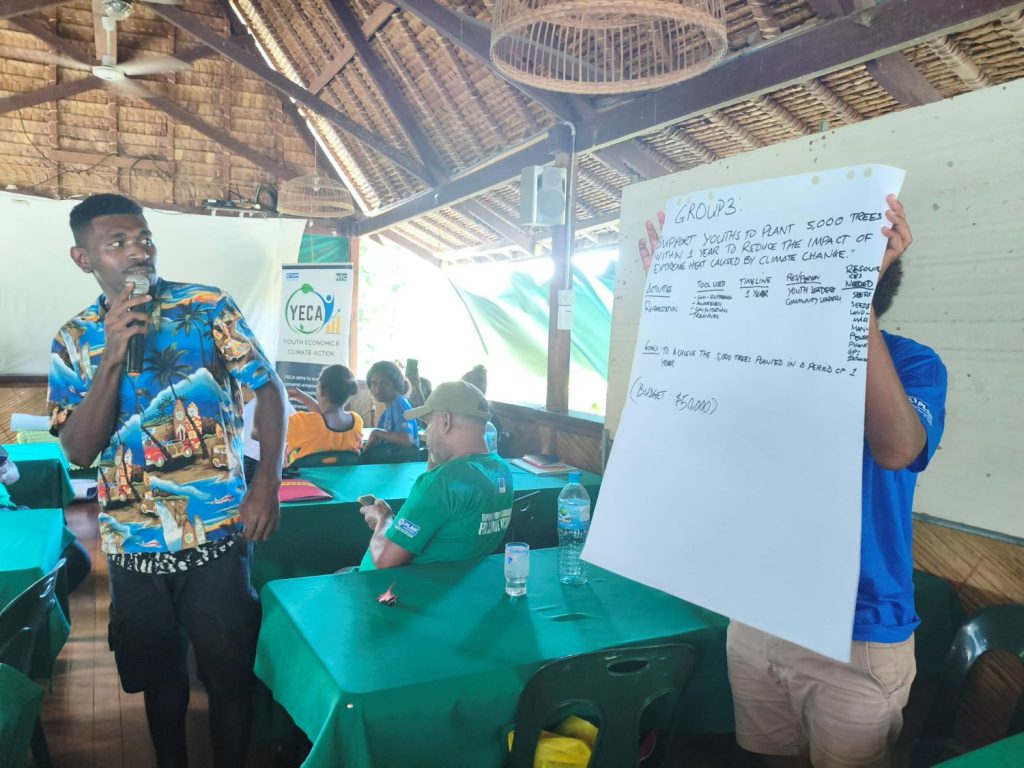
David Hiba Hiriasia, Permanent Secretary for Ministry of Environment, Climate Change, Disaster Management & Meteorology (MECDM) revealed this when he delivered his remarks at the three-day “Solomon Islands Loss and Damage Media Training” at Rock Haven Inn yesterday.
Addressing a number of media professionals representing media organisations at the training facilitated by Secretariat of the Pacific Regional Environment Programme (SPREP) with support of the New Zealand Government through the Loss and Damage Capability and Capacity (LDCC) Project, he said the figure (USD79m) is equivalent to 8.69 percent of Solomon Islands GDP annually.
Hiriasia said this is not just an environmental concern but also a national development challenge, a growing economic burden, and a human crisis.
“We saw this clearly in the 2014 Honiara floods. The Post-Disaster Needs Assessment conducted by World Bank documented that in just a matter of days, the event caused USD 107.8 million in damages equivalent to 9.2 percent of GDP.
“Twenty-two lives were lost, more than 50,000 people were affected, and beyond the economic losses, some impacts cannot be measured in dollars,” he said.
Hiriasia said at least five islands have already been permanently lost to sea-level rise, as recorded in the Solomon Islands National Climate Change Policy and supported by scientific studies such as Albert et al. (2016) in Environmental Research Letters.
The Permanent Secretary said for those communities, their histories and sense of place cannot be replaced and these are stories that must be told by the media hence why the role of the media is so critical.
Hiriasia said loss and damage is not just about figures and reports, it is about people, communities, and lived experiences.
“The media has the power to transform statistics into human narratives, to amplify the voices of those on the frontline, and to ensure that the world understands the human dimension of climate change,” he said.
Hiriasia said at the global level, loss and damage has long been a priority for the Pacific.
He mentioned that Vanuatu first raised the issues on behalf of Small Island states in 1991 and since then, the Pacific has worked tirelessly to bring it to the international stage.
Hiriasia said this culminated in the establishment of the Santiago Network in 2019 and the Fund for Responding to Loss and Damage in 2022.
He said these mechanisms present important opportunities for our region, but our voices must be heard in order to access them.
“And the media is the bridge that carries those voices from our villages and coastlines to the global stage.
“Radio, television, newspapers, and digital platforms are not just channels of communication, they are instruments of change,” he said.
Hiriasia said the media can inspire empathy, mobilise action, and hold leaders accountable in the context of climate change and ensure that lived reality in the Pacific is not ignored but recognised as a warning to the world.
He told the media representatives that their work as journalists, broadcasters, and storytellers is therefore central to national and regional efforts.
“You are not just reporting you are shaping the global narrative of climate justice,” said Hiriasia.
In closing remarks, he said the training builds on the partnership between the Media Association of Solomon Islands (MASI) and SPREP to strengthen our One Pacific Voice.
“I sincerely thank the Government of New Zealand for their financial support through the Loss and Damage Capability and Capacity project, which has made this workshop possible.
“I also thank SPREP and MASI for their collaboration. I look forward to seeing powerful content and media stories emerge from your work today. Stories that will not only inform but also inspire, stories that will ensure the lived realities of our people are never ignored,” he said.
The training started yesterday and will conclude on Wednesday.
Photo credit: Loretta B Manele
For feedback, contact: [email protected]
Editor: [email protected]